

Shearling jackets: Style, warmth, and versatility explained


TL;DR:
- Shearling jackets provide exceptional warmth and style, making them versatile for cold weather and active lifestyles. They are crafted from sheepskin with wool still attached, offering superior insulation, breathability, and durability. Proper care and high-quality sourcing ensure that shearling remains a timeless, functional wardrobe staple.
Most people assume a shearling jacket belongs in one of two categories: a seasonal winter splurge or a high-fashion statement piece that looks great but does nothing practical. Both assumptions sell shearling seriously short. This material has been dressing fighter pilots, ranchers, and runway models for decades because it solves a real problem: how do you stay genuinely warm without sacrificing style or mobility? Whether you’re building a head-turning wardrobe or gearing up for cold-weather rides, a shearling jacket deserves a permanent spot in your rotation.
Table of Contents
- What exactly is a shearling jacket?
- Shearling jacket benefits: Why choose shearling?
- Shearling jackets vs. other leather jackets
- How to care for your shearling jacket
- How to wear a shearling jacket for style and function
- Why shearling jackets are more than a passing trend
- Find or customize your perfect shearling jacket
- Frequently asked questions
Key Takeaways
| Point | Details |
|---|---|
| What shearling means | Shearling is genuine sheepskin with the wool still attached, prized for warmth and comfort. |
| Shearling vs. other leathers | Compared to other leather jackets, shearling is warmer, cozier, and needs different care. |
| Ideal for style and function | Shearling jackets are loved by both fashion fans and motorcycle riders for versatile looks and real-world benefits. |
| Long-lasting investment | A well-cared-for shearling jacket can last for many years, making it worth the investment. |
| Style it your way | Wear shearling jackets in casual, professional, or motorcycling outfits for timeless appeal. |
What exactly is a shearling jacket?
Let’s clear up the confusion right away, because the terms get mixed up constantly. Shearling describes a sheepskin or lambskin tanned with the wool still intact, offering natural warmth and breathability. The outside of the jacket shows the smooth, treated leather side, while the interior features the dense, plush wool. That wool is trimmed to a consistent length during production, which gives shearling its characteristic uniform texture.
Sheepskin is the broader category. Shearling is a specific type of sheepskin where the tanning process preserves the fleece. Generic sheepskin products may have the wool removed or processed differently, losing that insulating wool lining entirely. Understanding the lambskin vs sheepskin comparison is equally useful here. Lambskin comes from younger animals, producing a lighter, softer leather with a finer grain. Shearling from lambskin is particularly luxurious, while shearling from mature sheepskin tends to be slightly thicker and more durable.
Faux shearling is another common alternative, typically made from synthetic fibers like polyester fleece bonded to a fabric backing. It mimics the look at a lower price point, but it doesn’t breathe the same way, doesn’t regulate temperature as effectively, and rarely holds up over years of use the way genuine shearling does.
Here’s a quick breakdown of key properties to know:
| Property | Genuine shearling | Faux shearling | Standard leather |
|---|---|---|---|
| Insulation | Excellent | Moderate | Low |
| Breathability | High | Low | Low to moderate |
| Weight | Medium | Light | Medium to heavy |
| Durability | Very high | Moderate | High |
| Temperature regulation | Natural, adaptive | Passive | Minimal |
| Price point | Premium | Budget | Variable |
Key characteristics of genuine shearling:
- Naturally regulates body temperature in both cold and mild conditions
- The wool fiber traps warm air close to the body
- Moisture wicking keeps you dry during active use
- Develops a rich patina over time, improving with age
- Resistant to wind when the leather side faces outward
One persistent myth is that shearling is too heavy for practical daily wear. In reality, the material is surprisingly light relative to its warmth output, especially lambskin shearling. A well-constructed shearling jacket often weighs less than a thick wool coat while delivering significantly more insulation.
Shearling jacket benefits: Why choose shearling?
Now that you know what shearling is, it’s important to understand why so many choose it and why it’s more than just a fashion statement.

The single biggest advantage is thermal performance. Shearling is naturally insulating and moisture-wicking, making it ideal for cold climates and active use. Unlike synthetic insulation that traps heat uniformly, wool fibers actively respond to your body’s temperature changes. When you’re cold, the fibers trap warm air. When you heat up, moisture moves away from your skin. This adaptive quality is rare in outerwear.
For motorcycle riders, this matters enormously. Wind chill at highway speeds drops the perceived temperature dramatically. A shearling jacket creates a windbreak on the outside while the wool lining holds a stable layer of warm air against your body. The result is consistent comfort without needing to wear three layers underneath.
Top benefits at a glance:
- Warmth without bulk: Shearling insulates better per inch of thickness than most synthetic materials
- Natural comfort: The wool lining is soft against bare skin or light clothing
- Rugged good looks: Works with casual, smart casual, or riding aesthetics
- Long lifespan: Properly cared for, a genuine shearling jacket can last 10 to 20 years
- Versatility: Transitions easily between riding, travel, and social settings
From a pure style perspective, shearling fits into nearly any wardrobe direction. Pair it with dark jeans and leather boots for a clean, masculine look. Layer it over a fitted turtleneck for something more polished. The styling brown leather jackets principle applies perfectly here since brown shearling especially has a heritage warmth that pairs beautifully with earth tones, denim, and olive green.
Pro Tip: If you’re investing in a lighter-colored shearling jacket, learn how to apply a leather protectant spray early. Staying ahead on caring for light-colored leather prevents staining before it happens, saving you costly professional cleaning down the road.
Statistic to know: Leather outerwear, including shearling, consistently ranks among the top premium jacket categories by resale value, often retaining 40 to 60 percent of its original price after years of wear when properly maintained. That’s a level of value retention most fast-fashion alternatives simply can’t match.
Shearling jackets vs. other leather jackets
To choose confidently, it’s helpful to see how shearling jackets compare to other top choices on the market.
Each type of leather jacket offers different benefits in weight, durability, warmth, and price, and the right choice depends entirely on how you plan to use it. Here’s a direct comparison across the most popular jacket materials:
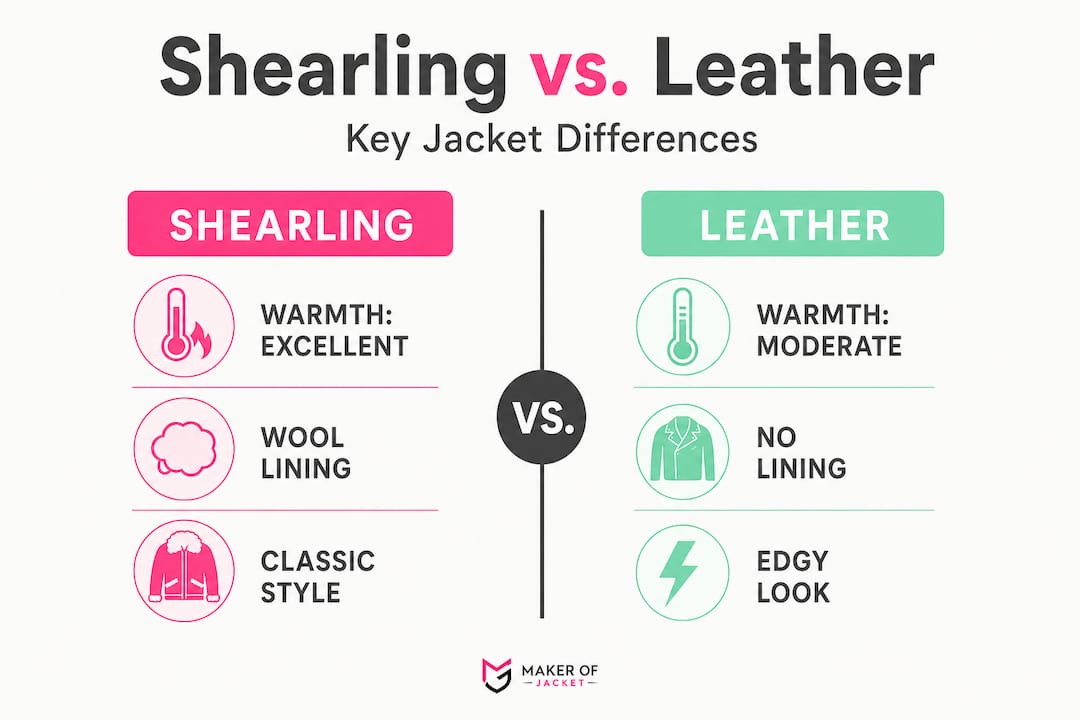
| Material | Warmth | Weight | Durability | Best use | Price range |
|---|---|---|---|---|---|
| Shearling | Excellent | Medium | Very high | Cold-weather style, riding | Premium |
| Lambskin | Low | Very light | Moderate | Fashion, mild weather | Premium |
| Cowhide | Low | Heavy | Extremely high | Motorcycle protection | Mid to high |
| Faux leather | Very low | Light | Low to moderate | Budget fashion | Budget |
| Waxed cotton | Moderate | Medium | High | All-weather casual | Mid |
Shearling wins on warmth with no competition. Cowhide wins on abrasion resistance, which is why many motorcycle-specific jackets use cowhide as the primary shell with armor inserts. Where shearling holds a unique middle ground is in combining genuine warmth with a stylish, wearable silhouette that doesn’t scream “protective gear.”
How to decide which jacket type fits your needs:
- If cold-weather performance is the priority, shearling is the clear winner. Nothing natural insulates as effectively per unit of thickness.
- If you need maximum crash protection, look for cowhide with CE-rated armor. Shearling can be layered with armor, but purpose-built riding jackets often use cowhide for the shell.
- If you want everyday fashion versatility, lambskin or shearling both excel, with shearling adding significant warmth.
- If budget is the main concern, faux alternatives are accessible but expect a shorter lifespan and less comfort.
- If you want one jacket that does everything, a shearling bomber or aviator style bridges riding, travel, and daily wear better than almost any other option.
Learning how to soften leather jackets matters more with cowhide and full-grain leather than with shearling, which tends to be supple from the start. That initial stiffness you sometimes feel with new leather is much less pronounced in shearling pieces.
How to care for your shearling jacket
Owning a shearling jacket is an investment, and here’s how to care for yours so it stands the test of time, rides, and changing trends.
Shearling jackets require specific care methods to preserve their quality and avoid damage. The good news is that with a few consistent habits, maintenance is straightforward and the payoff is significant.
Essential care practices:
- Brush regularly: Use a soft-bristled suede or sheepskin brush to keep the wool lining from matting. Brush in one direction to maintain the pile.
- Air dry only: Never use direct heat sources like radiators, hair dryers, or direct sunlight. Hang your jacket in a ventilated area after exposure to rain or sweat.
- Spot clean cautiously: For small marks on the leather exterior, use a barely damp cloth with a tiny amount of mild soap. Work gently and let it dry naturally.
- Store correctly: Hang your jacket on a wide, padded hanger in a cool, dry closet. Avoid plastic garment bags since they trap moisture and inhibit air circulation. A breathable cotton garment bag works much better.
- Condition the leather: Apply a leather conditioner to the exterior two to three times per year to prevent the hide from drying out and cracking.
“The biggest mistake shearling owners make is treating a wet jacket with heat. Air drying at room temperature is the only safe method, and it’s worth the wait.”
Pro Tip: For tough stains, wine spills, or oil marks, skip the home remedies and take your jacket directly to a professional leather cleaner. The cost of one professional cleaning is far less than replacing a jacket that’s been damaged by the wrong cleaning product.
For lighter shearling jackets, guidance on cleaning light shearling is especially important since pale colors show oils and contact marks more readily. If you’re packing your jacket for a trip, smart packing tips for travel will prevent unnecessary creasing or compression damage. And for any exterior leather that starts feeling stiff, the same softening tips that apply to other leather types will restore flexibility.
How to wear a shearling jacket for style and function
Beyond function and care, knowing how to wear your shearling jacket lets you get the most out of your investment, whatever your scene.
Shearling jackets pair well with casual, professional, or riding attire, which makes them unusually flexible across different contexts. Here’s how to put that versatility to work:
Casual everyday styling:
- Wear over a plain white t-shirt and slim dark jeans with Chelsea boots for a clean, timeless look
- Layer a hoodie underneath for added warmth on colder days without breaking the silhouette
- Brown shearling with tan chinos and white sneakers works for a relaxed weekend aesthetic
- Aviator and bomber shearling styles look particularly sharp with straight-leg denim and rugged boots
Riding and function-first styling:
- If your jacket includes armor pockets or external D-rings, embrace the technical details rather than hiding them
- Layer a thin thermal base underneath rather than bulky sweaters to maintain full arm and shoulder mobility
- Black shearling with dark riding pants creates a sharp, cohesive riding outfit that looks intentional rather than pieced together
Seasonal transitions:
- In winter, shearling is a standalone outer layer down to temperatures near freezing. Add a scarf and gloves for the exposed areas.
- In spring or fall, shearling over a light long-sleeve shirt is often enough for morning or evening rides when temperatures dip into the 40s and 50s Fahrenheit.
For those who travel frequently, styling ideas specifically around leather jacket styling for travel show how shearling transitions from airport casual to evening dinner without skipping a beat. One jacket, multiple contexts. That’s the whole point.
Why shearling jackets are more than a passing trend
Here’s the honest take on shearling: most trend-driven outerwear comes and goes within a few seasons. Shearling keeps coming back not because marketing teams decided it’s cool again, but because it actually works.
Look at the history. Aviator shearling jackets were developed out of necessity in the 1940s because pilots needed warmth at altitude without restricting their movement. That same design logic, a leather shell cutting wind and a wool interior trapping heat, is still why people buy shearling today. Nothing functional has replaced it. Synthetic alternatives have tried, but none offer the same adaptive temperature regulation in a package that also looks this good.
For motorcycle riders specifically, shearling sits in a unique position. It delivers the heritage credibility of classic riding gear while offering real cold-weather performance. Riders who prioritize season-extending comfort often return to shearling after experimenting with technical synthetics, simply because it does more with less.
The style argument is just as strong. Browse the must-have jacket styles of any given year and shearling reliably appears alongside newer trends, not as a throwback but as a current, relevant choice. That’s the mark of a genuine wardrobe staple: it ages with you rather than aging out.
Invest in quality. Buy from makers who use genuine materials, offer real customization, and back their work with transparent sourcing. A cheap shearling substitute will disappoint within a season. A quality piece, properly cared for, becomes one of those jackets you reach for automatically.
Find or customize your perfect shearling jacket
Inspired to make a shearling jacket yours? Here’s how to find or create the perfect fit for your closet or next ride.
At Maker of Jacket, we specialize in exactly this kind of investment piece. Whether you want a classic aviator shearling, a modern biker cut with shearling collar trim, or a fully custom riding jacket designed around your measurements and riding style, we build it to your specs.
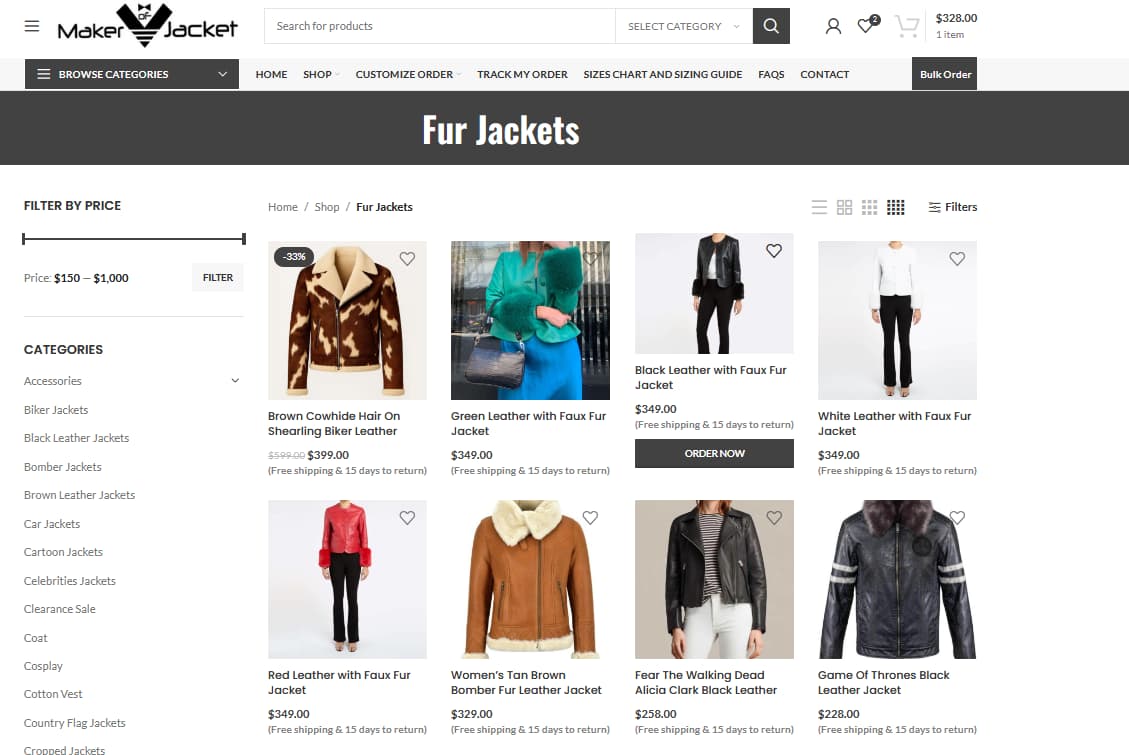
Browse our custom jacket options to see the full range of shearling and leather styles available for personalization. Every detail from the lining, collar height, zipper placement, and panel design is open to customization. You can also read the full sheep leather guide to understand exactly what goes into the materials we use. Worldwide free shipping, detailed size guides, and real customer reviews make ordering straightforward and confident. This is how you get a jacket built for your life, not just your size.
Frequently asked questions
Is a shearling jacket suitable for riding motorcycles?
Yes, genuine shearling offers natural insulation and breathability that make it ideal for cool-weather rides, and many designs include armor pockets for added protection.
What is the difference between shearling and sheepskin?
Shearling refers specifically to tanned sheepskin with wool still attached, giving it its plush lining and superior warmth compared to wool-removed sheepskin.
Can shearling jackets be worn in the rain?
Light rain is generally fine with prompt air drying, but shearling should never be soaked since moisture exposure without care can warp and damage both the hide and the wool lining.
How can I clean a stain from my shearling jacket?
Spot clean gently with a damp cloth for minor marks, and for tough stains, consult a leather care professional since improper care causes damage that’s often impossible to reverse at home.
Are shearling jackets considered sustainable?
Shearling is a byproduct of the wool and meat industry, and its exceptional durability means fewer replacements over time, but true sustainability depends on responsible sourcing and tanning practices from the manufacturer.


