

24–32 oz Melton, 1.4–1.8 mm Leather: Varsity Jacket Material Specs

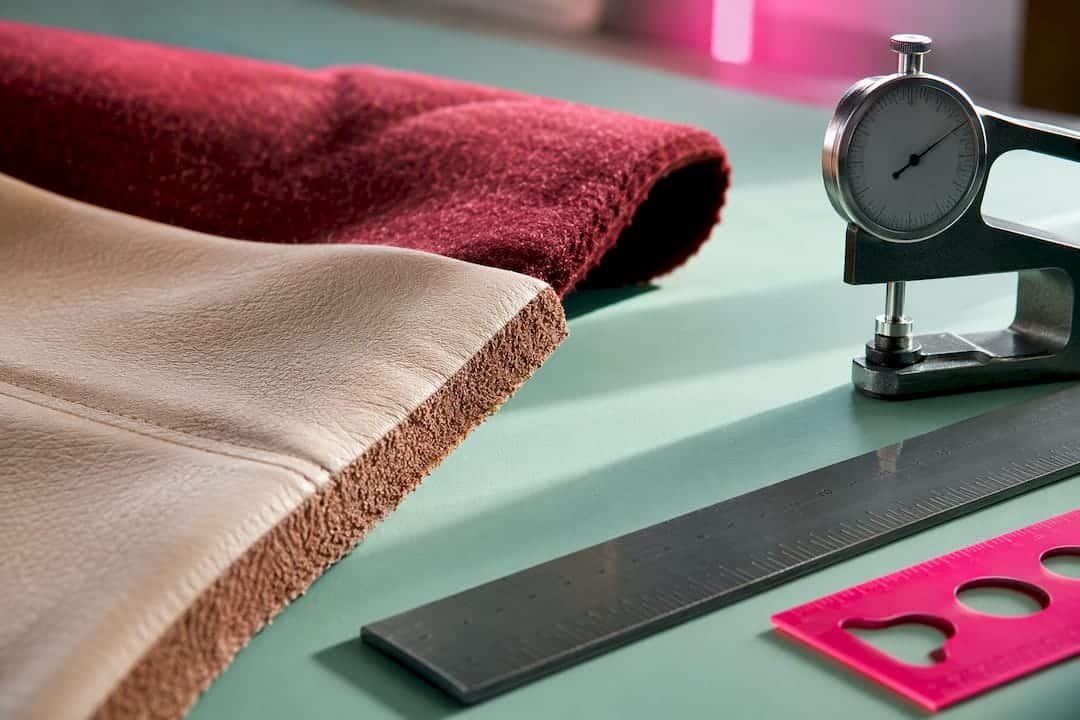
Most varsity jackets pair a melton wool or wool-blend body with leather or faux-leather sleeves, a combination chosen for warmth and structure on top, durability and shine on the arms. The tradeoff comes down to three things: wool gives you warmth and shape, leather gives you toughness and looks, and faux leather trims cost and animal content. Before ordering, confirm the fabric weight and fiber-content label on whatever you’re buying.
TL;DR:
- High-quality melton wool jackets in the 24 to 32 ounce range provide the best durability and shape retention for frequent wear.
- Genuine leather sleeves typically measure 1.4 to 1.8 millimeters thick, with thinner cuts breaking in faster and thicker resisting wear longer.
- Always verify fiber percentages and fabric weights through clear labels, as cheaper options often use lighter weight fabrics that sag or feel less structured quickly.
- Faux leather sleeves are more affordable and easier to clean but tend to crack sooner than genuine leather under heavy flexing and prolonged use.
- For allergy concerns, choose jackets with satin or breathable linings on the collar and cuffs, as wool or leather can cause irritation for sensitive skin.
Table of Contents
- Body Fabrics: Melton Wool, Wool Blends, Polyester, and Satin Alternatives
- Sleeve Materials: Leather, Faux Leather, and Wool
- Trim, Patches, and Lining Choices That Shape the Finished Jacket
- Fabric Weights, Leather Thickness, and Labeling Rules to Know
- How to Choose Materials for Your Varsity Jacket
- Maker of Jacket: How We Handle Materials on Custom Orders
- Allergen Considerations for Wool and Leather Sleeves
- What Buyers Get Wrong About Varsity Jacket Materials
- Start Your Custom Varsity Jacket Order
- Sources
- FAQ
Body Fabrics: Melton Wool, Wool Blends, Polyester, and Satin Alternatives
Melton wool is the traditional varsity jacket body fabric because it’s tightly woven and dense enough to hold its shape without a stiff interior lining. Most melton bodies run as a wool blend rather than pure wool, often with a high proportion of wool combined with nylon or other fibers to add strength without sacrificing the felted look. The FTC’s Textile Fiber Rule requires that fiber percentages appear on the garment label so you can check directly rather than take a seller’s word for it.
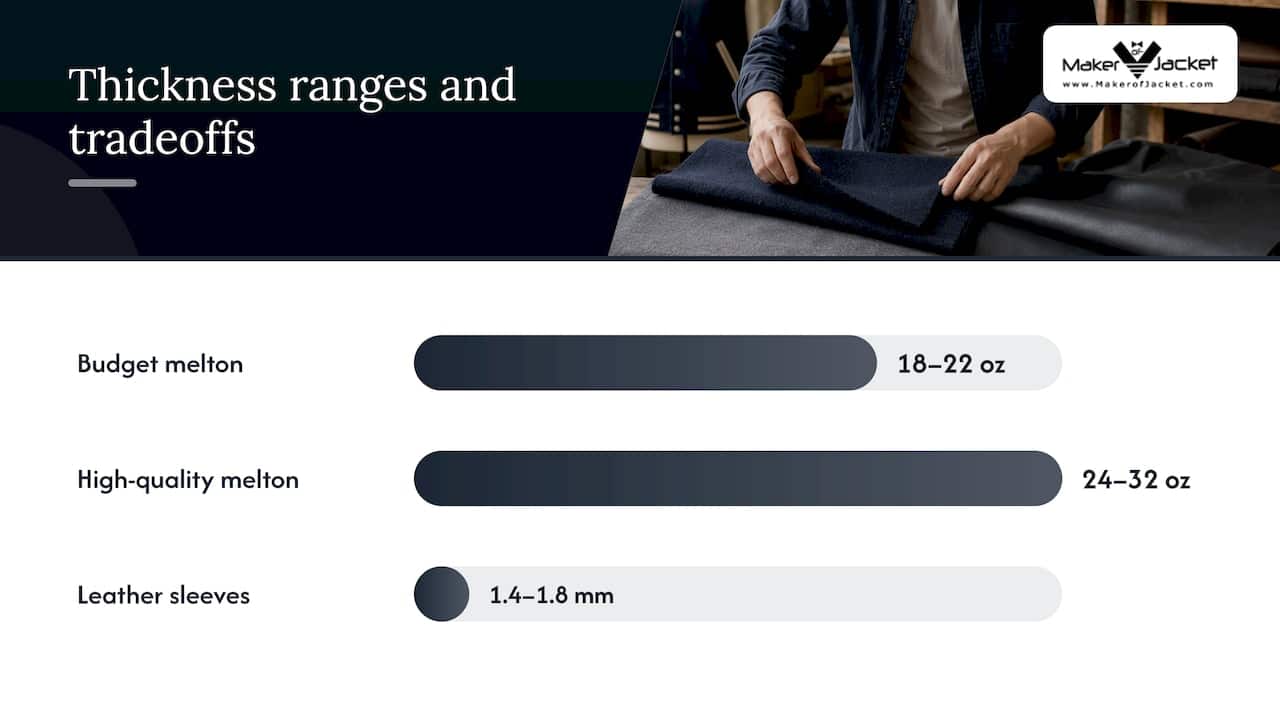
High-quality melton typically falls within a higher weight range typical for structured wool fabrics, and that weight is what separates a jacket that holds a crisp silhouette from one that sags after a season. Lighter, budget melton drops to 18 to 22 ounces, which feels thinner and less structured but costs less and suits milder climates.
Wool blends trade a bit of warmth for easier care and a lower price, and pure polyester bodies go further in that direction, sacrificing breathability for a fabric that resists wrinkling and shrinking.
- Wool and wool-blend melton: warmest, most structured, highest maintenance.
- Polyester and polyester-blend bodies: cheaper, more wrinkle-resistant, less breathable.
- Satin or cotton bodies: chosen for fashion pieces or lightweight jackets, at the cost of insulation and shape retention.
Satin shows up on fashion-forward varsity jackets and team jackets meant for indoor wear, where a glossy finish matters more than winter warmth.
Sleeve Materials: Leather, Faux Leather, and Wool
Genuine leather sleeves are usually cowhide, either full-grain or corrected-grain, with thickness varying enough to affect flexibility and wear characteristics. Thinner cuts flex more easily and break in faster, while thicker cuts resist scuffing but take longer to soften. A detailed comparison of leather and faux leather sleeve construction is worth reading if you’re weighing texture and long-term wear side by side.
Faux and vegan leather sleeves use a polyurethane or PVC coating over a woven backing, which keeps cost down and avoids animal hide entirely, though the surface tends to crack sooner than genuine leather under heavy flexing. A breakdown of faux leather versus vegan leather construction explains how those coatings differ and what that means for care.
- Genuine leather: most durable, needs conditioning, shows patina over time.
- Faux or vegan leather: lighter, easier to wipe clean, shorter lifespan under stress.
- Wool sleeves: matched to the body fabric for a mono-material look, trading contrast for uniformity.
Finish matters as much as material. Aniline leather shows more natural grain and marks more easily, while pigmented finishes hide scuffs but look more uniform. Metal snaps outlast plastic ones on cuffs exposed to regular use.
Pro Tip: Ask for a close-up photo of the sleeve seam before ordering. Stitch quality there tells you more about durability than any spec sheet.
Trim, Patches, and Lining Choices That Shape the Finished Jacket
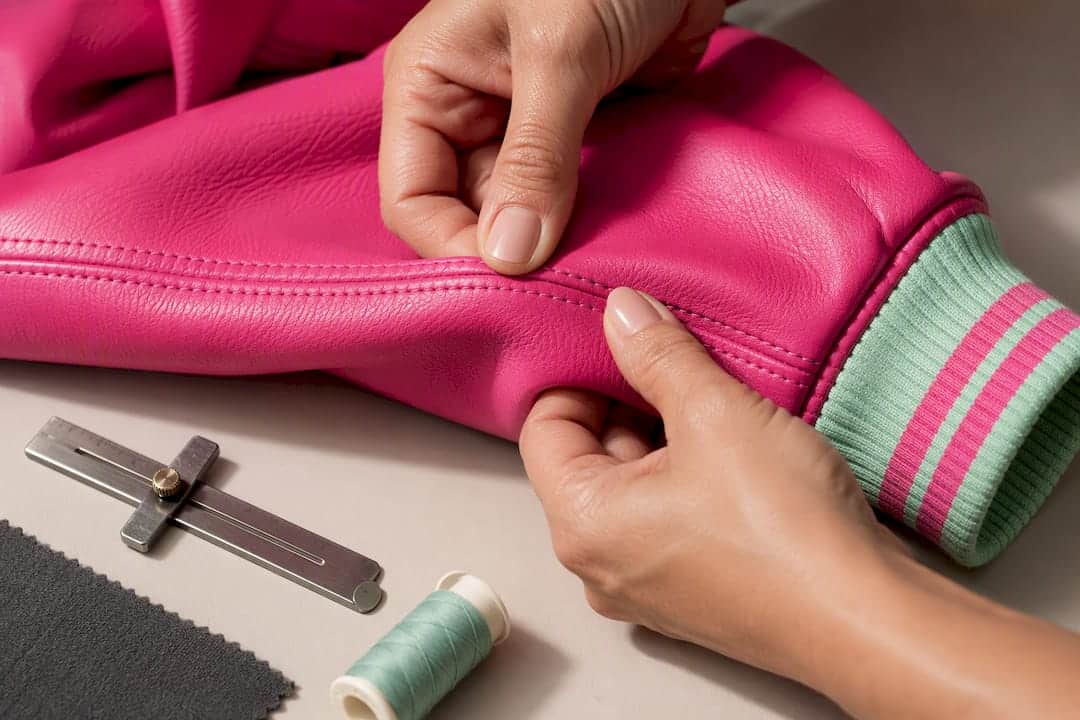
Chenille patches give the raised, fuzzy letter look classic to varsity jackets, and they’re the most durable choice for heavy team logos. Embroidered patches sit flatter and cost less to produce in fine detail, while felt applique is the cheapest option but frays fastest at the edges.
- Ribbing on the collar and cuffs is usually wool, acrylic, or a wool-acrylic blend; wool stretches back into shape better than pure acrylic over repeated wear.
- Lining ranges from satin, which slides on easily but offers no insulation, to quilted or polyester-fill linings, which add warmth at the cost of some mobility.
- Metal snaps on the front placket last longer than plastic snaps, especially on jackets that get buttoned and unbuttoned daily.
- Dense patching and heavy embroidery add noticeable weight to a finished jacket, something to plan for if you want a lighter, everyday piece.
Fabric Weights, Leather Thickness, and Labeling Rules to Know
Weight and thickness numbers only matter if you can compare them against something. High-quality melton wool bodies sit in the 24 to 32 ounce per yard range, while budget versions drop to 18 to 22 ounces, a difference you can feel in hand and see in how the jacket holds its shoulders. Leather sleeves commonly measure 1.4 to 1.8 millimeters thick, with thinner leather breaking in faster and thicker leather resisting wear longer.
USDA/AMS wool trust reports document wool’s natural moisture management, temperature regulation, and flame resistance, properties that explain why it remains the default varsity jacket body fabric despite newer synthetics. The same reports note ongoing development of mercerized and shrink-resistant wool, treatments that make wool garments more machine washable without losing structure, and ARS research on wool fiber surface modification shows that work is still active.
On the label side, the FTC’s guidance on the Textile and Wool Acts requires fiber percentages, manufacturer identity, and country of processing or manufacture to appear conspicuously on the garment.
- Wool bodies: spot-clean when possible, dry clean for full cleaning.
- Leather sleeves: condition periodically, avoid prolonged direct sun.
- Faux leather: wipe with a damp cloth, avoid high heat.
- Patches: check attachment method before machine washing.
How to Choose Materials for Your Varsity Jacket
Match materials to how the jacket will actually be worn. A team uniform that sees weekly wear calls for higher-weight melton and genuine leather sleeves built to survive years of use. A style piece worn occasionally can get away with a lighter body and faux leather sleeves without much downside, and a cold-climate jacket benefits from a quilted lining and heavier wool regardless of sleeve choice.
Before ordering from any maker, request:
- Fabric weight in ounces per yard or gsm, not just a marketing description.
- Exact fiber percentages, which the label is required to state under FTC rules.
- Leather thickness in millimeters if the sleeves are genuine or bonded leather.
- Lining type and patch construction method, ideally with a photo.
Treat a missing fiber-content label, vague weight claims, no finished-product photos, or an unclear returns policy as reasons to keep looking. A step-by-step varsity jacket buying guide walks through sizing alongside these material checks if you want the fuller picture.
Pro Tip: Prioritize in this order: clear specs first, material photos second, documented care instructions third. Skip any seller who can’t produce the first two.
Maker of Jacket: How We Handle Materials on Custom Orders
Maker of Jacket builds custom varsity jackets around the same material categories covered above: melton wool or blended bodies, genuine or faux leather sleeves, and a choice of chenille, embroidered, or felt patches. Our varsity jacket product pages show galleries and size guides so you can see finish and fit before requesting your own build.
When you place a custom order, ask us to confirm the same specs you’d ask any maker for: fabric weight, fiber percentages, leather thickness, and how patches are attached. Handcrafted construction from premium-grade materials is often emphasized by custom jacket makers; verifying material specifications before ordering helps ensure quality rather than relying on general claims.
Allergen Considerations for Wool and Leather Sleeves
Wool sensitivity is common enough that it’s worth checking before committing to a heavyweight melton body. Some people react to raw wool fibers with itching or mild irritation, particularly against bare skin at the collar and cuffs, which is one reason many varsity jackets line those areas in satin or another smooth fabric rather than leaving wool exposed.
Leather can also trigger reactions in people sensitive to the tanning chemicals or dyes used in processing, especially with lower-cost, heavily treated hides. Faux leather avoids animal-derived allergens entirely but introduces its own consideration: the polyurethane or PVC coating can irritate sensitive skin in rare cases, usually from the chemical finish rather than the base material.
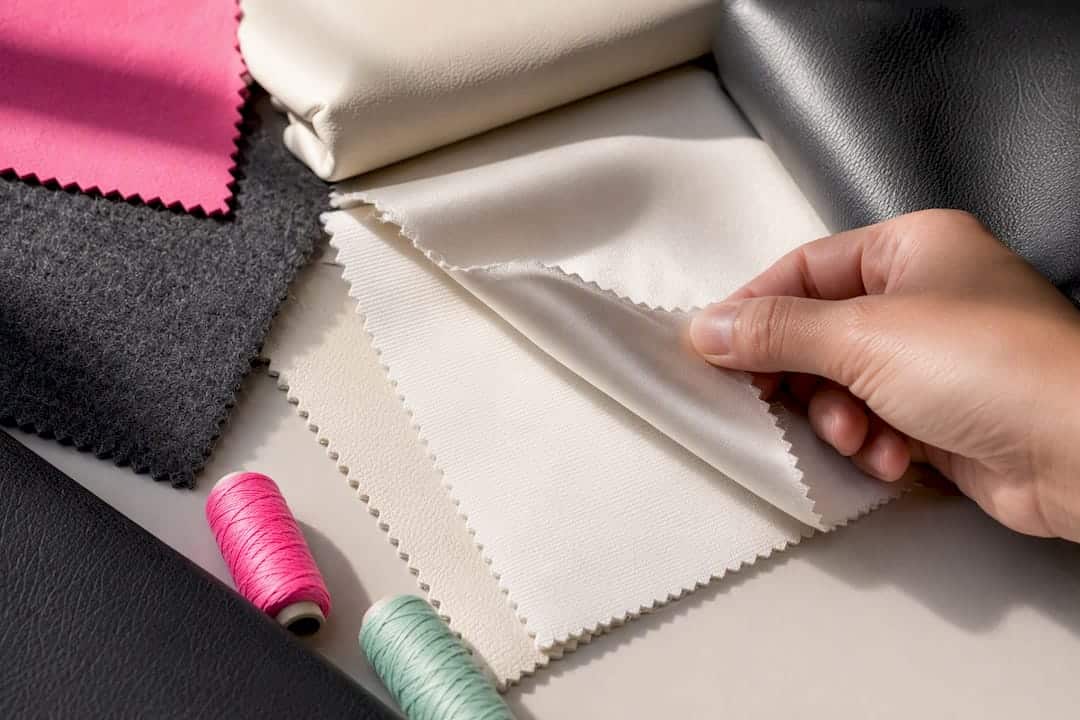
If allergies are a concern, ask about the lining fabric touching your neck and wrists specifically, since that contact area matters more than the body or sleeve exterior. A cotton or satin lining under a wool body, or a breathable lining under leather sleeves, solves most sensitivity issues without changing the jacket’s overall look. When in doubt, request a fabric swatch before the full order ships.
What Buyers Get Wrong About Varsity Jacket Materials
Most buyers focus on price before checking fabric weight, then wonder why a jacket feels thin within a year. Heavy patching and dense embroidery look great in photos but add real weight and reduce flexibility over time, so match trim density to how often you’ll actually wear the jacket. Ask for finished-product photos and exact specs before you commit to anything.
— Maker
Start Your Custom Varsity Jacket Order
Once you know the body weight, sleeve material, and patch style you want, starting an order is mostly a matter of putting those specs in writing. Maker of Jacket’s custom order category covers varsity jackets alongside bomber, biker, and other styles, with the Customize Varsity Jacket Order priced at $249. Full details and the submission process are on the custom jacket landing page.
Before you submit a request, have ready:
- Preferred body fabric and weight (melton, wool blend, or polyester).
- Sleeve material: genuine leather, faux leather, or matching wool.
- Patch style: chenille, embroidered, or felt, plus any lettering or numbers.
- Lining preference for warmth versus breathability.
Custom orders may allow specifying materials and construction details, with shipping and support options varying by maker.
Sources
- Textile Fiber Rule | Federal Trade Commission
- Wool Trust Report 2019 – 2020 | USDA Agricultural Marketing Service
- Modification of wool fibers via base/cationic detergent pretreatment and transglutaminase-mediated reaction of keratin | ARS
FAQ
What are some common materials used for jackets?
Jackets commonly use wool, wool blends, polyester, cotton, genuine leather, and faux or vegan leather, often combined within a single garment. Varsity jackets specifically pair a wool or wool-blend body with leather or faux-leather sleeves.
Is vinyl or leather better for letterman jackets?
Genuine leather sleeves, typically cowhide around 1.4 to 1.8 millimeters thick, last longer and develop a worn-in look over years of use. Vinyl or faux leather costs less and skips animal materials entirely, but it tends to crack sooner under regular flexing at the elbows.
What kind of jacket are varsity jackets?
A varsity jacket, also called a letterman jacket, is a style built around a wool or wool-blend body with contrasting leather or faux-leather sleeves, ribbed collar and cuffs, and snap-front closure. It’s traditionally associated with school and team achievement, decorated with chenille or embroidered patches.
What is the best fabric for a sports jacket?
For team and heavy-use jackets, higher-weight melton wool in the 24 to 32 ounce per yard range paired with genuine leather sleeves holds up best over repeated wear. For lighter or fashion-focused pieces, a wool blend or polyester body with faux leather sleeves trades some durability for lower cost and easier care.
How do I choose varsity jacket material based on climate?
Cold climates call for heavier melton wool bodies and quilted or polyester-fill linings that trap warmth. Milder climates or indoor-only wear can use lighter wool blends or satin bodies without sacrificing much comfort.


