

What is Slow Fashion? Understanding the Trend’s Impact


People are starting to ask tough questions about where their clothes come from and how they are made. Fast fashion still cranks out billions of garments every year and fills landfills at a staggering pace. But slow fashion is turning that system upside down. The fashion industry is responsible for about 2.1 billion tons of greenhouse gasses every year. Yet, the real surprise is that changing the way we shop for clothes can spark real change not only for the planet but also for worker rights and everyday quality. The secret behind slow fashion’s momentum goes way deeper than wearing eco-friendly sweaters. It’s about reshaping what clothing means in our lives.
Table of Contents
- Defining Slow Fashion And Its Principles
- The Importance Of Slow Fashion In Today’s World
- How Slow Fashion Challenges Fast Fashion Norms
- Key Concepts: Sustainability, Quality, And Ethical Practices
- Real-World Examples Of Slow Fashion In Action
Quick Summary
| Takeaway | Explanation |
|---|---|
| Prioritize quality over quantity in clothing choices | Investing in fewer, high-quality pieces reduces waste and promotes longevity in garments. |
| Support local artisans and ethical production | Choosing brands that focus on fair labor practices strengthens local economies and enhances craftsmanship. |
| Minimize environmental impact through conscious design | Look for sustainable materials and production processes to reduce pollution and resource use. |
| Embrace clothing as an investment | Viewing garments as lasting assets encourages mindful consumption and reduces disposable trends. |
| Participate in sustainable consumer practices | Engage in actions like repairing clothes and supporting slow fashion brands to foster a more sustainable fashion industry. |
Defining Slow Fashion and Its Principles
Slow fashion represents a thoughtful approach to clothing production and consumption that challenges the traditional fast fashion model. Unlike mass production systems that prioritize rapid turnover and minimal costs, slow fashion centers on sustainability, ethical manufacturing, and creating garments designed to endure.
The Core Philosophy of Slow Fashion
At its heart, slow fashion is a revolutionary response to the environmental and social challenges posed by conventional clothing industries. According to research from Earth.org, the movement emphasizes timeless design, durability, and a preference for local, small-scale production. This approach radically transforms how consumers and manufacturers view clothing.
The fundamental principles of slow fashion include:
- Prioritizing quality over quantity
- Emphasizing sustainable and ethical manufacturing processes
- Supporting local artisans and small-scale producers
- Creating garments with longer lifecycles
- Minimizing environmental impact through conscious design
Economic and Environmental Implications
Slow fashion challenges the wasteful economic model of constant consumption. By encouraging consumers to invest in fewer, higher-quality pieces, the movement reduces textile waste and promotes more mindful purchasing behaviors. Garments are crafted with superior materials and construction techniques, ensuring they can be worn for years rather than discarded after minimal use.
The approach also addresses critical environmental concerns. Traditional fashion production generates significant carbon emissions, water pollution, and textile waste. Slow fashion counters these issues by promoting:
- Reduced manufacturing cycles
- Use of organic and recycled materials
- Minimal chemical processing
- Decreased overall resource consumption
By reimagining clothing as an investment rather than a disposable commodity, slow fashion offers a sustainable alternative to the current global fashion paradigm. Consumers who embrace this philosophy not only make more environmentally conscious choices but also support fair labor practices and artisanal craftsmanship.
The Importance of Slow Fashion in Today’s World
In an era of escalating environmental challenges and social consciousness, slow fashion emerges as a critical response to the destructive practices of traditional clothing industries. According to research from McKinsey, the fashion sector contributes approximately 2.1 billion tons of greenhouse gas emissions annually, underscoring the urgent need for sustainable alternatives.
Global Environmental Impact
Slow fashion represents more than a trend. It is a comprehensive strategy to address the profound environmental consequences of rapid fashion production. The textile industry stands as one of the most polluting sectors globally, with massive water consumption, chemical pollution, and waste generation. By choosing slow fashion, consumers can directly contribute to reducing these negative ecological footprints.
Key environmental benefits include:
- Reducing textile waste and landfill contributions
- Minimizing water pollution from industrial manufacturing
- Lowering carbon emissions through sustainable production methods
- Promoting biodiversity by reducing harmful chemical usage
- Encouraging circular economy principles in clothing production
Social and Economic Transformation
Beyond environmental considerations, slow fashion drives significant social and economic changes. The movement champions fair labor practices, supports local artisan communities, and challenges the exploitative models of mass production. By prioritizing sustainability in our clothing choices, consumers become active participants in creating a more equitable global fashion ecosystem.
The economic implications are profound. Slow fashion encourages consumers to invest in high-quality, versatile pieces that transcend seasonal trends. This approach not only reduces overall consumption but also supports smaller, more ethical manufacturers who prioritize worker welfare and sustainable practices.
Ultimately, the importance of slow fashion extends far beyond individual wardrobe choices. It represents a fundamental reimagining of our relationship with clothing production, consumption, and global resource management. By embracing these principles, we can collectively work toward a more sustainable, responsible, and conscientious fashion future.
How Slow Fashion Challenges Fast Fashion Norms
Fast fashion has long dominated the global clothing industry, characterized by rapid production cycles, low-cost manufacturing, and disposable clothing trends. Slow fashion emerges as a direct counterpoint, challenging these deeply entrenched industry practices with a radical reimagining of clothing production and consumption. According to research from the Ellen MacArthur Foundation, the current textile system operates in a predominantly linear model, which slow fashion fundamentally disrupts.
Production Philosophy Transformation
Traditional fast fashion relies on mass production, where clothing is manufactured quickly and cheaply, often in countries with minimal labor protections. Slow fashion inverts this model by emphasizing craftsmanship, ethical production, and long-term value. This approach means prioritizing:
- Artisanal manufacturing techniques
- Fair wages for workers
- Transparent supply chains
- Limited production runs
- Commitment to worker dignity
Economic and Consumer Behavior Disruption
Slow fashion challenges the core economic mechanisms of fast fashion by redefining consumer relationships with clothing. Instead of promoting constant consumption and trend-chasing, it encourages mindful purchasing and understanding sustainable clothing choices. Consumers are invited to view clothing as an investment rather than a disposable commodity.
The economic model of slow fashion centers on quality over quantity. Garments are designed to be:
- Durable and long-lasting
- Timeless in design
- Repairable and adaptable
- Made from high-quality, sustainable materials
- Produced with minimal environmental impact
By challenging fast fashion’s core principles, slow fashion represents more than an alternative clothing approach.
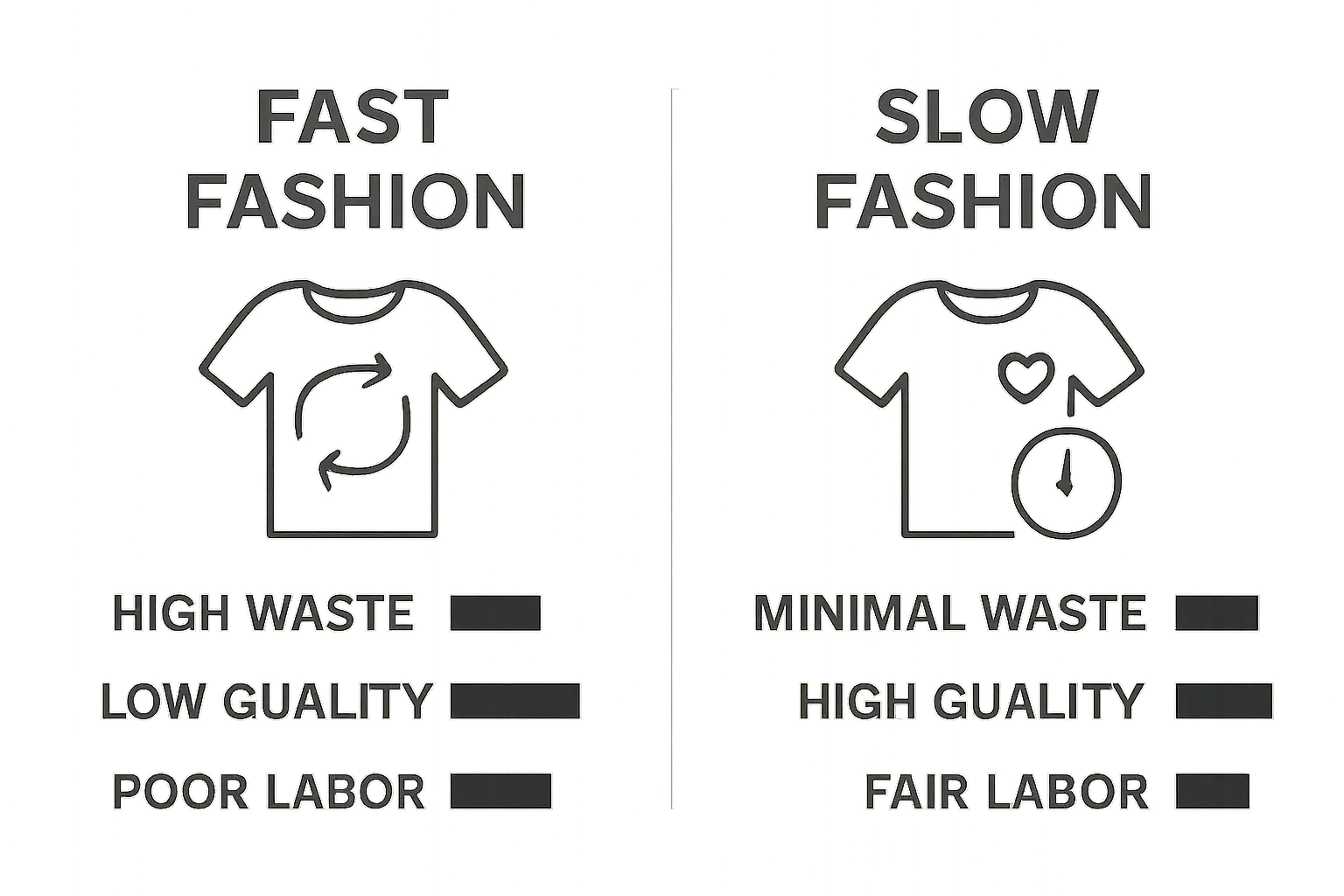 It is a comprehensive social and economic movement challenging systemic waste, exploitation, and environmental degradation. Consumers who embrace this philosophy become active participants in transforming global fashion dynamics, promoting a more sustainable, ethical, and conscious approach to clothing production and consumption.
Key Concepts: Sustainability, Quality, and Ethical Practices
Slow fashion represents a holistic approach that intertwines sustainability, exceptional quality, and ethical manufacturing practices. These interconnected principles form the foundation of a transformative movement challenging conventional clothing production models. According to research from the Sustainable Apparel Coalition, these concepts are critical in reshaping the global textile industry’s environmental and social impact.
Sustainability as a Core Philosophy
Sustainability in slow fashion goes beyond environmental considerations. It encompasses a comprehensive strategy that addresses ecological preservation, resource conservation, and long-term systemic change. This approach recognizes that clothing production is intricately linked with broader environmental and social ecosystems.
Key sustainability principles include:
- Minimizing carbon footprint
- Using renewable and recycled materials
- Reducing water consumption
- Implementing circular design strategies
- Protecting biodiversity through responsible sourcing
Quality and Ethical Manufacturing
Slow fashion elevates quality from a mere aesthetic consideration to a fundamental ethical commitment. Garments are meticulously crafted to ensure durability, functionality, and timeless design. By understanding sustainable clothing choices, consumers become active participants in challenging disposable fashion culture.
Ethical practices in manufacturing focus on:
- Ensuring fair worker compensation
- Providing safe working environments
- Supporting local and artisanal production
- Transparent supply chain management
- Respecting cultural and labor rights
By integrating sustainability, quality, and ethical practices, slow fashion offers a profound alternative to traditional clothing production.
The table below organizes key sustainability and ethical principles central to the slow fashion movement along with practical examples from the article.
| Principle | Description | Example from Article |
|---|---|---|
| Quality over Quantity | Producing fewer, higher-quality garments | Investing in durable, timeless pieces |
| Sustainable Materials | Using organic, recycled, or renewable materials | Brands using recycled or organic fabrics |
| Ethical Manufacturing | Ensuring fair wages and worker protections | Commitment to fair labor practices |
| Reducing Waste | Minimizing textile waste and disposable trends | Repairing, upcycling, and long-lasting design |
| Supporting Local Artisans | Backing local or small-scale producers | Strengthening communities through artisan brands |
| Transparent Supply Chains | Providing full visibility into sourcing and operations | Brands offering supply chain transparency |
| Circular Economy | Designing for repair, reuse, and recycling | Implementing circular design strategies |
Real-World Examples of Slow Fashion in Action
Slow fashion transcends theoretical concepts, manifesting through innovative brands, conscious designers, and transformative consumer practices. According to the Global Fashion Agenda, practical implementations of slow fashion demonstrate tangible pathways toward sustainable clothing ecosystems.
Innovative Sustainable Brands
Numerous fashion brands have pioneered slow fashion principles, showing that ethical production and design excellence can coexist. These organizations prioritize transparency, sustainable materials, and responsible manufacturing processes. They prove that fashion can be both aesthetically pleasing and environmentally conscious.
Standout examples include brands that:
- Use recycled or organic materials
- Implement circular design principles
- Provide complete supply chain transparency
- Create timeless, durable garment collections
- Support local artisan communities
Consumer-Driven Transformation
Individual consumers play a crucial role in driving slow fashion momentum. Through deliberate purchasing decisions and exploring functional fashion approaches, people are reshaping clothing consumption patterns. This involves strategies like:
- Investing in versatile, high-quality pieces
- Practicing clothing repair and upcycling
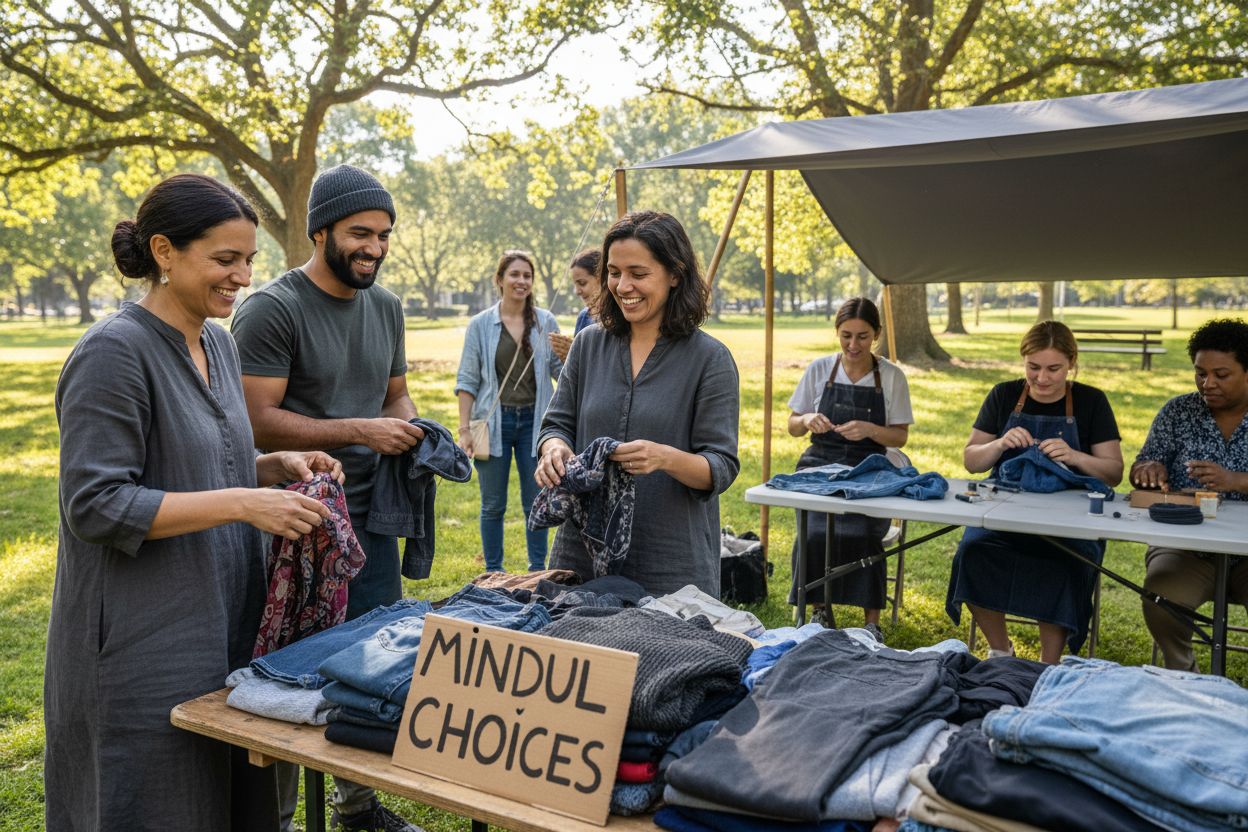
- Participating in clothing swap events
- Supporting local and ethical fashion brands
- Minimizing impulse purchases
By embracing these practical approaches, consumers directly contribute to reducing textile waste, supporting ethical labor practices, and challenging the destructive fast fashion model. Each mindful clothing choice represents a small but significant step toward a more sustainable global fashion ecosystem.
Upgrade Your Wardrobe the Ethical Way with Maker of Jacket
Are you ready to make fashion choices that truly align with your sustainability goals? After learning about the slow fashion movement and its emphasis on quality, ethics, and lasting style, you may be searching for a brand that actually delivers on this promise. Fast fashion’s waste and questionable practices highlight the urgent need for responsible alternatives. Our team at Maker of Jacket understands your desire for clothing that feels personal and supports ethical production. Every jacket is made with intention so you can wear your values.
Stop settling for disposable trends and choose apparel that lasts. Experience premium craftsmanship, custom options, and a real commitment to slow fashion principles by exploring our extensive jacket collection at Maker of Jacket. Discover the difference high-quality materials and ethical practices can make in your closet. Shop now and take your next fashion step toward a more sustainable future.
Frequently Asked Questions
What is slow fashion?
Slow fashion is a thoughtful approach to clothing production and consumption that emphasizes sustainability, ethical manufacturing, and the creation of durable garments that challenge the fast fashion model.
What are the core principles of slow fashion?
The core principles of slow fashion include prioritizing quality over quantity, emphasizing sustainable and ethical production processes, supporting local artisans, creating longer-lasting garments, and minimizing environmental impact through conscious design.
How does slow fashion benefit the environment?
Slow fashion benefits the environment by reducing textile waste, lowering carbon emissions, minimizing water pollution from production, promoting organic and recycled materials, and encouraging circular economy principles in clothing production.
Why is slow fashion important for social and economic change?
Slow fashion is important for social and economic change because it champions fair labor practices, supports local artisan communities, and challenges exploitative production models, ultimately contributing to a more equitable and sustainable fashion ecosystem.


