

Understanding Sustainable Fashion Trends 2025: A Deep Dive

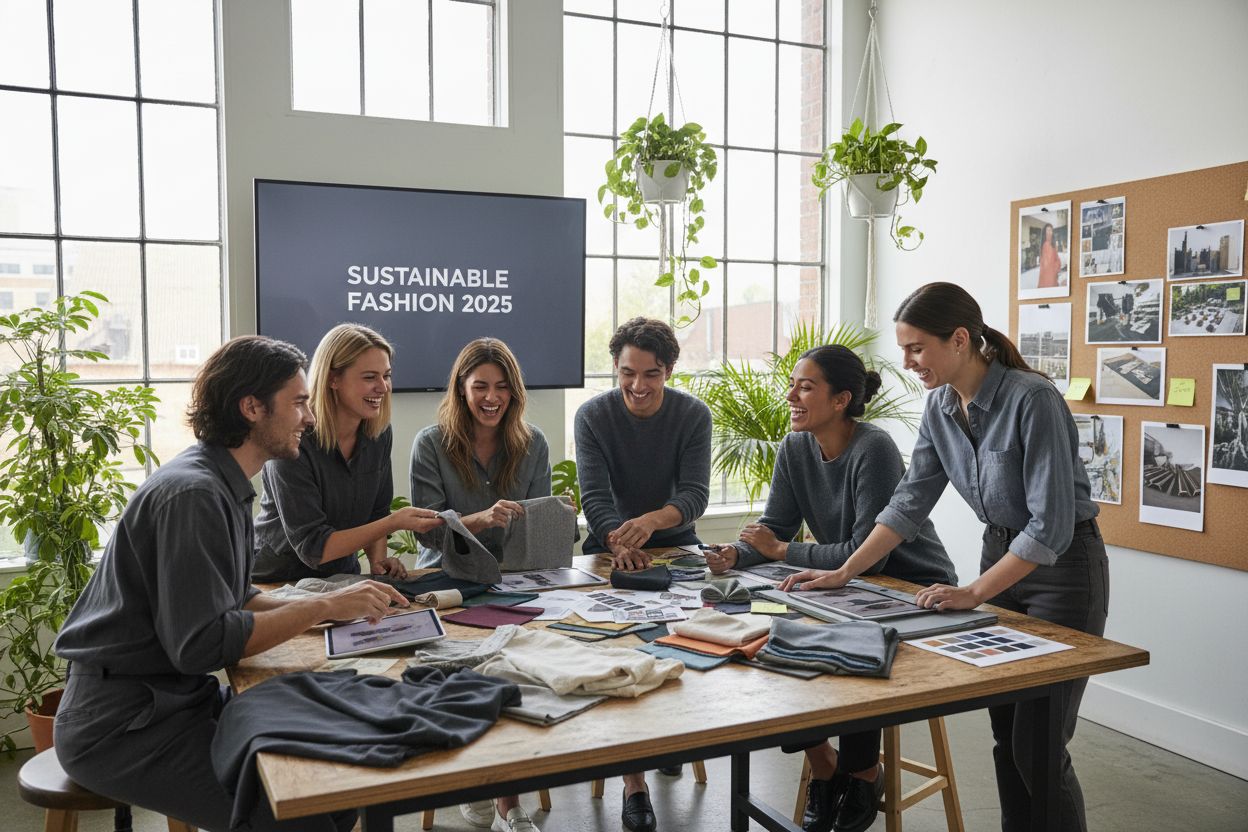
Sustainable fashion is changing the way people think about clothing and the environment. Most folks never realize that the global fashion industry generates about 2.1 billion tons of greenhouse gas emissions every year, more than all international flights and shipping combined. That number sounds shocking but what’s even more surprising is how much power each shopper holds to flip the script on fashion’s future.
Table of Contents
- What Is Sustainable Fashion And Its Importance?
- The Impact Of Fast Fashion On Environment And Society
- Key Features Of Sustainable Fashion Trends In 2025
- Innovative Materials And Technologies In Sustainable Fashion
- Consumer Behavior And Its Role In Sustainable Fashion
Quick Summary
| Takeaway | Explanation |
|---|---|
| Sustainable fashion reduces environmental harm | Emphasizes eco-friendly materials and waste reduction, addressing climate change issues. |
| Fast fashion exacerbates social inequalities | Low-cost production often leads to poor working conditions and systemic labor exploitation. |
| Technology drives sustainable innovations | Advancements like bioengineered fabrics and digital design tools support eco-conscious manufacturing. |
| Consumer choices shape the fashion industry | Growing demand for transparency and ethical practices compels brands to adopt sustainable measures. |
| Circular economy fosters responsible consumption | Emphasizes recycling and long-lasting product design, encouraging sustainable consumer behaviors. |
What is Sustainable Fashion and Its Importance?
Sustainable fashion represents a comprehensive approach to clothing design, production, and consumption that minimizes environmental impact and promotes social responsibility. This transformative concept goes beyond aesthetic appeal, focusing on creating fashion that respects both planetary boundaries and human welfare.
The Core Principles of Sustainable Fashion
Sustainable fashion fundamentally challenges traditional textile manufacturing by integrating ecological consciousness into every stage of garment creation. According to McKinsey & Company, the global fashion industry generates approximately 2.1 billion tons of greenhouse gas emissions annually, representing a significant environmental challenge that sustainable fashion aims to address.
The key principles of sustainable fashion include:
- Utilizing eco-friendly materials like organic cotton, recycled polyester, and renewable fibers
- Implementing ethical labor practices with fair wages and safe working conditions
- Reducing waste through circular design and recyclable clothing
- Minimizing carbon footprint during production and distribution
Environmental and Social Impact
Beyond environmental considerations, sustainable fashion represents a holistic approach to clothing production that prioritizes human dignity. United Nations Development Programme research highlights how sustainable fashion practices can positively impact multiple sustainable development goals, including responsible consumption, climate action, and decent work opportunities.
Sustainable fashion trends for 2025 are projected to emphasize transparency, technological innovation, and consumer education. By choosing sustainably produced clothing, individuals can actively participate in reducing global textile waste, supporting ethical manufacturing, and promoting a more responsible fashion ecosystem. Consumers increasingly recognize that their purchasing decisions have profound implications for environmental conservation and social equity.
The Impact of Fast Fashion on Environment and Society
Fast fashion represents a global phenomenon characterized by rapid production of inexpensive clothing designed to quickly meet current trend demands. This model has dramatically transformed the fashion industry, creating significant environmental and social challenges that extend far beyond aesthetic considerations.
Environmental Destruction and Resource Consumption
The fast fashion industry generates unprecedented environmental strain.
INFOGRAPHIC:infographic_content] According to [Ellen MacArthur Foundation, textile production produces more carbon emissions than international shipping and aviation combined. The environmental consequences are profound and multifaceted:
- Massive water consumption during textile manufacturing
- High chemical pollution from synthetic fabric production
- Extensive land usage for cotton and textile crop cultivation
- Significant waste generation with millions of garments discarded annually
Social and Economic Implications
Beyond environmental impacts, fast fashion perpetuates complex social inequalities. International Labour Organization research reveals systemic labor exploitation within global garment supply chains. Workers in developing countries often endure hazardous working conditions, minimal wages, and limited workplace protections.
The economic model of fast fashion creates a cycle of continuous consumption, encouraging consumers to repeatedly purchase low-cost clothing while generating substantial waste. This approach undermines sustainable production practices and contributes to global economic disparities. By prioritizing rapid turnover and minimal production costs, fast fashion manufacturers frequently compromise worker safety, environmental sustainability, and long-term economic stability in textile-producing regions.
Below is a comparison table outlining the differences between sustainable fashion and fast fashion across key aspects.
| Aspect | Sustainable Fashion | Fast Fashion |
|---|---|---|
| Environmental Impact | Minimizes harm through eco-friendly materials and low emissions | High pollution, resource use, and greenhouse gas emissions |
| Social Responsibility | Ensures fair labor practices and worker rights | Linked to labor exploitation and poor working conditions |
| Production Model | Focuses on quality, durability, and longevity | Mass-produces low-cost, short-lived clothing |
| Waste Management | Emphasizes recycling, circular design, and reduced waste | Encourages frequent disposal and generates significant textile waste |
| Consumer Role | Prioritizes informed, conscious purchasing | Promotes rapid, trend-driven consumption |
Key Features of Sustainable Fashion Trends in 2025
The sustainable fashion landscape in 2025 is poised to revolutionize how consumers and manufacturers approach clothing production, consumption, and lifecycle management. This emerging paradigm integrates technological innovation, environmental consciousness, and ethical manufacturing practices to create a more responsible fashion ecosystem.
Technological Innovation and Material Transformation
World Economic Forum research indicates that technological advancements will be crucial in driving sustainable fashion trends. Emerging materials and production techniques are set to dramatically reduce environmental impact while enhancing product quality and performance.
Key technological developments include:
- Bio-engineered fabrics created from agricultural waste
- Advanced recycling technologies that transform post-consumer textiles
- Digital design tools minimizing material waste during production
- Blockchain tracking for transparent supply chain management
Circular Economy and Consumer Engagement
Sustainable fashion in 2025 will increasingly emphasize circular economy principles, transforming how consumers interact with clothing. Ellen MacArthur Foundation research suggests that circular design models will become mainstream, encouraging longer product lifecycles and reducing waste. Consumers will be more actively involved in sustainable fashion choices through rental platforms, repair services, and recyclable clothing options.
The future of sustainable fashion transcends mere environmental responsibility. It represents a comprehensive reimagining of the fashion ecosystem, where technological innovation, ethical production, and conscious consumption converge to create meaningful, lasting change. By 2025, sustainable fashion will no longer be a niche trend but a fundamental expectation for environmentally aware consumers worldwide.
The table below summarizes some of the most significant technological and material innovations shaping sustainable fashion trends in 2025.
| Innovation Area | Example/Application | Environmental Benefit |
|---|---|---|
| Bioengineered Fabrics | Fabrics made from agricultural waste | Reduces need for virgin resources, lowers emissions |
| Advanced Recycling | Chemical recycling of post-consumer textiles | Diverts clothing from landfills, enables high-quality reuse |
| Digital Design Tools | 3D modeling to minimize production waste | Lowers fabric waste and production inefficiencies |
| Biomaterials | Mushroom leather, fabrics from algae | Decreases water and chemical use, biodegradable |
| Blockchain Supply Chains | Transparent product tracing | Increases brand accountability and ethical sourcing |
Innovative Materials and Technologies in Sustainable Fashion
Sustainable fashion technologies are rapidly transforming textile production, pushing boundaries of ecological design and material innovation. These groundbreaking approaches represent a fundamental shift from traditional manufacturing methods towards more environmentally conscious and technologically advanced solutions.
Biomaterials and Regenerative Textile Design
Nature Sustainability research highlights emerging biomaterials as pivotal in sustainable fashion’s future. Innovative textile technologies now enable clothing production from unexpected organic sources, dramatically reducing environmental impact and creating entirely new material ecosystems.
Cutting-edge biomaterial innovations include:
- Leather alternatives crafted from mushroom mycelium
- Fabrics synthesized from agricultural waste like pineapple leaves
- Textiles generated from algae and bacterial cellulose
- Protein-based materials developed through precision fermentation
Advanced Recycling and Circular Technologies
Technological advancements are revolutionizing textile recycling processes. MIT Technology Review demonstrates how emerging technologies enable unprecedented fabric transformation and waste reduction. Chemical recycling techniques now allow complex textiles to be completely broken down and regenerated into high-quality materials, extending clothing lifecycles and minimizing environmental waste.
Sustainable fashion technologies in sustainable choices represent more than incremental improvements. They signal a comprehensive reimagining of textile production, where scientific innovation intersects with environmental stewardship. By integrating advanced materials science, biotechnology, and circular design principles, the fashion industry is developing solutions that could fundamentally reshape our approach to clothing production and consumption.
Consumer Behavior and Its Role in Sustainable Fashion
Consumer behavior represents a critical driving force in transforming the global fashion landscape, with individual purchasing decisions increasingly reflecting environmental consciousness and ethical considerations. As awareness grows, consumers are transitioning from passive buyers to active participants in sustainable fashion ecosystems.
Shifting Purchasing Motivations
Consumer Sustainability Research Institute indicates that modern consumers are fundamentally reimagining their relationship with clothing. Young generations particularly demonstrate a profound commitment to understanding product origins, manufacturing processes, and environmental implications of their fashion choices.
Key motivational shifts include:
- Prioritizing quality over quantity
- Demanding transparency from fashion brands
- Embracing second-hand and vintage clothing
- Supporting brands with verifiable sustainable practices
Consumer Education and Empowerment
Consumer education plays a pivotal role in driving sustainable fashion trends. Increasingly sophisticated consumers are leveraging digital platforms to research product sustainability, track supply chains, and make informed purchasing decisions. These informed choices create market pressure, compelling fashion brands to adopt more responsible production methods.
Moreover, consumers are actively participating in sustainable choices through innovative approaches like clothing rental services, repair workshops, and circular fashion platforms. By reimagining consumption as a collaborative process, consumers are transforming fashion from a linear model of production and disposal to a more regenerative, environmentally conscious ecosystem.
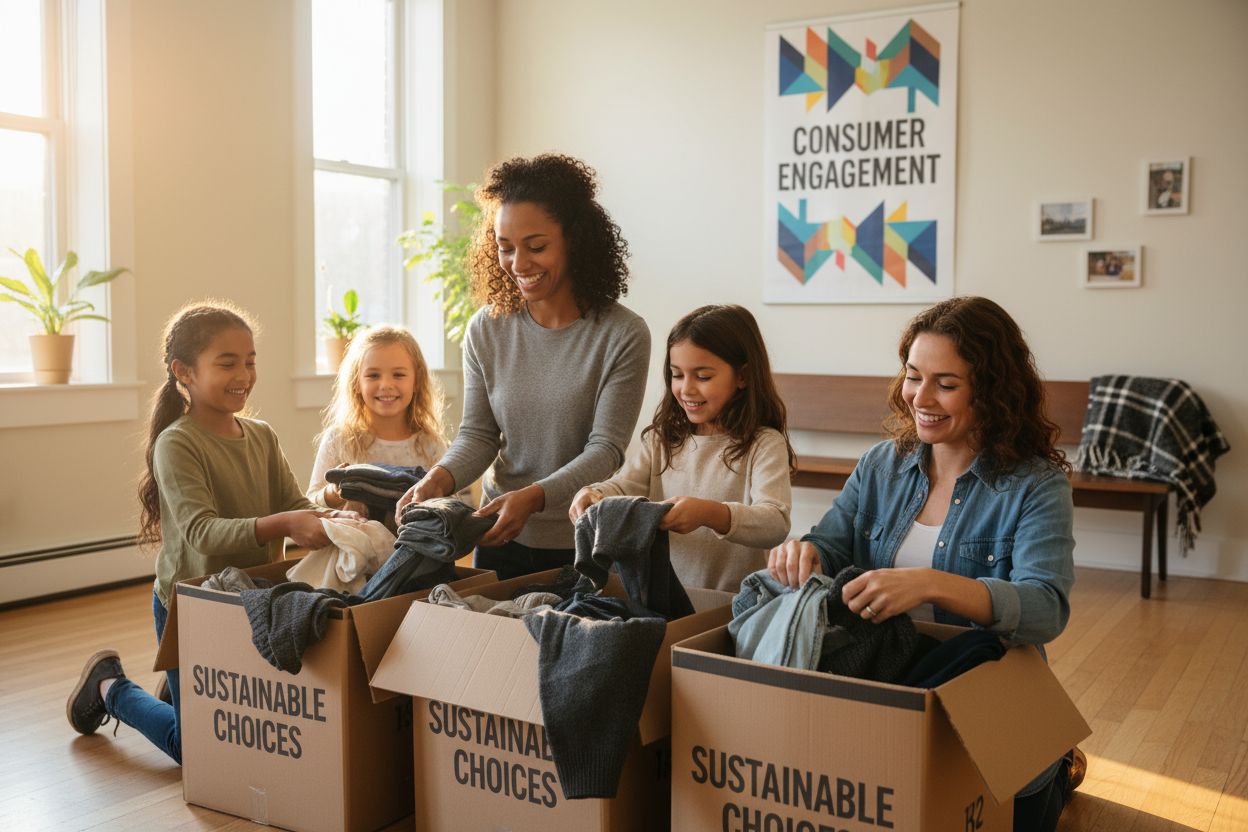
Step Into 2025 With Truly Sustainable Fashion Choices
Building on your passion for eco-friendly style and the push toward responsible consumption shared in this article, now is the moment to make sustainable fashion a personal reality. If you find yourself worried about environmental impact, the origin of your clothing, and want to say no to fast fashion, discover a new way to express your values with Maker of Jacket’s collection. Our curated selection is designed for those who seek both exceptional quality and ethical craftsmanship. Every piece speaks to the future-forward trends highlighted in “Understanding Sustainable Fashion Trends 2025.”
Choosing a sustainable, customizable jacket is a step toward reducing waste while making a bold style statement. Visit Maker of Jacket to experience premium options that embody conscious living. Want to explore more exclusive styles that fit the new era of fashion? Start browsing leather pants collection and put your commitment to sustainability into action today.
Frequently Asked Questions
What is sustainable fashion?
Sustainable fashion refers to clothing design, production, and consumption practices that minimize environmental impact and promote social responsibility. It emphasizes eco-friendly materials, ethical labor practices, and waste reduction throughout the garment lifecycle.
How does fast fashion impact the environment?
Fast fashion contributes significantly to environmental degradation through massive carbon emissions, excessive water usage, and high chemical pollution. The rapid production and disposal of inexpensive clothing lead to substantial textile waste and increased resource consumption.
What are the key principles of sustainable fashion trends expected by 2025?
The key principles include the use of eco-friendly materials, ethical labor practices, waste reduction via circular design, and minimizing carbon footprints during production and distribution. Transparency and technological innovation will also play crucial roles in these trends.
How can consumers contribute to sustainable fashion?
Consumers can contribute by making informed purchasing decisions, prioritizing quality over quantity, supporting brands with sustainable practices, embracing second-hand clothing, and participating in clothing rental and repair initiatives.


