

Understanding the Fashion Industry Glossary for Leather Enthusiasts


Fashion has its own secret code, especially when you step into the world of leather and high-end design. Most people think it’s just about style trends or choosing colors, but the real power sits with those who understand the specialized terms that shape the industry. Did you know some leather products are described with terminology so specific that it can impact their market value by up to 35 percent? Those industry words are more than definitions. They open doors to a whole new level of creativity, appreciation, and expertise.
Table of Contents
- What Is A Fashion Industry Glossary And Why It Matters?
- Key Terms In Fashion: Definitions And Context
- How Fashion Terminology Shapes Consumer Choices
- The Role Of Fashion Glossaries In Leather Fashion
- Understanding Trends Through Fashion Language
Quick Summary
| Takeaway | Explanation |
|---|---|
| Fashion glossaries enhance communication. | They provide standardized terminology that eliminates misunderstandings among industry professionals and consumers. |
| Understanding terminology is crucial for consumers. | Knowledge of fashion language empowers consumers to make informed decisions and appreciate craftsmanship in leather fashion. |
| Technical terms influence purchasing decisions. | Specific language creates perceived value and emotional connections, impacting how consumers view and buy leather products. |
| Glossaries support professional development. | They act as educational tools, facilitating learning and ensuring accurate communication across different sectors in fashion. |
| Fashion terminology reflects cultural trends. | The language of fashion evolves, revealing shifts in consumer sentiment and emerging trends in the leather industry. |
What is a Fashion Industry Glossary and Why it Matters?
A fashion industry glossary represents a comprehensive reference tool that systematically defines specialized terminology, technical language, and professional jargon specific to leather fashion, apparel design, and manufacturing processes. This linguistic resource serves as a critical navigational guide for leather enthusiasts, designers, manufacturers, and consumers seeking to understand the intricate language of fashion and leather production.
Understanding the Purpose of a Fashion Industry Glossary
The primary purpose of a fashion industry glossary extends far beyond simple word definitions. It acts as an educational bridge connecting professionals, enthusiasts, and consumers by providing clear, standardized explanations of complex technical terms. For leather enthusiasts and professionals, this glossary becomes an essential communication tool that ensures precise understanding across different segments of the fashion ecosystem.
Key functions of a fashion industry glossary include:
- Facilitating clear communication between designers, manufacturers, and retailers
- Eliminating misunderstandings caused by technical terminology
- Providing a standardized reference point for industry-specific language
- Supporting professional development and learning
Importance in Leather Fashion and Manufacturing
In the specialized world of leather fashion, a glossary becomes particularly crucial. Leather production involves numerous technical processes, material variations, and craftsmanship techniques that require precise language. The Leather Industries of America emphasizes that understanding technical terminology is fundamental to quality control, design innovation, and effective communication.
For leather enthusiasts and professionals, a comprehensive glossary helps decode complex terms related to leather types, tanning processes, cutting techniques, and design specifications. Whether you are a motorcycle jacket collector, a custom leather apparel designer, or a fashion-conscious consumer, mastering industry-specific language empowers you to make informed decisions and appreciate the intricate craftsmanship behind leather products.
Understanding the nuanced language of leather fashion transforms passive consumers into knowledgeable enthusiasts who can appreciate the technical artistry and detailed craftsmanship inherent in high-quality leather apparel.
Key Terms in Fashion: Definitions and Context
The fashion industry encompasses a complex landscape of specialized terminology that reflects its artistic, technical, and commercial dimensions. Understanding these key terms provides insight into the intricate world of leather fashion, design processes, and professional communication.
Essential Leather and Fashion Terminology
Fashion terminology serves as a sophisticated language that communicates nuanced details about materials, design techniques, and aesthetic principles. Leather enthusiasts and professionals rely on precise definitions to ensure accurate understanding and effective collaboration across different production stages.
Critical leather and fashion terms include:
- Grain: The outer surface texture of leather, indicating its quality and origin
- Tanning: Chemical process of treating animal hide to prevent decomposition
- Patina: Natural aging process that develops unique color variations in leather
- Aniline: A transparent dye that preserves the leather’s natural surface characteristics
Professional Classification and Design Concepts
The Fashion Institute of Technology highlights that professional fashion terminology goes beyond simple descriptions, representing complex technical and artistic concepts. In leather fashion, terms like “vegetable tanning” and “full-grain leather” represent specific production methodologies that significantly impact a garment’s quality, durability, and aesthetic appeal.
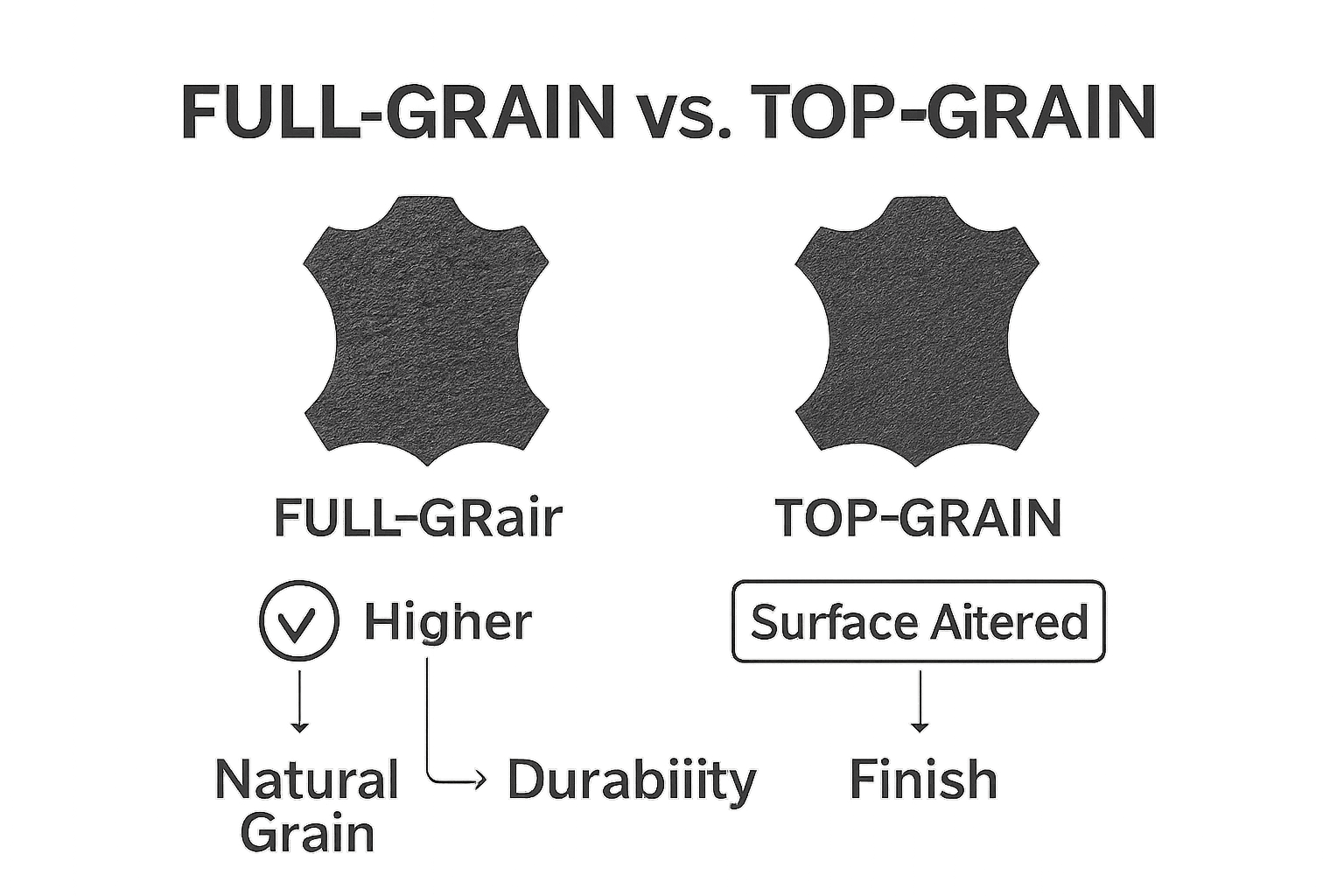
Design professionals use specialized language to communicate intricate details about texture, construction, and material properties. Explore our guide on functional fashion to understand how technical terminology bridges creative vision with practical manufacturing requirements.
The vocabulary of fashion is dynamic, continuously evolving with technological advancements, cultural influences, and innovative design practices. For leather enthusiasts and professionals, mastering these terms transforms technical language into a rich, meaningful dialogue about craftsmanship, creativity, and industrial expertise.
How Fashion Terminology Shapes Consumer Choices
Language plays a pivotal role in consumer decision-making within the fashion industry, particularly in leather apparel where technical terminology can dramatically influence purchasing behaviors. The precise words used to describe leather products create powerful psychological triggers that impact perception, value assessment, and ultimately, buying decisions.
Psychological Impact of Fashion Terminology
Fashion terminology goes far beyond mere description. It serves as a sophisticated communication tool that connects emotional and rational aspects of consumer choice. Specific terms can elevate a product from ordinary to extraordinary, transforming consumer perception through carefully selected linguistic descriptions.
Key psychological influences include:
- Creating perceived value through technical language
- Establishing product authenticity and credibility
- Triggering emotional connections with product narratives
- Communicating quality and craftsmanship indirectly
Technical Language and Consumer Perception
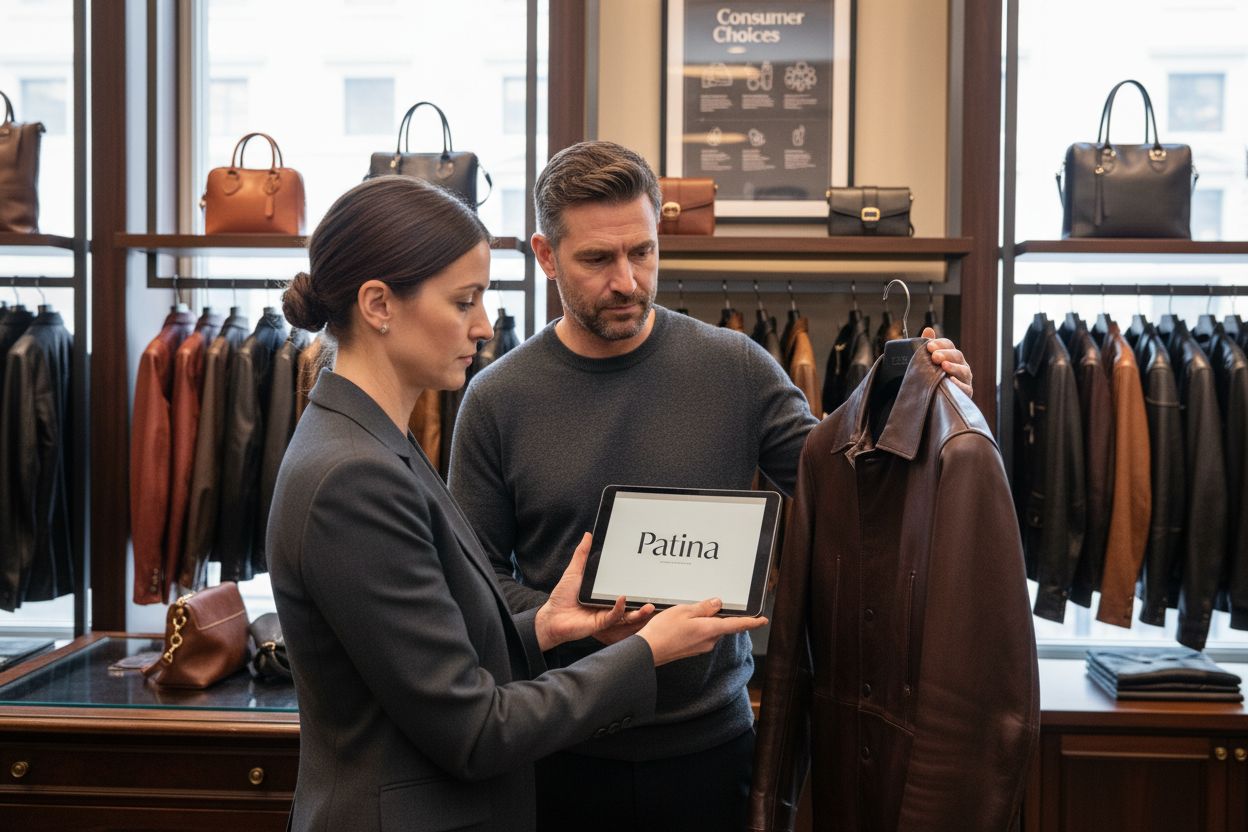
The Journal of Consumer Research reveals that consumers interpret technical terminology as indicators of expertise and quality. In leather fashion, terms like “full-grain,” “vegetable-tanned,” and “hand-finished” signal craftsmanship and premium manufacturing processes that justify higher price points.
Explore our fashion choices guide to understand how nuanced language transforms consumer understanding. Professional leather terminology serves as a bridge between technical production details and consumer emotional engagement, helping buyers feel more connected to the product’s story and manufacturing heritage.
Consumers increasingly seek transparency and detailed information.
Here is a table summarizing essential leather and fashion terms to provide readers with clear definitions and context for each concept mentioned in the article.
| Term | Definition |
|---|---|
| Grain | The outer surface texture of leather, indicating its quality and origin. |
| Tanning | Chemical process of treating animal hide to prevent decomposition. |
| Patina | Natural aging process that develops unique color variations in leather. |
| Aniline | A transparent dye that preserves the leather’s natural surface characteristics. |
| Full-grain | The highest quality leather that includes the whole grain layer, with minimal processing. |
| Vegetable tanning | Eco-friendly tanning method using natural plant extracts for processing leather. |
| Hand-finished | Leather that undergoes final detailing and finishing by skilled artisans. |
The Role of Fashion Glossaries in Leather Fashion
Fashion glossaries represent more than simple reference documents. They are comprehensive knowledge repositories that bridge technical understanding, professional communication, and consumer education within the complex world of leather fashion. By systematically organizing and defining specialized terminology, these glossaries play a critical role in standardizing industry language and facilitating meaningful interactions across different professional segments.
Knowledge Transmission and Professional Communication
In leather fashion, glossaries function as essential communication tools that translate complex technical concepts into understandable language. Professional expertise is frequently communicated through precise, specialized terminology that requires careful definition and context. These linguistic resources enable designers, manufacturers, retailers, and consumers to speak a common language, reducing misunderstandings and promoting more effective collaboration.
Key functions of leather fashion glossaries include:
- Standardizing technical language across different production stages
- Preserving traditional craftsmanship knowledge
- Supporting professional training and education
- Facilitating cross-cultural and international communication
Educational and Cultural Significance
The Leather Research Laboratory emphasizes that fashion glossaries are not merely technical documents but cultural artifacts that capture the evolving narrative of craftsmanship and design. Check out our leather wardrobe tips to understand how comprehensive terminology enhances consumer understanding and appreciation.
These glossaries document the rich historical and technical evolution of leather production, serving as living archives that record changes in manufacturing techniques, design philosophies, and material innovations. By providing clear, comprehensive definitions, they transform complex technical knowledge into accessible information that empowers both professionals and enthusiasts to deeper understanding and appreciation of leather fashion’s intricate world.
Understanding Trends Through Fashion Language
Fashion language serves as a dynamic lens through which emerging trends, cultural shifts, and design innovations are interpreted and communicated. In leather fashion, this specialized vocabulary acts as a sophisticated translation mechanism that transforms aesthetic movements and consumer preferences into comprehensible narratives.
Decoding Trend Semantics
Trend language goes beyond simple descriptive terms, functioning as a complex system of communication that reflects broader social, cultural, and technological transformations. Leather fashion terminology captures nuanced shifts in design philosophy, consumer sentiment, and manufacturing techniques, providing insights into the ever-evolving landscape of style and functionality.
Key linguistic indicators of fashion trends include:
- Emergence of new descriptive terms
- Shifts in material description terminology
- Changes in aesthetic and functional vocabulary
- Evolution of design-related linguistic patterns
Cultural and Technological Reflections
The Fashion Institute of Technology highlights that fashion language is not static but a living, breathing ecosystem that continuously adapts to global changes. Explore our latest fashion trends to understand how terminology evolves with technological and cultural developments.
In leather fashion, terms like “sustainable leather,” “circular design,” and “bio-based materials” reflect deeper transformations in consumer consciousness, manufacturing ethics, and environmental awareness. These linguistic shifts are more than mere marketing strategies—they represent fundamental changes in how society perceives fashion, craftsmanship, and technological innovation.
The ability to understand and interpret fashion language provides professionals and enthusiasts with a powerful tool for anticipating, analyzing, and participating in the dynamic world of leather fashion. By closely observing linguistic trends, one can gain profound insights into the complex interplay of design, technology, culture, and consumer preferences.
Turn Fashion Language Into Your Own Style Statement
Learning the meaning of technical leather terms is only the beginning. The real value comes when you can put that knowledge to use and choose the perfect leather piece that truly matches your taste. If understanding phrases like full-grain or aniline is important to you, then selecting jackets with craftsmanship and customized options should be just as personal. See how our Maker of Jacket’s collection brings high-quality terminology to life with every unique jacket we create.
Ready to transform your new understanding into action? Discover exclusive designs, custom fits, and premium finishes at Maker of Jacket. Start browsing now and experience the difference of owning leather apparel made for your exact needs. Shop today and wear your expertise with confidence.
Frequently Asked Questions
What is a fashion industry glossary?
A fashion industry glossary is a comprehensive reference tool that defines specialized terminology and technical language specific to fashion, particularly focused on leather production and apparel design.
Why is understanding fashion terminology important for leather enthusiasts?
Understanding fashion terminology helps leather enthusiasts and professionals communicate effectively, reduces misunderstandings, and enhances appreciation of the craftsmanship involved in leather products.
What are some key terms commonly used in leather fashion?
Key terms in leather fashion include “grain” (the outer surface texture), “tanning” (the process of treating hides), “patina” (natural aging), and “aniline” (a type of dye that maintains leather’s natural characteristics).
How does fashion terminology affect consumer choices?
Fashion terminology impacts consumer choices by creating perceived value and establishing authenticity. Technical terms can enhance the emotional connection to a product, affecting the decision to purchase.


