

Understanding the Future of Fashion Technology Today

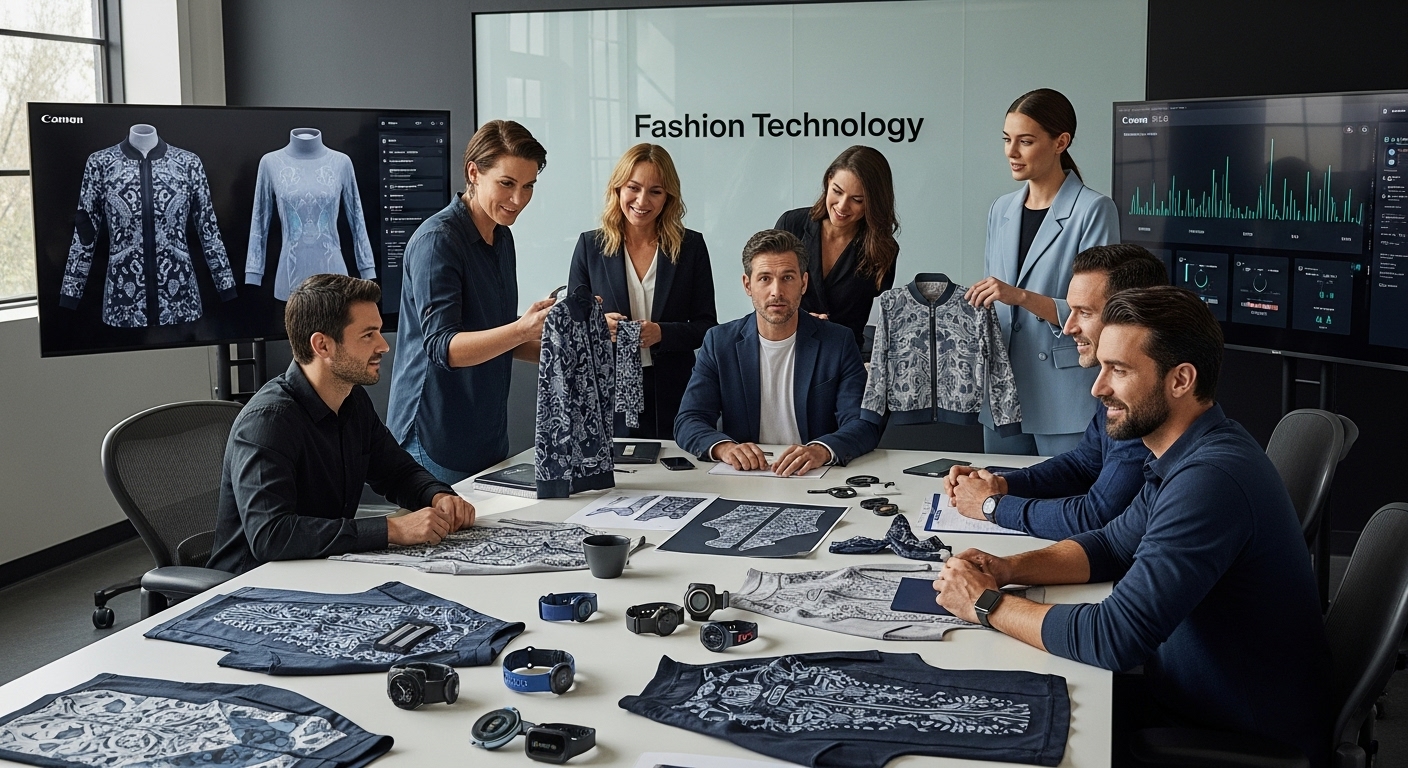
Fashion technology is turning closets into cutting-edge labs. Designers are now collaborating with engineers to push far past ordinary fabrics and buttons. The real shock is that smart textiles can track your health, sense the weather, and even change with your environment. Most people still think fashion is only about style or trends. The truth is, today’s clothing can actually interact with your body and surroundings in ways nobody would have guessed just a decade ago.
Table of Contents
- What Is Fashion Technology And Its Evolution?
- Why The Future Of Fashion Technology Matters
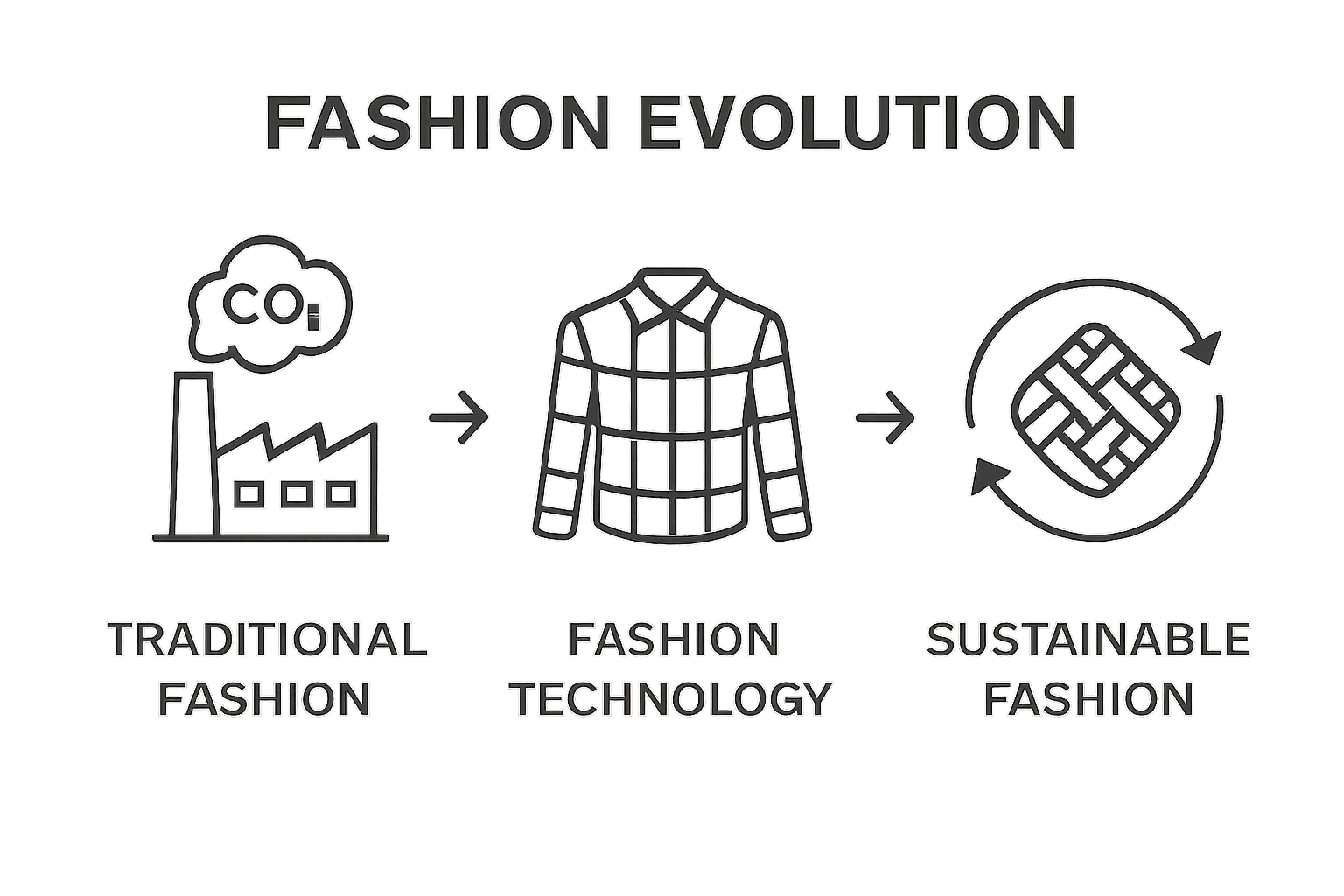
- How Technology Transforms Fashion Sustainability
- Innovations In Wearable Tech And Smart Apparel
- The Role Of AI And Data In Shaping Fashion Trends
Quick Summary
| Takeaway | Explanation |
|---|---|
| Fashion technology integrates design and technology | This field combines digital solutions, smart technologies, and advanced materials to enhance clothing and accessories. |
| Wearable tech promotes health and personalization | Smart apparel can monitor health metrics and adapt to personal needs, improving user experience and functionality. |
| AI enhances trend forecasting and design | Algorithms analyze data to predict fashion trends and assist in creating personalized designs, boosting market relevance. |
| Sustainability is prioritized through technology | Innovations reduce material waste and carbon footprints, leading to more responsible fashion production and consumption. |
| Digital design minimizes production waste | Technologies like virtual prototyping help designers minimize waste and improve efficiency in the design process. |
What is Fashion Technology and Its Evolution?
Fashion technology represents the innovative intersection of design, technology, and clothing, transforming how we perceive, create, and interact with apparel. This emerging field goes beyond traditional fashion boundaries, integrating digital solutions, advanced materials, and smart technologies into clothing and accessories.
The Digital Transformation of Fashion
The future of fashion technology is not just about aesthetics but functionality and personalization. Designers and engineers are collaborating to develop clothing that adapts to environmental conditions, monitors health metrics, and provides enhanced user experiences. Research from the National Academies Press highlights how smart textiles are revolutionizing our understanding of wearable technology.
Key characteristics of modern fashion technology include:
- Integration of electronic components into fabric
- Real-time data tracking and analysis
- Enhanced performance and comfort
- Personalized user interactions
Emerging Technologies Reshaping Fashion
Technological innovations are fundamentally restructuring the fashion landscape. Artificial intelligence now enables precise pattern design and personalized recommendations. 3D printing allows unprecedented customization, while nanotechnology creates self-cleaning and temperature-regulating fabrics.
The evolution of fashion technology represents more than just aesthetic advancement. It signals a profound shift towards intelligent, responsive clothing that understands and anticipates human needs. From health monitoring smart shirts to temperature-adaptive jackets, these innovations demonstrate how technology can make fashion more functional, sustainable, and deeply personal.
To clarify the major technological advancements influencing fashion today, the following table summarizes the most important emerging technologies and their roles.
| Technology | Description | Example Impact |
|---|---|---|
| Artificial Intelligence | Algorithms analyze data for design, trends, and demand | Personalized recommendations and trend prediction |
| 3D Printing | Layer-by-layer fabrication of custom clothing | On-demand, highly customizable garments |
| Nanotechnology | Manipulation of materials at molecular level | Self-cleaning, temperature-regulating fabrics |
| Smart Textiles | Fabrics with embedded sensors or electronics | Health tracking, weather adaptation in apparel |
| Blockchain | Secure, transparent digital recording of transactions | Production traceability and anti-counterfeiting |
| Digital Design Software | Virtual visualization and prototyping of apparel | Reduced waste and faster iteration cycles |
As we look toward the future, fashion technology promises to blur the lines between clothing, personal technology, and individual expression, creating garments that are not just worn, but experienced.
Why the Future of Fashion Technology Matters
The future of fashion technology represents more than mere technological advancement. It embodies a transformative approach to how we understand, produce, consume, and interact with clothing. This paradigm shift addresses critical global challenges while simultaneously creating unprecedented opportunities for innovation and personal expression.
Sustainability and Environmental Impact
Research from the World Economic Forum reveals that the fashion industry contributes approximately 10% of annual global carbon emissions. Fashion technology emerges as a powerful solution to mitigate these environmental challenges through intelligent design and production strategies.
The table below organizes the key environmental benefits of fashion technology, highlighting how these innovations address sustainability challenges mentioned in the article.
| Environmental Benefit | Description |
|---|---|
| Reduced Material Waste | Precision manufacturing minimizes offcuts and leftovers |
| Enhanced Fabric Recycling | Advanced sorting and reuse technologies improve recycling rates |
| Lower Carbon Footprint | Energy-efficient production methods reduce emissions |
| Efficient Resource Utilization | Data-driven planning optimizes use of water and materials |
Key environmental benefits include:
- Reduced material waste through precision manufacturing
- Enhanced fabric recycling capabilities
- Lower carbon footprint in production processes
- More efficient resource utilization
Economic and Personal Transformation
Beyond environmental considerations, fashion technology drives significant economic and personal transformations. Intelligent clothing can now monitor health metrics, adapt to environmental conditions, and provide personalized experiences. These technological integrations create new economic models and personal empowerment opportunities.
Consumers increasingly seek functional fashion that goes beyond traditional aesthetic considerations. Technology enables clothing that responds dynamically to individual needs, from temperature regulation to health monitoring, representing a profound shift in how we perceive garments.
As technological capabilities expand, fashion becomes a sophisticated interface between human bodies and digital ecosystems. The future of fashion technology is not just about what we wear, but how our clothing understands, protects, and enhances our daily experiences.
How Technology Transforms Fashion Sustainability
Technology is revolutionizing sustainability in the fashion industry, addressing long-standing environmental challenges through innovative solutions that reimagine design, production, and consumption processes. This transformation represents a critical shift towards more responsible and efficient fashion ecosystems.
Digital Design and Resource Optimization
Research from the United Nations highlights how digital technologies are dramatically reducing waste and improving industrial efficiency. Advanced 3D visualization software enables designers to prototype and test designs virtually, minimizing material consumption and eliminating unnecessary physical samples.
Key technological interventions include:
- Virtual clothing prototyping
- Precise material estimation algorithms
- Digital fabric simulation technologies
- Predictive demand forecasting systems
Manufacturing and Supply Chain Innovation
Technology enables unprecedented transparency and traceability in fashion manufacturing. Blockchain technologies and advanced tracking systems allow consumers and brands to monitor the entire production journey, ensuring ethical practices and reducing environmental impact. Sustainable fashion now means more than ecological materials it represents a comprehensive approach to responsible production.
Artificial intelligence and machine learning algorithms help optimize supply chains, predicting demand more accurately and reducing overproduction. These technologies enable brands to create more targeted, efficient production strategies that minimize waste and resource consumption.
The intersection of technology and sustainability signals a profound reimagining of fashion’s future.
By leveraging digital innovations, the industry can transform from a significant environmental contributor to a model of responsible, intelligent design and production.
Innovations in Wearable Tech and Smart Apparel
Wearable technology represents a groundbreaking convergence of textiles, electronics, and digital intelligence, transforming clothing from passive coverings to active, responsive interfaces that interact with and enhance human experiences. This technological revolution goes far beyond simple gadget integration, reimagining apparel as intelligent systems that monitor, adapt, and communicate.
The following table presents key capabilities of wearable tech and smart apparel, outlining both their technological basis and their applications in daily life.
| Capability | Technological Basis | Real-World Application |
|---|---|---|
| Biometric Monitoring | Embedded sensors | Tracking heart rate and stress levels |
| Environmental Adaptation | Smart materials | Clothing that adjusts to temperature |
| Wireless Data Transmission | Conductive fabrics | Syncing health data to devices |
| Energy Harvesting | Flexible polymers, nanomaterials | Charging wearable devices from motion |
Advanced Materials and Sensor Integration
Research from the Science and Technology Center for Materials and Devices for Information Technology Research reveals extraordinary developments in smart textile technologies. Conductive fabrics, flexible polymers, and nanomaterials now enable clothing to perform complex functions previously unimaginable.
Key technological capabilities include:
- Embedded biometric monitoring systems
- Temperature and environmental adaptive materials
- Wireless data transmission through fabric
- Energy harvesting from body movement
Health and Performance Applications
Smart apparel now serves as sophisticated health monitoring platforms. Compression garments with integrated sensors can track heart rate, muscle oxygen levels, and stress responses in real time. Athletes and medical professionals benefit from unprecedented insights into physiological performance and potential health risks.
Innovative fashion trends are emerging where clothing becomes an active participant in personal wellness. Jackets that regulate body temperature, shirts that monitor cardiac health, and shoes that analyze gait and potential injury risks demonstrate how technology is transforming apparel from passive protection to proactive health management.
As wearable technology continues evolving, the boundaries between clothing, personal technology, and healthcare are becoming increasingly blurred. The future of smart apparel promises not just aesthetic innovation, but a fundamental reimagining of how technology interfaces with human biology and daily experience.

The Role of AI and Data in Shaping Fashion Trends
Artificial intelligence and data analytics are fundamentally transforming how fashion trends emerge, evolve, and propagate across global markets. This technological revolution goes beyond traditional trend forecasting, enabling unprecedented precision in understanding consumer preferences, design innovation, and predictive modeling.
Predictive Trend Analysis
Research from Arizona State University demonstrates how AI algorithms can now analyze massive datasets to predict fashion trends with remarkable accuracy. Machine learning models can process millions of social media images, runway photographs, and consumer behavior patterns to identify emerging style trajectories before they become mainstream.
Key AI trend analysis capabilities include:
- Real-time global style pattern recognition
- Sentiment analysis of fashion consumer preferences
- Rapid trend lifecycle prediction
- Micro trend identification across demographic segments
Design and Personalization
Generative AI technologies are revolutionizing the design process, enabling designers to explore creative possibilities that were previously unimaginable. Neural networks can now generate unique clothing designs, suggest color combinations, and even predict potential consumer reception before physical prototyping.
These intelligent systems transform fashion trends by providing designers with data-driven insights. By analyzing historical fashion data, consumer preferences, and emerging cultural signals, AI helps brands create more targeted, personalized, and potentially successful fashion collections.
The convergence of artificial intelligence and fashion represents more than a technological trend it signals a fundamental shift in how creativity, data, and human expression interact in the design ecosystem. As these technologies continue evolving, the boundaries between algorithmic prediction and human creativity become increasingly fluid and fascinating.
To assist readers in understanding how AI is applied to fashion, this table highlights fundamental AI-powered functions transforming the fashion industry.
| AI Capability | Description | Example Use Case |
|---|---|---|
| Trend Prediction | AI models forecast emerging styles | Brands launch collections based on data |
| Sentiment Analysis | Reviews and social media mined for opinions | Designers adapt based on consumer mood |
| Generative Design | Neural networks create new clothing concepts | Automatic generation of seasonal looks |
| Personalization | Algorithms optimize suggestions for individuals | Custom-fit recommendations for shoppers |
Experience the Future of Fashion with Maker of Jacket
As innovations in fashion technology transform what we wear and how we wear it, finding truly advanced apparel remains a challenge. You want clothing that merges style with smart function, but the marketplace is often slow to keep up. The pain of settling for basic jackets or missing out on personalization is real, especially when today’s trends focus on intelligent, customizable solutions just like those explored in this article.
Step into the next era of fashion with Maker of Jacket’s collection, where advanced materials and personalized options capture the best of modern design.
Why wait for wearable tech and individualized fashion to arrive tomorrow when you can have it now? Discover premium, tailor-made jackets engineered for your unique needs at Maker of Jacket. Explore functional fashion that brings futuristic trends to your wardrobe and order your own customizable statement piece today.
Frequently Asked Questions
What is fashion technology?
Fashion technology refers to the innovative intersection of design and technology in clothing, transforming how we create and interact with fashion through smart textiles and digital solutions.
How is technology improving sustainability in the fashion industry?
Technology enhances sustainability by reducing material waste through precise manufacturing, improving recycling capabilities, and optimizing resource utilization in production processes.
What are some examples of wearable technology in fashion?
Examples of wearable technology include smart shirts that monitor health metrics, temperature-regulating jackets, and compression garments that provide real-time physiological insights.
How does artificial intelligence influence fashion trends?
Artificial intelligence influences fashion trends by analyzing large datasets to predict emerging styles, providing insights for design personalization, and facilitating rapid trend lifecycle predictions.


