

Understanding Social Media Influence on Fashion Choices

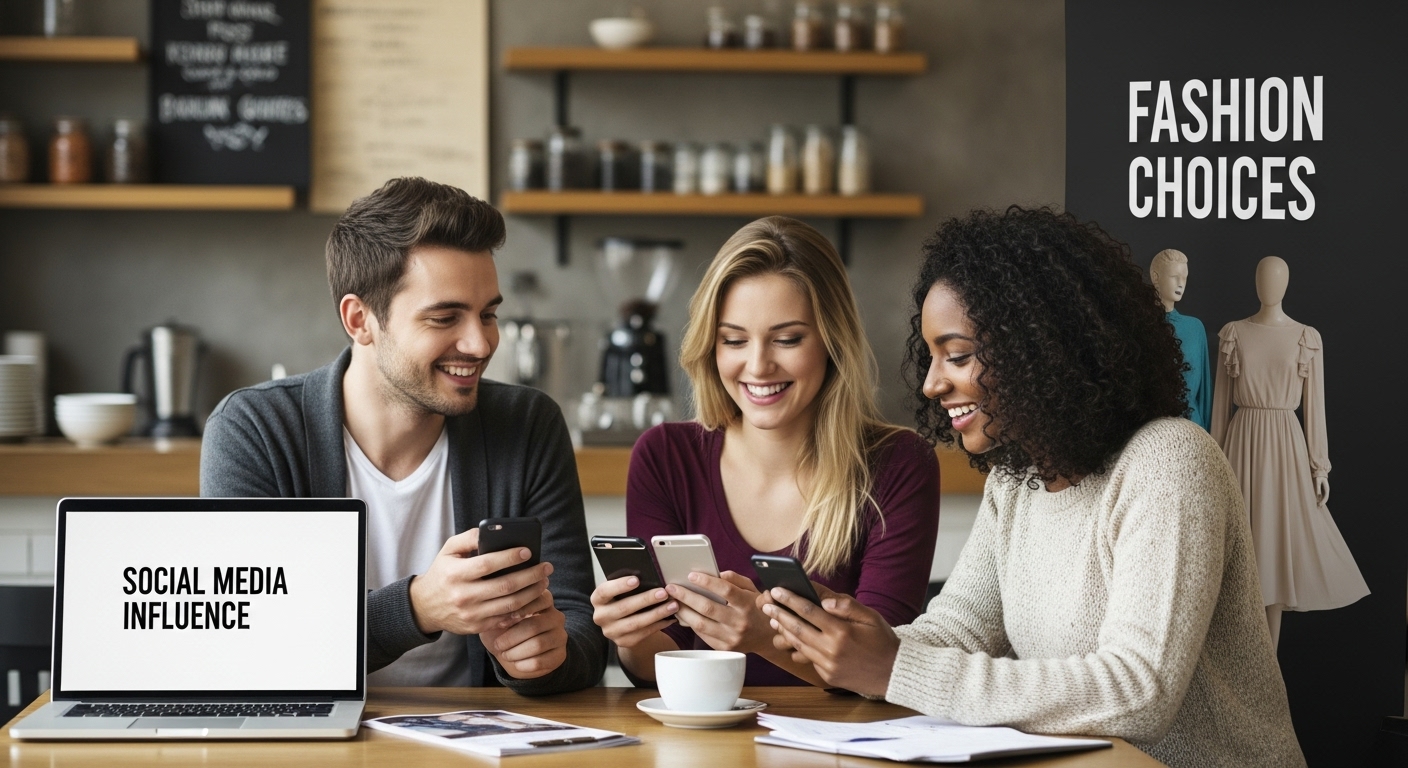
Social media has completely changed how people discover and share fashion. A style can go from a niche idea to a worldwide trend in just hours, thanks to platforms like Instagram and TikTok. You might think only designers and fashion houses still decide what’s in style. Actually, it’s everyday people who set the pace, making the newest looks travel faster and further than ever before.
Table of Contents
- What Is Social Media Influence In Fashion?
- Why Social Media Matters For Fashion Trends
- How Social Media Shapes Consumer Behavior
- Key Concepts Behind Fashion Influence On Social Media
- The Future Of Fashion In The Age Of Social Media
Quick Summary
| Takeaway | Explanation |
|---|---|
| Social media reshapes fashion trends | Online platforms significantly influence how trends are created and adopted by consumers. |
| Influencers are key trend intermediaries | They translate high-fashion ideas into relatable content that resonates with diverse audiences. |
| Active consumer participation drives trends | Users not only consume but also contribute to trend creation through interaction and sharing. |
| Psychological needs shape purchasing behavior | Social validation and identity expression influence consumers’ fashion choices and engagement. |
| Emerging digital trends promote sustainability | Consumers demand transparency and ethical practices, pushing brands toward more responsible fashion strategies. |
What is Social Media Influence in Fashion?
Social media influence in fashion represents a transformative digital phenomenon where online platforms fundamentally reshape consumer perceptions, trend adoption, and purchasing behaviors in the apparel industry. Research from Arizona State University reveals how digital networks have dramatically altered fashion consumption patterns, creating an ecosystem where style recommendations and trend validation occur instantaneously.
The Digital Fashion Ecosystem
At its core, social media influence operates through a complex network of content creators, brands, and consumers who collectively generate and propagate fashion trends. Influencers play a critical role in this ecosystem, serving as intermediaries who translate runway designs and brand narratives into digestible, relatable content for global audiences.
Below is a table summarizing the key roles and characteristics of the main participants in the digital fashion ecosystem as described in the article.
| Participant | Role in the Ecosystem | Key Characteristics |
|---|---|---|
| Influencers | Serve as intermediaries translating runway designs and brands | Rapid trend acceleration, relatable content |
| Brands | Create fashion items and narratives | Direct consumer engagement, brand storytelling |
| Consumers | Generate, adopt, and share trends; contribute personal style | Active participation, democratized choices |
| Social Media Platforms | Enable connection and content sharing between all actors | Instant visual communication, algorithmic curation |
Key characteristics of social media fashion influence include:
- Rapid trend acceleration
- Direct consumer engagement
- Democratization of style choices
- Instant visual communication of fashion concepts
Psychological Mechanisms of Digital Fashion Trends
The psychological underpinnings of social media fashion influence stem from fundamental human behaviors of social validation and identity construction. Research from the University of Mississippi demonstrates that individuals increasingly use digital platforms as primary sources for fashion inspiration, making style choices that align with perceived social norms and personal aspirations.
Consumers no longer passively receive fashion information but actively participate in trend creation. Instagram, TikTok, and Pinterest have transformed from mere sharing platforms to sophisticated trend laboratories where style emerges through collective visual dialogue. This interactive process allows individuals to experiment with personal aesthetics, challenge traditional fashion hierarchies, and create unique style narratives that transcend geographical and cultural boundaries.
Why Social Media Matters for Fashion Trends
Social media has become the primary catalyst for fashion trend emergence and propagation, revolutionizing how consumers discover, interact with, and adopt new styles. Research from the PLOS ONE journal demonstrates that digital platforms are no longer supplementary channels but central mechanisms driving fashion consumption and trend formation.
Democratization of Fashion Discovery
Traditionally, fashion trends were dictated by elite designers and fashion houses. Social media has fundamentally disrupted this hierarchical model, enabling anyone with creativity and digital access to influence style narratives.
This table compares how fashion trends were shaped traditionally versus in the age of social media, emphasizing key differences highlighted in the article.
| Aspect | Traditional Fashion Influence | Social Media Fashion Influence |
|---|---|---|
| Who sets trends | Elite designers, fashion houses | Everyday users, influencers, digital communities |
| Speed of trend adoption | Slow, seasonal cycles | Rapid, often within hours |
| Barriers to participation | High (exclusive events, media gatekeepers) | Low (anyone with digital access) |
| Diversity of perspectives | Limited, top-down | Diverse, global, democratized |
| Feedback mechanism | Indirect, slow (shows, magazines) | Instant, via likes, shares, comments |
| Main communication format | Print, TV, runway shows | Visual posts, stories, short videos |
| Ordinary individuals can now become trendsetters, sharing personal aesthetics that challenge conventional fashion boundaries. |
Key advantages of social media in fashion trend development include:
- Instant global trend visibility
- Low barrier to entry for content creators
- Real-time feedback and trend validation
- Diverse representation of personal styles
Speed and Virality of Digital Trends
The unprecedented velocity of trend transmission distinguishes social media from traditional fashion communication channels. A style can transform from niche to mainstream within hours, driven by algorithmic recommendations and user engagement.
Platforms like TikTok and Instagram have compressed trend lifecycles, creating an environment where fashion moves at the speed of digital interaction.
Moreover, social media enables micro-trends and subculture fashion movements that would have been marginalized in traditional media ecosystems. These digital platforms provide visibility to diverse aesthetic expressions, allowing niche styles to gain rapid, widespread recognition and challenging monolithic fashion narratives.
How Social Media Shapes Consumer Behavior
Social media has transformed consumer behavior in the fashion industry by creating sophisticated psychological mechanisms that influence purchasing decisions, brand perceptions, and personal style narratives. Research from the Journal of Consumer Psychology reveals the complex interactions between digital platforms, consumer emotions, and fashion consumption patterns.
Psychological Triggers of Digital Consumption
Social media platforms leverage powerful psychological principles to drive consumer engagement and purchasing behaviors. Visual platforms like Instagram and TikTok create immersive environments that tap into fundamental human needs for social validation, identity expression, and belonging. These digital spaces transform fashion consumption from a transactional experience into an emotional journey of self-discovery and social connection.
Here is a concise overview of psychological mechanisms driving consumer engagement with fashion on social media, as discussed in the article.
| Psychological Mechanism | Description |
|---|---|
| Social Proof | Likes, shares, and engagement validate style choices |
| Fear of Missing Out (FOMO) | Urgency to adopt trends to avoid exclusion |
| Aspirational Identification | Users model style after influencers and admired individuals |
| Identity Expression | Fashion as a tool for personal narrative and uniqueness |
| Instant Gratification | Immediate visual feedback and access to new looks |
Key psychological mechanisms driving digital fashion consumption include:
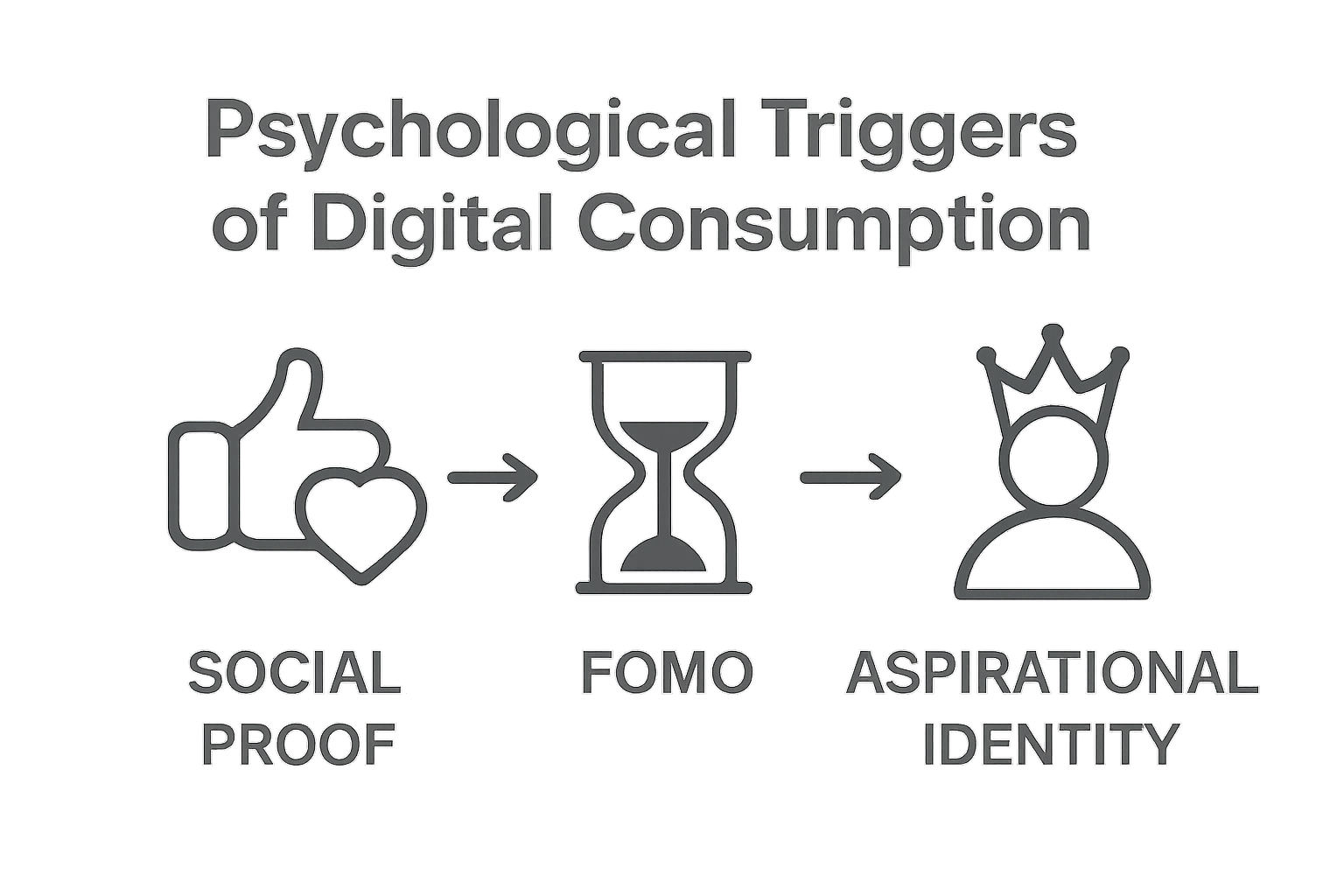
- Social proof through likes and shares
- Fear of missing out (FOMO) on trending styles
- Aspirational identification with influencers
- Instant gratification through visual consumption
Algorithmic Personalization and Consumer Choice
Advanced recommendation algorithms on social media platforms create highly personalized fashion experiences that anticipate and shape consumer preferences. These sophisticated systems analyze user interactions, browsing history, and engagement patterns to curate content that feels uniquely tailored to individual tastes. By presenting increasingly refined style suggestions, social media platforms effectively guide consumer choices without appearing overtly manipulative.
This algorithmic personalization blurs the lines between organic discovery and targeted marketing, creating a seamless consumer experience where fashion recommendations feel like natural extensions of personal style exploration. Consumers are no longer passive recipients of fashion trends but active participants in a dynamic, interactive style ecosystem.
Key Concepts Behind Fashion Influence on Social Media
Social media has redefined how fashion trends emerge, spread, and gain cultural significance, introducing complex digital dynamics that transform traditional style communication. Research from the Digital Information Sharing Association reveals the intricate mechanisms driving fashion influence in the digital landscape.
Digital Trend Propagation Mechanisms
Fashion influence on social media operates through sophisticated networks of content creation, sharing, and validation. Unlike traditional media, these platforms enable instantaneous trend transmission, where style concepts can travel globally within seconds. Influencers, algorithmic recommendations, and user interactions collectively create a dynamic ecosystem that accelerates trend adoption and cultural exchange.
Critical components of digital fashion influence include:
- Viral content generation
- Decentralized trend creation
- Rapid style experimentation
- Global aesthetic cross-pollination
Psychological and Social Dynamics
Social media platforms leverage fundamental human psychological needs to drive fashion engagement. These digital environments provide powerful tools for identity expression, social validation, and belonging. Users do not merely consume fashion content but actively participate in creating and interpreting style narratives. The interactive nature of these platforms transforms fashion from a top-down industry to a collaborative, democratized experience.
By enabling direct communication between brands, creators, and consumers, social media has dismantled traditional fashion hierarchies. Individuals can now instantaneously share personal style interpretations, challenge established aesthetic norms, and contribute to global fashion dialogues. This shift represents more than technological innovation it signifies a profound cultural transformation in how we understand, create, and experience fashion.
The Future of Fashion in the Age of Social Media
The intersection of social media and fashion is rapidly evolving, creating unprecedented opportunities and challenges for consumers, brands, and content creators. A systematic literature review suggests that digital platforms are not just transforming fashion consumption but fundamentally reshaping the entire industry’s ecosystem.
Sustainability and Ethical Consumption
Social media is becoming a powerful catalyst for sustainable fashion practices. Consumers are increasingly using digital platforms to demand transparency, ethical production, and environmentally conscious design. This shift is driving brands to reimagine their production strategies, with influencers and digital communities playing crucial roles in promoting responsible fashion consumption.
Key emerging trends in sustainable digital fashion include:
- Circular fashion models
- Transparent supply chain communication
- Digital garment lifecycle tracking
- Community-driven sustainability initiatives
Technological Integration and Personalization
Advancing technologies like augmented reality, artificial intelligence, and virtual try-on experiences are set to revolutionize how consumers interact with fashion online. These innovations will enable more personalized, immersive shopping experiences that bridge the gap between digital discovery and physical consumption. Check out our latest insights on fashion trends to understand how technology is reshaping style exploration.
The future of fashion will be characterized by hyper-personalization, where algorithms and user data create uniquely tailored style recommendations. Consumers will transition from passive observers to active co-creators, participating in design processes and trend generation through interactive digital platforms. This democratization of fashion represents a profound shift from traditional top-down brand-driven models to a more collaborative, inclusive ecosystem.

Stand Out and Personalize Your Fashion Influence
Social media is now setting the pace for fashion trends. You read how digital platforms empower everyone to shape style choices instantly. Do you ever feel overwhelmed trying to keep up or frustrated when your jacket looks like everyone else’s? Maker of Jacket is here to help you move beyond the noise and create your own statement piece. If you are inspired by the fast-moving influence of Instagram or TikTok but want authentic style that matches your story, our platform makes personal fashion simple.
Break away from generic trends. Explore exclusive customizable jackets and leather apparel right now and get inspired to design what YOU want to wear. With fast order processing, worldwide free shipping, and real customer reviews, you can express your identity and join fashion’s next digital chapter. Visit Maker of Jacket today. Your style. Your way. Start customizing before the next trend takes off.
Frequently Asked Questions
What role do influencers play in shaping fashion trends?
Influencers serve as intermediaries between brands and consumers, translating high-fashion designs into relatable content that resonates with their audiences, thus accelerating trend adoption.
How has social media changed the way consumers engage with fashion?
Social media allows consumers to actively participate in trend creation rather than passively receiving fashion information, enabling instant feedback and personal style experimentation.
What psychological factors drive consumer behavior in social media fashion?
Key psychological factors include the need for social validation, the fear of missing out (FOMO), and the desire for identity expression. These elements transform fashion consumption into an emotional journey.
How do algorithms affect fashion recommendations on social media?
Algorithms analyze user interactions and preferences to curate personalized fashion content, enhancing user experience by making style suggestions feel tailored to individual tastes.


