

Understanding Motorcycle Riding Etiquette for Enthusiasts

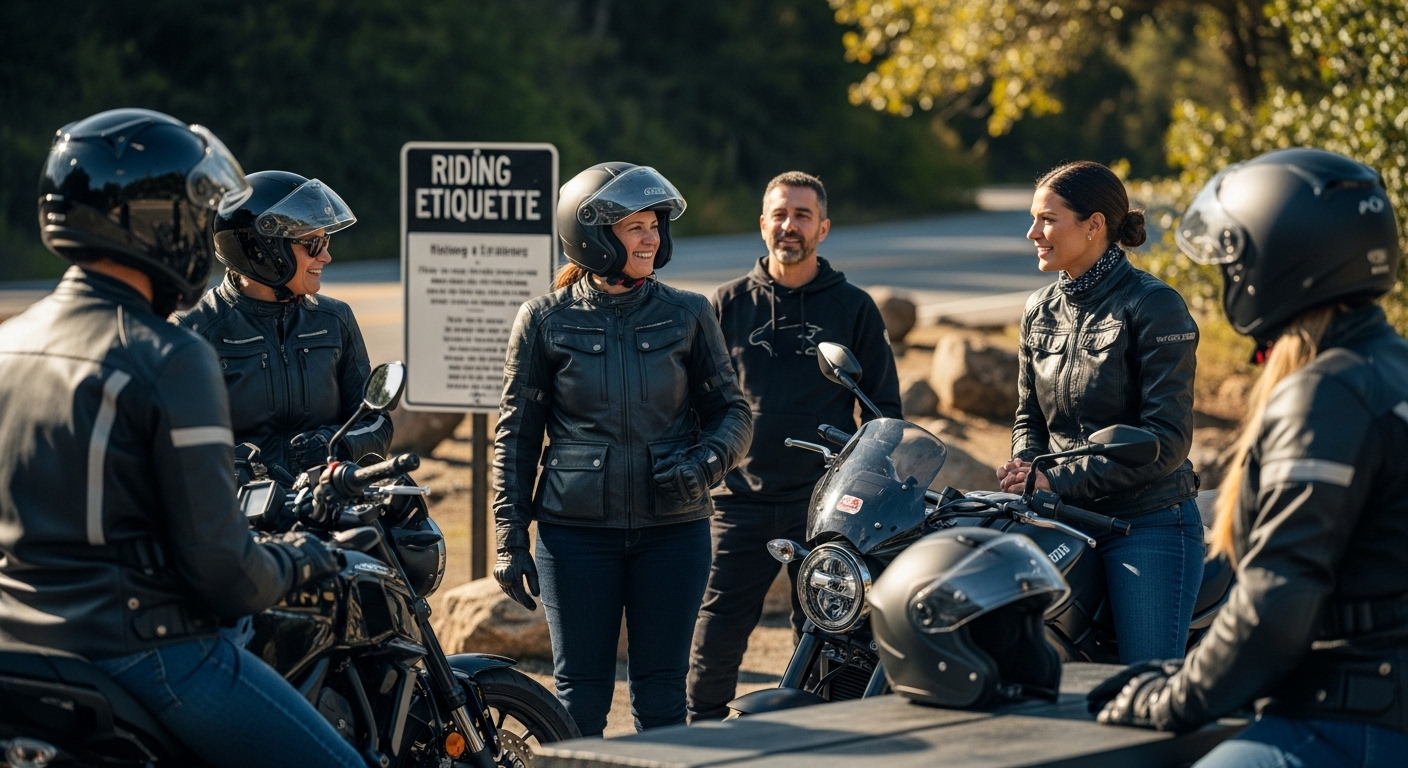
Everybody thinks motorcycle safety is just about following traffic laws and wearing a helmet. Yet studies show that effective riding etiquette dramatically reduces accident risk for every single rider on the road. Most people overlook the fact that these unwritten rules shape how motorcyclists communicate, react, and even protect each other out there. Etiquette can matter just as much as any piece of protective gear.
Table of Contents
- What Is Motorcycle Riding Etiquette?
- Why Motorcycle Riding Etiquette Matters For All Riders
- How Motorcycle Riding Etiquette Enhances Safety
- Key Concepts Of Motorcycle Riding Etiquette
- Practical Applications Of Motorcycle Riding Etiquette
Quick Summary
| Takeaway | Explanation |
|---|---|
| Practice respectful behavior while riding. | Always maintain a professional attitude to foster goodwill amongst riders and motorists. |
| Prioritize safety for all road users. | Be aware of surroundings and anticipate potential hazards to ensure a safer riding experience. |
| Communicate intentions clearly. | Use hand signals and body language to effectively inform other road users of your actions. |
| Engage in predictable riding patterns. | Maintain consistent movements to mitigate risks and enhance visibility on the road. |
| Embrace group riding protocols. | Follow staggered formations and clear communication within groups for collective safety and efficiency. |
What is Motorcycle Riding Etiquette?
Motorcycle riding etiquette represents a comprehensive set of unwritten and formal rules that guide responsible behavior on the road, ensuring safety, respect, and harmonious interaction among riders and other motorists. Unlike standard traffic regulations, motorcycle riding etiquette encompasses nuanced social protocols that reflect a rider’s consideration, skill, and understanding of community dynamics.
Understanding the Core Principles
At its fundamental level, motorcycle riding etiquette is about creating a collaborative and safe environment for all road users. This involves more than just following traffic laws. According to the Motorcycle Safety Foundation, it requires riders to develop a heightened awareness of their surroundings, anticipate potential risks, and communicate effectively through body language, hand signals, and predictable movements.
Key principles of motorcycle riding etiquette include:
- Maintaining a professional and respectful demeanor while riding
- Prioritizing safety for oneself and other road users
- Demonstrating situational awareness and proactive decision making
- Respecting the unspoken codes of motorcycle community culture
Cultural and Social Dimensions
Motorcycle riding etiquette extends beyond mere technical skills. It represents a sophisticated social contract among riders that reflects shared values of mutual respect, camaraderie, and personal responsibility. Experienced riders often consider these social protocols as important as formal traffic regulations.
Riders who understand and practice comprehensive motorcycle riding etiquette demonstrate:
- Sophisticated understanding of road dynamics
- Respect for fellow riders and motorists
- Commitment to personal and collective safety
- Ability to navigate complex social interactions on the road
By embracing these principles, motorcyclists contribute to a safer, more respectful riding environment that transcends individual actions and promotes a culture of responsible motorcycling.
Below is a table summarizing the core principles of motorcycle riding etiquette and their practical impact on rider safety and community culture.
| Core Principle | Explanation | Practical Impact |
|---|---|---|
| Professional and respectful behavior | Maintain a courteous attitude and demeanor while riding | Fosters goodwill among riders and motorists |
| Prioritizing safety | Focus on personal and others’ safety at all times | Reduces accident risk |
| Situational awareness | Stay alert to surroundings and anticipate potential hazards | Enables proactive decision making |
| Clear communication | Use body language, hand signals, and eye contact | Enhances mutual understanding |
| Community code respect | Follow unspoken community customs and shared values | Supports camaraderie and trust |
Why Motorcycle Riding Etiquette Matters for All Riders
Motorcycle riding etiquette transcends individual preferences and represents a critical framework for collective safety, communication, and community preservation. Understanding its profound significance helps riders recognize that their actions on the road are not isolated events but interconnected experiences that impact everyone around them.
Safety as a Shared Responsibility
According to the National Highway Traffic Safety Administration, motorcyclists are substantially more vulnerable on roadways compared to other vehicle operators. Proper riding etiquette serves as a protective mechanism that reduces potential risks by establishing predictable behavior patterns and mutual understanding among road users.
Critical safety considerations include:
- Anticipating and communicating potential hazards
- Maintaining appropriate distances between vehicles
- Signaling intentions clearly and consistently
- Demonstrating situational awareness at all times
Community and Cultural Significance
Motorcycle riding etiquette functions as an unwritten social contract that binds riders together. It represents more than mere technical protocols. This intricate system of mutual respect establishes trust, camaraderie, and shared values within the motorcycling community. Experienced riders understand that their conduct reflects not just personal skill but also represents the broader motorcycle culture.
Riders who consistently practice proper etiquette contribute to:
- Enhancing the overall reputation of motorcyclists
- Creating a supportive and understanding riding environment
- Promoting positive interactions with other road users
- Establishing a culture of responsibility and mutual care
By embracing comprehensive motorcycle riding etiquette, individuals transform their riding experience from a solitary activity into a collaborative journey that prioritizes collective well-being. For those interested in protection and safety essentials, understanding these principles becomes fundamental to responsible riding.
How Motorcycle Riding Etiquette Enhances Safety
Motorcycle riding etiquette serves as a critical safety framework that transforms individual riding behaviors into a comprehensive system of protective practices. By establishing predictable patterns of interaction and communication, riders create a more secure environment that mitigates potential risks and reduces the likelihood of accidents.
Proactive Risk Mitigation
According to the National Highway Traffic Safety Administration, motorcyclists are inherently more vulnerable on roadways. Proper riding etiquette acts as a dynamic defense mechanism that goes beyond standard traffic regulations, enabling riders to anticipate and neutralize potential hazards before they escalate.
Key proactive safety strategies include:
- Maintaining heightened situational awareness
- Communicating intentions through clear and consistent signals
- Establishing predictable movement patterns
- Creating buffer zones around potential danger points
Communication and Visibility Protocols
Effective motorcycle riding etiquette transforms communication from a passive to an active safety mechanism. Riders who master these unwritten protocols develop an advanced ability to signal their intentions, read road conditions, and interact seamlessly with other motorists. This sophisticated communication system involves more than verbal or written instructions it encompasses body language, positioning, and anticipatory movements.
Critical communication elements that enhance safety include:
- Using standardized hand signals
- Positioning the motorcycle for maximum visibility
- Making eye contact with other drivers
- Adjusting riding style to match road and traffic conditions
By integrating these etiquette principles, motorcyclists create a comprehensive safety network that significantly reduces accident risks. For riders looking to explore essential motorcycle protection gear, understanding these communication strategies becomes fundamental to responsible riding.
Key Concepts of Motorcycle Riding Etiquette
Motorcycle riding etiquette represents a sophisticated framework of behaviors, communication strategies, and social protocols that extend far beyond basic traffic regulations. Understanding these key concepts transforms riding from a solitary activity into a collaborative and mutually respectful experience that prioritizes safety and community engagement.
Fundamental Communication Principles
According to the Motorcycle Safety Foundation, effective motorcycle riding etiquette centers on clear, predictable communication between riders and other road users. This communication transcends verbal interactions, involving body language, positioning, and anticipatory movements that signal intentions and potential actions.
Core communication principles include:
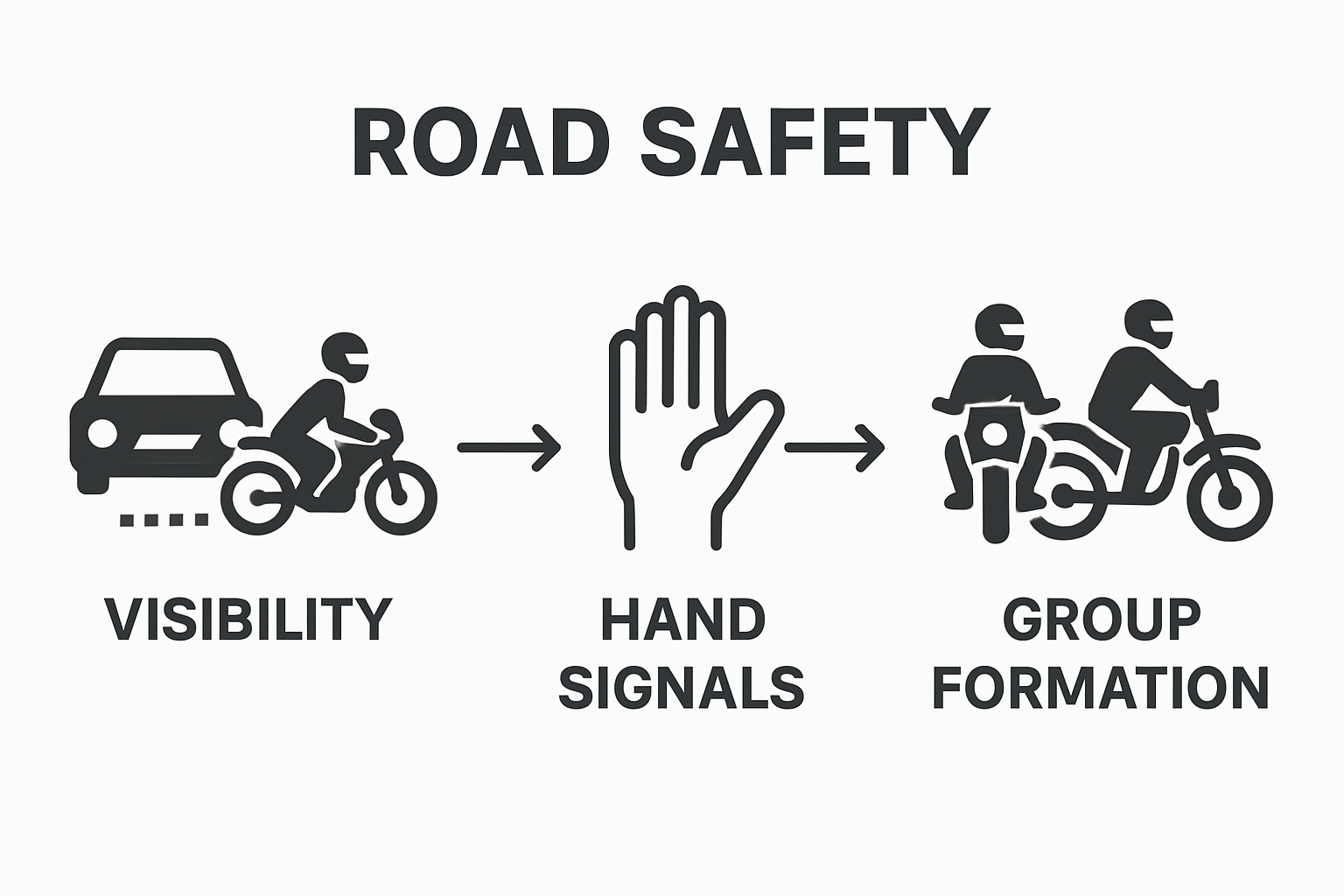
- Using standardized hand signals
- Maintaining consistent and visible lane positioning
- Making deliberate eye contact with other motorists
- Demonstrating smooth and predictable riding patterns
Group Riding and Social Dynamics
Motorcycle riding etiquette becomes particularly nuanced in group riding scenarios. These situations require sophisticated coordination, mutual trust, and an intricate understanding of collective movement dynamics. Experienced riders develop an almost intuitive ability to communicate and respond within group formations, creating a seamless and safe riding experience.
Key group riding considerations include:
- Maintaining appropriate staggered formations
- Establishing clear leadership and communication hierarchies
- Respecting individual rider skill levels and comfort zones
- Prioritizing collective safety over individual preferences
By embracing these comprehensive principles, motorcyclists transform their riding experience from a potentially dangerous individual activity into a collaborative journey that celebrates skill, respect, and mutual understanding. For enthusiasts seeking to explore essential motorcycle gear, understanding these etiquette concepts becomes fundamental to responsible and enjoyable riding.
The table below compares key strategies in individual and group motorcycle riding etiquette, highlighting their unique considerations and shared objectives.
| Aspect | Individual Riding Etiquette | Group Riding Etiquette |
|---|---|---|
| Main Focus | Personal safety and preparedness | Collective safety and coordination |
| Communication | Clear hand signals and predictable movements | Established leader, staggered formation, signals |
| Positioning | Consistent lane position, maximum visibility | Staggered lanes, maintain group structure |
| Interaction Style | Anticipate hazards, smooth moves, eye contact | Respect skill levels, communication hierarchy |
| Flexibility | Adapt riding to changing road conditions | Follow agreed-upon group protocols |
| Responsibility | Self-discipline and awareness | Mutual reliance, shared discipline |
Practical Applications of Motorcycle Riding Etiquette
Practical motorcycle riding etiquette transforms theoretical knowledge into actionable strategies that enhance safety, communication, and mutual respect among riders. By translating complex social protocols into everyday riding behaviors, motorcyclists create a more intuitive and secure roadway environment.
Individual Riding Strategies
According to the National Highway Traffic Safety Administration, practical etiquette begins with individual rider preparedness and awareness. Effective motorcycle riding requires a proactive approach that anticipates potential risks and communicates intentions clearly.
Key individual riding strategies include:
- Maintaining consistent lane positioning
- Using deliberate and clear hand signals
- Wearing high-visibility gear
- Keeping a predictable and smooth riding rhythm
- Avoiding sudden or unpredictable movements
Interaction with Other Road Users
Motorcycle riding etiquette extends beyond personal practices to encompass nuanced interactions with other vehicles. Skilled riders develop an advanced communication system that transcends traditional traffic signals, creating a dynamic safety network through intentional positioning, eye contact, and subtle body language.
Essential interaction principles involve:
- Making direct eye contact with drivers
- Positioning the motorcycle for maximum visibility
- Anticipating potential driver blind spots
- Communicating intentions through smooth, predictable movements
- Demonstrating patience and understanding with other motorists
By integrating these practical applications, riders transform motorcycle etiquette from an abstract concept into a lived experience of collective safety and mutual respect. For enthusiasts interested in exploring protective motorcycle gear, understanding these interaction strategies becomes crucial to responsible riding.
Elevate Your Riding Etiquette with Custom Gear Tailored for Enthusiasts
Mastering motorcycle riding etiquette is not just about technique. It is about respecting your fellow riders, staying safe, and expressing your unique identity on the road. If you want to embody the core principles discussed in this article—like professionalism, situational awareness, and community respect—a high-quality jacket is more than protection. It becomes your essential statement of dedication and belonging.
Discover the Mustang jacket collection and see how purposeful design complements true riding etiquette.

Now is the time to upgrade your gear and show that you value every aspect of safe, respectful riding. Visit Maker of Jacket for customizable motorcycle jackets and apparel that match your personal style and commitment to etiquette. Take the next step toward safer and more connected motorcycling today.
Frequently Asked Questions
What is motorcycle riding etiquette?
Motorcycle riding etiquette is a set of unwritten and formal rules that guide responsible behavior among riders and motorists, promoting safety, respect, and harmonious interactions on the road.
Why is motorcycle riding etiquette important?
Understanding motorcycle riding etiquette is essential for collective safety and communication. It helps create a supportive environment that enhances the reputation of motorcyclists and reduces the risk of accidents.
How does motorcycle riding etiquette enhance safety?
Proper riding etiquette establishes predictable behaviors and communication patterns, enabling riders to anticipate hazards and interact safely with other road users, thereby mitigating potential risks.
What are some key principles of motorcycle riding etiquette?
Key principles include maintaining situational awareness, using clear hand signals, respecting space between vehicles, and demonstrating smooth riding patterns. These behaviors foster a safer and more respectful riding experience.


