

Understanding Motorcycle Photography Tips for Enthusiasts

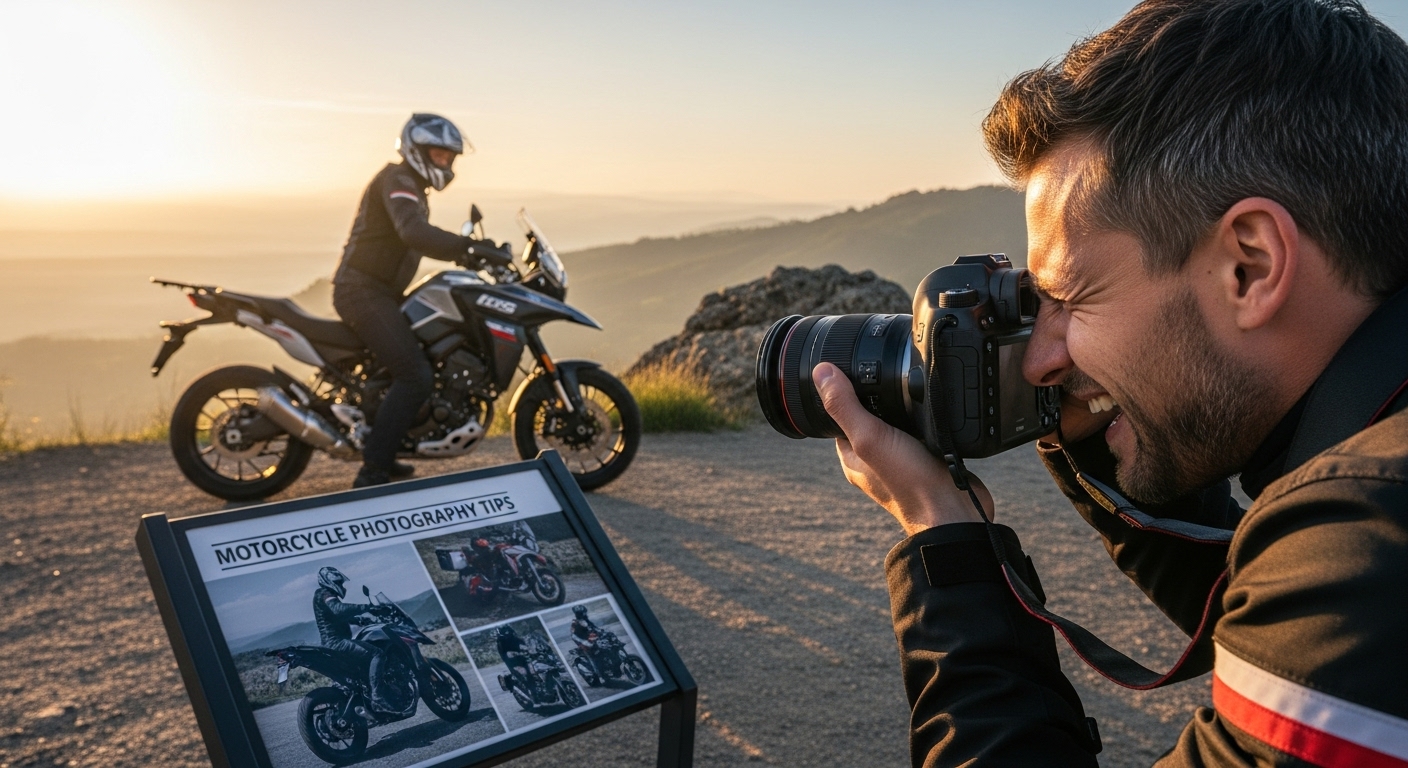
Motorcycle photography is about more than engines and wheels. It captures life in motion and tells stories only the open road can write. Most people think it is all about snapping sharp bikes at high speed, but the truth is different. The real magic happens when a photo reveals the emotion and culture behind riding. Great motorcycle photography depends on mastering the dynamic mix of motion, design, and human spirit. That is where a simple machine turns into a symbol of freedom and adventure.
Table of Contents
- What Makes Motorcycle Photography Unique?
- Why Proper Motorcycle Photography Is Important
- Key Concepts Of Composition In Motorcycle Photography
- Understanding Light And Its Impact On Motorcycle Photos
- How Emotion And Storytelling Enhance Motorcycle Photography
Quick Summary
| Takeaway | Explanation |
|---|---|
| Master panning techniques for motion | Learn to effectively convey speed and energy while maintaining focus on intricate motorcycle details through panning methods. |
| Highlight emotional connections in photography | Focus on capturing the relationship between rider and machine to create compelling narratives that resonate with viewers. |
| Use natural and artificial light creatively | Leverage different lighting conditions to enhance the motorcycle’s appearance and evoke emotional responses in your compositions. |
| Implement balanced composition strategies | Apply the Rule of Thirds and negative space to create visually appealing images that showcase motorcycle beauty and dynamics. |
| Tell personal narratives through imagery | Capture the stories behind each ride by documenting the rider’s journey and emotional landscape, enhancing the overall visual narrative. |
What Makes Motorcycle Photography Unique?
Motorcycle photography transcends traditional vehicle imagery by capturing the raw emotion, dynamic movement, and cultural essence of two-wheeled machines. Unlike standard automotive photography, motorcycle shots demand a nuanced approach that reflects the spirit of freedom and adventure inherent in riding.
The Dynamic Motion Aesthetic
Capturing motorcycles requires understanding their inherent kinetic energy. Photographers must master techniques that convey speed, precision, and mechanical elegance.
According to research from the New York Film Academy, panning techniques are critical for creating images that communicate motion while maintaining sharp focus on the motorcycle’s intricate details.
Key characteristics that distinguish motorcycle photography include:
- Capturing lean angles during cornering
- Showcasing the rider’s interaction with the machine
- Highlighting mechanical precision and design complexity
Cultural and Emotional Storytelling
Motorcycle images are more than mechanical documentation. They represent a lifestyle, a sense of rebellion, and personal freedom. Each photograph tells a narrative about human connection with machinery, exploring themes of independence, adventure, and personal expression.
The visual storytelling in motorcycle photography often involves:
- Capturing the rider’s personality through body language
- Selecting environments that complement the motorcycle’s character
- Revealing the emotional connection between rider and machine
For enthusiasts looking to explore motorcycle fashion that complements this aesthetic, check out our motorcycle jacket collection that embodies the spirit of the riding culture.
Unlike static automotive shots, motorcycle photography demands technical skill, creative vision, and an understanding of both mechanical engineering and human emotion. It transforms machines into living, breathing symbols of freedom and personal expression.
The following table summarizes the key characteristics that distinguish motorcycle photography from more traditional automotive photography, helping enthusiasts understand what makes it unique.
| Characteristic | Description |
|---|---|
| Motion Capture | Emphasizes speed, lean angles, and dynamic interaction between rider and motorcycle |
| Emotional Storytelling | Highlights freedom, adventure, and personal expression in the riding experience |
| Rider-Machine Connection | Showcases human connection through body language and interaction |
| Design Complexity | Focuses on mechanical precision, intricate design details, and engineering beauty |
| Environmental Integration | Places motorcycles in settings that reflect riding culture and complement the bike’s character |
| Technical Skill Requirements | Requires specialized techniques like panning and perspective to convey movement and energy |
| Cultural and Lifestyle Emphasis | Represents rebellion, lifestyle, and individualism unique to motorcycle communities |
Why Proper Motorcycle Photography is Important
Motorcycle photography is far more than just capturing aesthetically pleasing images. It serves multiple critical functions across professional, personal, and technological domains, elevating its significance beyond simple visual documentation.
Documentation and Technical Analysis
Precise motorcycle photography plays a pivotal role in technical documentation and analysis. According to research on motorcycle detection systems, high-quality imagery enables advanced technological applications like traffic monitoring, safety assessment, and vehicle classification.
Key technical applications of motorcycle photography include:
- Developing machine learning algorithms for vehicle recognition
- Creating comprehensive maintenance and repair documentation
- Supporting insurance and legal documentation processes
Professional and Commercial Significance
For motorcycle manufacturers, dealers, and enthusiasts, professional photography serves as a powerful communication tool. These images tell compelling stories about design, performance, and lifestyle. Visual representations help potential buyers understand intricate design details, mechanical innovations, and emotional connections associated with specific motorcycle models.
Commercial photography highlights:
- Showcasing unique design features
- Creating marketing materials for promotional campaigns
- Documenting motorcycle evolution and technological advancements
For riders interested in complementing their passion with appropriate gear, explore our motorcycle safety collection that matches the spirit of motorcycle culture.
Beyond technical and commercial applications, motorcycle photography preserves cultural narratives. Each photograph captures a moment in the rich history of two-wheeled transportation, documenting not just machines, but the human stories of freedom, adventure, and personal expression that motorcycles represent.
Key Concepts of Composition in Motorcycle Photography
Composition transforms motorcycle photography from mere documentation to storytelling art. Understanding fundamental principles enables photographers to create images that capture not just machines, but the essence of riding culture and mechanical beauty.
Visual Balance and Framing
Balanced composition is critical in motorcycle photography. According to research from the New York Film Academy, effective framing requires strategic placement of the motorcycle within the image space. The Rule of Thirds emerges as a fundamental technique, dividing the frame into nine equal sections and positioning key elements along these intersecting lines.
Key composition strategies include:
- Positioning the motorcycle at intersection points of grid lines
- Creating negative space to emphasize the motorcycle’s form
- Balancing mechanical details with environmental context
Dynamic Motion and Perspective
Capturing motorcycle photography demands understanding how to convey movement and energy. Professional photographers utilize techniques like panning, which involves tracking the motorcycle’s motion while maintaining focus, creating images that communicate speed and dynamism.
Perspective considerations encompass:
- Low angle shots highlighting mechanical aggression
- Capturing lean angles during cornering
- Selecting backgrounds that complement motorcycle design
For enthusiasts seeking gear that matches this aesthetic passion, explore our motorcycle jacket collection that embodies riding culture.
Ultimately, motorcycle photography composition is about translating mechanical poetry into visual narratives. By mastering these principles, photographers transform static images into powerful representations of freedom, technology, and human adventure.
The table below organizes the major concepts of composition in motorcycle photography, providing a quick reference for techniques and their effects on visual storytelling.
| Composition Principle | Explanation |
|---|---|
| Rule of Thirds | Positions motorcycle at key intersection points for balanced, visually appealing images |
| Negative Space | Uses empty areas to emphasize the motorcycle and avoid visual clutter |
| Balanced Framing | Blends motorcycle details with environmental context for harmony |
| Low Angle Perspective | Creates dramatic, aggressive images emphasizing motorcycle strength and design |
| Panning Technique | Captures movement by tracking the bike, showing speed while keeping subject in sharp focus |
| Dynamic Backgrounds | Selects complementary settings to enhance the mood and support the narrative |
Understanding Light and Its Impact on Motorcycle Photos
Light is the fundamental language of photography, and in motorcycle imagery, it becomes a powerful storyteller that transforms mechanical subjects into emotional narratives. Understanding how light interacts with motorcycles can dramatically elevate the visual impact of photographic compositions.
Natural Light Dynamics
Natural light presents photographers with a complex palette of opportunities and challenges. According to research from the New York Institute of Photography, different times of day offer unique lighting conditions that can dramatically alter motorcycle appearances.
Key natural lighting considerations include:
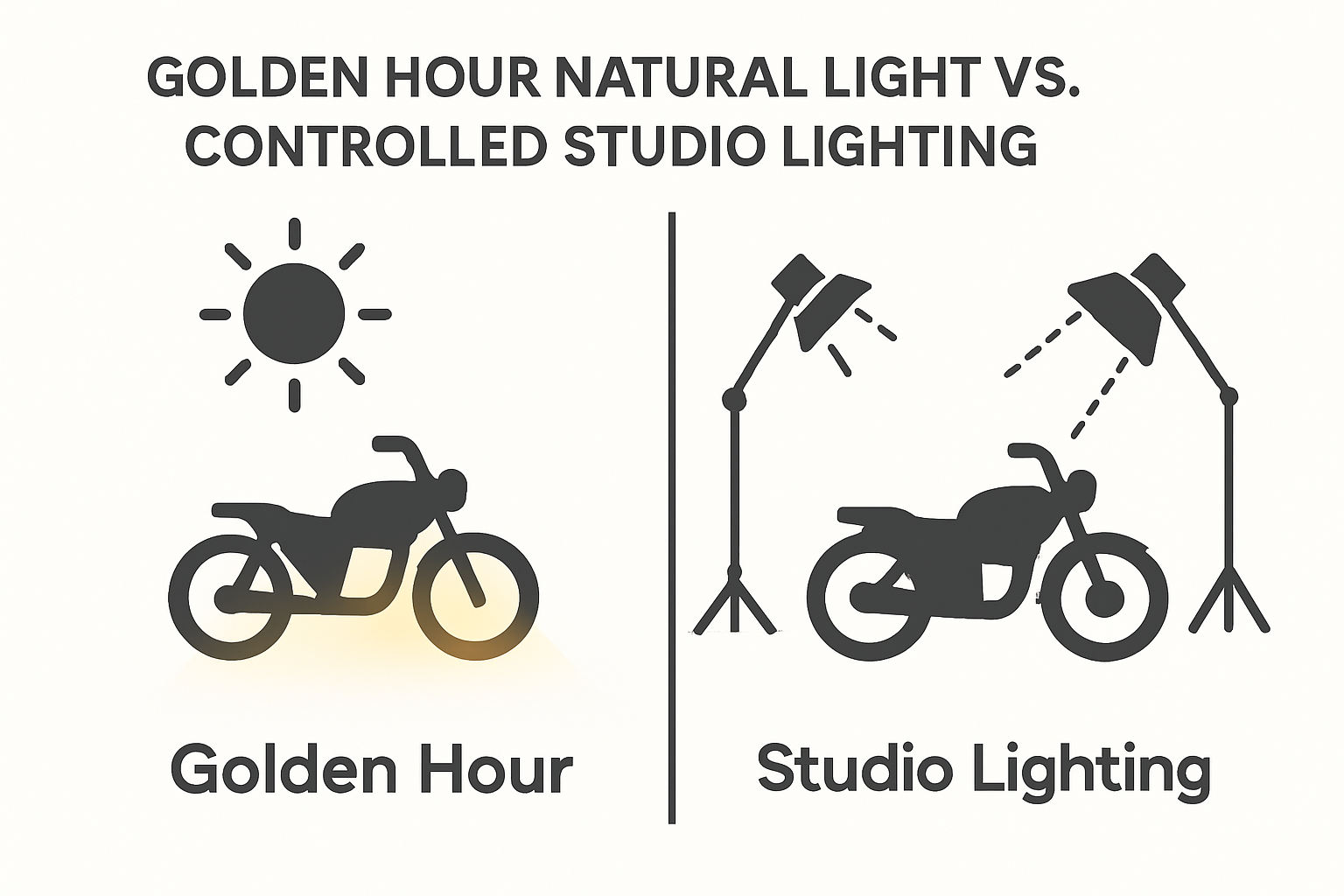
- Golden hour lighting enhancing metallic surfaces
- Soft morning light revealing subtle design contours
- Dramatic shadows creating depth and dimension
Artificial Lighting Techniques
Studio and controlled lighting environments provide motorcycle photographers unprecedented creative control. Professional photographers use strategic lighting setups to highlight specific design elements, emphasize mechanical details, and create compelling visual narratives.
Advanced lighting techniques involve:
- Utilizing rim lighting to accentuate motorcycle silhouettes
- Employing multiple light sources for comprehensive coverage
- Creating directional shadows that enhance mechanical complexity
For riders seeking gear that matches the sophisticated aesthetic of professional motorcycle photography, explore our motorcycle jacket collection that embodies precision and style.
Light is more than an illumination source in motorcycle photography. It is a narrative tool that transforms metal and machinery into living, breathing representations of engineering artistry and human adventure.
How Emotion and Storytelling Enhance Motorcycle Photography
Motorcycle photography transcends technical documentation, becoming a profound medium for emotional storytelling and cultural expression. By capturing more than mechanical details, photographers transform images into powerful narratives that communicate the spirit of riding and human connection.
Capturing Personal Narratives
Every motorcycle photograph carries an underlying story of adventure, freedom, and personal identity. According to National Geographic, storytelling through photography involves capturing moments that reveal deeper human experiences and cultural meanings.
Key narrative elements include:
- Documenting rider’s personal journey and emotional landscape
- Revealing individual relationships with motorcycles
- Exploring themes of independence and self-expression
Contextual Environmental Storytelling
The environment surrounding a motorcycle becomes an integral part of its narrative. Photographers strategically select backgrounds and settings that complement the motorcycle’s character, creating visual stories that extend beyond the machine itself.
Contextual storytelling techniques involve:
- Choosing landscapes that reflect riding culture
- Matching motorcycle style with appropriate environmental settings
- Using architectural and natural elements to enhance emotional resonance
For enthusiasts seeking gear that embodies this narrative spirit, explore our motorcycle jacket collection that tells its own unique story.
Ultimately, emotion in motorcycle photography transforms static images into living narratives. By understanding the deeper connections between rider, machine, and environment, photographers create visual stories that resonate far beyond simple mechanical representation.
Transform Your Motorcycle Photography With the Perfect Look
Capturing the emotion and energy of motorcycle photography goes beyond technical skills. It is about telling a story that blends motion, style, and rider personality. One common challenge for enthusiasts is achieving the right balance between visual composition and authentic biker identity. Your story deserves authentic gear that matches the freedom and spirit seen in your photos. Let your style and your shot stand out together with premium apparel ready for the ride and the lens. See what sets you apart in our Maker of Jacket’s collection and discover options for both leather pants and jackets uniquely suited for every photo session.

Ready to elevate your motorcycle photography and your on-bike presence? Explore Maker of Jacket to find customizable jackets and gear that add depth and authenticity to every shot. Choose now to make your next photo shoot unforgettable.
Frequently Asked Questions
What techniques can I use to capture dynamic motion in motorcycle photography?
To effectively capture dynamic motion in motorcycle photography, master panning techniques, shoot during action sequences, and utilize low shutter speeds to convey speed while maintaining a sharp focus on the motorcycle’s details.
How can lighting affect motorcycle photography?
Lighting is crucial in motorcycle photography; natural light during the golden hour can enhance metallic surfaces, while controlled artificial lighting allows for highlighting specific design elements and creating dramatic shadows for depth.
What composition principles should I follow in motorcycle photography?
Follow the Rule of Thirds to position your motorcycle strategically within the frame, create visual balance by incorporating negative space, and use angles that emphasize the motorcycle’s motion and mechanical beauty.
How do I tell a story through my motorcycle photographs?
To tell a story through motorcycle photographs, capture personal narratives that reflect the rider’s emotional connection with the machine, and choose backgrounds that complement both the motorcycle and the themes of freedom and independence.


