

Features of quality jackets for style and safety in 2026


Choosing a jacket that delivers both style and protection feels overwhelming when hundreds of options flood the market. Fashion-conscious consumers and motorcycle enthusiasts face a critical decision: investing in a jacket that looks great but fails under pressure, or finding one that genuinely balances premium materials, verified safety features, and lasting durability. Key features such as leather quality, reinforced construction, and certified armor separate true quality from marketing hype. This article breaks down these features to help you make an informed purchase in 2026, whether you ride daily or seek a statement piece that lasts decades.
Table of Contents
- How To Evaluate The Quality Of Leather In Jackets
- Construction And Safety Features That Define Quality Jackets
- Comparing Jacket Materials And Longevity: Leather Vs Textile
- How To Choose The Right Jacket Features For Your Style And Riding Needs
- Explore Custom High-Quality Leather Jackets At Maker Of Jacket
- Frequently Asked Questions About Features Of Quality Jackets
Key takeaways
| Point | Details |
|---|---|
| Premium leather defines durability | Full-grain leather at 1.2–1.5mm thickness offers superior abrasion resistance and longevity compared to thinner fashion-grade hides. |
| Construction impacts safety | Reinforced stitching, accordion panels, and CE-certified armor at shoulders and elbows provide verified impact protection for riders. |
| Material choice affects lifespan | Well-maintained leather jackets last over two decades, while textile jackets typically survive around five years under regular use. |
| Features match riding needs | Removable armor pockets, back protector compatibility, and customization options ensure jackets adapt to your specific riding conditions. |
| Maintenance extends value | Proper leather care and storage practices protect your investment and maintain protective qualities over time. |
How to evaluate the quality of leather in jackets
Leather quality determines whether your jacket survives a single season or becomes a lifetime companion. The fiber structure and thickness create the foundation for both protection and style. Understanding these characteristics helps you distinguish premium materials from marketing claims.
Full-grain leather between 1.2 and 1.4 mm thickness provides the strongest layer for abrasion resistance. This leather type includes the entire fiber layer, making it the most durable option available. The natural grain pattern remains intact, creating a surface that develops character over time without compromising structural integrity. You can identify full-grain leather by its consistent texture and the way it ages, developing a rich patina that enhances rather than detracts from appearance.
Thickness in the 1.2–1.5 mm range balances protection and flexibility for both fashion and motorcycle applications. Thinner leather under 1.0 mm might feel supple initially but tears easily under stress. Premium motorcycle jackets use thicker hides, like Vanson’s 1.5mm competition-grade cowhide, for higher tear resistance. This extra thickness becomes critical during slides or impacts, where fractions of a millimeter determine whether the material holds or fails.
Premium brands hand-cut precise materials from carefully selected hides. They inspect each piece for consistent grain patterns, natural blemishes, and structural weaknesses before construction begins. Standard fashion jackets typically use thinner hides around 0.8–1.0 mm, prioritizing cost over performance. These thinner materials work fine for casual wear but lack the protective qualities serious riders need. The difference becomes obvious when you compare how the best leathers for jackets respond to wear and environmental stress.
Not all leather receives equal treatment during tanning and finishing. Chrome-tanned leather offers water resistance and consistent color, while vegetable-tanned options develop unique character but require more maintenance. The tanning process affects how leather breathes, stretches, and responds to impact forces. Quality manufacturers disclose their tanning methods and source transparency, giving you confidence in what you’re buying.
Pro Tip: Look for consistent grain patterns across panels and avoid jackets with uneven thickness or patchy surfaces, as these indicate lower-grade materials that won’t deliver reliable protection or longevity. Run your hand across the leather surface to feel for thin spots or irregularities that compromise structural integrity. Understanding real leather jacket benefits helps you recognize these quality markers during your search.
Construction and safety features that define quality jackets
Construction quality separates jackets that look good from those that perform when it matters. Stitching, reinforcements, and integrated armor systems create the protective shell that justifies premium pricing. These features work together to distribute impact forces and resist abrasion during accidents.
True motorcycle-grade jackets include reinforced stitching, accordion stretch panels, and abrasion-tested materials for safety. Double or triple stitching at stress points like shoulders, elbows, and seams prevents separation during impacts. Accordion panels at the back and underarms allow natural movement without restricting your riding position. These construction details cost more to implement but deliver measurable safety improvements that fashion jackets simply don’t provide.
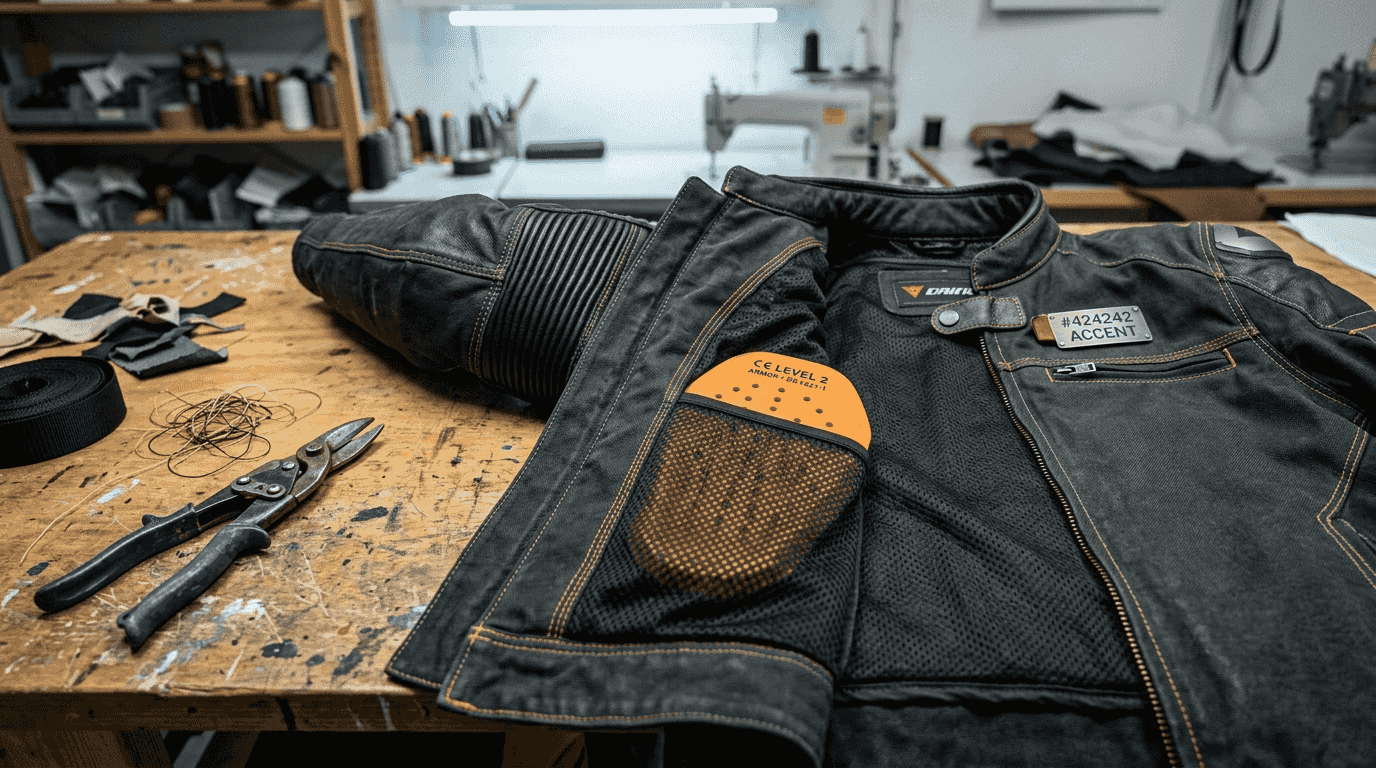
Quality jackets feature pockets specifically designed for removable armor and back protectors. These pockets position armor at shoulders, elbows, and spine according to CE safety standards, ensuring protection stays in place during movement. Removable systems let you adapt the jacket for different riding conditions or casual wear. The pocket design matters as much as the armor itself, since poorly positioned protection shifts during use and leaves vulnerable areas exposed.
CE-certified armor at shoulders and elbows, with ratings of Level 1 or 2 and EN 17092 AA or AAA are critical for impact protection. Level 1 armor absorbs up to 18 kN of force, while Level 2 handles up to 9 kN with stricter performance requirements. These ratings come from standardized testing that simulates real-world crash scenarios. Jackets meeting EN 17092 AAA standards offer the highest protection level for motorcycle garments, verified through rigorous abrasion and impact testing.
Key construction features to verify before purchase:
- Reinforced stitching at all stress points with contrasting thread for visibility
- Accordion stretch panels that maintain protection while allowing natural movement
- Removable CE-certified armor with secure pocket retention systems
- Abrasion-resistant panels at high-impact zones like shoulders and elbows
- YKK or equivalent quality zippers that won’t fail under stress
Avoid jackets lacking reinforced stress points or proper armor integration, regardless of how premium the leather appears. A beautiful jacket that fails during an accident serves no purpose. Construction integrity determines whether protective features actually protect or simply add marketing appeal. Understanding motorcycle jacket safety features helps you evaluate these critical elements.
Prioritize construction integrity and verified safety ratings, not just the real leather label. The most expensive leather means nothing if stitching fails or armor shifts out of position during impact.
Manufacturers committed to safety provide detailed specifications about their construction methods and testing results. They don’t hide behind vague marketing terms or refuse to disclose armor certifications. Transparency in construction details signals a brand that understands rider needs beyond aesthetic appeal. Exploring quality motorcycle jacket features reveals what separates genuine protective gear from fashion items.
Comparing jacket materials and longevity: leather vs textile
Material choice fundamentally affects how long your jacket lasts and how well it protects during accidents. Leather and textile each offer distinct advantages, but performance data reveals significant differences in abrasion resistance and lifespan. Understanding these trade-offs helps you match material to your specific riding needs and budget.
Leather jackets excel in abrasion resistance and slide protection across all riding speeds. The natural fiber structure creates a tough barrier that resists tearing and grinding forces during slides. Well-maintained leather jackets last over two decades, compared to roughly five years for textile jackets under regular use. This longevity comes from leather’s ability to maintain structural integrity despite repeated stress and environmental exposure.
Leather offers superior abrasion resistance and slide performance over textile, especially at higher speeds. During crashes, leather dissipates friction heat better than most textile weaves, reducing burn-through risk. The material’s natural properties create a protective barrier that synthetic fibers struggle to match without significant technological investment. While high-end textile jackets incorporate aramid fibers and reinforced panels, they generally provide shorter effective lifespan and less reliable abrasion protection.
| Feature | Leather Jackets | Textile Jackets |
|---|---|---|
| Abrasion resistance | Superior across all speeds; natural fiber structure resists tearing | Good with aramid reinforcement; varies by weave quality |
| Typical lifespan | 20+ years with proper maintenance | 5–7 years under regular riding conditions |
| Impact protection | Excellent when combined with CE armor; leather adds secondary barrier | Relies primarily on armor inserts; less material protection |
| Weather resistance | Requires treatment for water resistance; excels in dry conditions | Often includes waterproof membranes; better in wet weather |
| Maintenance needs | Regular conditioning and storage care; repairs possible | Machine washable; limited repair options when damaged |
| Break-in period | 2–4 weeks to mold to body shape | Immediate comfort; minimal adaptation needed |
Textile jackets may suit casual or lower-speed riding contexts where weather versatility matters more than maximum abrasion protection. They offer immediate comfort without break-in periods and often include built-in waterproof membranes. For urban commuting in variable weather, textile provides practical advantages that leather can’t match without additional treatments. The trade-off comes in reduced longevity and less effective slide protection during high-speed accidents.
Pro Tip: For frequent riders covering significant highway miles, investing in a high-quality leather jacket pays off long-term through superior protection and decades of use, while textile suits occasional riders prioritizing weather versatility over maximum abrasion resistance. Calculate cost per year of use rather than upfront price to understand true value.
The material decision extends beyond protection to comfort and adaptability. Leather molds to your body over time, creating a custom fit that improves with age. Textile maintains its original shape but never develops the personalized comfort that broken-in leather provides. Understanding leather jacket longevity helps you appreciate these long-term benefits.
Maintenance requirements differ significantly between materials. Leather demands regular conditioning to prevent drying and cracking, plus careful storage away from direct sunlight and heat. Textile jackets tolerate machine washing and require minimal care beyond occasional reproofing of waterproof membranes. Following proper jacket maintenance tips ensures your investment delivers maximum protection and lifespan regardless of material choice.
How to choose the right jacket features for your style and riding needs
Matching jacket features to your specific use case ensures you get protection where you need it without paying for unnecessary elements. Your riding conditions, frequency, and style preferences should drive feature selection. A systematic approach helps you prioritize what matters most for your situation.
Evaluate your intended riding conditions first: city commuting, highway touring, track days, or primarily casual wear. City riders need jackets with excellent ventilation and flexibility for frequent stops and starts. Highway tourers require maximum abrasion protection and comfort during extended rides. The choice to invest in premium jackets depends on use case, such as daily highway commuting or track riding. Track riders need competition-grade materials and armor that meet racing organization requirements.
Prioritize features like removable armor and back protector pockets for safety versatility. Removable systems let you adapt one jacket for different scenarios, from aggressive riding to casual outings. Back protector pockets should accommodate both soft foam and hard shell options, giving you flexibility as needs change. Ventilation systems with zippered vents help regulate temperature across seasons without compromising protection.
Steps to match jacket features to your riding profile:
- Assess your primary riding environment and typical speed ranges to determine minimum protection requirements.
- Identify must-have safety features based on risk exposure, including armor levels and abrasion zones.
- Consider climate conditions and whether you need all-season versatility or specialized seasonal gear.
- Evaluate fit preferences and whether you’ll wear the jacket over other layers or directly against base layers.
- Determine budget range and calculate cost per year of expected use rather than upfront price alone.
- Research customization options that let you tailor fit, style, and protective features to your exact needs.
Leather molds to the body over time, improving fit and reducing pressure points when combined with modern CE armor. This adaptability makes leather ideal for long-term use across changing body shapes and riding styles. The initial stiffness gives way to a personalized fit that textile simply cannot replicate. Plan for a break-in period of 2–4 weeks where the jacket gradually conforms to your movements and posture.
Consider customization options for fit and style to reflect personality and practical needs. Custom sizing ensures armor sits correctly and protection covers vulnerable areas without gaps. Style customization lets you choose colors, hardware, and design elements that match your aesthetic preferences. Personalized features like extra pockets, specific ventilation placement, or unique collar styles enhance both function and appearance.
Additional features worth evaluating:
- Reflective panels or piping for visibility during night riding
- Internal pockets with secure closures for valuables and documents
- Attachment points for connecting to riding pants, preventing separation during accidents
- Adjustable waist, cuff, and collar closures for fine-tuning fit and weather protection
- Liner systems that add warmth or remove for summer riding
Exploring how to choose the perfect motorcycle jacket provides additional framework for evaluating options. Don’t rush the selection process, as the right jacket becomes a long-term investment in your safety and style. Try jackets in your actual riding position, not just standing in a store, to verify comfort and mobility.
Customization transforms a good jacket into the perfect jacket for your specific needs. Learning to customize jackets for style opens possibilities beyond off-the-rack limitations. Work with manufacturers who understand both fashion and function, ensuring customizations enhance rather than compromise protective qualities.
Explore custom high-quality leather jackets at Maker of Jacket
Now that you understand what defines quality in leather jackets, you’re ready to explore options that combine premium materials with personalized style. Maker of Jacket specializes in customizable leather jackets built from full-grain hides and reinforced construction that meets both fashion and safety standards. Every jacket starts with your specific requirements, from leather thickness to armor integration and style details.
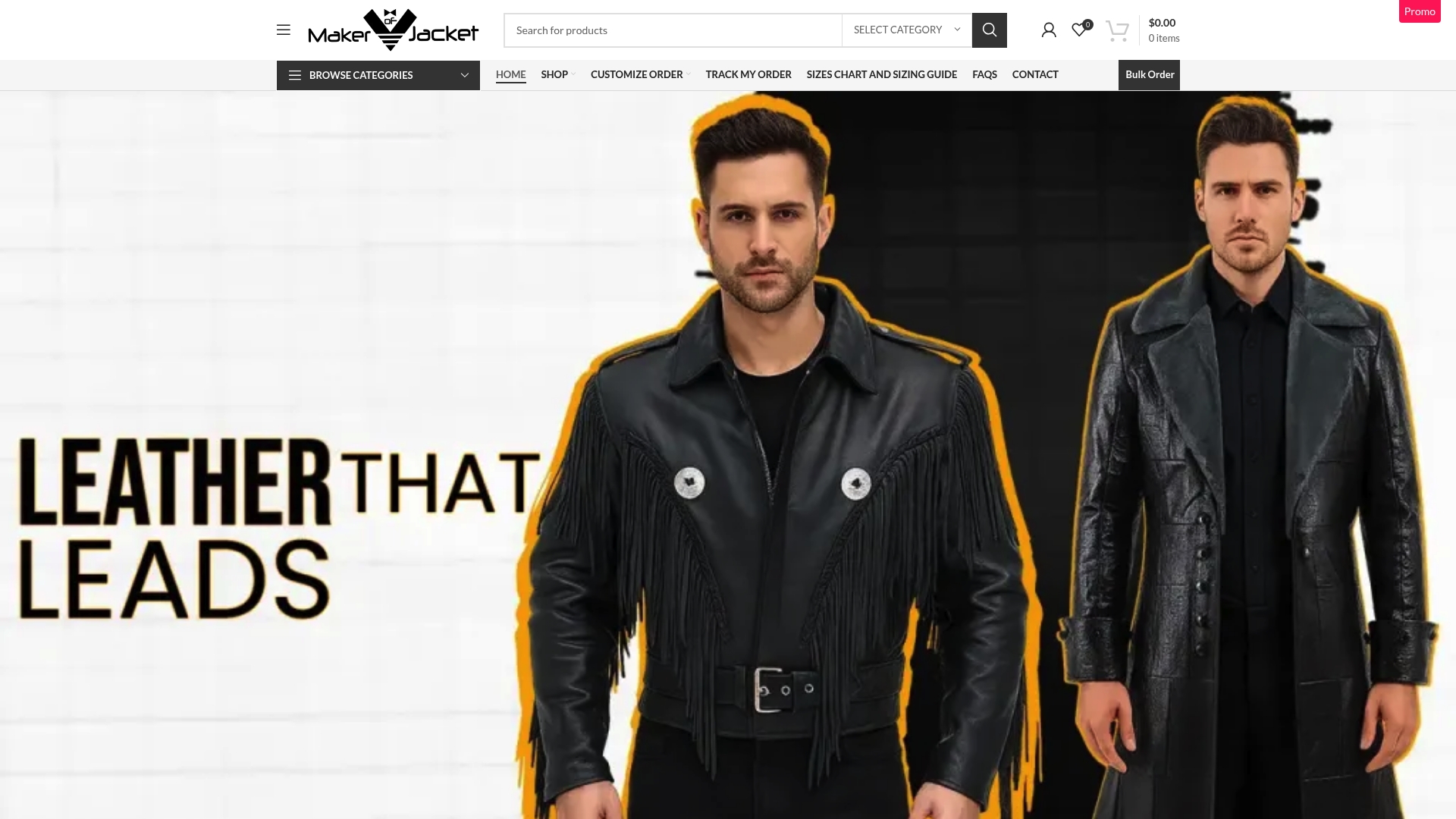
You can order your custom jacket through a straightforward online process that guides you through material selection, measurements, and design choices. The platform offers detailed specifications for each customization option, ensuring you understand exactly what you’re getting. From classic biker styles to contemporary fashion pieces, the range covers diverse preferences while maintaining quality standards. The unique customization journey walks you through each decision point, helping you create a jacket that reflects your personality and meets your protection needs. Whether you ride daily or want a statement piece that lasts decades, exploring how to customize jackets for unique style reveals possibilities beyond mass-produced options.
Frequently asked questions about features of quality jackets
What thickness of leather is ideal for motorcycle jackets?
Full-grain leather between 1.2 and 1.5 mm thickness provides optimal abrasion resistance for motorcycle use. This range balances protection during slides with enough flexibility for comfortable riding positions. Thinner leather under 1.0 mm works for fashion but lacks protective qualities serious riders need.
Are CE-certified armor pieces necessary in quality jackets?
CE-certified armor provides verified impact protection that meets standardized testing requirements. Level 1 or Level 2 ratings ensure the armor absorbs specific force levels during crashes, protecting shoulders, elbows, and back. Jackets without certified armor offer no guaranteed protection regardless of leather quality.
How does leather compare to textile in terms of safety and longevity?
Leather delivers superior abrasion resistance and typically lasts over 20 years with proper care, while textile jackets average 5–7 years under regular use. Leather excels in slide protection across all speeds, though quality textile with aramid reinforcement offers good protection in wet conditions. The choice depends on your primary riding environment and maintenance willingness.
Can leather jackets be customized for a better fit?
Custom leather jackets allow precise sizing that ensures armor sits correctly and protection covers vulnerable areas without gaps. You can specify measurements, style elements, armor placement, and features like ventilation or pockets. Custom fit becomes especially important for riders with non-standard body proportions or specific comfort requirements.
What maintenance prolongs a leather jacket’s life?
Regular conditioning every 3–6 months prevents drying and cracking, while proper storage away from direct sunlight and heat maintains leather integrity. Clean the jacket with appropriate leather cleaners after rides in wet or dirty conditions. Following comprehensive leather care tips ensures your jacket delivers decades of protection and style.
Do quality jackets require a break-in period?
Leather jackets need 2–4 weeks of regular wear to mold to your body shape and reach optimal comfort. During break-in, the leather softens and conforms to your movements, improving fit and reducing pressure points. This adaptation period results in a personalized fit that textile jackets cannot achieve.


