

Seasonal jackets enhance style, safety, customization 2026

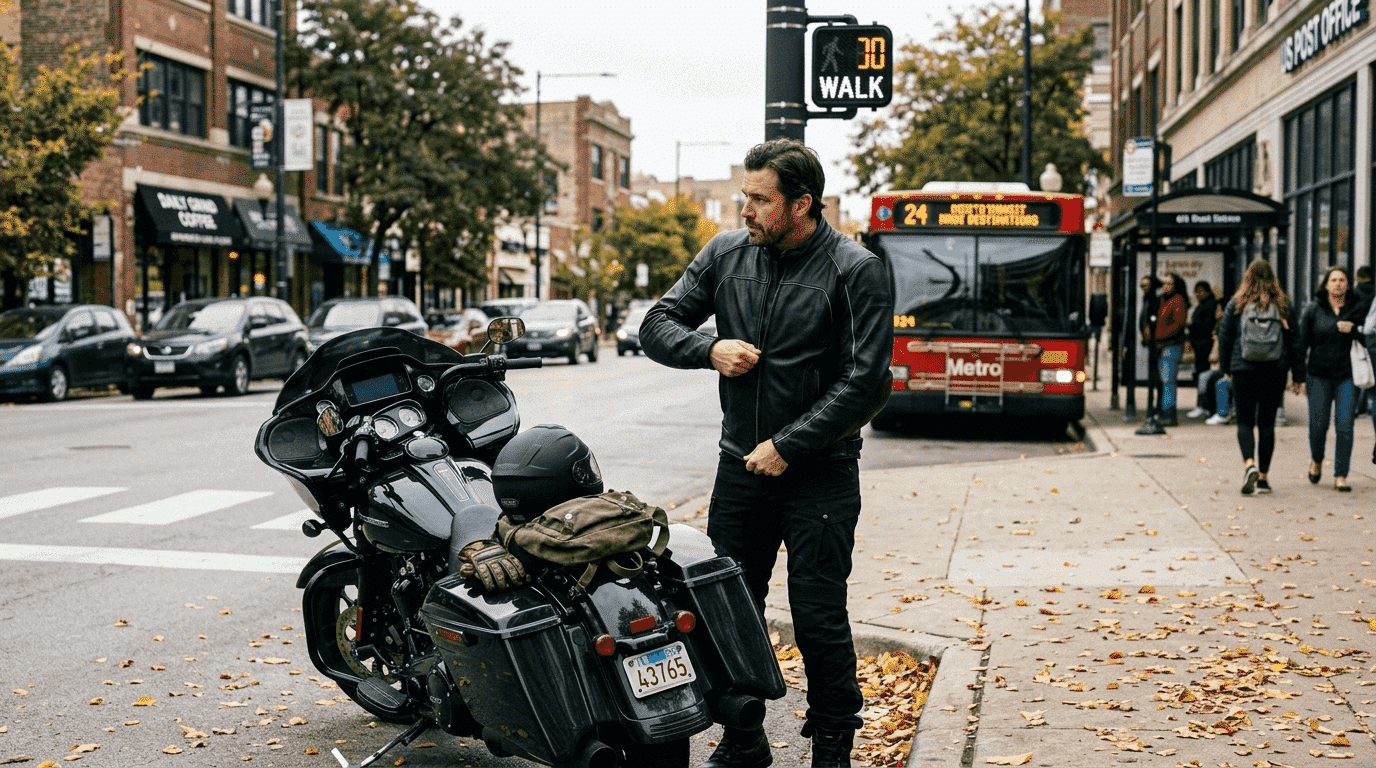
The role of seasonal jackets goes far beyond completing an outfit. They act as essential barriers against weather extremes and road hazards, especially for motorcycle enthusiasts who face unique risks. Many people underestimate how jacket design directly impacts both protection and comfort across different seasons. In 2026, customization options have transformed these garments from simple outerwear into personalized safety equipment that reflects individual style. This article explores why understanding the role of seasonal jackets matters for your wardrobe and wellbeing, covering materials, customization benefits, and selection strategies that merge fashion with function.
Table of Contents
- Why Seasonal Jackets Are Essential For Comfort And Safety
- The Evolving Materials Debate: Leather Vs. Textile In Seasonal Jackets
- Customization: Making Seasonal Jackets Uniquely Yours
- Choosing The Right Seasonal Jacket For Your Style And Needs In 2026
- Craft Your Perfect Seasonal Jacket Today
Key takeaways
| Point | Details |
|---|---|
| Weather adaptation drives safety | Seasonal jackets provide targeted insulation, waterproofing, and ventilation that all-season designs cannot match. |
| Material choice affects protection | Leather excels in abrasion resistance while textiles offer superior breathability and water resistance for varied conditions. |
| Customization increases value | Personalized features like armor upgrades and unique designs command premium prices and boost wearer satisfaction. |
| Strategic selection matters | Matching jacket features to climate, activity, and style preferences optimizes both safety and fashion appeal. |
Why seasonal jackets are essential for comfort and safety
Seasonal jackets represent far more than fashion statements for riders and style-conscious individuals. These garments provide critical protection against environmental hazards and physical injury, adapting their features to match specific weather patterns. Empirical data shows significant injury severity reduction when motorcyclists wear season-appropriate jackets designed for current conditions.
Functional Benefits Across Seasons
The functional benefits of seasonal jackets extend across multiple protective categories. Insulation levels vary dramatically between winter and summer designs, ensuring comfort without overheating or freezing. Wind protection becomes essential during high-speed riding, while waterproofing shields wearers from rain and snow. Abrasion resistance remains paramount for motorcyclists, as road contact during accidents can cause severe injuries without proper barrier materials.
Material Choices: Leather vs Textile
Leather jackets deliver exceptional abrasion resistance, making them ideal for riders prioritizing crash protection. The material’s natural toughness creates a durable shield against road surfaces. Textile jackets often surpass leather in waterproofing capabilities and breathability, allowing moisture to escape while blocking external water. This distinction matters significantly when choosing between materials for different seasonal demands.
Balancing Fashion and Safety
The intersection of fashion and safety creates unique challenges for jacket designers and consumers. Riders want gear that looks sharp while delivering maximum protection. Fashion-conscious individuals seek outerwear that transitions seamlessly from motorcycle to social settings. Sales data consistently shows demand spikes aligned with seasonal weather shifts, confirming that consumers recognize the value of weather-specific designs.
Key Protective Features by Season
Key protective features vary by season:
- Winter jackets emphasize thermal insulation and wind blocking
- Summer designs prioritize ventilation and moisture wicking
- Spring and fall options balance waterproofing with moderate insulation
- All variations can incorporate armor at shoulders, elbows, and back
“The right seasonal jacket transforms from simple clothing into a personal safety system that adapts to your environment and activity level.”
Making Informed Choices
Understanding these distinctions helps consumers make informed choices about which jackets truly serve their needs. Motorcycle safety studies continue to reinforce the importance of appropriate protective gear across all riding conditions. Selecting jackets that match seasonal demands reduces injury risks while maintaining the style and comfort that modern wearers expect from premium outerwear.
The evolving materials debate: leather vs. textile in seasonal jackets
Leather vs. Textile: Understanding the Debate
The choice between leather and textile materials sparks ongoing discussion among riders, fashion enthusiasts, and safety researchers. Each material brings distinct advantages that suit different preferences and conditions. Debate exists between leather’s protection and textiles’ breathability and water resistance, with neither option claiming universal superiority.
The Advantages of Leather Jackets
Leather jackets offer unmatched abrasion resistance that has protected riders for decades. The material’s thickness and natural durability create a formidable barrier against road surfaces during slides. Leather also delivers a classic aesthetic that appeals to traditionalists and fashion-forward individuals alike. Full-grain cowhide and buffalo leather represent popular choices for motorcycle jacket materials, each offering slightly different characteristics in weight and flexibility.
Modern Textile Jackets and Innovation
Modern textile jackets have evolved dramatically, incorporating advanced synthetic fibers that challenge leather’s dominance. These materials excel in waterproofing, often featuring multiple membrane layers that block rain while allowing perspiration to escape. Ventilation systems in textile designs can include zippered vents and mesh panels that dramatically improve airflow during hot weather. This breathability advantage makes textiles particularly attractive for summer riding and multi-season use.
Pro Tip: Consider your primary riding season and climate when choosing materials. Hot, dry climates favor textile breathability, while cooler regions benefit from leather’s natural insulation and wind blocking.
Performance Comparison: Leather vs Textile
The performance comparison reveals clear patterns:
| Feature | Leather | Textile |
|---|---|---|
| Abrasion resistance | Excellent | Good to very good |
| Waterproofing | Poor to moderate | Excellent |
| Breathability | Limited | Superior |
| Weight | Heavier | Lighter |
| Break-in period | Extended | Minimal |
| Style versatility | Classic, timeless | Modern, technical |
Consumer Preferences and Material Selection
Consumer preferences drive material selection based on individual priorities. Riders focused on maximum crash protection often choose leather despite its limitations in wet weather. Those who ride year-round in varied conditions frequently prefer textiles for their adaptability. The cowhide vs buffalo leather performance comparison adds another layer, showing how even within leather categories, meaningful differences exist.
Hybrid Jackets: Combining the Best of Both Worlds
Hybrid jackets represent an innovative solution that combines both materials strategically. These designs place leather in high-abrasion zones like shoulders and elbows while using textiles for the torso and back. This approach delivers protection where it matters most while maintaining breathability and reducing overall weight. Multi-season versatility becomes achievable without compromising critical safety features.
Advancements in Material Technology
Material technology continues advancing rapidly:
- Aramid fiber textiles now rival leather in abrasion resistance
- Leather treatments improve water resistance significantly
- Mesh-lined leather provides better ventilation than traditional designs
- Textile armor integration allows slimmer, more comfortable fits
The protective role of jackets study confirms that both materials can provide adequate protection when properly designed and worn. Your choice should reflect your specific riding patterns, climate conditions, and style preferences rather than following rigid rules about material superiority.
Customization: Making seasonal jackets uniquely yours
Personalization has transformed jacket purchasing from selecting off-the-rack options to creating truly individual garments. Consumers pay premiums for personalized features like material choice, armor upgrades, and design elements that reflect personal identity. This willingness to invest more reveals how customization satisfies both practical needs and emotional desires for self-expression.
Material and Armor Choices
Customization options span multiple dimensions of jacket design and function. Material selection allows buyers to choose between leather types, textile grades, and hybrid combinations. Color choices extend far beyond basic black, incorporating vibrant hues, patterns, and color blocking that make statements. Armor placement and quality can be upgraded from basic foam to CE-certified hard protectors at shoulders, elbows, spine, and chest.
Fit and Sizing Adjustments
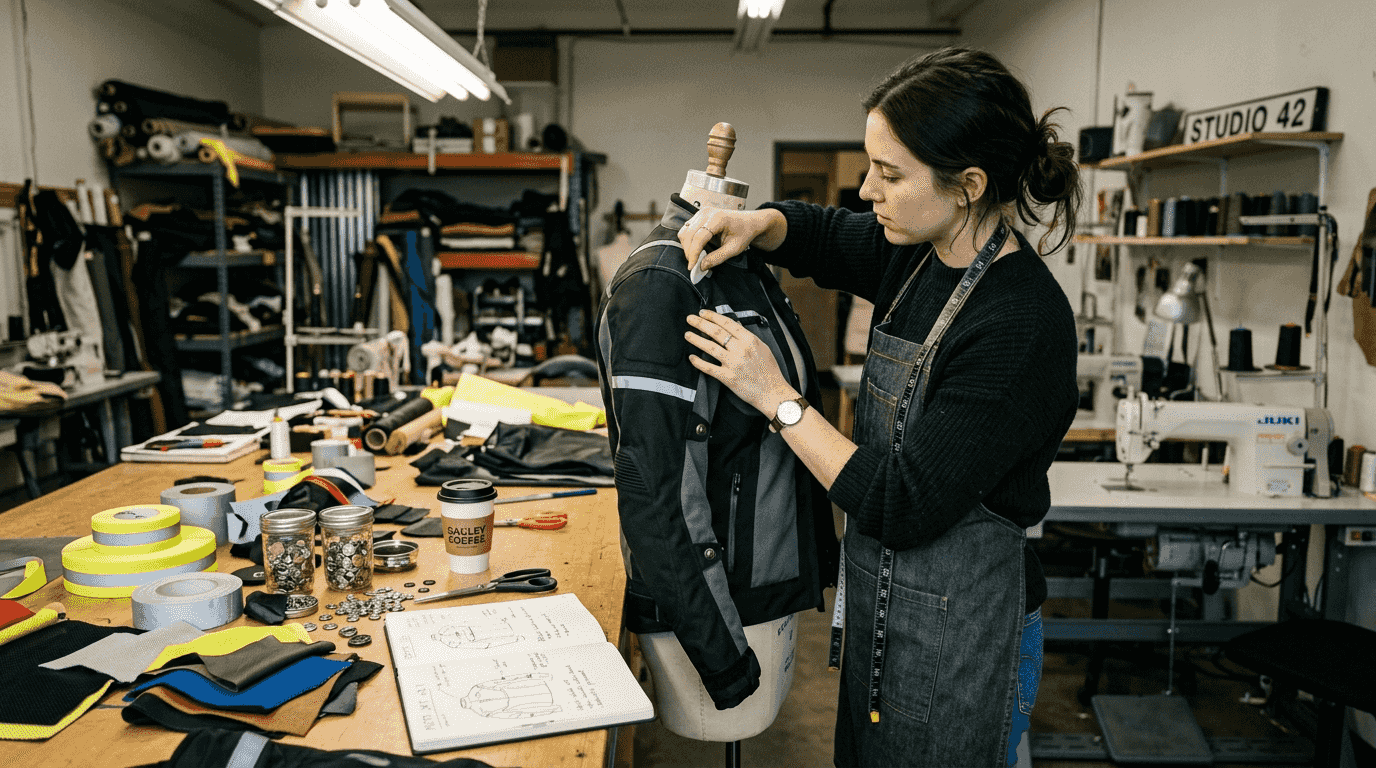
Fit customization addresses one of the most common complaints about standard sizing. Custom measurements ensure jackets accommodate individual body proportions rather than forcing wearers into generic small, medium, or large categories. This precision fit improves both comfort and safety, as properly fitted armor stays positioned correctly during impacts. Sleeve length, torso length, and shoulder width can all be adjusted to create garments that feel tailored rather than mass-produced.
Graphic and Visual Customization
Graphic customization lets wearers express personality through embroidery, patches, painted designs, and printed graphics. Motorcycle clubs often commission matching jackets with club logos and member names. Individual riders add personal symbols, favorite colors, or artistic elements that transform functional gear into wearable art. These unique style customizations create emotional connections that standard products cannot match.
Pro Tip: Start with safety features when customizing, then add style elements. Upgraded armor and proper fit matter more than graphics, but you can have both without compromise.
Popular customization categories include:
- Material upgrades: premium leather grades, advanced textile membranes
- Armor enhancements: CE Level 2 protectors, back protectors, chest guards
- Fit adjustments: custom measurements, adjustable waist systems, sleeve alterations
- Visual design: embroidery, patches, airbrushing, color combinations
- Functional additions: extra pockets, hydration systems, electronics integration
Choosing the right seasonal jacket for your style and needs in 2026
Selecting the ideal seasonal jacket requires balancing multiple factors that affect both performance and satisfaction. Climate assessment forms the foundation of smart jacket selection. Your local weather patterns dictate which features matter most. Regions with heavy rainfall demand superior waterproofing, while dry climates allow focus on ventilation and abrasion resistance. Temperature extremes influence insulation requirements and layering strategies.
Matching Features to Seasonal Conditions
Matching jacket features to seasonal conditions optimizes comfort and protection. Winter jackets need thermal liners, wind-blocking outer shells, and closures that seal out cold air. Summer designs prioritize mesh panels, moisture-wicking liners, and light colors that reflect heat. Spring and fall jackets balance moderate insulation with waterproofing capabilities, as these transitional seasons bring unpredictable weather.
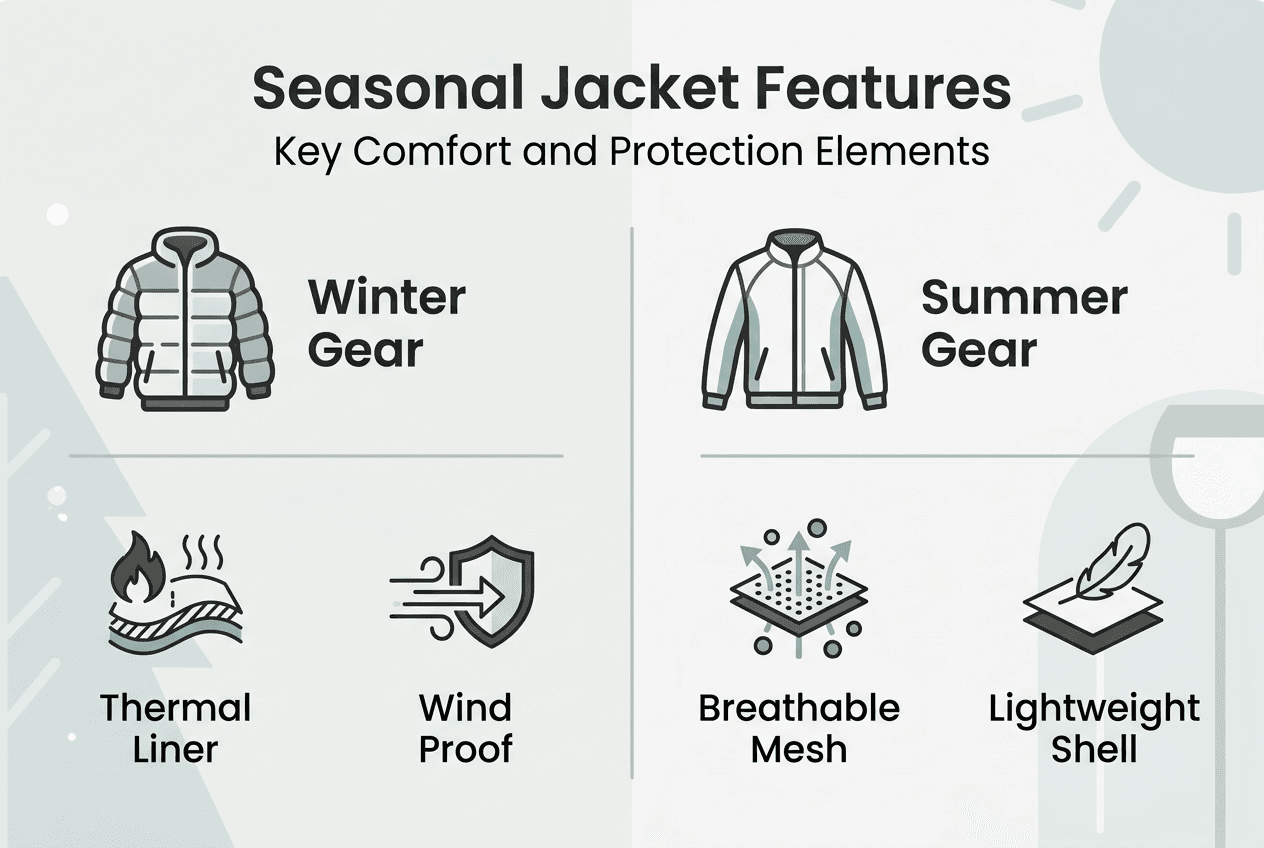
Sales peak seasonally as consumers seek style and protection tailored for weather and activities, confirming that strategic seasonal purchasing delivers better value than attempting year-round use of single jackets. This pattern reflects practical recognition that specialized gear outperforms compromise designs.
Layering for Versatility
Layering strategies extend jacket versatility across temperature ranges. A quality shell jacket paired with removable thermal liners adapts to changing conditions throughout the day. Base layers underneath provide additional insulation without bulk. This modular approach lets one jacket system serve multiple seasons with simple adjustments. Understanding how to layer jackets effectively maximizes your investment while maintaining protection.
Prioritizing Safety Features
Motorcycle riders must prioritize safety features regardless of seasonal considerations. Armor at impact zones remains non-negotiable. Reflective elements improve visibility during low-light conditions common in winter months. Secure closures prevent jackets from riding up during accidents. These protective elements should never be sacrificed for style preferences, though modern designs successfully integrate both.
Step-by-Step Selection Process
Practical selection steps:
- Identify your primary use season and secondary seasons
- Assess local climate patterns including temperature ranges and precipitation
- Determine required safety features based on riding frequency and conditions
- Establish budget including potential customization costs
- Compare materials and features against your prioritized needs
- Consider versatility through layering and removable components
Balancing Style and Function
Balancing style preferences with functional needs challenges many buyers. Fortunately, must-have jacket styles now incorporate advanced protective features without sacrificing aesthetic appeal. Classic designs receive modern updates with hidden armor pockets and technical materials that maintain traditional appearances.
Recommended Features by Season
| Season | Recommended Features | Material Priority | Style Considerations |
|---|---|---|---|
| Winter | Thermal insulation, wind blocking, sealed cuffs | Leather or heavy textile | Darker colors, layering compatibility |
| Spring | Moderate insulation, waterproofing, ventilation | Textile or treated leather | Versatile colors, removable liners |
| Summer | Maximum ventilation, moisture wicking, light weight | Mesh textile or perforated leather | Light colors, minimal bulk |
| Fall | Water resistance, moderate warmth, adaptability | Textile or hybrid construction | Earth tones, layering options |
Your lifestyle beyond riding also influences selection. Jackets that transition well from motorcycle to casual settings provide better value for those who wear them throughout the day. Removable armor and subtle styling allow the same jacket to serve multiple purposes without looking overly technical in non-riding contexts.
The decision process benefits from trying multiple options when possible. Fit varies significantly between manufacturers and styles. What works for one body type may not suit another. Online sizing guides help, but physical trials reveal comfort issues that measurements alone cannot predict. Many retailers now offer detailed return policies that allow home trials, reducing the risk of purchasing ill-fitting gear.
Craft your perfect seasonal jacket today
Your ideal seasonal jacket awaits creation through thoughtful customization that merges protection with personal style. Maker of Jacket specializes in expertly crafted customizable jackets that adapt to your specific needs, whether you ride year-round or seek fashion-forward outerwear that performs. Our design process puts you in control of materials, armor placement, colors, and graphic elements that transform standard jackets into personal statements.
Explore our comprehensive customization options where premium leather meets advanced textiles in designs that prioritize your safety without compromising style. Our craftspeople work directly with you to ensure proper fit, optimal protection, and visual appeal that matches your vision. From ordering your perfect custom jacket to understanding our unique customization journey, we guide you through every decision. Discover how personalized seasonal jackets elevate both your wardrobe and your confidence, backed by quality materials and construction that last. Check out our motorcycle gear essentials 2025 collection for inspiration and ready-to-customize options.
FAQ
What makes a jacket truly seasonal rather than all-season?
Seasonal jackets optimize specific features for particular weather conditions, adjusting insulation thickness, ventilation systems, and waterproofing levels to match temperature and precipitation patterns. Winter jackets emphasize thermal retention and wind blocking, while summer designs maximize airflow and moisture management. All-season jackets attempt versatility but typically compromise specialized performance, offering moderate features that work adequately across conditions without excelling in any specific season.
How does customization affect the price and quality of a seasonal jacket?
Adding customized features like upgraded armor, premium materials, and unique designs increases production costs and final prices, but these enhancements deliver measurable value through improved fit, protection, and personal expression. Customization results in higher user satisfaction and willingness to pay more, as personalized jackets meet specific needs that mass-produced options cannot address. Quality typically improves with customization because individual attention and premium components replace standardized manufacturing shortcuts.
Are leather or textile jackets better for motorcycle safety throughout the seasons?
Neither material claims absolute superiority, as each excels in different protective aspects depending on seasonal conditions and riding patterns. Leather offers abrasion resistance while textiles excel in breathability and waterproofing, making leather ideal for dry conditions prioritizing crash protection and textiles better for wet, variable weather requiring ventilation. Many experienced riders own both types, selecting based on daily weather forecasts and planned routes. Hybrid designs combining both materials strategically deliver balanced protection across multiple seasons.
How often should I replace my seasonal motorcycle jacket?
Replace jackets when materials show significant wear, armor degrades, or fit no longer provides adequate protection due to body changes. Leather jackets can last 10 to 15 years with proper care, while textile jackets typically need replacement after 5 to 8 years as waterproof membranes deteriorate and fabrics thin. Inspect armor annually for cracks or compression that reduces impact absorption. Any jacket involved in a crash should be professionally evaluated, as hidden damage may compromise future protection even if exterior damage appears minimal.
Can I add protective armor to a fashion jacket I already own?
Adding aftermarket armor to non-motorcycle jackets rarely provides adequate protection because fashion jackets lack proper armor pockets, retention systems, and impact-rated construction that keep protectors positioned correctly during crashes. Armor must stay precisely located at shoulders, elbows, and spine to function effectively, requiring purpose-built pockets with secure closures. Fashion jackets also typically use lighter materials that tear easily during slides, negating armor benefits. Invest in properly designed motorcycle jackets with integrated armor systems rather than attempting to retrofit unsuitable garments.
Recommended
- Jacket Customization: Elevating Personal Style and Safety – Maker of Jacket
- Best Jackets for Summer 2025: Stylish Choices for Every Fan – Maker of Jacket
- Spring Jacket Trends: Top Styles for Riders and Fashion Fans – Maker of Jacket
- Complete Guide to Jackets for All Seasons – Maker of Jacket
- Spring Event Season: The Best Custom Apparel for Festivals and Trade Shows – Custom T-Shirts and Embroidery in Utah | Pulse Merch


