

Essential jacket features for style and protection


TL;DR:
- A truly essential motorcycle jacket combines safety features, weather versatility, and personalized fit.
- Leather offers superior abrasion resistance, while textile jackets provide lighter weight and breathability.
- Proper fit, CE-certified armor, and customization ensure maximum protection and style for daily riding.
Finding a jacket that looks sharp on the street and actually protects you on the road is harder than it sounds. Most riders and fashion-forward buyers end up choosing one or the other, either settling for a great-looking jacket with minimal real protection or loading up on armor and sacrificing every trace of personal style. That tradeoff is not inevitable. With the right criteria in hand, you can find or build a jacket that passes the style test AND earns its keep on the highway. This guide walks you through the exact features that separate a truly essential jacket from the thousands of options that just look the part.
Table of Contents
- What makes a jacket truly essential?
- Material matters: Leather, textile, or hybrid?
- Key protective features you shouldn’t skip
- Style, fit, and customization: Making your jacket your own
- Why most riders and style-seekers get jacket decisions wrong
- Find your perfect jacket and customize your style
- Frequently asked questions
Key Takeaways
| Point | Details |
|---|---|
| Prioritize certified protection | AA/AAA ratings and CE Level 2 armor are non-negotiable for serious riders. |
| Material impacts performance | Leather offers the best abrasion resistance; textile excels in comfort and weather use. |
| Fit and customization matter | Adjustable and personalized features boost comfort, style, and real-world safety. |
| Don’t trade style for safety | Modern jackets can deliver both runway-inspired style and road-tested protection. |
What makes a jacket truly essential?
Not every jacket that claims to be protective actually delivers. Marketing language like “reinforced” or “built for riders” gets used loosely, and style-focused brands often skip meaningful safety testing entirely. The first step is building a clear mental framework so you know what to look for before you even start browsing.
A genuinely essential jacket checks boxes across multiple categories at once. Here are the baseline criteria worth measuring every option against:
- Abrasion resistance: The outer material must withstand contact with pavement at speed without immediately tearing through
- Certified armor: Impact protection at the shoulders, elbows, and back should meet real safety standards, not just include foam padding
- Weather versatility: Useful jackets work across seasons, either through removable liners or built-in ventilation
- Fit and adjustability: A jacket that gaps at the waist or restricts shoulder movement will not protect you the way it should
- Customizability: The ability to adjust length, armor pockets, or closures makes the jacket more useful long-term
On the safety side, armor ratings matter enormously. The quality motorcycle jacket features that actually protect you start with CE-certified armor, and you should prioritize AA/AAA-rated jackets with Level 2 CE armor for highway or motorcycle use. That rating is not just a sticker. It reflects real impact-absorption testing under standardized force loads.
Style and protection are not opposites. Many modern jackets hide their armor discreetly inside slim profiles, and a well-made leather jacket aged five years still looks better than most off-the-rack fashion pieces. The safety features guide breaks down exactly what to look for in certified protection without sacrificing visual appeal.
Pro Tip: When shopping in person, put the jacket on and reach forward like you are gripping handlebars. If the back rides up or the shoulders pull tight, the fit is wrong no matter how good it looks.
Material matters: Leather, textile, or hybrid?
Once you understand the criteria, the next big decision is material. This choice shapes everything: weight, weather performance, abrasion resistance, care requirements, and style profile.
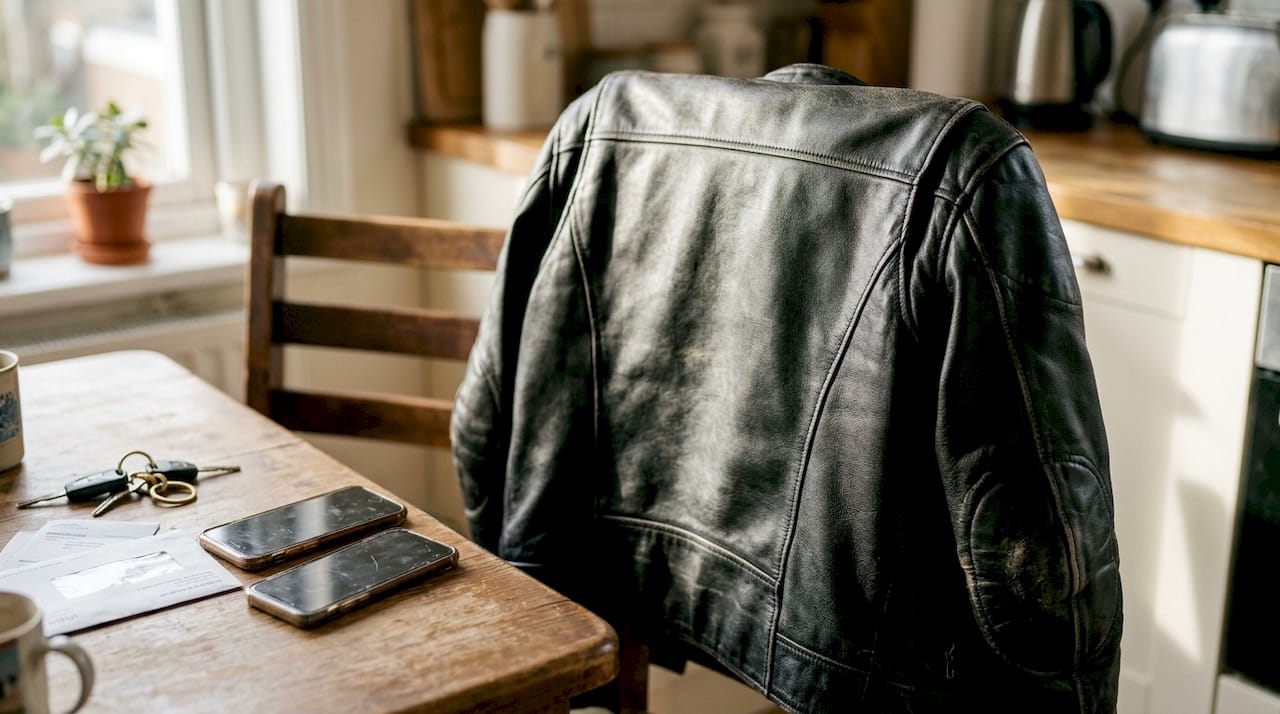
Leather remains the gold standard for abrasion resistance. At 1.0 to 1.2mm thickness, quality cowhide or kangaroo leather outperforms most textile options in standardized slide tests. The numbers back it up: leather results in 63% less road rash in crashes compared to textile. It also develops character over time, which is a genuine style advantage. The downside is weight and heat. Leather traps warmth, making it less comfortable for summer city commutes.
Textile jackets, particularly those made from Cordura 1000D, have improved dramatically. They are lighter, often more breathable, and better suited for mixed-weather riding. They tend to be the preferred choice among younger, urban riders who want something they can wear off the bike without looking geared up. The trade-off is that even high-grade textile falls behind leather in raw abrasion performance.
Hybrid jackets combine both, using leather panels at high-impact zones like shoulders and elbows while keeping textile on the back and sides for breathability. This is an increasingly smart option for riders who want protection with more casual wearability.
Here is a side-by-side comparison to make the decision easier:
| Feature | Leather | Textile (Cordura 1000D) | Hybrid |
|---|---|---|---|
| Abrasion resistance | Excellent | Good | Very good |
| Weatherproofing | Low (needs treatment) | High | Medium to high |
| Style versatility | Classic, bold | Casual, athletic | Balanced |
| Weight | Heavy | Light | Medium |
| Care requirements | Conditioning needed | Machine washable | Mixed |
Key pros and cons at a glance:
- Leather pros: Superior abrasion resistance, timeless style, improves with age
- Leather cons: Hot in summer, requires regular conditioning
- Textile pros: Lightweight, weatherproof, easier to maintain, explore types of motorcycle jackets for more variety
- Textile cons: Lower abrasion protection compared to leather
- Hybrid pros: Best of both, versatile across conditions
- Hybrid cons: Can be harder to find in fully customized options
Middle-aged enthusiasts who ride regularly and value leather jacket durability often gravitate toward leather for the long haul. When you are choosing motorcycle jacket material, match your material to your actual riding habits, not just your ideal riding self.
Key protective features you shouldn’t skip
Material is only part of the story. The internal and structural features of a jacket determine whether it actually protects you in a crash.
Here are the must-have protective features, in order of importance:
- CE Level 2 armor at shoulders and elbows: Level 2 is the higher standard, absorbing more force on impact. Level 1 meets minimum requirements, but Level 2 is what you want for real riding
- Back protector or armor pocket: Many jackets leave the back unprotected or include weak foam inserts. Look for a dedicated pocket that fits a Level 2 CE back protector
- Reinforced stitching: Double or triple stitching at stress points keeps seams intact during a slide, even when the outer material starts to wear
- Secure, YKK-rated zippers: Cheap zippers pop open under impact. Heavy-duty zippers keep the jacket closed when it matters
- Ventilation with closeable vents: Mesh panels or zippered vents let you ride comfortably in heat without leaving gaps in protection
- Removable thermal liner: A zip-out liner extends the jacket’s usable temperature range by 20 to 30 degrees, making one jacket work for three seasons
MotoCAP tests show real abrasion and burst strength scores for major jacket brands, giving you an objective look at how jackets perform before you commit to buying. Use that data alongside any marketing claims.
Fashion-forward buyers often assume armor makes a jacket look bulky or stiff. That used to be true. Today, slim-profile Level 2 armor fits inside tailored cuts without adding visual bulk. Check the jacket safety tips and the leather jacket fit checklist for a detailed rundown on how to verify what you are actually getting inside the jacket you are considering.
Pro Tip: Never accept “armor included” as sufficient information. Ask for the CE rating of the armor specifically. Level 1 and Level 2 are not interchangeable, and budget jackets frequently include unrated padding that offers very little real protection.
Style, fit, and customization: Making your jacket your own
Even a perfectly protective jacket fails if you never reach for it. Fit and personal style are what turn a good jacket into your jacket.
Proper fit does double duty. It keeps you comfortable during long rides and ensures armor sits correctly over the right body zones. A jacket that bunches at the back or gaps at the collar shifts armor away from where it needs to be. Before committing to any jacket, put it on in a riding position and move around.
Customizable features worth prioritizing:
- Adjustable waist tabs or side laces: Tailor the fit without going fully bespoke
- Detachable hood options: Adds versatility between riding and off-bike use
- Color and finish choices: Matte black, distressed brown, two-tone, or bold colorblocking all say something different
- Patch and embroidery additions: Personalize without replacing the whole jacket
- Length adjustments: A longer cut protects the lower back better on sport bikes
- Custom armor pocket placement: Especially useful if you have a non-standard frame or ride an unusual position
Here is a quick look at how customization choices affect your jacket’s function and look:
| Custom feature | Benefit | Fit/fashion impact |
|---|---|---|
| Adjustable waist | Better fit at all sizes | Cleaner silhouette |
| Detachable hood | Year-round versatility | Street-ready off the bike |
| Custom color | Personal identity | Stands out from off-the-rack |
| Armor pocket added | Upgraded protection | No visible change to style |
| Length extension | Lower-back protection | Better coverage on sport bikes |
Fashion-conscious young adults often prefer casual textile styles with lighter profiles, while middle-aged riders lean into timeless leather that ages well. Neither group has to compromise. Explore jacket styles for unique looks and use the guide to jacket styles to nail down what fits both your riding needs and your visual identity.
Why most riders and style-seekers get jacket decisions wrong
Here is the uncomfortable truth: most people buy jackets based on how they look in a mirror, standing still, in good lighting. That is exactly the wrong way to evaluate gear that needs to work when things go sideways at 50 miles per hour.
The other common mistake is overbuying for a use case that never happens. You buy a full-spec racing jacket for weekend city rides, wear it twice because it is too stiff and hot, and it collects dust on a hook. The best jacket is not the most protective one on the market. It is the one you actually put on every time you ride.
We have seen this play out repeatedly: riders who invest in a jacket that balances real protection with daily wearability end up wearing it constantly, which means they are protected constantly. That is a better safety outcome than a technically superior jacket hanging in the closet.
Style and protection stopped being a genuine trade-off about a decade ago. Brands and custom makers have caught up. The only thing standing between you and a jacket that does everything is knowing what to ask for. Choosing the perfect jacket comes down to honest self-assessment: where you ride, how often, and what you want it to say about you when you are not on the bike.
Find your perfect jacket and customize your style
You now have a clear picture of what separates an essential jacket from everything else on the market. The next step is finding one that checks every box without forcing you to trade style for safety.
At Maker of Jacket, we specialize in exactly that. Whether you want a fully customized jacket built around your measurements and preferences, or you want to browse ready-made styles and add your own details, we make it easy. Explore our range of jacket styles and customization options, or go straight to building your own with our custom jacket builder. Every jacket ships free worldwide, and our team is ready to help you get every feature right.
Frequently asked questions
How do I know if a jacket is truly abrasion-resistant?
Look for jackets rated AA or AAA and check for materials like 1.0 to 1.2mm leather or Cordura 1000D textile, which offer the best protection in standardized slide tests.
Is leather really better than textile for motorcycle jackets?
Leather offers significantly better abrasion performance and 63% less road rash in crashes, but textile wins on comfort, breathability, and weather protection, so the right choice depends on how and where you ride.
What features should I prioritize for city vs. long-distance riding?
For urban riding, focus on lightness, ventilation, and style; for long-distance touring, prioritize maximum protection along with weatherproofing and a fit you can wear comfortably for hours.
How can I make sure a jacket fits well and suits my needs?
Choose a style matched to your primary use case, and look for customizable fit options like adjustable waist tabs, cuff closures, and armor pockets to get the closest, most functional fit possible.


