

Motorcycle Jacket Vents: Retrofit or 3D Print Before Buying Mesh?

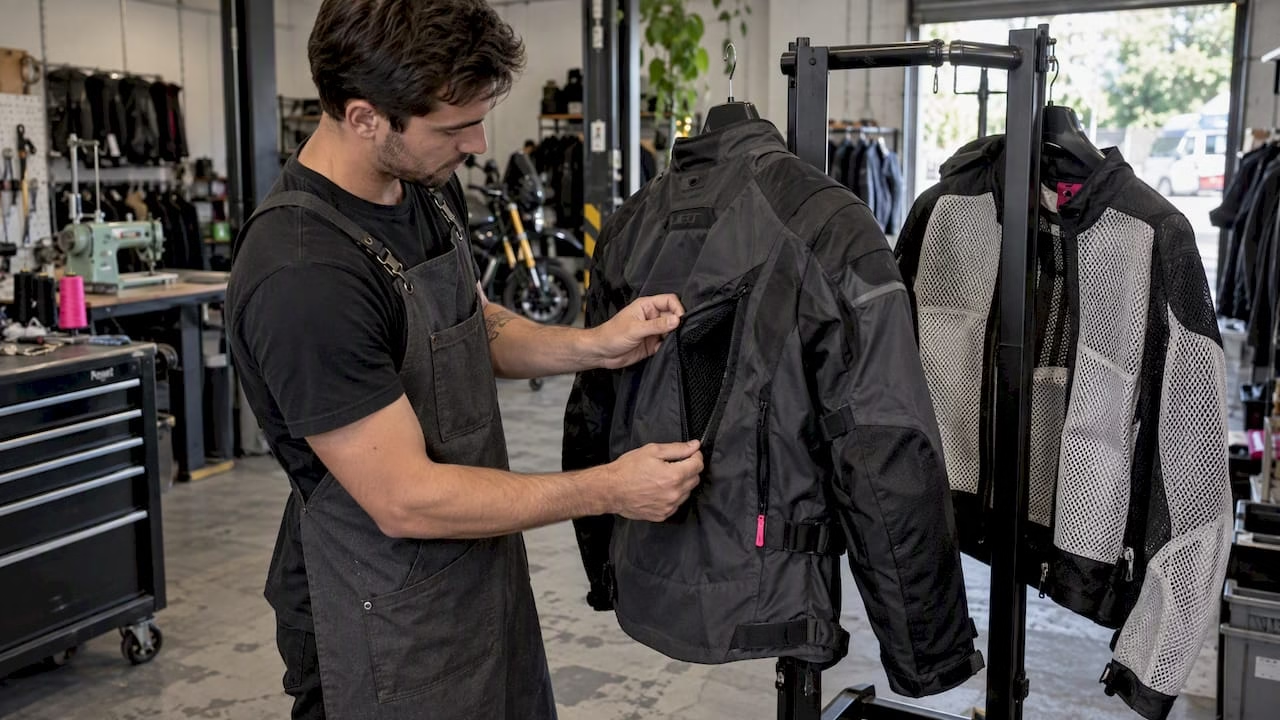
To improve airflow, you can add retrofit vents, fit printed sleeve scoops, or choose a purpose-built vented or mesh jacket. Each works when you pair intake points on the chest and sleeves with exhaust ports at the back, and wear a moisture-wicking base layer underneath. Research links hot-weather riding gear to real heat strain, so airflow is a safety matter, not only comfort.
TL;DR:
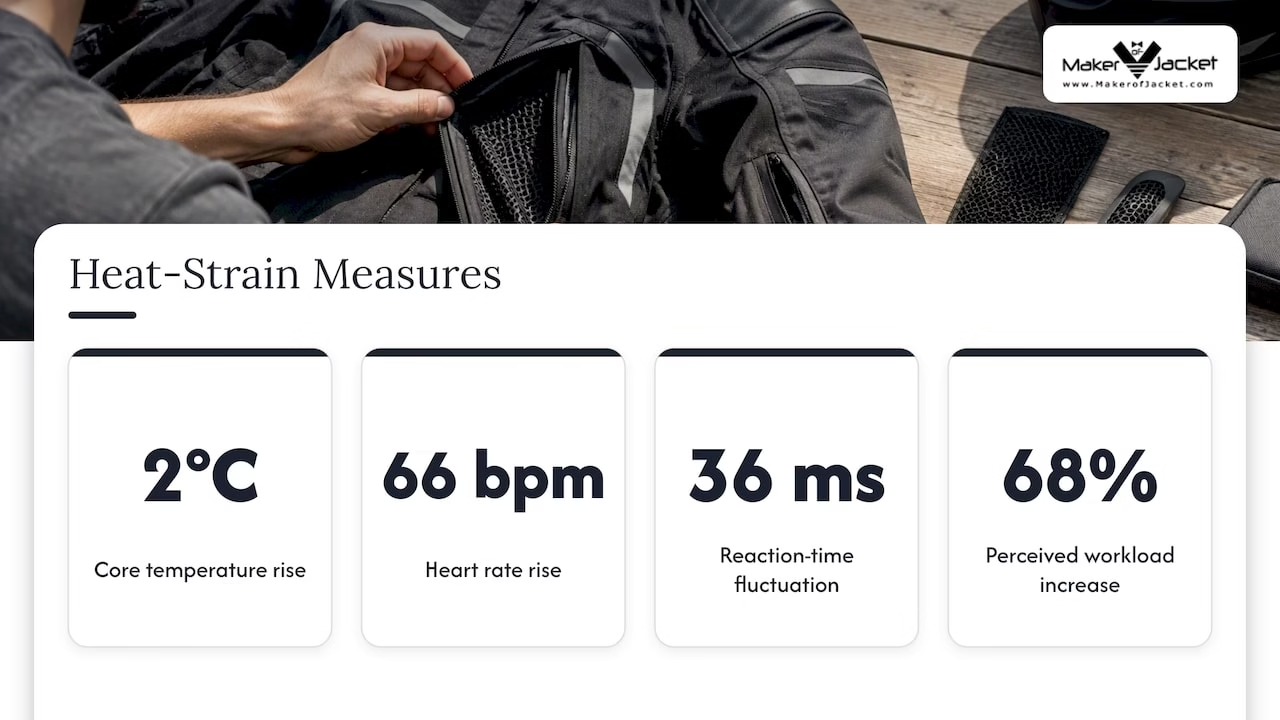
- A 90 minute trial at 35°C raised core temperature by 2°C and heart rates by 66 bpm, while reaction times fluctuated about 36 ms.
- For city traffic, full mesh cools without strong wind; at sustained highway speeds, closable chest and rear zippers help prevent chill and flapping.
- Retrofit cuts should stay clear of armor pockets and structural seams; choose removable clips or panels first, because a cut cannot be undone.
- Choose a hybrid jacket with a removable liner for changing seasons, while wet weather requires a waterproof outer layer because mesh does not repel rain.
Table of Contents
- How motorcycle jacket vents work: entry, channeling, and exhaust
- Add-on and retrofit vents: zipper inserts, sleeve scoops, and chest ports
- 3D-printed vents and DIY mods: materials, design patterns, and comfort tips
- Mesh, perforated leather, and hybrid jackets: when to buy instead of retrofit
- How to use vents while you ride
- Fit and installation basics for adding vents or choosing a vented jacket
- Safety evidence: why ventilation matters for heat strain
- Comparing vent designs for urban, highway, and off-road riding
- Maintenance and care for vented jackets
- Choosing a vented jacket by climate and season
- Integrating vents with armor and protective features
- What riders report: vent effectiveness on real rides
- Our perspective on vented and customizable motorcycle jackets
- How we can build your vented jacket
- FAQ
- Sources
How motorcycle jacket vents work: entry, channeling, and exhaust
A vent is only half a system. Air has to come in somewhere, travel across your body, and leave somewhere else. Rider-protection guidance recommends placing air entry points on forward-facing parts of the body, such as the chest and sleeves, with exit ports at the back.
The reason is pressure. When you ride, the front of your torso and the leading edge of your arms push against the air, creating a high-pressure zone. Your back sits in a lower-pressure pocket, which pulls air out. Open a chest vent without a rear exit and the air has nowhere to go, so it stalls and barely cools you.
Sweat does the actual cooling. Moving air evaporates moisture from your skin, and a wicking base layer helps keep moisture available at the surface for airflow.
Before you buy or modify anything, run this quick check:
- Is there an intake on the chest, upper sleeves, or both?
- Is there an exhaust on the back, shoulder blades, or upper back yoke?
- Can air travel between them, or does a liner or armor pocket block the path?
- Does the vent close firmly when the weather turns?
- Will you wear a wicking layer underneath?
If a jacket fails the second or third question, adding intakes alone will not help much.
Add-on and retrofit vents: zipper inserts, sleeve scoops, and chest ports
If your current jacket is solid fabric or leather and you like it, retrofitting can be a reasonable middle path. Common types and how they mount:
- Zipper inserts. A zipper is sewn into a cut opening, often backed by mesh. These give the largest opening and can be closed completely, but they need a skilled seamstress and are permanent.
- Sew-in mesh panels. Mesh replaces a section of the shell in low-impact areas such as the inner arm or lower back. Airflow is constant, so these suit hot climates better than changeable ones.
- Clip-on or strap-on sleeve scoops. Small cups catch air at the forearm and funnel it up the sleeve. They install in minutes and remove just as fast.
- Magnetic or zip-on panels. Removable vent panels attach to existing zipper tracks or fixed anchor points, which makes them easy to swap by season.
For placement, keep inserts clear of seams, zippers, and armor pockets. Cutting through a structural seam can weaken the jacket in a crash. Chest openings work best slightly above the sternum line, where wind pressure is highest, and rear exhausts belong high on the back.
When you are unsure, choose removable. A clip-on scoop can be taken off if it flaps or rubs, while a cut cannot be undone; for ideas on summer footwear and outfits that keep you cool, check out these summer combat boots outfits.
3D-printed vents and DIY mods: materials, design patterns, and comfort tips
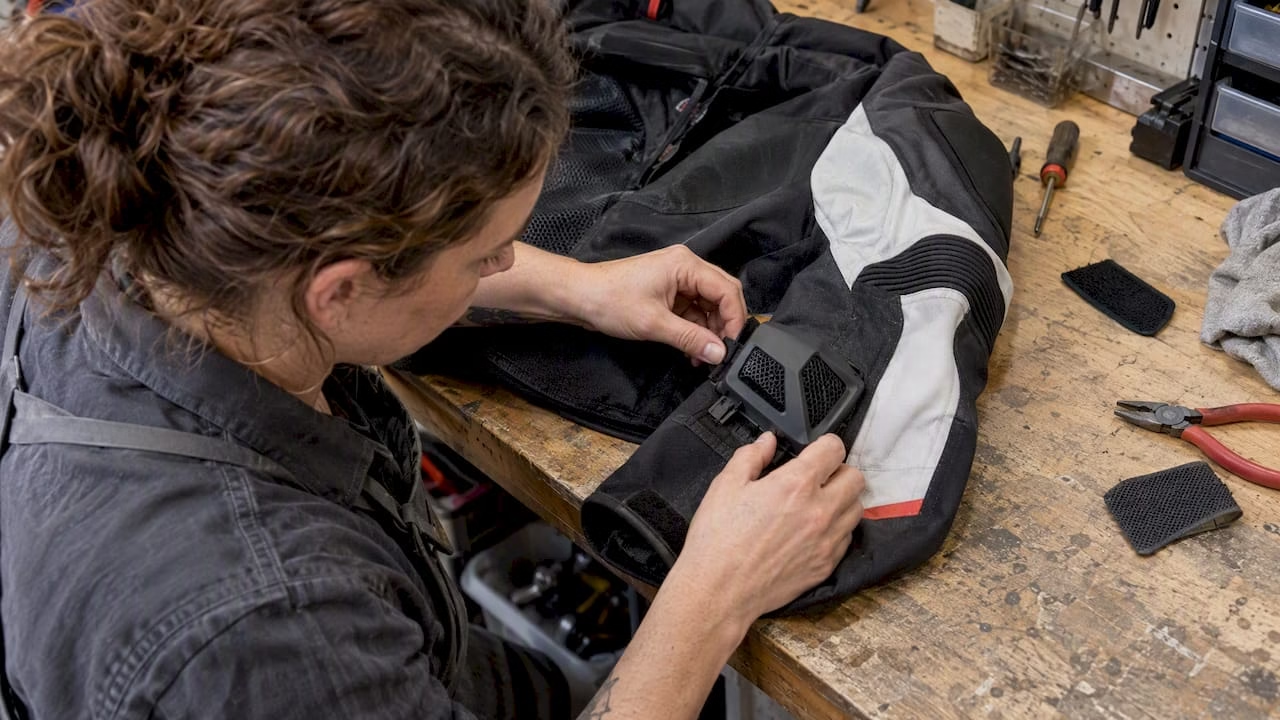
Riders who own or can access a 3D printer often make sleeve scoops, small intakes, and simple grilles. Printed parts are cheap to iterate on, so you can adjust the angle and size until the airflow feels right.
- Flexible material for skin contact. Flexible TPU or a flexible resin bends with your arm and is gentler on contact points than rigid plastic.
- Stiffer lip where needed. A slightly firmer rim keeps the opening from collapsing in the wind.
- Attachment options. A clip-over cuff, low-profile adhesive, or rivets work, depending on how permanent you want the mod to be. Keep all of them away from armor and zippers.
- Comfort details. Add a soft backing and round every edge so nothing digs in over a long ride.
Pro Tip: Test every printed part at low speed first. A scoop that sits flat at lower speeds can catch and flutter at highway speed.
Mesh, perforated leather, and hybrid jackets: when to buy instead of retrofit
Sometimes the right fix is a different jacket. Full-mesh textile jackets cover a large area with airflow, and reviewers report that in heat above 30°C a single-layer mesh jacket can feel like switching on air conditioning, noticeably better than perforated leather. CE-certified mesh designs typically keep tougher abrasion-resistant fabric at the shoulders and elbows.
- Full mesh: Best for sustained heat and stop-and-go riding. It is not waterproof, so riders pair it with a waterproof over-layer when rain appears.
- Perforated leather: Targeted cooling with the look and feel many riders prefer. Flow is lower than mesh, so it suits moderate heat and faster riding.
- Hybrid textiles with removable liners: Mesh in the torso and inner arms, solid fabric in the impact zones, and a liner you can remove or add. These cover several seasons with one jacket.
Decision cues: if you ride slowly in traffic or in sustained heat, mesh wins. If you ride fast on open roads and want leather, perforation plus retrofit vents can work. If you need one jacket for spring through fall, a hybrid with a liner is the safer bet. For a deeper look at constructions, read our mesh motorcycle jacket guide.
How to use vents while you ride
Good vents still need good habits. Practitioners note that riders can exploit the wind pocket behind a windshield and reposition their limbs to channel air into sleeves and past the armpits.
- Catch the wind. Lean slightly forward and keep your elbows a little away from your ribs so air can enter the sleeves and flow across your torso.
- Match vents to speed. Open everything at moderate speed in heat. At very high speed or when the air cools, close the chest vents to avoid chill.
- Layer for evaporation. Wear a thin wicking base layer. Our layering guide covers removable liners and what to wear in each condition.
- Check before you leave. Confirm intake and exhaust are both open, nothing is flapping, and the zippers are fully seated.
- Adjust at stops. At a light or fuel stop, reset vents for the next stretch rather than riding with the wrong setting.
Pro Tip: If your chest feels cold but your back is hot, close the chest intakes halfway and leave the rear exhaust open. That keeps flow without the chill.
Fit and installation basics for adding vents or choosing a vented jacket
Most mistakes here come from rushing a mod or buying a jacket that does not fit well. Keep these rules in mind:
- Never cut into or cover armor pockets, and avoid major load-bearing seams.
- Size scoops and chest inserts so they sit flat against the jacket. An oversized scoop flaps, buzzes, and loses intake.
- Prefer reversible methods such as clips, snaps, or zip-on panels when you are not sure the placement works.
- When buying a vented jacket, confirm the armor sits where it should at your size. A loose mesh jacket lets armor shift, which defeats the point.
- Test ride in steps: a short low-speed loop first, then a moderate road, then highway speed. Check for rubbing, flutter, and any gap that lets armor move.
For a broader checklist of what to inspect on any jacket, see our overview of features of quality motorcycle jackets.
Safety evidence: why ventilation matters for heat strain
Ventilation can feel like a luxury until you look at what heat does to a rider. In a simulated 90-minute ride at 35°C, researchers measured serious strain on participants wearing protective clothing.
Core body temperature rose by 2°C and heart rates rose by 66 bpm in the 90-minute hot-weather trial, while reaction times fluctuated by about 36 ms and perceived workload climbed by 68%. In plain terms, a hot rider is a slower, more taxed rider.
Through-flow venting supports evaporative cooling, which is the body’s main way to shed heat, so it helps limit that strain. The practical takeaway is simple: on hot rides, good ventilation helps you stay alert. Research on protective clothing also shows it reduces soft-tissue injuries, which is why riders should be able to tolerate wearing it in the heat rather than leaving it at home.
Comparing vent designs for urban, highway, and off-road riding
Different roads ask different things from a jacket, so no single vent layout is best everywhere.
Urban riding. Speeds are low and you spend time stopped, so wind pressure is weak. Large, always-open areas such as full mesh or big mesh panels do the most work because they do not rely on speed. Zip vents help less when the air is barely moving. Pair them with a wicking base layer, and expect to open and close vents often at lights.
Highway riding. Speed is your friend. Chest intakes and rear exhausts create strong through-flow, so closable zip vents shine here because you can dial in cooling and avoid chill. At sustained high speed, too much open mesh can feel cold in the morning and cause flapping, so adjustable vents are the better choice.
Off-road and adventure riding. Speeds are lower and exertion is high, so you generate heat fast. Look for big vent area, mesh in low-impact zones, and removable liners. Keep exhaust ports clear of dust and debris, and consider a lightweight outer layer for when the weather changes.
| Condition | Best vent style | Why |
|---|---|---|
| Urban | Large mesh panels | Works without wind speed |
| Highway | Closable chest and rear zips | Tunable through-flow |
| Off-road | High-area mesh with liner | Handles effort and changing weather |
Maintenance and care for vented jackets
Vents only cool if air can pass through them, so care is mostly about keeping them clear and keeping the shell strong.
- Clean mesh regularly. Dust, sweat salt, and road grime clog openings and reduce flow. Rinse or wash gently according to the care label, and let it dry fully before storing.
- Protect zippers. Wipe grit from vent zippers and lubricate them with a zipper-safe product if they stick. A seized vent zipper is a vent you cannot adjust.
- Check stitching around openings. Look at the seams around mesh and zip panels before each season. Small stitch pulls are easy to repair early and costly later.
- Care for perforated leather. Use a leather cleaner and conditioner sparingly so the perforations do not fill with product. Too much conditioner clogs holes and softens the leather.
- Inspect printed and clip-on parts. Look for cracks, loosened clips, and worn adhesive. Replace anything that wobbles, since a loose part can flutter or rub.
- Store properly. Hang the jacket on a wide hanger in a cool, dry place. Crushing mesh and folding it tightly can crease panels and weaken seams over time.
If mesh does get damaged, repair or replace it rather than riding with a hole in a protective panel. Our related content on quality construction shows which areas to check most closely.
Choosing a vented jacket by climate and season
Match the jacket to the weather you actually ride in, not the best day of the year.
Hot and dry climates. Full mesh or heavily perforated designs work best. Dry air helps sweat evaporate quickly, so airflow translates into real cooling. A light-colored outer layer also helps, since light colors reflect infrared heat and complement active ventilation.
Hot and humid climates. Humidity slows evaporation, so you need more airflow, not less, plus a good wicking layer. Large mesh area and adjustable exhausts matter most.
Mild or changeable climates. A hybrid jacket with zip vents and a removable liner gives the most flexibility. Open vents at midday, close them in the morning and evening, and swap liners as the season turns.
Cool seasons. Choose a jacket with closable vents and a liner you can add. Vents should seal tightly so you do not feel a draft, and you can open them on warmer afternoons.
Wet climates. Remember that mesh is not waterproof. Plan to carry a waterproof over-layer, or choose a jacket system that includes a rain liner.
If you ride across several climates, a hybrid with removable layers usually beats a one-trick mesh jacket.
Integrating vents with armor and protective features
Ventilation should never cost you protection. The safest designs place vents where they do not compromise impact zones, which is why many jackets use mesh on the torso and inner arms but keep solid, abrasion-resistant material at the shoulders and elbows. Practitioner analyses describe this layout and note that removable liners are common for weather versatility.
When adding or choosing vents, apply these principles:
- Keep armor pockets fully intact. Never cut through a pocket or reduce the room armor needs to sit correctly.
- Leave shoulder and elbow zones solid. These areas take the heaviest abrasion and impact in a slide.
- Check that vents do not let armor shift. Armor should sit at the right spot at speed, even with open vents.
- Look at seam placement. Vents cut across structural seams can weaken them, so position them between seams rather than over them.
- Consider back protectors. Make sure exhaust ports and rear panels do not interfere with how a back protector sits.
If you are unsure whether a modification touches a protective feature, leave it alone or choose a removable option. A jacket that cools well but fails in a crash is not doing its job.
What riders report: vent effectiveness on real rides
Here we describe general patterns from published reviews, not individual stories of our own. Gear tests of full-mesh jackets describe a clear difference in hot conditions: in 30°C-plus heat, a single-layer mesh jacket was likened to switching on air conditioning. Practical reviews also note that mesh jackets are critical once temperatures reach 90 to 100°F.
Other riders report the opposite lesson. A jacket with generous chest vents and no rear exhaust can feel disappointing, because air enters but cannot flow through, which matches the entry-and-exhaust principle covered earlier. Riders who correct this by opening a back exhaust or leaning slightly to catch the wind typically describe a clear improvement.
Technique also shows up in the guidance from practitioners, who describe riders repositioning their limbs and using the wind pocket behind a windshield to push more air into sleeves and across the torso.
What these accounts share is consistent: results depend on the whole system. Intake, exhaust, base layer, and posture together matter more than any single vent. Treat your own test rides as the real case study, and note what changes at different speeds.
Our perspective on vented and customizable motorcycle jackets
We build custom jackets, so we see the same trade-off from riders constantly: protection, style, and airflow pull in different directions. Customization lets you tailor your jacket to your personal preferences. Review our size guide and customization options before you plan a vent-focused build.
— Maker
How we can build your vented jacket
Our custom motorcycle jackets are tailored to your specifications. Here is how to start:
- Browse our custom motorcycle jackets and pick the style that fits your riding.
- Check the size guide so your armor sits correctly.
- Note your preferences in the order notes.

Our Customize Motorcycle Jacket Order starts at $299 on our customize order page, and you can request the airflow layout you want when you place it.
FAQ
What is the best motorcycle jacket for hot weather?
A full-mesh textile jacket usually gives the most cooling, since reviewers report it can feel like switching on air conditioning in 30°C-plus heat. Perforated leather and hybrid designs suit moderate heat or mixed seasons.
What is a jacket vent?
A jacket vent is an opening, often a zipper or mesh panel, that lets air move through the jacket. It works best when intake vents on the chest and sleeves are paired with exhaust ports at the back.
Are motorcycle jackets supposed to be tight?
A motorcycle jacket should fit snugly enough that armor stays in place during a ride, but not so tight that it restricts movement or blocks airflow. Too loose a fit lets armor shift and the shell flap.
What are the main functions of a motorcycle jacket?
A jacket protects against abrasion and impact, and protective clothing reduces soft-tissue injuries. It also manages weather, and good ventilation helps you tolerate wearing it in the heat.
Are motorcycle jacket vents necessary?
In hot weather, they are worth having. Heat strain affects performance, and hot-weather trials show rising core temperature and workload, so airflow supports comfort and alertness.
Sources
- Could wearing motorcycle protective clothing compromise rider safety in hot weather? – PubMed
- This budget mesh jacket got four stars from Ben in 30+ °C
- Rider Protective Equipment Paper – Liz de Rome – LdeR Consulting


