

7 Essential Steps for the Perfect Leather Jacket Buying Guide

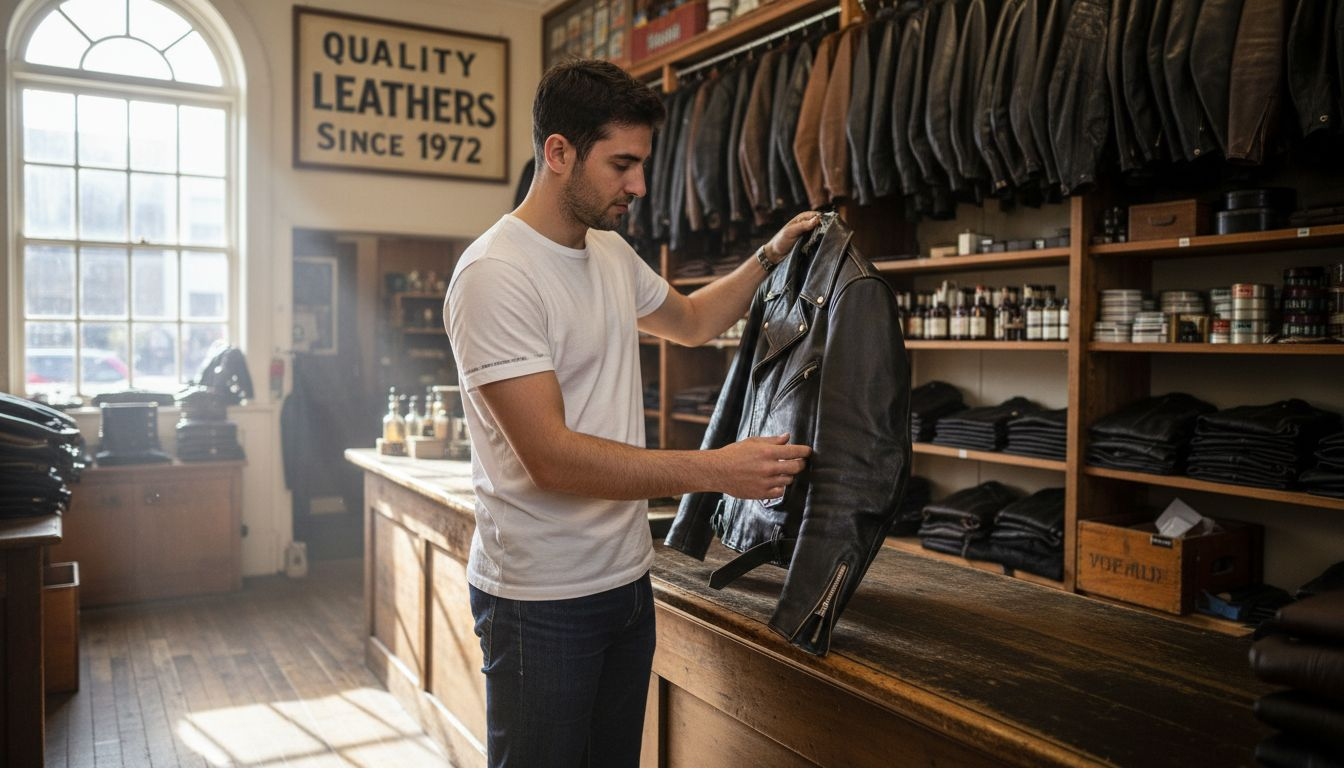
Most American riders know that over 80 percent of motorcycle enthusiasts want gear that looks as good off the road as it performs on it. Finding a leather jacket to suit both your unique riding needs and individual style is no small feat. Whether you crave unbeatable durability, personalized design, or comfort for every mile, learning what sets top quality leather jackets apart gives you a confident edge when choosing your next piece.
Table of Contents
- Understand Popular Leather Types And Their Benefits
- Pick The Right Fit And Size Using Size Guides
- Evaluate Style Options For Riding And Fashion Needs
- Customize Your Jacket For A Unique Look
- Check Quality Indicators Like Stitching And Hardware
- Consider Practical Features For Motorcycle Use
- Review Care Tips To Keep Your Leather Jacket Looking New
Quick Summary
| Takeaway | Explanation |
|---|---|
| 1. Choose Full Grain or Top Grain Leather | These leather types offer superior durability, weather resistance, and long-term satisfaction for motorcycle jackets. |
| 2. Measure Accurately for the Right Fit | Precise body measurements ensure comfort and safety while riding, reducing the risk of improper sizing. |
| 3. Assess Quality Indicators Before Purchase | Look for consistent stitching, sturdy hardware, and reinforced seams to guarantee a high-quality leather jacket. |
| 4. Prioritize Protective Features in Designs | Select jackets with impact protection and weather resistance to enhance safety during motorcycle riding. |
| 5. Regularly Maintain Your Leather Jacket | Cleaning and conditioning your jacket extend its lifespan and maintain its appearance, ensuring your investment lasts longer. |
1. Understand Popular Leather Types and Their Benefits
Choosing the right leather for your motorcycle jacket goes far beyond simple aesthetics. Understanding leather types is critical for performance, durability, and long-term satisfaction with your investment.
Leather comes in several quality grades, each offering unique characteristics. Full grain leather represents the highest quality, featuring the hide’s outermost layer with natural markings and exceptional durability. Unlike processed alternatives, full grain leather develops a rich patina over time, telling the story of your rides and adventures.
The main leather types include full grain, top grain, split leather, and bonded leather. Full grain leather maintains the entire grain surface, preserving the hide’s strongest fibers. Top grain leather undergoes slight surface correction to remove imperfections, creating a smoother appearance while retaining good quality. Split leather comes from lower hide layers and offers less durability, while bonded leather represents the most budget-friendly option made from leather scraps.
When selecting a leather jacket, prioritize full grain or top grain leather for motorcycle gear. These types provide superior strength, weather resistance, and the ability to withstand road conditions. Properly sourced leather is also a sustainable material, typically a byproduct of the meat industry that reduces overall waste.
Pro Tip: Always inspect leather jackets under good lighting to assess grain quality, natural markings, and potential imperfections before making your final purchase.
2. Pick the Right Fit and Size Using Size Guides
A perfectly fitted leather jacket is more than just a style statement it is a critical safety element for motorcycle enthusiasts. Accurate jacket measurements determine comfort and protection for riders, making precise sizing crucial.
Understanding sizing requires knowing your exact body measurements. Most leather jacket size guides recommend measuring key areas including chest, waist, shoulders, back length, and arm length. These dimensions vary significantly between manufacturers, so relying on a single numeric size can be misleading.
To ensure an ideal fit, you will want to take precise measurements using a flexible measuring tape. Stand naturally and measure your chest at its widest point, keeping the tape horizontal and snug but not tight. For arm length, measure from the shoulder point down to your wrist, ensuring freedom of movement essential for motorcycle riding.
Important Measurement Tips:
- Wear thin clothing when measuring
- Stand straight with arms relaxed
- Measure twice to confirm accuracy
- Allow slight room for layering underneath motorcycle gear
Clothing sizes demonstrate complex variations across different manufacturers and regions. Some brands use standard numerical sizing, while others employ vanity sizing or unique measurement systems. Always check the specific brand’s size chart and compare your measurements carefully.
Pro Tip: When in doubt about sizing, opt for a slightly larger jacket that can be professionally tailored rather than a too-tight option that restricts movement.
3. Evaluate Style Options for Riding and Fashion Needs
Choosing a leather jacket goes far beyond simple aesthetics. Leather jackets represent more than just clothing they symbolize identity, culture, and personal expression, especially for motorcycle enthusiasts.
Motorcycle riders need jackets that balance protection, functionality, and style. Traditional styles like classic bomber jackets and racing cut motorcycle jackets offer different benefits. Bomber jackets provide a looser fit with added warmth, while racing jackets feature a more streamlined design that reduces wind resistance and enhances aerodynamics.
Key style considerations include:
- Riding Position Compatibility: Jackets designed for sport riding versus cruiser styles
- Protection Features: Reinforced shoulders, elbow padding, back armor
- Ventilation Options: Perforated leather or zippered vents for temperature regulation
- Color and Finish: Black remains classic, but modern riders explore vintage browns, distressed finishes, and subtle color variations
Leather gear communicates cultural identity beyond simple fashion statements. Your jacket tells a story about your riding style, personal aesthetic, and connection to motorcycle culture.
Consider your primary riding environment urban streets, long highway routes, or weekend adventure rides when selecting your jacket style. Each context demands slightly different design features and aesthetic approaches.
Pro Tip: Select a versatile leather jacket that transitions smoothly between riding gear and casual social settings, maximizing your investment and style flexibility.
4. Customize Your Jacket for a Unique Look
A leather jacket is more than protective gear it is a canvas for personal expression. Leather jackets offer incredible customization opportunities that allow riders to transform a standard piece into a truly personal statement.
Customization options range from subtle modifications to dramatic transformations. You can personalize your jacket through various design elements like color treatments, unique hardware, specialized patches, and custom linings. Think about your riding style and personal aesthetic when selecting these details.
Key Customization Strategies:
- Color Selection: Choose from classic black, vintage browns, or bold color treatments
- Hardware Upgrades: Replace standard zippers with premium metal options
- Personalized Patches: Add motorcycle club emblems, regional identifiers, or personal artwork
- Lining Modifications: Select interior materials that reflect your personality or provide additional comfort
Responsible leather processing supports sustainable customization techniques that maintain environmental standards while allowing creative expression. Modern treatments can alter leather texture, finish, and appearance without compromising quality.
Consider your jacket a long term investment that reflects your individual journey. Professional customization services can help transform a standard jacket into a one of a kind piece that tells your unique story.
Pro Tip: Consult with leather customization experts who understand motorcycle gear requirements to ensure your personalized modifications do not compromise the jacket’s protective capabilities.
5. Check Quality Indicators Like Stitching and Hardware
A high quality leather jacket is defined by its craftsmanship more than its price tag. Precise standards guide leather quality assessment, helping riders distinguish exceptional gear from mediocre alternatives.
Quality indicators extend beyond visual appeal and require careful examination. Look for uniform stitching with consistent thread tension, reinforced seams at high stress points, and securely attached hardware that demonstrates professional construction techniques.
Key Quality Assessment Criteria:
- Stitching Evaluation
- Even stitch spacing
- Strong thread with minimal fraying
- Reinforced stress points like shoulder and arm seams
- Hardware Inspection
- Solid metal zippers with smooth operation
- Securely riveted buttons and fastenings
- Corrosion resistant materials
Seam quality directly impacts jacket durability and performance. Professional motorcycle riders understand that meticulous construction prevents potential gear failure during critical moments.
Inspect potential jackets under good lighting, checking for consistent stitching, well aligned seams, and robust hardware connections. Run your fingers along interior and exterior seams to feel for irregularities or potential weak points.
Pro Tip: Always gently tug zippers, buttons, and seams in the store to test their strength before purchasing your leather jacket.
6. Consider Practical Features for Motorcycle Use
Motorcycle riding demands more than style from a leather jacket it requires serious protective engineering. Motorcycle jackets incorporate specialized protective armor designed to safeguard riders during potential accidents.
Practical motorcycle jacket features go beyond aesthetic considerations and focus on safety and performance. Critical elements include strategically placed impact protection zones, advanced materials that balance flexibility with durability, and design features that enhance rider comfort and mobility.
Key Protective Performance Features:
- Impact Protection
- Reinforced shoulder padding
- Elbow and back armor inserts
- Shock absorbing viscoelastic compounds
- Weather Resistance
- Waterproof membrane linings
- Ventilation zones for temperature regulation
- Wind resistant outer layer
Motorcycle apparel prioritizes protection through advanced materials that provide comprehensive safety without restricting movement. Composite plates and specialized padding create a protective shell that moves with your body.
Consider your specific riding environment urban commuting, long highway routes, or weekend adventure trips when evaluating jacket features. Each context demands slightly different protective characteristics and performance requirements.
Pro Tip: Always try on your motorcycle jacket while sitting on your bike to ensure proper armor placement and comfortable riding position.
7. Review Care Tips to Keep Your Leather Jacket Looking New
Your leather motorcycle jacket is an investment that deserves meticulous care and maintenance. Proper leather maintenance extends jacket durability and ensures your gear looks sharp for years to come.
Leather care involves more than occasional cleaning. Your jacket requires a strategic approach to preserve its quality, protect its appearance, and maintain its protective capabilities through consistent maintenance techniques.
Key Leather Care Strategies:
- Regular Cleaning
- Use soft brush or microfiber cloth
- Remove surface dirt after each ride
- Avoid harsh chemicals or abrasive materials
- Conditioning Process
- Apply leather conditioner 2 3 times annually
- Use products designed specifically for motorcycle leather
- Focus on maintaining leather flexibility
Professional leather repair services can restore jackets that have minor damage or wear. Skilled technicians can patch, refinish, and rejuvenate leather surfaces, supporting sustainability by extending your jacket’s functional life.
Store your leather jacket in a cool dry place away from direct sunlight. Avoid plastic covers that trap moisture use breathable garment bags instead. Hang jackets on wide padded hangers to maintain their shape and prevent unnecessary creasing.
Pro Tip: Always test leather conditioning products on a small hidden area first to ensure color and texture compatibility with your specific jacket.
Below is a comprehensive table summarizing the essential points of consideration for selecting and maintaining a leather motorcycle jacket, as discussed in the article.
| Aspect | Details | Considerations and Benefits |
|---|---|---|
| Leather Types | Full grain, top grain, split leather, and bonded leather offer different qualities. | Opt for full grain or top grain leather for durability and patina development. |
| Fit and Sizing | Proper measurements of the chest, shoulders, and arms ensure the best fit. | Enhances safety and comfort; use specific brand size charts. |
| Style Options | Select from designs like bomber or racing jackets based on needs. | Align with riding posture and aesthetic preferences. |
| Customization | Personalize with colors, hardware, patches, and linings. | Reflect individuality while maintaining practicality. |
| Quality Indicators | Inspect stitching, hardware, and seam alignments. | Ensures durability and reliability. |
| Practical Features | Include impact padding, weather resistance, and ventilation. | Provides safety and adapts to diverse riding conditions. |
| Maintenance | Regular cleaning, conditioning, and proper storage. | Prolongs the jacket’s lifespan and appearance. |
Find Your Perfect Leather Jacket with Confidence
Choosing the right leather jacket involves understanding leather types, fit, style, and protection as highlighted in the guide. At Maker of Jacket, we specialize in helping you solve these challenges by offering a wide selection of customizable and high-quality jackets designed to meet every rider’s needs. Whether you seek the durability of full grain leather or want a jacket tailored perfectly to your size and style preferences, our collection is built to deliver both safety and fashion.
Explore the extensive Maker of Jacket’s collection to discover premium motorcycle and fashion jackets with features like reinforced stitching, quality hardware, and practical protective elements. Act now to customize your jacket for a unique look that truly reflects your personality. Visit Maker of Jacket today and take the next step toward owning a leather jacket that combines style, comfort, and uncompromising protection.
Frequently Asked Questions
What are the different types of leather suitable for a motorcycle jacket?
Understanding the types of leather is crucial for selecting a motorcycle jacket. Full grain and top grain leathers are the best choices due to their durability and weather resistance. Always prioritize quality materials to ensure longevity and protection while riding.
How do I measure myself for the perfect leather jacket fit?
To measure for a leather jacket, use a flexible measuring tape to get your chest, waist, shoulder, back length, and arm length. Make sure to wear thin clothing and measure twice for accuracy to ensure a comfortable fit that allows for layering under your gear.
What style features should I consider for my leather jacket?
When choosing a style, look for features that correspond to your riding position and environment. Key considerations include impact protection, ventilation options, and the overall design that balances safety with personal style preferences.
How can I customize my leather jacket?
You can customize your leather jacket by selecting different colors, hardware, patches, and interior linings that reflect your personal style. Consider professional services for modifications to ensure the changes do not compromise the jacket’s protective qualities.
What are the signs of a high-quality leather jacket?
Look for consistent, even stitching, reinforced seams, and securely attached hardware to identify a high-quality leather jacket. Assess these elements under good lighting to ensure that the craftsmanship meets durability standards essential for motorcycle gear.
What maintenance does my leather jacket require to keep it looking new?
Regularly clean your leather jacket with a soft brush or cloth and apply a leather conditioner 2-3 times a year to maintain flexibility. Store it properly in a cool, dry place to prevent damage, allowing the jacket to remain in great condition for years to come.


