

$75 vs $40 a Year: Bonded or Genuine Leather for Jackets

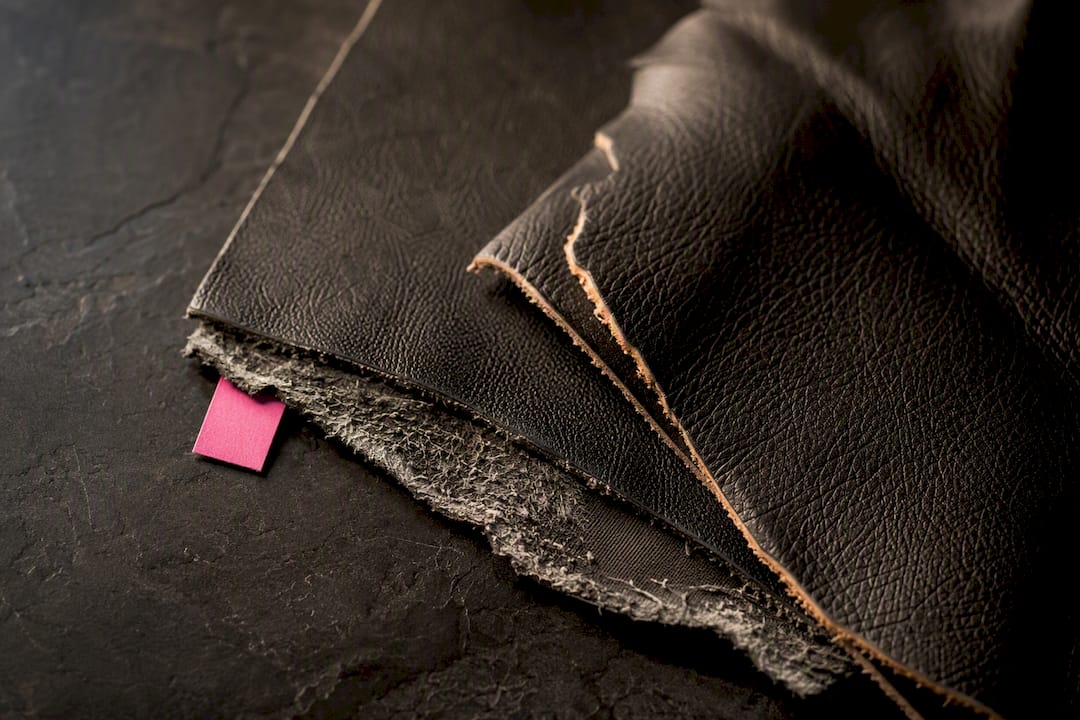
Genuine leather, especially top-grain or full-grain, is the better buy for anything you wear or sit on daily. Bonded leather is a fraction of the price up front but rarely lasts past a few years, so it only makes sense on decorative pieces or items you plan to replace anyway. Before you buy, ask for the leather grade by name and check the label, since manufacturers rarely volunteer how little real hide is actually inside.
TL;DR:
- Genuine leather, especially top-grain or full-grain, lasts significantly longer and can be reconditioned, while bonded leather often peels within two to three years of regular use.
- Bonded leather is made from shredded leather scraps and binders, with a polyurethane coating that traps heat and reduces breathability, making it unsuitable for high-contact or flexible items.
- To identify bonded leather, check its flat, uniform edge and backing, a repeating grain pattern, and a plastic or chemical smell, while genuine leather shows a fibrous edge and irregular grain.
- The initial cost advantage of bonded leather diminishes over time, as genuine leather pieces, though more expensive upfront, tend to last a decade or more with proper care.
- When ordering leather products, always request the specific grade, clear photos of the actual hide, and explicit warranty or return policies to avoid poor quality or mislabeled items.
Table of Contents
- Bonded Leather vs Genuine Leather at a Glance
- What Is Bonded Leather and How Is It Made?
- Genuine Leather and the Grade Hierarchy Explained
- How Long Does Bonded Leather Actually Last?
- How Can You Tell Bonded Leather From Genuine?
- Caring for Leather and Knowing When to Repair
- What We’ve Learned Selling Leather Jackets for Years
- Ready for a Genuine Leather Jacket? Here’s the Next Step
- Sources
- FAQ
Bonded Leather vs Genuine Leather at a Glance
The two materials solve different problems. One is built to last through years of daily flexing and contact; the other is built to look right in a photo at a low price point.
- Composition: Genuine leather is real hide (full cut or split); bonded leather is shredded leather scraps mixed with binders and pressed onto a fabric backing.
- Feel and breathability: Genuine leather softens and breathes; bonded leather is sealed under a polyurethane coating that traps heat and can feel sticky in warm weather.
- Lifespan: Genuine leather lasts years longer with basic care; bonded leather typically shows wear within a couple of seasons of regular use.
- Repairability: Genuine leather can be reconditioned; bonded leather generally cannot once it starts peeling.
- Best for: Jackets, wallets, and high-contact furniture call for genuine leather; bonded leather suits low-touch decor on a tight budget.
- Red flags: Watch for vague terms like “leather match” or “blended leather” with no percentage disclosed.
What Is Bonded Leather and How Is It Made?
Bonded leather starts as scrap: shredded leather fibers left over from tanning and cutting, ground down and mixed with binders. That slurry gets pressed onto a fabric or paper backing, then finished with a polyurethane topcoat that’s embossed to mimic a natural grain pattern.
The leather content in that mix varies a lot by manufacturer, and it’s often cited in the 10 to 20 percent range, sometimes less. The rest is binder, backing, and coating. That structure is also its weak point: once the adhesive or the polyurethane coating breaks down, the surface peels, flakes, or cracks, and plasticizers in the coating can outgas over time, leaving a faint chemical smell. Sellers rarely call it “bonded leather” outright. Watch for softer terms like reconstituted leather, leather match, blended leather, or eco-leather, all describing roughly the same composite.
Genuine Leather and the Grade Hierarchy Explained
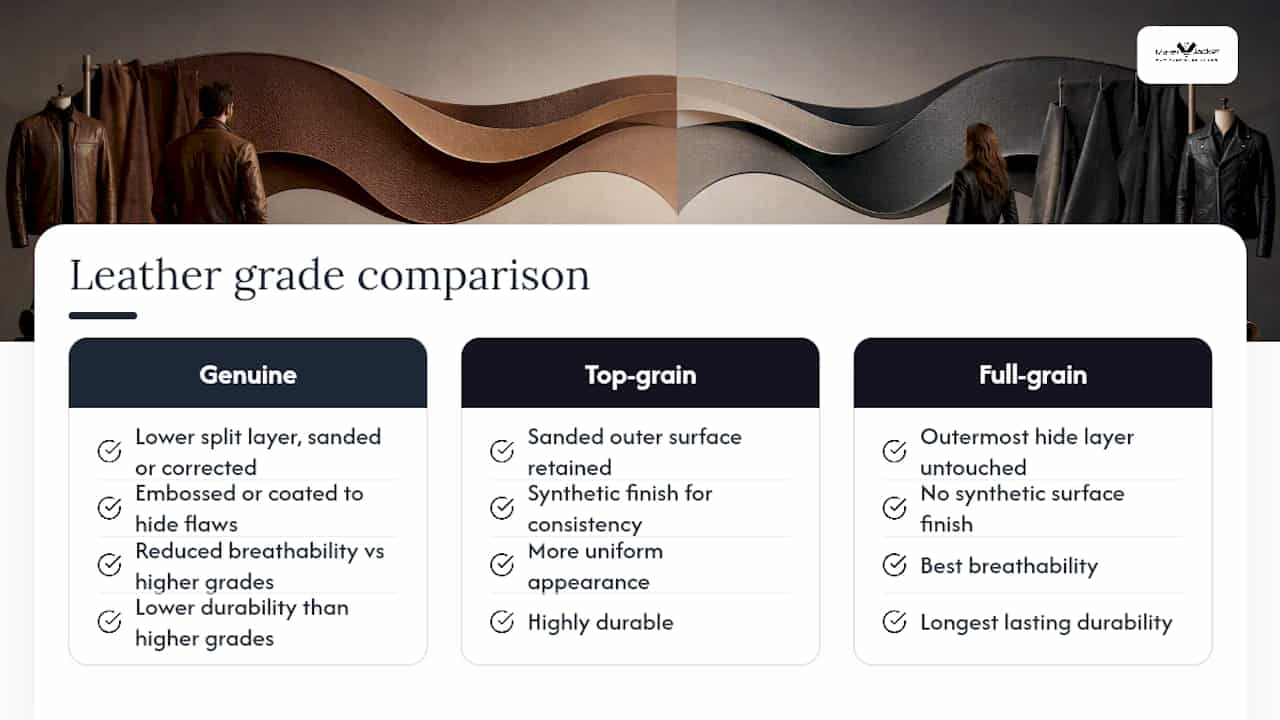
“Genuine leather” is a specific commercial grade, not a general stamp of quality. It’s real animal hide, but usually a lower split layer that’s been sanded, corrected, or embossed to hide flaws. Ask a seller to name the exact grade before assuming “genuine” means top-tier.
Above it sit top-grain leather, which keeps a sanded outer surface with a synthetic finish for consistency, and full-grain leather, which uses the hide’s outermost layer untouched. Full-grain develops a rich patina and holds up longest; top-grain is more uniform and still highly durable. Lower finishes on genuine-grade leather can also reduce breathability and make repairs harder down the line. If you’re placing a custom order, always ask for the grade in writing along with close-up edge and back photos.
How Long Does Bonded Leather Actually Last?
Lifespan is where the price gap stops mattering. Furniture-industry experience shows bonded leather commonly begins peeling within 2 to 3 years of normal household use, while top-grain and full-grain pieces routinely last a decade or more with basic care.
The real cost gap: A $150 bonded jacket replaced every 2 years costs roughly $75 a year over a decade. A $400 top-grain jacket that lasts 10+ years works out to $40 a year or less, even before factoring in resale or reconditioning.
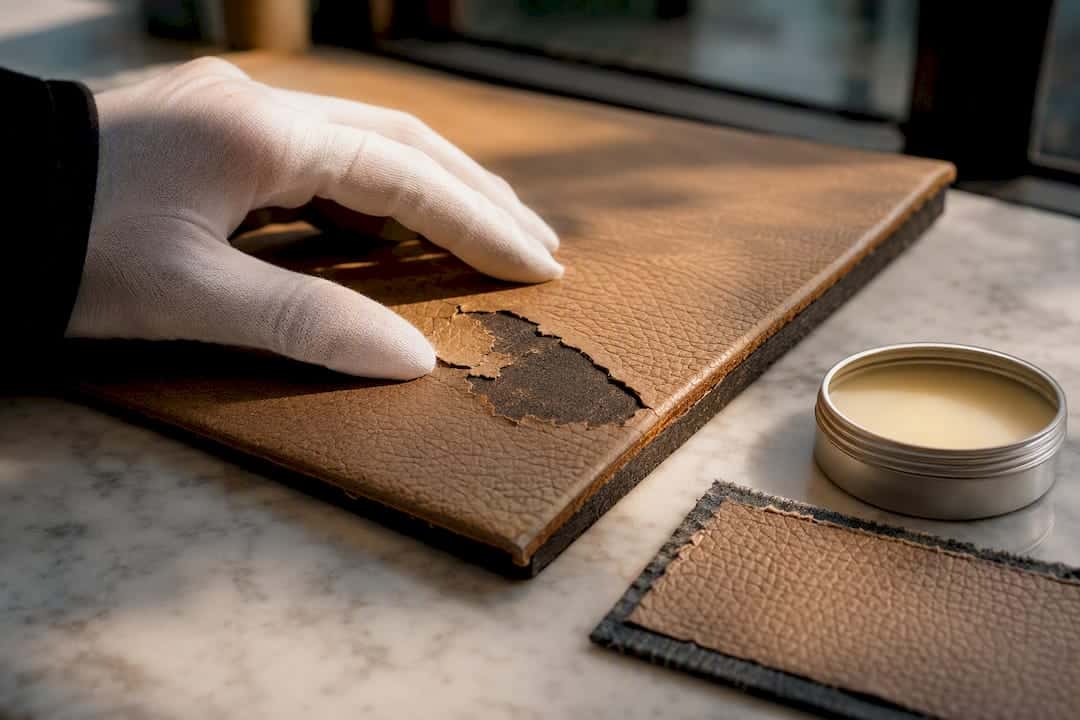
Flex points like elbows, cuffs fail first on bonded pieces, since that’s where the binder and coating take the most stress. Humidity, harsh cleaners, and even body oils accelerate breakdown. Genuine leather tolerates all of that better and can be reconditioned when it starts to dry out. Bonded leather generally can’t be, because the damage is structural, not cosmetic.
How Can You Tell Bonded Leather From Genuine?
You don’t need special tools to spot the difference. A few minutes of inspection before you buy will save you a return shipment or a bad surprise in year two.
- Check the cut edge. Genuine leather shows a fibrous, suede-like edge; bonded leather shows a flat, uniform edge because it’s pressed from pulp, not cut from a hide.
- Flip it over. A fabric or paper-like backing signals bonded leather; a suede-textured backing signals genuine or split leather.
- Look at the grain. Real hide has irregular, unrepeated markings; bonded leather often shows an embossed pattern that repeats every few inches.
- Smell it. Genuine leather has an earthy, natural scent; bonded leather can carry a plastic or chemical odor from the coating.
- Flex it. Bonded leather tends to crease sharply and stay creased; genuine leather flexes and relaxes back.
- Ask the seller directly what percentage of leather is in the product and whether it carries a named grade. The FTC recommends disclosing that percentage precisely because so many labels leave it out.
For online or custom orders, request a close-up photo of the cut edge, the underside, and the grain before you commit. Our guide on spotting fake leather walks through the same checks in more detail.
Pro Tip: When ordering a custom leather jacket, ask the maker for a photo of the actual hide or roll being used for your piece, not a stock catalog image. Legitimate shops will send it without hesitation.
Caring for Leather and Knowing When to Repair
Full-grain and top-grain leather reward regular care: condition every 3 to 6 months with a leather-specific cream, keep pieces away from direct heat, and wipe spills immediately rather than scrubbing them.
Bonded leather doesn’t respond to conditioning the same way, because its surface is a coating, not skin. Once it starts peeling, that’s adhesive and coating failure, and no cream reverses it. The realistic fixes are cosmetic: slipcovers for furniture or patch panels for smaller items. Avoid alcohol-based cleaners and harsh solvents on any leather, genuine or bonded, since both strip natural oils or coatings faster than they clean. If your budget genuinely can’t stretch to genuine leather, a well-made synthetic or microfiber alternative often outlasts bonded leather anyway, since it isn’t relying on a fragile leather-fiber composite underneath.
What We’ve Learned Selling Leather Jackets for Years
Buyers ask us constantly whether bonded leather is “close enough” to real leather for a jacket they’ll wear often. It isn’t, and pretending otherwise sets people up for a coat that cracks at the elbows before the second winter. We recommend top-grain or full-grain leather for anything that flexes daily: jacket sleeves, cuffs, collars. Bonded leather’s coating simply can’t take that kind of repeated stress.
If you’re placing a custom order anywhere, insist on three things: the exact grade name, a photo of the cut edge, and a clear return or warranty policy. A seller who hesitates on any of those is telling you something.
— Maker
Ready for a Genuine Leather Jacket? Here’s the Next Step
If everything above points you toward genuine leather, the next question is where to get it made right. Makerofjacket builds every piece from premium-grade hides, handcrafted by skilled craftsmen rather than pressed from scrap composite, so you’re not choosing between “affordable” and “durable.” That trade-off disappears when the material itself is built to last.
Every custom jacket order starts with a materials-selection step where you confirm the grade you want before cutting begins. Before you commit anywhere, verify the same three things we mentioned above: the named grade, edge or back photos of the actual hide, and the warranty terms. A custom biker jacket runs $249, and a full custom motorcycle suit runs $575, both built to your size with worldwide free shipping. Browse the custom jacket landing page to see the ordering steps, or reach out to support to request grade confirmation and hide photos before you place your order.
Sources
- Bonded leather — Wikipedia
- Bonded leather — Leather Restore Pro
- What is bonded leather? — BTOD
- Bonded leather: why it peels — Prime Leather Fix
FAQ
Is Bonded Leather as Good as Real Leather?
No. Bonded leather is a composite of shredded leather fibers, binders, and a polyurethane coating, while genuine leather is real hide. Genuine leather, particularly top-grain or full-grain, holds up far longer and can be reconditioned; bonded leather generally can’t.
How Long Will Bonded Leather Last?
Bonded leather commonly starts peeling within 2 to 3 years of regular use, depending on the manufacturer and how often the item flexes or gets handled. Genuine leather in a comparable use case typically lasts a decade or longer with basic conditioning.
What Are the Disadvantages of Bonded Leather?
Its main weaknesses are a short lifespan, poor breathability from the sealed coating, and no realistic repair option once the surface peels or cracks. It can also carry a faint chemical smell from plasticizers in the coating, and it never develops a natural patina.
How Do You Tell if Something Is Bonded Leather?
Check the cut edge and backing first: genuine leather shows a fibrous, suede-like texture, while bonded leather shows a flat, uniform edge over fabric or paper. A repeating embossed grain pattern and a slightly plastic smell are additional signs it’s bonded rather than real hide.
Does Makerofjacket Use Bonded Leather?
Makerofjacket builds jackets from premium-grade hides rather than bonded composite, since bonded material can’t hold up to the flexing and daily wear that jackets take. You can confirm the exact grade for your order through the custom jacket order page before production starts.


