

What is PU leather? A 2026 guide for fashion riders

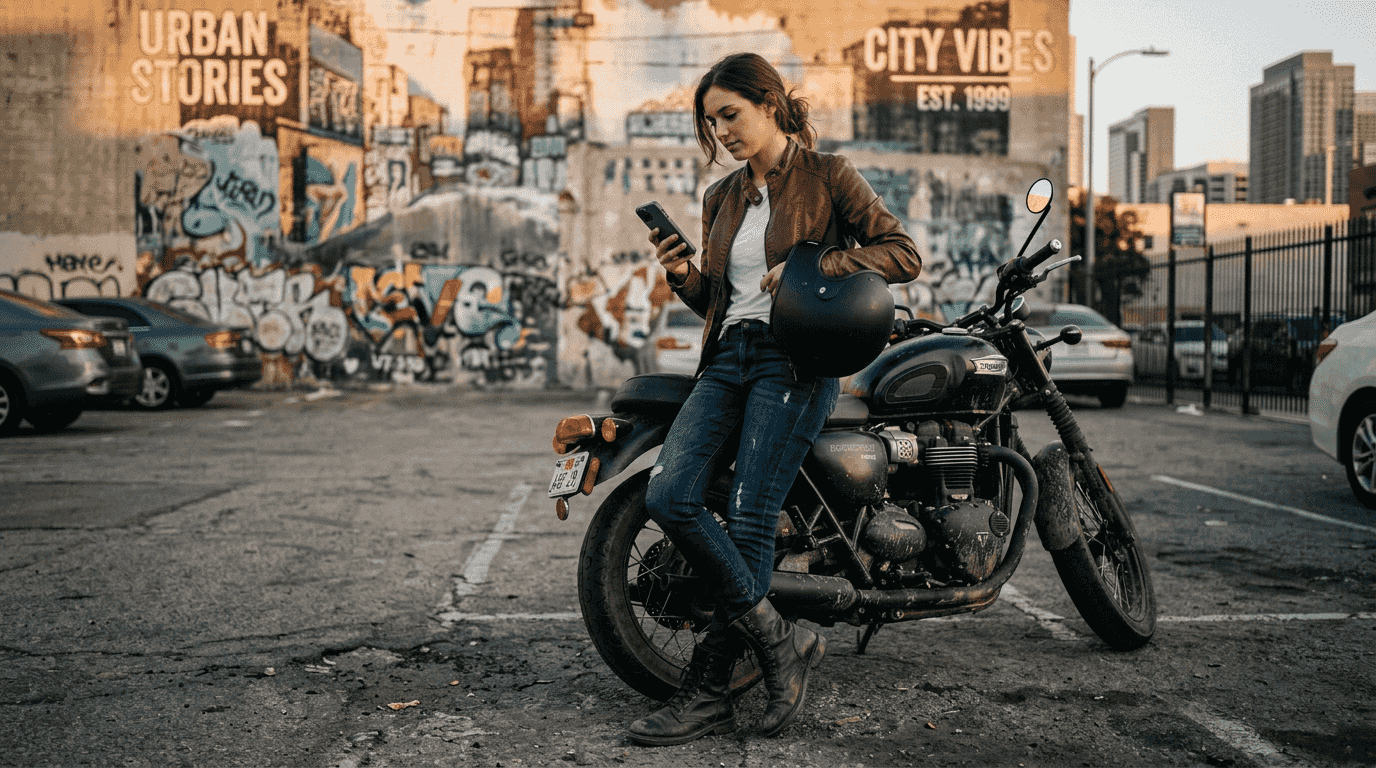
Many people think PU leather is cheap plastic, assuming it offers nothing but a bargain price tag. This misconception overlooks the sophisticated manufacturing processes and genuine benefits that make PU leather a popular choice for customizable fashion jackets and lightweight motorcycle apparel. Understanding what it actually is, how it’s made, and where it excels helps you make informed decisions whether you’re shopping for a stylish bomber jacket or considering gear for casual rides. This guide breaks down their composition, weighs its advantages against limitations, and offers practical advice for selecting and maintaining PU leather jackets that match your lifestyle.
Table of Contents
- What Is PU Leather Made Of? Composition And Manufacturing Explained
- Advantages And Limitations Of PU Leather For Fashion And Motorcycle Enthusiasts
- Choosing PU Leather Jackets: Practical Tips For Customization And Care
- Explore Custom PU Leather Jackets And Styling Options
Key takeaways
</tr>
| Point | Details |
|---|---|
| PU leather composition | Synthetic material created by coating fabric with polyurethane polymer layers and embossing for leather-like texture |
| Fashion and style benefits | Offers affordable, lightweight, and customizable jackets with appealing aesthetics for everyday wear |
| Motorcycle use limitations | Provides wind and light abrasion resistance but lacks certified impact protection for serious riding |
| Environmental considerations | Eco-PU options reduce emissions but plastic pollution concerns remain compared to durable genuine leather</td> |
| Care and maintenance | Proper cleaning, conditioning, and storage extend lifespan and preserve appearance effectively |
What is PU leather made of? Composition and manufacturing explained
PU leather is a synthetic material made by coating fabric with polyurethane polymer layers, then embossing to mimic leather grain. The fabric base typically consists of polyester, cotton, or nylon, chosen for strength and flexibility. Manufacturers apply multiple polyurethane coatings to this base, building up layers that create the final texture and appearance. The embossing process stamps patterns into the surface, replicating the natural grain found in animal hides.
Manufacturing Methods Explained
The manufacturing includes wet-phase inversion and transfer coating methods using solventborne, waterborne, or solvent-free PU systems. Solventborne processes use solvents like dimethylformamide to dissolve polyurethane, creating smooth, even coatings. Waterborne methods replace harsh solvents with water-based carriers, reducing emissions and environmental impact. Solvent-free systems eliminate liquid carriers entirely, applying pure polyurethane through heat and pressure.
Types of PU Leather and Their Characteristics
Different PU types produce varying quality levels and characteristics:
- Solventborne PU creates highly durable coatings with excellent flexibility and strong adhesion to fabric bases
- Waterborne PU offers lower emissions and safer production while maintaining good performance for fashion applications
- Solvent-free PU provides the cleanest manufacturing process but may require specialized equipment and techniques
- Transfer coating allows precise control over thickness and texture, producing premium finishes
These manufacturing variations explain why its quality ranges dramatically across products. High-quality PU leather uses multiple thin coatings and careful embossing to achieve a realistic texture and durability. Budget options may apply fewer, thicker layers that feel plasticky and crack easily. Understanding these differences helps you evaluate jackets based on construction quality rather than dismissing all PU leather as inferior.
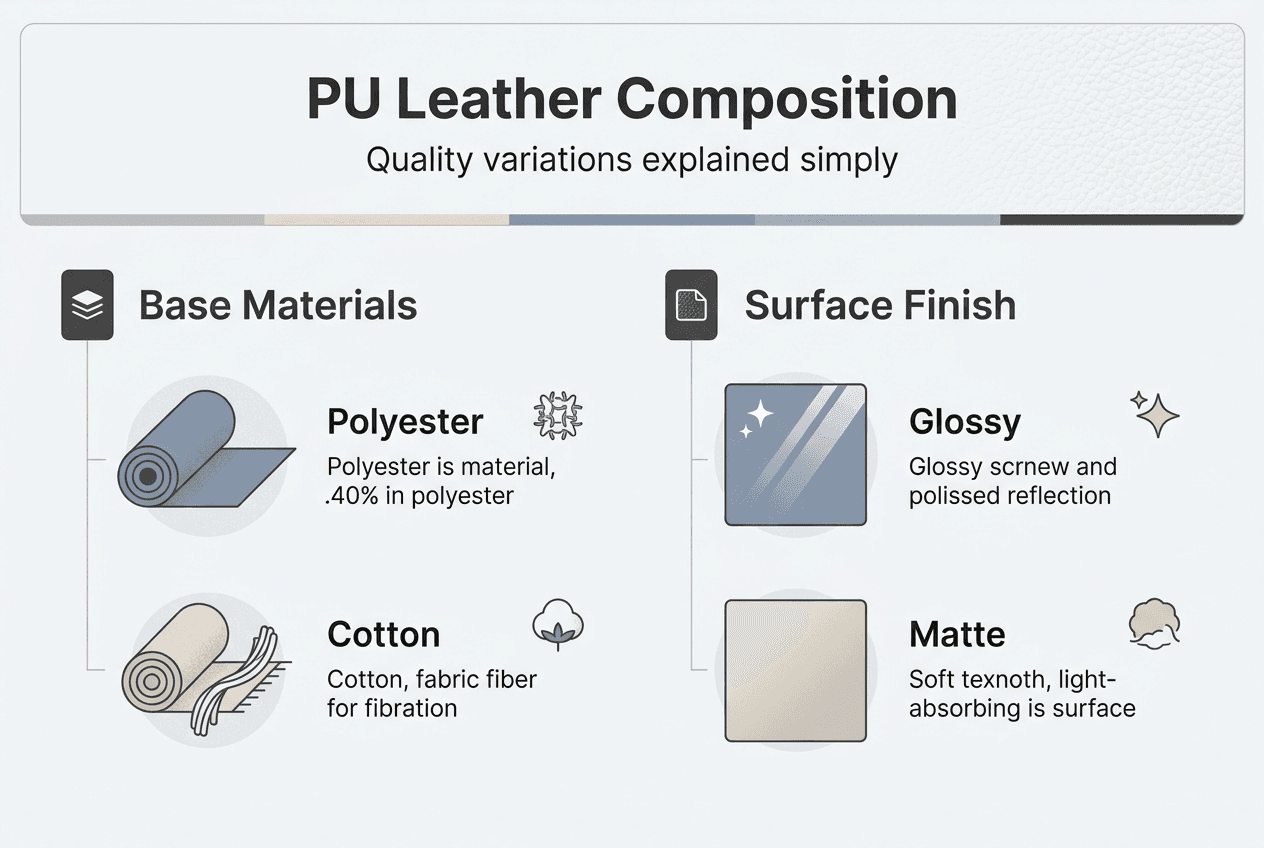
Pro Tip: Check the fabric base composition when shopping for PU leather jackets, as polyester bases typically offer better durability than cotton blends for long-term wear.</p>
Caring for PU Leather Jackets
Proper care extends its lifespan significantly. Regular cleaning with gentle methods removes dirt and oils that degrade polyurethane coatings. Using appropriate leather conditioners designed for synthetic materials maintains flexibility and prevents premature cracking. These maintenance practices become especially important for customized jackets where you’ve invested in personalized details and want to preserve your unique style.
Advantages and limitations of PU leather for fashion and motorcycle enthusiasts
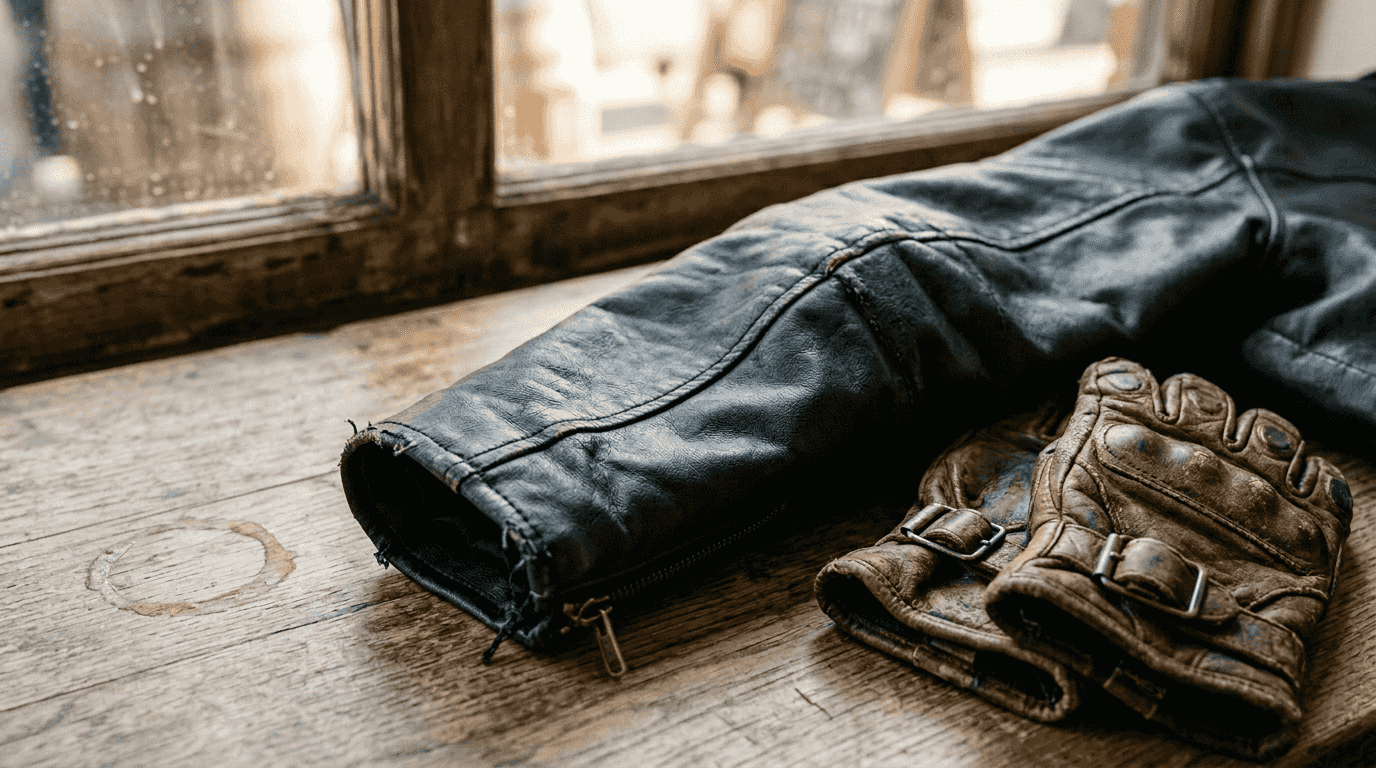
<h3>PU Leather in Fashion<p>PU leather dominates fashion markets because it delivers stylish aesthetics at accessible price points. The material accepts vibrant dyes easily, allowing manufacturers to create jackets in colors genuine leather cannot match. Lightweight construction makes its comfortable for all-day wear without the break-in period real leather requires. Customization options flourish with PU leather since embossing and printing techniques work seamlessly on polyurethane surfaces.
 lt=”Close-up PU leather jacket texture with gloves” /> />
<p><h3>PU Leather for Motorcycle Use
For motorcycle applications, PU leather f=”https://smart.dhgate.com/pu-leather-vs-motorcycle-jacket-which-one-actually-protects-you-better/” target=”_blank” rel=”nofollow noopener noreferrer”>offers wind and light abrasion resistance but lacks CE-rated impact protection required for crash safety. Casual riders appreciate PU leather jackets for short trips and fair weather cruising. The material blocks wind effectively and provides some protection against minor scrapes. However, serious riders need reinforced genuine leather or textile gear with certified armor inserts for adequate protection.</p>
Envi
ronmental Considerations
Environmental debates surrounding PU leather remain complex and nuanced. Industry promotes eco-PU as sustainable, while critics highlight plastic pollution concerns from synthetic materials. Waterborne and solvent-free PU manufacturing reduces emissions compared to traditional solventborne processes. Yet polyurethane eventually breaks down into microplastics that persist in ecosystems. Genuine leather’s longevity offers sustainability through decades of use, offsetting the environmental costs of animal agriculture and tanning processes.
<h3>Comparing PU Leather and Genuine Leather</h3>
<table>
QualityPU Leather<th>Genuine LeatherDurability2-5 years with care10-30+ years with maintenanceBreathabilityLimited, can feel clammyExcellent natural ventilationImpact ProtectionMinimal, not certifiedHigh when properly constructedCost$50-200 for quality pieces$200-800+ for comparable itemsSustainabilityLower production emissions, plastic waste concernsHigher initial impact, extreme longevity
Pro Tip: Consider your actual riding habits when choosing between PU and genuine leather motorcycle jackets, as casual urban riders may find PU leather perfectly adequate while highway and sport riders need certified protection.
Advantages of PU Leather</h3>
<p><p>The cost advantage of PU leather makes experimentation affordable. You can explore different styles and colors without a major financial commitment. Fashion-conscious individuals appreciate rotating through trendy designs as styles evolve. Padded motorcycle jackets combine their aesthetics with protective inserts, offering a middle ground between pure fashion and safety gear.
<h3>Limitations and Trade-Offs
Understanding these trade-offs helps you match materials to your specific needs. A PU leather bomber jacket works beautifully for weekend outings and social events. Commuting riders who travel at moderate speeds on city streets find these jackets acceptable with proper layering. Serious motorcyclists investing in primary riding gear should prioritize genuine leather or advanced textiles with certified armor. Following proper leather jacket care practices maximizes whatever material you choose, extending lifespan and maintaining appearance through regular maintenance.
Choosing PU leather jackets: practical tips for customization and care
Selecting the right jacket starts with an honest assessment of your intended use and style preferences. Follow this systematic approach to find pieces that deliver lasting satisfaction:
- Examine the polyurethane coating quality by checking for even texture and consistent grain patterns across the entire jacket
- Test flexibility by gently bending sleeve cuffs and collar areas, ensuring the coating doesn’t crack or show stress marks
- Verify construction details, including reinforced stitching at stress points like shoulders and pocket edges
- Assess the fabric base weight, as heavier bases generally indicate better durability and longer lifespan
- Try multiple sizes to ensure proper fit, since it doesn’t stretch and conform like genuine leather</li><li>Consider color fastness by checking manufacturer information about dye stability and resistance to fading</li>
Customizing PU Leather Jackets
Customization transforms standard PU leather jackets into personal statements. Embossing adds texture and visual interest through patterns pressed into the polyurethane surface. Color choices extend beyond natural leather tones to include bold hues and metallic finishes. Hardware upgrades like zippers, buttons, and studs personalize the look. Patches and embroidery work well on PU leather, allowing you to showcase interests and affiliations. Customization guides</a> walk you through options and techniques for creating truly unique pieces.
Cleaning PU Leather Jackets
Maintaining PU leather requires gentler approaches than genuine leather care. Proper cleaning, conditioning, and storage extend jacket life and preserve appearance effectively. Clean PU leather using these methods:
- Wipe surfaces weekly with slightly damp microfiber cloths to remove dust and light soil
- Mix mild soap with water for deeper cleaning, applying with soft sponges in circular motions
- Avoid harsh chemicals, acetone, and alcohol-based cleaners that dissolve polyurethane coatings
- Rinse soap residue thoroughly with clean damp cloths to prevent buildup
- Air dry completely before storage, never using direct heat sources</li>
Conditioning PU Leather</h3>
<p>Conditioning PU leather differs from treating genuine leather. Synthetic materials don’t absorb oils the same way animal hides do. Specialized PU leather conditioners add protective layers without causing buildup or greasy residue. Apply conditioner sparingly every few months, focusing on areas that flex frequently like elbows and shoulders. Buff excess product with clean cloths to maintain the intended finish.
Storing PU Leather Jackets
Storage practices prevent premature aging and damage. Hang PU leather jackets on padded hangers that support shoulders without creating stress points. Store in cool, dry locations away from direct sunlight that fades colors and degrades polyurethane. Avoid plastic garment bags that trap moisture, instead using breathable fabric covers. Keep jackets away from heat sources like radiators and heating vents that cause coatings to crack and peel.
Pro Tip: Always test cleaning products and conditioners on hidden areas like inside pocket flaps before applying to visible surfaces, as some formulas may discolor or damage specific PU leather finishes.
Regular Inspections and Maintenance
Regular inspections catch problems early. Check zippers and hardware for smooth operation, lubricating with appropriate products when needed. Examine seams for loose stitching that needs repair before becoming major issues. Address minor scuffs and marks promptly using appropriate touch-up products. Following <a href=”https://makerofjacket.com/how-to-care-for-leather”>comprehensive leather care practices adapted for synthetic materials keeps your PU leather jacket looking sharp season after season.
Avoiding Common PU Leather Mistakes
Explo
re custom PU leather jackets and styling options</h2>
Ready to find your perfect PU leather jacket? Maker of Jacket offers extensive customization options for fashion-forward individuals and casual riders seeking style without breaking the bank. Our craftspeople create jackets tailored to your specifications, from color selection and hardware choices to personalized embroidery and unique details. Whether you want a classic bomber silhouette or a contemporary moto design, customization puts you in control of every element.
Browse our comprehensive customization guides to explore possibilities before placing your custom jacket order. Fashion enthusiasts appreciate our attention to fit and finish, while motorcycle riders value our padded jacket options that blend style with practical protection. Every jacket ships with care instructions and maintenance tips to help you preserve your investment. Start designing your signature piece today and experience the satisfaction of wearing something created specifically for you.
FAQ
<h3 id=”is-pu-leather-waterproof”>Is PU leather waterproof?
<p&
gt;<p><p><p>PU leather is water-resistant rather than fully waterproof, handling light rain and brief moisture exposure without immediate damage. The polyurethane coating repels water initially, but prolonged exposure allows moisture to seep through seams and eventually degrade the fabric base. Applying protective sprays designed for synthetic leather enhances water resistance and extends protection. Regular reapplication maintains this barrier, especially important for jackets worn in variable weather conditions.
How does PU leather compare to genuine leather in durability?</h3>
<p><p>&lt;p>PU leather typically lasts 2 to 5 years with proper care, while genuine leather endures 10 to 30+ years when maintained correctly. The polyurethane coating on PU leather eventually cracks and peels from flexing and environmental exposure, particularly in high-stress areas like elbows and shoulders. Genuine leather develops character through aging, with scratches and patina adding to its appeal rather than indicating failure. The higher upfront cost of real leather often proves economical over decades of use, though PU leather serves well for fashion pieces you’ll replace as styles change.
Are PU leather motorcycle jackets safe for riding?
PU leather motorcycle jackets provide wind and light abrasion resistance without the CE-rated impact protection standards required for crash safety. Casual urban riders traveling at low speeds may find this leather adequate for basic protection and comfort. Serious motorcyclists need reinforced genuine leather or certified textile gear with armor inserts at the shoulders, elbows, and back. PU leather tends to tear and melt under the heat and friction of crashes, offering minimal protection in serious accidents. Consider PU leather jackets as fashion pieces rather than primary safety equipment for motorcycle riding.
How can I maintain and clean my PU leather jacket?
Clean these jackets using mild soap mixed with water, applying the solution with soft cloths or sponges in gentle circular motions. Avoid harsh chemicals like bleach, acetone, and alcohol-based cleaners that dissolve polyurethane coatings and cause permanent damage. Rinse thoroughly with clean, damp cloths to remove all soap residue, then air dry completely away from direct heat sources. Apply specialized synthetic leather conditioner every few months to maintain flexibility and prevent cracking, following proper leather jacket care guidelines adapted for PU materials. Store jackets on padded hangers in cool, dry locations away from sunlight to maximize lifespan.
Recommended
- What Is Genuine Leather? 2025 Guide for Fashion Lovers – Maker of Jacket
- What is Faux Leather? A Comprehensive Guide – Maker of Jacket
- 7 Essential Leather Jacket Trends 2025 for Riders – Maker of Jacket
- How to Choose Your Motorcycle Leather Jacket Material: Cow, Kangaroo, or Textile? – Maker of Jacket


