

Custom jacket checklist: style and safety criteria

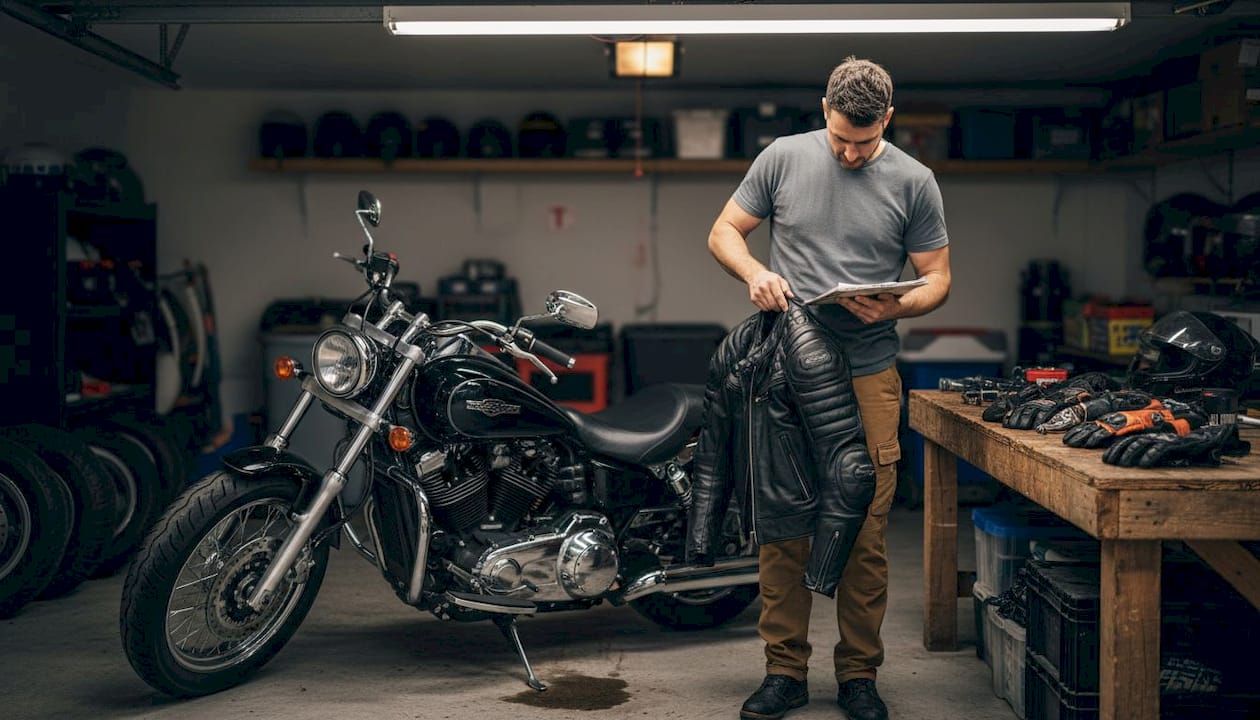
Choosing the perfect custom jacket means navigating countless options while balancing personal style with essential safety features. Whether you’re a motorcycle enthusiast seeking maximum protection or a fashion lover wanting a unique statement piece, the decision can feel overwhelming. This comprehensive checklist cuts through the confusion by breaking down the critical criteria you need to evaluate, from safety certifications and material quality to customization options that reflect your personality. With the right framework, you’ll confidently select a jacket that delivers both protection and distinctive style.
Table of Contents
- Understanding The Essential Safety Criteria For Custom Jackets
- Key Style And Functional Options For Customizing Your Jacket
- Comparing Popular Custom Jacket Types For Fashion And Riding Demands
- Making The Final Decision: Using Your Checklist To Finalize Your Custom Jacket Order
- Explore Your Perfect Custom Jacket Today
- Frequently Asked Questions
Key takeaways
| Point | Details |
|---|---|
| Safety certifications matter | Look for EN17092 AAA ratings and CE Level 1 or 2 armor for maximum protection |
| Material thickness is critical | Premium leather should measure 1.3 to 1.4 mm for optimal durability and safety |
| Customization enhances function | Personalized features like ventilation, pockets, and hardware improve both style and usability |
| Different styles serve unique needs | Racing, cruiser, and touring jackets each offer distinct protection levels and aesthetic appeal |
| A structured checklist simplifies decisions | Systematic evaluation of safety, fit, and style ensures you get exactly what you need |
Understanding the essential safety criteria for custom jackets
Safety should anchor every custom jacket decision, especially for motorcycle riders who face real risks on the road. The EN17092 certification with AA/AAA ratings represents the gold standard for abrasion resistance and seam strength, with AAA offering the highest level of protection. These ratings aren’t just marketing labels but tested benchmarks that could make the difference in a crash.
Armor placement and quality deserve equal attention when evaluating protective features. CE Level 1 armor provides basic impact protection, while CE Level 2 offers superior shock absorption at critical zones including shoulders, elbows, and back. Most serious riders opt for Level 2 protection, which absorbs significantly more force during impacts. Premium jackets often include pockets for optional chest and back protectors, giving you flexibility to upgrade protection as needed.
Material thickness directly correlates with abrasion resistance and overall durability. Leather thicker than 1.2 mm meets minimum safety requirements, but premium jackets typically use 1.3 to 1.4 mm leather for maximum protection. Thicker doesn’t always mean better for comfort, so balance protection needs with wearability for your specific riding style.
Key safety elements to verify before ordering:
- EN17092 certification class clearly marked on the jacket
- CE armor at shoulders, elbows, and back with level specification
- Reinforced stitching at high stress points and seams
- Reflective elements for visibility in low light conditions
- Proper fit that allows armor to stay positioned correctly
Pro Tip: Request certification documentation from manufacturers before finalizing your order, as some sellers misrepresent safety ratings to justify premium pricing.
Understanding these motorcycle jacket safety features empowers you to distinguish genuine protective gear from stylish jackets that sacrifice safety. Custom doesn’t mean compromising on protection, and the best manufacturers seamlessly integrate safety standards into personalized designs. When safety features align with your style preferences, you get a jacket you’ll actually wear consistently.
Key style and functional options for customizing your jacket
Customization transforms a standard jacket into a personal statement that reflects your unique aesthetic and practical needs. Material selection forms the foundation of this personalization, with each leather type offering distinct characteristics. Lambskin delivers buttery softness and lightweight comfort but requires more careful maintenance. Cowhide provides exceptional durability and weather resistance, making it ideal for frequent riders. Goatskin strikes a balance with natural water resistance and supple texture that breaks in beautifully over time.

Design elements let you inject personality into every detail of your jacket. Embroidery options range from subtle monograms to elaborate custom artwork that tells your story. Patches offer another avenue for personalization, whether you’re displaying club affiliations, favorite bands, or original designs. Hardware choices including zippers, snaps, and buckles come in various finishes like antique brass, gunmetal, or polished chrome, each creating a different visual impact.
Functional customizations enhance everyday usability without compromising style. Ventilation systems with zippered vents keep you comfortable across temperature ranges, crucial for riders who face varying conditions. Pocket configurations should match your actual needs, whether that’s secure phone storage, wallet compartments, or tool pouches. Adjustable cuffs, waist straps, and collar closures ensure proper fit and allow you to adapt the jacket to different riding scenarios or layering needs.
Color and texture choices extend beyond traditional black leather to express individual style:
- Rich browns and tans for vintage or classic aesthetics
- Bold reds, blues, or greens for standout statement pieces
- Distressed finishes for worn, lived in character
- Smooth or pebbled textures affecting visual and tactile appeal
- Two tone combinations creating dynamic visual contrast
Pro Tip: Consider how customization choices affect maintenance requirements, as intricate embroidery or light colored leather demands more careful cleaning than simple black cowhide designs.
Lining options impact both comfort and functionality significantly. Quilted linings add warmth for cold weather riding, while breathable mesh keeps you cool during summer months. Some manufacturers offer removable linings that adapt to seasonal changes, maximizing your jacket’s versatility throughout the year.
Exploring how to customize jackets for unique style and fit reveals the full spectrum of possibilities available. The key is prioritizing features that align with your actual lifestyle rather than chasing every available option. Strategic customization creates a jacket that feels designed specifically for you, enhancing both your riding experience and personal style. Thoughtful jacket accessories can further personalize your look while adding practical value.
Comparing popular custom jacket types for fashion and riding demands
Different jacket styles serve distinct purposes, and understanding these differences helps you select the right foundation for customization. Racing style jackets prioritize maximum protection with pre curved sleeves, reinforced impact zones, and aerodynamic fits designed for aggressive riding positions. These jackets typically feature leather thickness of 1.3 to 1.4 mm combined with CE armor achieving AAA safety certification. The sporty aesthetic appeals to riders who value performance oriented design.
Cruiser jackets emphasize classic styling with moderate protection suitable for casual riding. These designs often incorporate vintage details like asymmetrical zippers, wide lapels, and minimal branding for timeless appeal. While they may not achieve AAA certification, quality cruiser jackets still include CE armor and adequate leather thickness for street riding. The relaxed fit accommodates layering and provides comfort for upright riding positions common on cruiser motorcycles.
Touring jackets focus on all day comfort and weather protection without sacrificing safety. Multiple ventilation zones, waterproof membranes, and generous pocket layouts make these jackets ideal for long distance riders. The styling balances functionality with professional appearance, suitable for both riding and off bike activities. Touring designs typically include removable linings and adjustable features that adapt to changing conditions during extended trips.
| Jacket Type | Protection Level | Style Focus | Ideal Use |
| — | — | — |
| Racing | AAA certification, maximum armor | Sporty, aerodynamic, aggressive | Track days, spirited riding, performance focus |
| Cruiser | AA certification, standard armor | Classic, vintage, minimalist | Casual rides, urban commuting, style priority |
| Touring | AA/AAA certification, comprehensive armor | Functional, versatile, professional | Long distance, varied weather, all day comfort |
| Fashion | Varies, often minimal | Trendy, statement making, diverse | Casual wear, light riding, style emphasis |
Fashion forward jackets blur the lines between protective gear and everyday wear. These designs incorporate safety features subtly, allowing you to transition seamlessly from bike to social settings. While protection levels vary widely, premium fashion jackets can include proper armor and certification when safety matters to style conscious riders.
Pro Tip: Don’t assume racing jackets always offer better protection than touring styles, as certification levels and construction quality matter more than aesthetic category.
Exploring various types of fashion jackets reveals how style categories continue evolving to meet diverse rider needs. The best approach involves choosing the perfect motorcycle jacket based on your primary use case, then customizing features to address secondary needs. A touring jacket customized with sportier styling might serve you better than a racing jacket modified for comfort. Understanding these foundational differences ensures your customization efforts enhance rather than fight against the jacket’s core design purpose.
Making the final decision: using your checklist to finalize your custom jacket order
Applying a systematic checklist transforms the overwhelming array of options into a manageable decision making process. Start by confirming the jacket type aligns with your primary use, whether that’s daily commuting, weekend rides, or occasional wear. Verify that EN17092 AAA certification and CE armor meet your protection requirements, checking documentation rather than relying on marketing claims. Review material specifications to ensure leather thickness reaches recommended standards for your riding intensity.
Measurement accuracy determines whether your custom jacket delivers the promised fit and protection. Take measurements at multiple times of day, as body dimensions fluctuate slightly with activity and hydration. Measure over the layers you’ll typically wear under the jacket, accounting for seasonal variations if you plan year round use. Compare your measurements against the manufacturer’s size chart carefully, noting that custom sizing eliminates the need to settle for standard fits that don’t quite work.
Follow this step by step verification process before finalizing your order:
- Confirm safety certifications match your protection needs and riding style
- Verify material type and thickness meet durability expectations
- Review all customization options selected, including colors, hardware, and design elements
- Double check measurements against size charts, accounting for armor and layering
- Confirm lead times align with when you need the jacket
- Review return policies and customization guarantees before payment
- Request photos or samples of materials and finishes when possible
- Verify total cost includes all customizations and shipping
Pro Tip: Prioritize safety features and fit over aesthetic customizations if budget constraints force compromises, as you can always add patches or accessories later but can’t retrofit proper protection.
Understanding the custom jacket ordering process helps set realistic expectations for timelines and communication. Quality custom work requires time, typically ranging from four to eight weeks depending on complexity. Manufacturers who rush production often compromise on details that matter, so view longer lead times as indicators of craftsmanship rather than inefficiency.
Return policies deserve special attention with custom orders, as many manufacturers limit or exclude returns on personalized items. Clarify whether you can return the jacket for fit issues versus customization errors, and understand any restocking fees or modification costs. Some makers offer fit guarantees that include one round of alterations, providing peace of mind for first time custom buyers.
Payment terms and deposit requirements vary across manufacturers. Reputable makers typically request partial payment upfront with the balance due before shipping, protecting both parties in the transaction. Be wary of sellers demanding full payment immediately, especially if they lack verifiable reviews or physical business locations. Learning how to order a custom leather jacket online safely protects you from common pitfalls while ensuring you get the quality you’re paying for.
Explore your perfect custom jacket today
Now that you understand the essential criteria for selecting a custom jacket that balances style and safety, it’s time to put this knowledge into action. Maker of Jacket specializes in creating personalized leather and motorcycle jackets that meet the highest safety standards while reflecting your unique aesthetic. Our comprehensive customization process lets you specify every detail, from material selection and armor placement to decorative elements that make your jacket truly one of a kind.
Our expert team guides you through each decision, ensuring your custom jacket achieves the perfect balance of protection, comfort, and style. Whether you need a high performance racing jacket with AAA certification or a fashion forward cruiser design with thoughtful safety features, we deliver quality craftsmanship backed by transparent processes. Explore how to customize jackets for unique style and fit through our detailed guides, browse our custom jacket collection, or dive into our custom jacket ordering process guide to start creating your ideal jacket today.
Frequently asked questions
What is the minimum leather thickness for a safe motorcycle jacket?
Leather should be thicker than 1.2 mm with CE Level 1 or 2 armor for adequate protection. Premium jackets typically use 1.3 to 1.4 mm leather, which provides superior abrasion resistance and achieves AAA certification when combined with proper construction. Thinner leather may look good but won’t protect you adequately in a crash.
What does CE Level 2 armor provide compared to Level 1?
CE Level 2 armor absorbs significantly more impact force than Level 1, offering enhanced protection at critical zones like shoulders, elbows, and back. Level 2 reduces the energy transmitted to your body during crashes, potentially preventing serious injuries. Most serious riders choose Level 2 for the added safety margin, though it costs slightly more and adds minimal weight.
Can I add custom embroidery without compromising jacket safety?
Custom embroidery on non critical areas like the back panel or chest won’t affect safety when done properly. Avoid embroidery over armor pockets, reinforced seams, or high abrasion zones where stitching could weaken protective elements. Quality manufacturers understand these limitations and will guide placement to maintain both aesthetic appeal and structural integrity.
How long does a custom jacket typically take to complete?
Quality custom jackets require four to eight weeks from order to delivery, depending on complexity and current production schedules. Rush orders may be available for additional fees, but allowing proper time ensures attention to detail and quality craftsmanship. Plan ahead if you need your jacket for a specific event or riding season.
What customization options affect jacket price most significantly?
Premium leather types, extensive embroidery or artwork, upgraded armor, and complex color combinations increase costs substantially. Material choice has the biggest impact, as exotic leathers can double the base price compared to standard cowhide. Prioritize customizations that enhance safety and fit before investing in purely aesthetic upgrades if working within a budget.
Recommended
- Jacket Customization: Elevating Personal Style and Safety – Maker of Jacket
- Motorcycle Jacket Safety Features Guide for Secure Riding – Maker of Jacket
- Step-by-Step Guide to Picking Jacket Styles for You – Maker of Jacket
- Custom Jacket Ordering Process for Perfect Fit and Style – Maker of Jacket
- Defining Custom Workwear – Elevating Team Safety and Image


