

What is jacket insulation? Comfort, warmth, and performance

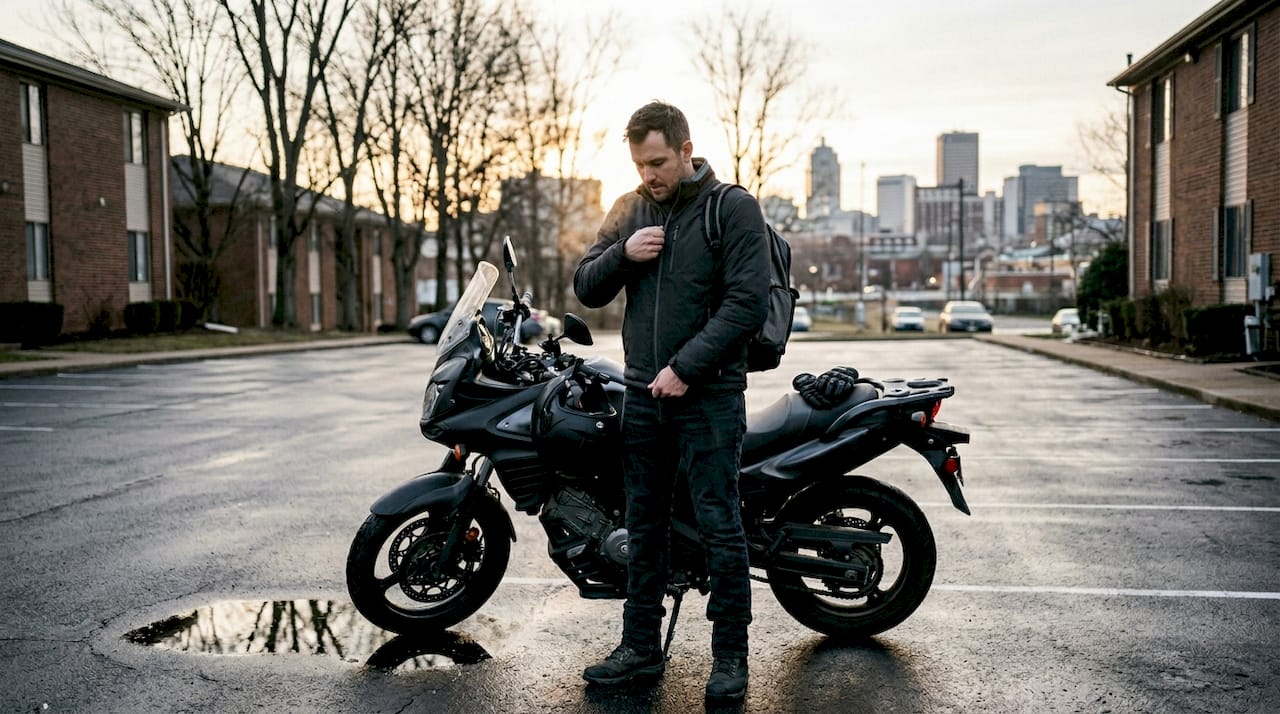
Grab any two insulated jackets off the rack and they might look identical. But ride through a cold, wet morning in the wrong one and you’ll feel the difference within minutes. Jacket insulation is not just about thickness or warmth ratings on a tag. It determines how well your body stays regulated at speed, in rain, and across seasons. Whether you’re a daily commuter, a weekend rider, or someone who just wants a jacket that looks sharp and keeps you warm, knowing how insulation works changes every buying decision you make.
Table of Contents
- What is jacket insulation?
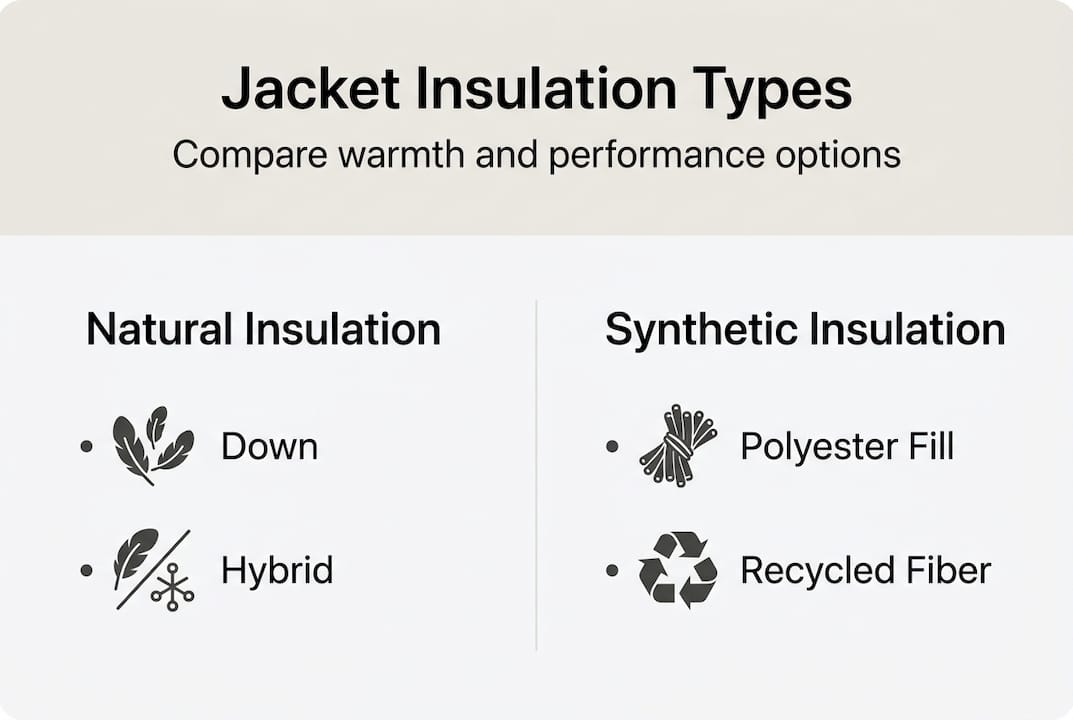
- Types of jacket insulation: Down, synthetic, and hybrid
- How insulation impacts jacket comfort and function
- Choosing the right insulation for riding and style
- Jacket insulation in action: Real-world scenarios
- Elevate your comfort and style with the perfect insulated jacket
- Frequently asked questions
Key Takeaways
| Point | Details |
|---|---|
| Insulation types matter | Down, synthetic, and hybrid insulations each excel in different scenarios, so match the type to your needs. |
| Synthetic handles wet and speed | Synthetic insulation stays warm and dries quickly, making it top choice for riders in unpredictable weather. |
| Removable liners add versatility | Detachable liners make jackets flexible for all-seasons and enhance airflow during high activity. |
| Layering boosts performance | Combining base layers with insulated jackets provides optimal warmth and adaptability. |
| Fashion and function combine | Modern innovation lets you enjoy style without sacrificing comfort or protection in any environment. |
What is jacket insulation?
At its core, jacket insulation is the material layer sitting between your outer shell and inner lining. Its job is to trap warm air close to your body and slow down heat loss to the outside environment. Think of it like a thermos: the insulation is the vacuum layer that keeps your coffee hot regardless of what’s happening outside.
Insulation materials fall into three main categories: synthetic fill, natural down, and hybrid blends. Each traps air differently and performs differently depending on conditions. As one gear review puts it, jacket insulation traps body heat while balancing breathability and bulk, which is the real challenge in jacket design.
“The best insulation isn’t always the warmest. It’s the one that performs consistently in the conditions you actually ride or wear in.”
For motorcycle riders, insulation also plays a role in wind resistance. At highway speeds, wind chill can drop the felt temperature dramatically, and a jacket without proper insulation leaves you fighting the cold instead of focusing on the road. For fashion-forward wearers, insulation affects silhouette, weight, and how the jacket moves with your body. You can explore how insulation varies across different motorcycle jackets to see how construction choices shape real-world performance.
The balance between warmth, bulk, breathability, and style is what separates a jacket you wear once from one you reach for every single day.
Types of jacket insulation: Down, synthetic, and hybrid
Not all insulation is built for the same job. Choosing the wrong type for your riding style or climate is one of the most common and most fixable mistakes jacket buyers make.
Down insulation comes from the soft underlayer of bird feathers. It offers an exceptional warmth-to-weight ratio and compresses easily, which is why it’s popular in fashion and casual jackets. The problem? Down collapses when wet and loses nearly all its insulating ability. For dry, cold conditions and low-activity use, it’s excellent. For riding in rain or sweating through a long commute, it falls short fast.
Synthetic insulation is made from polyester fibers engineered to mimic down’s air-trapping structure. It doesn’t perform quite as well as premium down in dry cold, but it holds up dramatically better when damp. It also dries faster and tends to cost less. For motorcycle use, removable quilted synthetic liners are the industry standard because they handle sweat, rain, and wind chill far better than down.

Hybrid insulation blends both materials, typically placing down in low-sweat zones for warmth and synthetic in high-moisture areas for performance. It’s a smart solution for riders and wearers who need all-conditions versatility without committing to one material.
Here’s a quick breakdown of how each type stacks up:
| Insulation type | Warmth | Bulk | Wet weather | Weight | Price |
|---|---|---|---|---|---|
| Down | Excellent | Low | Poor | Very light | Higher |
| Synthetic | Good | Medium | Excellent | Moderate | Lower |
| Hybrid | Very good | Low-medium | Good | Light | Medium-high |
Key takeaways by use case:
- Motorcycle riding in rain or cold: Synthetic or hybrid with a removable liner
- Urban fashion and casual wear: Down or hybrid for slim profile and warmth
- Year-round versatility: Hybrid or detachable synthetic liner systems
- Budget-conscious buyers: Synthetic offers the best performance per dollar
Browsing warm motorcycle jacket options gives you a practical look at how these insulation types translate into actual jacket builds. And if you’re still deciding between jacket styles, reviewing the full range of types of motorcycle jackets helps narrow down what construction suits your riding habits.
How insulation impacts jacket comfort and function
Knowing the insulation type is only half the picture. Understanding how it affects your body in real conditions is what turns that knowledge into smart gear choices.
Wind chill is the biggest factor for riders. At 60 mph, a 40°F day can feel closer to 25°F on exposed skin. A jacket with proper insulation and a windproof shell blocks that chill and keeps your core temperature stable. Without it, your muscles tighten, your reaction time slows, and fatigue sets in faster than you’d expect.
Moisture management is equally important. When you sweat under a down jacket, the fill gets damp and stops working. Synthetic insulation maintains 70% warmth when damp, while down loses up to 90% of its insulating ability in the same conditions. That’s not a minor difference. That’s the gap between staying warm and shivering through the last 20 miles of a ride.
Common scenarios where insulation type makes a real difference:
- Cold city commute on a bike: Synthetic liner keeps warmth even if you sweat at lights
- Rainy highway ride: Synthetic or hybrid holds heat; down becomes useless
- Fashion layering indoors to outdoors: Down or hybrid stays slim and warm without bulk
- Cross-season touring: Removable liner system lets you adapt without buying two jackets
Breathability matters too. A jacket that traps heat but doesn’t allow any airflow turns into a sauna on warmer days. Look for quality jacket features like vented panels, moisture-wicking liners, and adjustable cuffs that let you regulate temperature actively.
Pro Tip: Layer a thin moisture-wicking base layer under your insulated jacket. It pulls sweat away from your skin before it can reach the insulation, keeping both you and the fill dry and functional longer. This works with any insulation type and makes a noticeable difference on longer rides. Check out warm biker jacket tips for more layering strategies that work in the real world.
Choosing the right insulation for riding and style
With the fundamentals clear, here’s a practical process for picking the insulation setup that actually fits your life.
- Identify your primary climate. Do you ride mostly in dry cold, wet cold, or variable conditions? Dry cold favors down or hybrid. Wet or unpredictable weather demands synthetic or a removable liner system.
- Assess your activity level. High-speed riding generates wind chill but also body heat. You need insulation that handles both without trapping moisture. Casual urban wear prioritizes warmth and style over sweat management.
- Decide on liner flexibility. A fixed insulation jacket is simpler but limits your temperature range. A jacket with a removable liner for airflow gives you a single jacket that works from fall through winter and back again.
- Consider your style priorities. Down and hybrid insulation compress into slimmer profiles, which matters if you want a jacket that looks as good off the bike as on it. Synthetic liners can add bulk but offer better performance.
- Check compatibility with your layers. A jacket that fits perfectly over a t-shirt might feel tight over a thermal base layer. Always try on or check sizing with your actual layering setup in mind.
Pro Tip: If you commute by motorcycle and then spend time indoors, choose a jacket with a zip-out liner. You can pull the liner out when you get to the office and still wear the shell as a stylish outer layer without overheating.
For riders dealing with serious cold, pairing a synthetic-lined jacket with a heated base layer is the most effective solution available. Choosing a winter motorcycle jacket walks through exactly how to match jacket construction to cold-weather riding needs. And if leather is your material of choice, warm leather jackets shows how leather shells pair with insulation systems for maximum cold-weather performance.
Jacket insulation in action: Real-world scenarios
Theory is useful. Seeing how insulation plays out in actual jackets and real riding situations makes it stick.
Two well-known examples illustrate this well. The REV’IT! Tornado 4 uses a snap-in polyfill liner that extends its usable temperature range into cold conditions, while the Richa Infinity 3 features a detachable liner designed for all-season versatility. Both jackets show how thoughtful insulation design solves real problems for riders.
| Jacket model | Insulation type | Removable liner | Best weather | Style notes |
|---|---|---|---|---|
| REV’IT! Tornado 4 | Polyfill synthetic | Yes (snap-in) | Cold, wet, variable | Sport-touring, streamlined |
| Richa Infinity 3 | Synthetic quilted | Yes (detachable) | All-season | Adventure, upright fit |
| Classic leather biker | None or thin quilted | Sometimes | Mild to cool | Urban, fashion-forward |
| Down puffer jacket | Natural down | No | Dry cold, casual | Slim, fashion silhouette |
Practical tips for getting the most from your insulated jacket:
- Store your liner separately in summer to prevent compression damage to the fill over time
- Wash synthetic liners regularly since body oils reduce their insulating efficiency
- Pair a windproof shell with a removable liner rather than relying on a single fixed-insulation jacket for year-round use
- Check snap and zip connections on removable liners before cold-weather rides to avoid gaps that let cold air in
- Layer a merino wool or synthetic base layer underneath for extreme cold rather than adding a thicker jacket
A vented leather motorcycle jacket with a removable liner is one of the most versatile setups available, giving you airflow in summer and warmth in winter from a single jacket. Understanding why riders choose motorcycle jackets built this way comes down to exactly this kind of year-round adaptability.
Elevate your comfort and style with the perfect insulated jacket
You now know what separates a jacket that works from one that just looks the part. The next step is finding or building one that fits your exact needs.
At Maker of Jacket, we specialize in jackets that don’t make you choose between warmth and style. Our custom jacket options let you specify insulation type, liner configuration, and exterior design so every detail works for your climate and your look. Whether you want a removable synthetic liner in a leather biker shell or a slim hybrid-insulated bomber, we build it to your specs. You can also explore our guide on how to customize jackets for your style or browse jacket options for every weather to find your starting point. Worldwide free shipping means your perfect jacket comes to you, wherever you ride.
Frequently asked questions
What is the best insulation for motorcycle jackets in wet conditions?
Synthetic insulation is the clear choice for wet riding because it maintains 70% warmth when damp, while down collapses and loses most of its insulating power in the same conditions.
Are removable liners necessary for all-season motorcycle jackets?
They’re not strictly necessary, but they make a single jacket usable across a much wider temperature range. REV’IT! and Richa jackets both use detachable liner systems specifically because riders need that flexibility across seasons.
Can down insulation be used for motorcycle riding?
Down works well for dry, cold, low-activity use but is not recommended for riding in rain or at high speeds where sweat and moisture are factors. It loses up to 90% of warmth when wet, which makes it unreliable in real riding conditions.
How do I choose the right liner for variable climates?
Look for a detachable synthetic liner with snap or zip attachment so you can remove it on warmer days. Pairing it with a moisture-wicking base layer gives you the most adaptable setup for changing riding conditions across seasons.


