

Get 90% of Bespoke Fit Faster: Order a Custom Leather Jacket

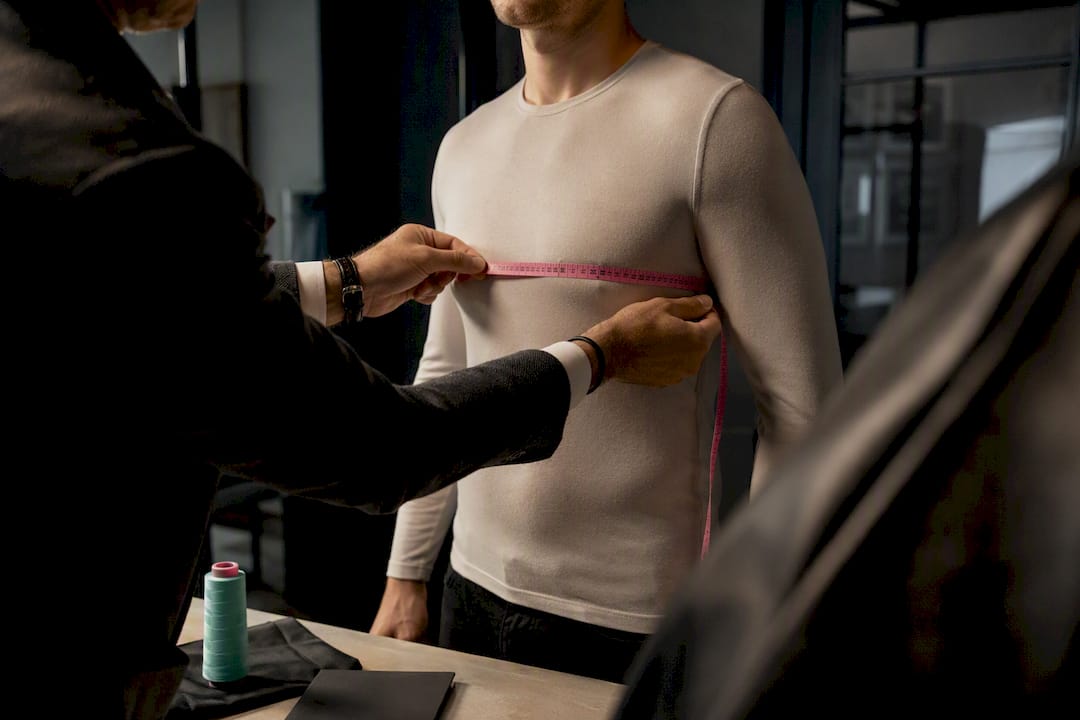
A tailor leather jacket means a new leather jacket built to your exact measurements and design choices, either fully bespoke or made-to-order on a proven pattern, not an adjustment to something already hanging in your closet. The single next step is simple: pick a silhouette, then submit your measurements or request guided measurement from the maker. Expect several weeks of lead time and a price that climbs with leather grade, pattern complexity, and how many revisions you build in.
TL;DR:
- Bespoke leather jackets are suitable for individuals with unusual body builds or those seeking a truly unique cut, while made-to-order works well for standard fits and customization of details.
- Accurate measurement over a fitted shirt using a well-fitting, existing jacket and assistance from a second person ensures proper sizing, reducing the risk of fit issues.
- Leather choice impacts fit, durability, and cost; full-grain cowhide is the most durable, whereas lambskin offers softness and lighter weight, with exotic skins increasing price and complexity.
- The ordering process involves submitting a precise brief, finalizing materials and measurements, approving sketches or samples, and waiting several weeks for production, especially for bespoke patterns.
- Leather grade and pattern complexity are the main price drivers, with additional costs for exotic skins, custom dyes, and revisions; transparency from the maker can help compare quotes effectively.
Table of Contents
- Bespoke vs Made-to-Order: Choose the Right Route
- Decisions to Make Before You Design
- How Measurements Work and How to Measure Correctly
- Materials: How Leather Type Changes Fit, Finish, and Cost
- Ordering Process: From Brief to Delivery
- What Affects Price and How to Read a Quote
- How to Evaluate a Maker Before You Commit
- Why the Standard Advice on Custom Leather Falls Short
- Start Your Custom Jacket Order With Maker of Jacket
- Sources
Bespoke vs Made-to-Order: Choose the Right Route
Bespoke means the pattern is cut from scratch around your body. Made-to-order means you customize color, hardware, and details on a pattern that already exists and fits a size range reasonably well. Leather doesn’t stretch or forgive the way wool or cotton does, so a bespoke pattern built from your own measurements solves fit problems that off-the-rack leather almost always creates.
- Choose bespoke when you have an unusual build, want a genuinely one-of-a-kind cut, or have been frustrated by ill-fitting leather before.
- Choose made-to-order when a standard silhouette already suits you and you mainly want to control color, lining, and hardware.
- Split the difference by starting with made-to-order and requesting minor pattern adjustments, which many shops, including Maker of Jacket’s customization process, allow at checkout.
Bespoke costs more and takes longer because someone is drafting a pattern just for you. Made-to-order gets you a personalized jacket faster and usually for less.
Decisions to Make Before You Design
Nail down these choices before you fill out an order form or email a maker your idea. Vague requests produce vague results, and leather is expensive enough that guessing isn’t a great strategy.
- Pick your silhouette and its job. A biker jacket for daily wear behaves differently than a tailored coat meant for the office or a cropped jacket built for a night out.
- Choose leather type and finish. Matte lambskin reads soft and dressy; waxed cowhide reads rugged. Decide which vibe you’re after before you look at swatches.
- Settle lining and hardware together. A quilted lining changes how a jacket sits under a blazer; brass versus gunmetal zippers change the whole personality of the piece.
- Decide on personalization. Monograms, patches, an asymmetric zip, or a custom pocket layout should be settled now, not mid-production.
- Gather three to five reference images. Pull from real jackets you’ve seen, not just Pinterest boards. Concrete references cut down revision rounds later, and Maker of Jacket’s customization guide is a decent place to see what’s actually possible before you brief anyone.
How Measurements Work and How to Measure Correctly
Most shops ask for the same core numbers: chest, shoulder width, sleeve length, and back or torso length measured pit to pit. Standard measurement guidance from leather specialists recommends rounding every figure to the nearest half inch, since leather doesn’t have the small give that fabric does and rounding to the nearest quarter inch just introduces noise.
- Measure over a fitted shirt, not a bulky sweater, standing naturally rather than puffing your chest out.
- Use a reference jacket you already own and love the fit of. Lay it flat, measure it directly, and hand those numbers over instead of guessing at your own body measurements.
- Have a second person help with shoulder width and back length. Measuring your own back accurately alone is nearly impossible.
- Ask whether the shop offers guided measurement, a video call or detailed diagram walkthrough, especially if this is your first bespoke order.
Pro Tip: Keep a printed copy of your final measurement sheet. If a revision is needed, you’ll want the exact numbers on hand rather than re-measuring from memory and introducing new errors.
Revision policies typically cover fit corrections tied to the measurements you originally submitted, not a change of heart about style after the jacket is finished. Read that policy before you pay a deposit, not after the jacket arrives.
Materials: How Leather Type Changes Fit, Finish, and Cost
Leather choice drives everything else about the jacket: how it moves, how long it lasts, and what it costs.
- Full-grain cowhide is the most durable option, develops character over years of wear, and holds a tailored shape well, which makes it the default for biker and moto styles.
- Lambskin is soft and lightweight with a fluid drape, ideal for fashion jackets and cropped cuts, but it shows scuffs more easily than heavier hides.
- Calfskin sits between the two: finer grain than cowhide, more structure than lambskin, often used for tailored coats and dressier silhouettes.
- Suede and nubuck offer a matte, textured look but need more careful care since they stain and water-spot faster than smooth leather.
- Exotic skins like python or crocodile require careful panel direction during cutting and sometimes additional sourcing documentation, which adds both cost and production time.
Lining affects comfort more than looks; quilted linings add warmth, while smooth bemberg linings make a jacket easier to layer under. Hardware, whether brass, nickel, or matte black, changes the finished tone as much as the leather color does. Full-grain and calfskin need occasional conditioning and hold up for years; suede needs a protective spray and more frequent, gentler cleaning. Our leather care guide walks through the specifics for each type.
Ordering Process: From Brief to Delivery
Custom leather commissions generally follow the same four stages, whether you’re ordering bespoke or made-to-order.
- Submit your brief. Style, intended use, and reference images go to the maker first.
- Lock in materials and measurements. Leather type, lining, hardware, and your measurement sheet get finalized together.
- Approve a sketch or sample. Reputable makers show you a sketch, swatch, and pattern layout before cutting real leather.
- Production and delivery. Bespoke jackets typically take several weeks given the pattern-drafting labor involved; made-to-order runs shorter since the pattern already exists.
Expect slower turnaround around major holidays, when production queues back up across most workshops. Ask upfront how many revision rounds are included and whether they cover fit only or also style tweaks, since that detail changes what happens if the first sample isn’t quite right.
What Affects Price and How to Read a Quote
Leather grade is the biggest single price driver, followed by whether you’re commissioning a bespoke pattern or customizing an existing one. Complexity, panel count, asymmetric zips, multiple lining layers, adds labor hours regardless of leather choice.
- Base cost drivers: leather type and grade, pattern work (bespoke costs more than made-to-order), hardware quality, lining material.
- Add-on costs: exotic leather panels, custom-dyed color development, embroidery or monogramming, extra revision rounds beyond what’s included.
- What to ask for: a material-by-material cost breakdown and a clear statement of how many revisions are built into the quoted price.
A quote that lumps everything into one number without a breakdown is harder to compare against a competing offer. Our leather grading explainer breaks down how grade alone can shift price without changing the visible design at all.
How to Evaluate a Maker Before You Commit
Look for a maker who shows you the work, not just the marketing. Detailed size guides, real product galleries with multiple angles, visual preview tools, and genuine customer testimonials are the trust signals that separate a serious shop from a template store reselling generic jackets.
- Ask exactly how they collect measurements: guided call, video walkthrough, or a form you fill out alone.
- Ask for photos of finished bespoke commissions similar to what you want, not just stock catalog shots.
- Ask about lead time, leather origin, revision policy, and how shipping and customs are handled for your location.
Pro Tip: If a shop can’t show you a single photo of a past custom order, that’s the clearest red flag there is. Vague measurement instructions and no finished-work gallery usually mean you’re their first attempt, not their hundredth.
Why the Standard Advice on Custom Leather Falls Short
Most guides to ordering a leather jacket treat measurement and material as separate decisions, when in practice they’re the same decision made twice. A chest measurement that’s technically correct but taken over a bulky sweater will produce a jacket that fits wrong in exactly the leather you chose for its structure, because structured leather has no give to hide the error. Get the measurement step right first. Everything else, style, lining, hardware, is reversible in spirit even when it’s not reversible in fact; a bad fit is the one mistake that ruins the whole commission.
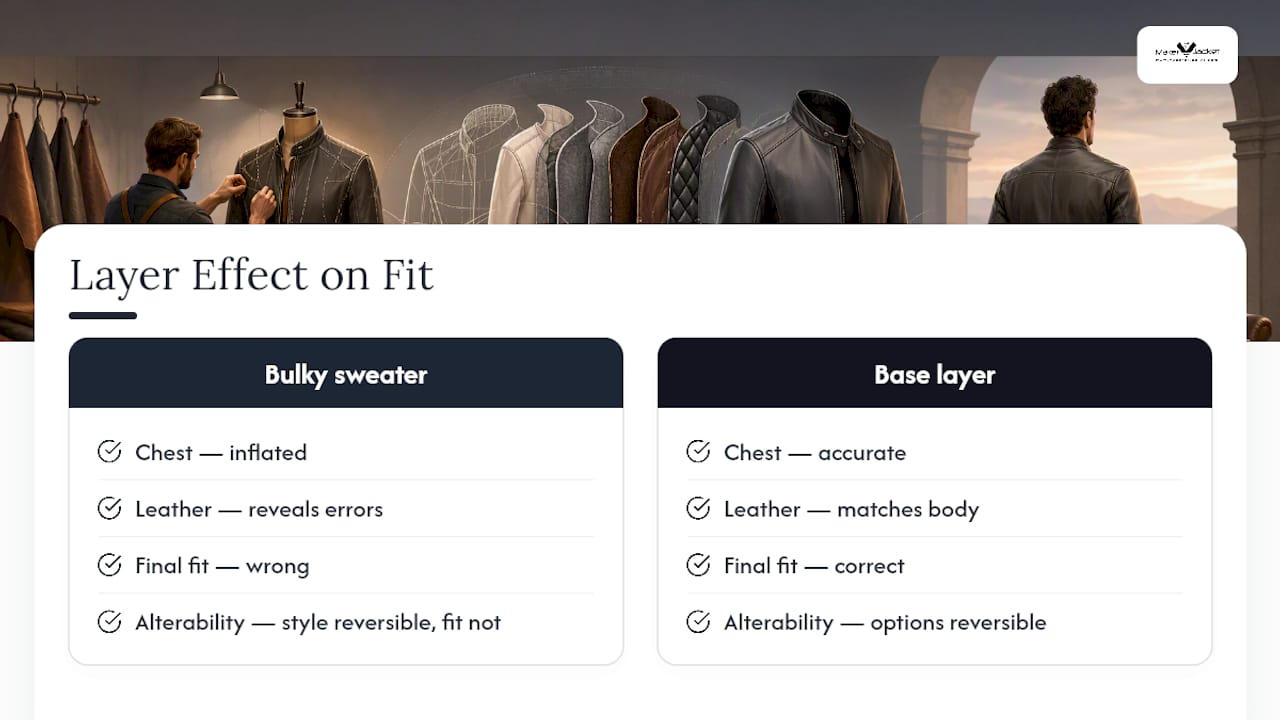
The conventional wisdom oversells bespoke as always superior. It isn’t. If your body fits a standard size range comfortably, made-to-order gets you 90 percent of the personalization at a fraction of the wait and cost. Bespoke earns its price when your build is genuinely nonstandard or when the design itself demands a pattern that doesn’t exist yet.
Prioritize the maker’s transparency over their marketing. A shop willing to show real galleries, explain revision limits plainly, and walk you through measurement before you pay a deposit is worth more than one promising the fastest turnaround.
— Maker
Start Your Custom Jacket Order With Maker of Jacket
Everything covered above, style decisions, measurement accuracy, material trade-offs, is the basis for an effective custom jacket ordering flow. Detailed size guides, visual preview tools to see design choices before committing leather, and galleries of finished custom work can help avoid guessing what “bespoke biker jacket” actually looks like on a real order.
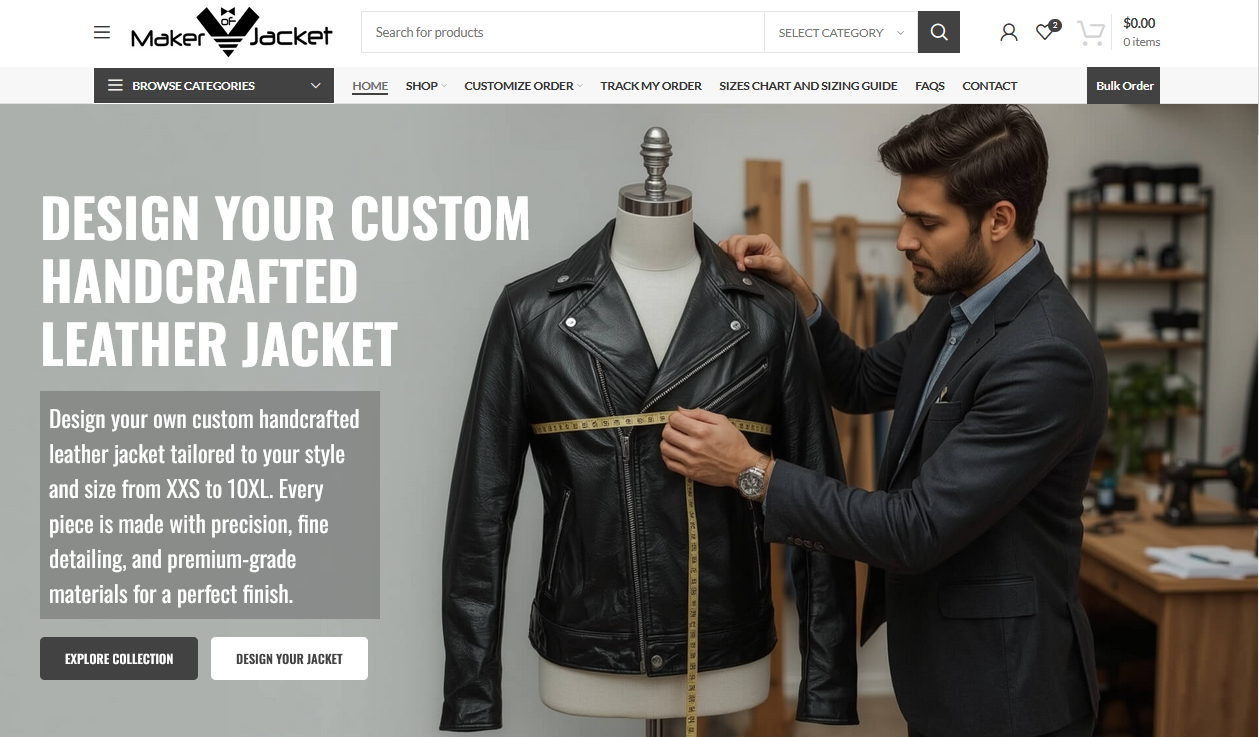
Real customer testimonials on the site walk through what the guided ordering experience actually feels like, from brief to delivery. The next move is straightforward: head to the custom jacket ordering page, select your silhouette, and either submit your own measurements or request guided measurement support before you commit to leather and lining. Nothing about picking your exact style, color, and hardware combination requires a second visit to figure out.
Sources
- The Case for a Bespoke Leather Jacket (And When It’s Worth It) – TIME BUSINESS NEWS
- Bespoke Leather Jackets Guide | Crocodile, Python & Custom Luxury Jackets | OJ Exclusive


