

Suede vs Leather Jacket: Which One Should You Buy?

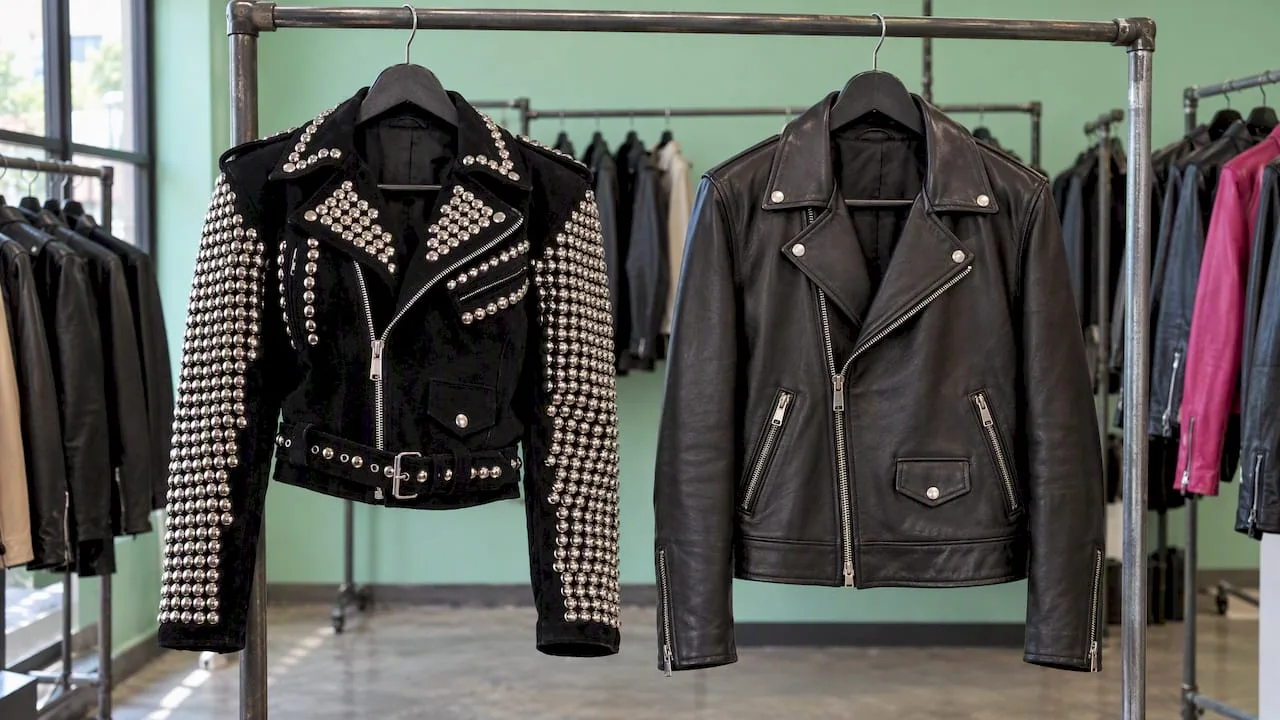
Choose smooth leather if you want one jacket to take daily wear, wind, light rain and years of use. Choose suede if you want a softer, matte, more refined look and you will mostly wear it in mild, dry weather. Both are real leather. The difference is which side of the hide you touch and how that side behaves once you start living in the jacket.
TL;DR
- Suede has a velvety, napped surface. Smooth leather has a firm, polished grain surface.
- Smooth leather is the better everyday workhorse. Suede marks, scuffs and reacts to water more easily.
- Suede is lighter and softer from day one. Smooth leather stiffens at first, then molds to you.
- For riding, abrasion resistance and armor matter more than the finish, so most riders lean toward smooth leather.
- Care is different: suede needs a brush and protector, smooth leather needs wiping and conditioning.
Table of Contents
- What actually separates suede from smooth leather
- Durability: which one lasts longer
- Weather and winter wear
- Care: what each jacket needs
- Suede vs leather for motorcycle riding
- Where shearling fits
- Is suede a luxury material?
- Our perspective on suede and leather
- How to choose: a quick decision guide
- Order a suede or leather jacket made to your size
- FAQ
- Sources
What actually separates suede from smooth leather
Smooth leather shows the outer face of the hide, the grain side. That surface is tight and firm, which is why it looks glossy or semi-gloss and sheds light dirt easily. Suede is the opposite: the surface is buffed to raise a short, soft nap. Suede is generally made from split leather, which is the layer left once the top is separated, though full-grain suede exists.
That construction explains almost everything else you notice:
- Look: suede is matte and shifts color slightly as you brush the nap one way or the other. Smooth leather reflects light and shows creases, scratches and a patina over time.
- Feel: suede is soft and flexible right away. Smooth leather is firmer and breaks in over weeks of wear.
- Weight: suede jackets tend to feel lighter and thinner on the body.
- Mood: suede reads relaxed, a bit retro. Smooth leather reads sharper, edgier, more classic.
Nubuck is sometimes confused with suede. It is buffed on the outer grain side, which gives it a finer nap, but for buying purposes treat it like suede when it comes to care.
Side-by-side comparison
| Factor | Suede jacket | Smooth leather jacket |
|---|---|---|
| Surface | Soft, napped, matte | Firm, smooth, polished |
| Break-in | Comfortable almost immediately | Stiff at first, then molds to you |
| Scuffs and stains | Shows marks and water spots easily | Resists scratches, wipes clean |
| Rain and wind | Best in dry, mild weather | Better with treatment and lining |
| Weight | Lighter | Heavier |
| Aging | Nap flattens and darkens in high-friction spots | Develops a patina |
| Upkeep | Brush, protector spray, spot treatment | Wipe, condition once or twice a year |
| Best for | Dressier, casual, fair-weather wear | Daily wear, riding, cold or damp climates |
Durability: which one lasts longer
In general, smooth leather wins. The grain side is the toughest part of the hide, and full-grain leather keeps the skin intact and is the most durable cut, while split leather is not as durable as top-grain. Since most suede comes from the split, it starts with less structural strength in the surface.
What that means in practice:
- Friction points wear first on suede. Collar, cuffs, elbows and the area under a bag strap are where the nap flattens and goes shiny.
- Smooth leather hides wear better. Light scratches blend into the grain and a little conditioner often evens them out.
- Stains are the real suede weakness. Oil, grease and water can leave marks that do not fully lift.
That does not make suede fragile. A well-made suede jacket treated with a protector and worn sensibly can last many years. It simply asks you to be more selective about when you wear it. If you are buying one jacket to wear four or five days a week, smooth leather is the safer call. If it is the second or third jacket in your rotation, suede makes sense.
Quality inside each category matters as much as the category. Good suede has an even nap with dense fibers of uniform length, and young animals such as kid and calf yield finer suede. A thick, well-finished lambskin or suede from a good hide will outlast a thin, cheaply processed smooth leather jacket.
Weather and winter wear
Suede is a mild-weather material. Moisture can darken it, stain it or leave it stiff once it dries, so it is not the jacket to grab when the forecast shows sleet. A protector spray helps with surprise drizzle, but it is not a waterproofing layer.
Smooth leather is more forgiving. A finished surface sheds light rain and blocks wind well, and a lined or insulated version gives real warmth. That is why cold-climate jackets are almost always smooth leather, often with a quilted or pile lining.
A simple way to decide:
- Spring and fall, mostly dry: suede is a great pick.
- Winter with wind and wet snow: smooth leather with a warm lining.
- Year-round, one jacket only: smooth leather, and add layers underneath.
If you want a suede look for colder months, look for a suede jacket with a removable liner or wear it over a knit and keep it for dry days.
Care: what each jacket needs
Caring for suede
- Brush with a suede brush in one direction to lift the nap and remove dust.
- Apply a suede protector spray before the first wear and again each season.
- Blot spills right away with a clean dry cloth. Do not rub.
- Use a suede eraser on dry marks.
- Let a damp jacket air dry on a wide hanger, away from heaters.
Caring for smooth leather
- Wipe with a slightly damp soft cloth to remove surface dirt.
- Condition once or twice a year so the leather does not dry out and crack.
- Store on a wide, padded hanger in a breathable garment bag.
For either type, skip the washer. Consumer Reports is blunt on the point: do not wash a leather jacket in a washing machine. Heavy stains, big water marks or old spills are a job for a professional leather cleaner, not a home experiment.
Suede vs leather for motorcycle riding
The finish matters less on a bike than what the jacket does in a slide. A riding jacket should fit properly and be made of abrasion-resistant fabric or leather covering the torso and arms, with reflective materials, weather protection and body armor as further considerations.
That leads to a few practical points:
- Thickness and construction come first. Look for a jacket built for riding, with armor pockets, reinforced seams and a close fit that keeps armor in place.
- Smooth leather is the default for sport and commuting. It handles wind, spray and sun better.
- Suede works for casual or fair-weather riding when it is made thick enough and cut as a true moto jacket. Some riding jackets pair suede panels with smooth leather or mesh for ventilation.
- Fit matters more than material. A jacket that rides up or flaps at speed protects less than one that sits right.
If you ride, browse our riding leather jackets or our motorcycle racing leather jackets. For material options such as cowhide, kangaroo and textile, our guide to choosing your motorcycle jacket material goes deeper. Anything you buy for riding should be confirmed as made for riding, with armor, before you rely on it for protection.
Where shearling fits
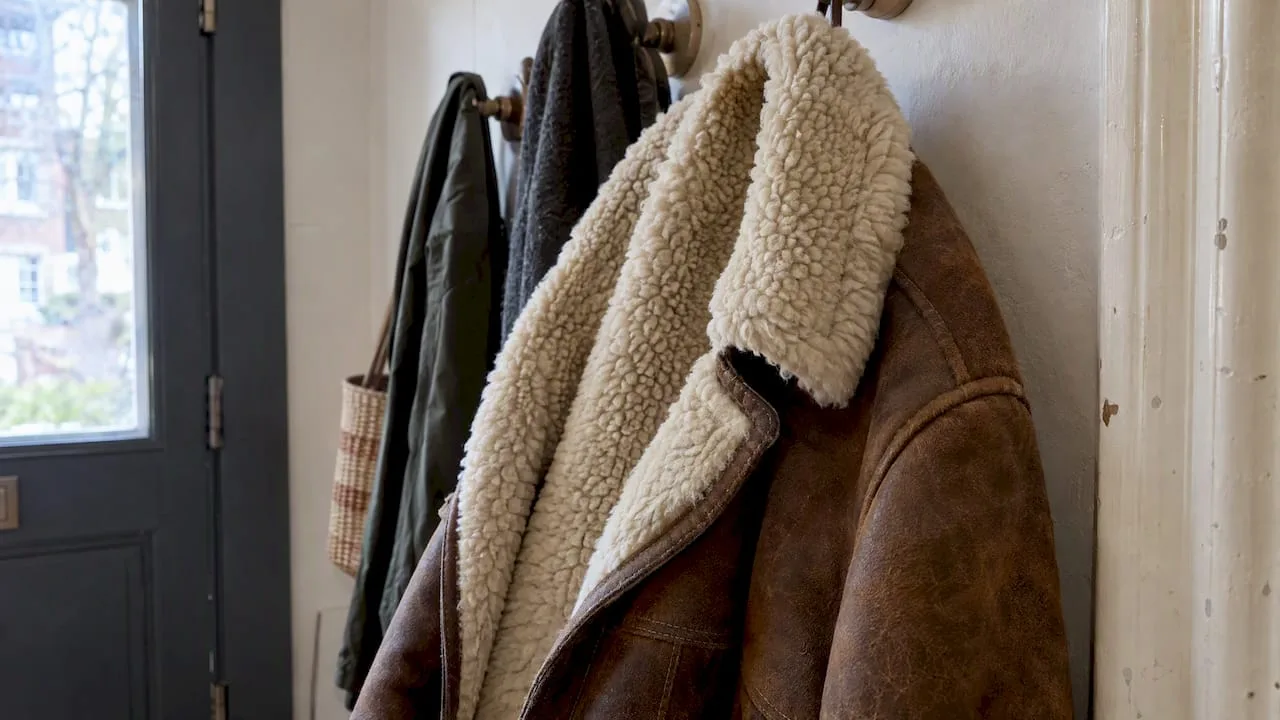
Shearling is a different animal from both. It is sheepskin with the wool left on, so one side is a suede-like finish and the other is dense fleece. That fleece is what makes it a cold-weather material: it traps heat, which is why you see it in aviator and winter coats.
Compared with a typical unlined leather jacket:
- Warmth: shearling is considerably warmer because of the fleece layer.
- Weight and bulk: heavier and bulkier, and it looks it.
- Weather: the suede-like outside has the same sensitivity to wet as suede, so it needs a protector.
- Care: brush the outside, keep it dry, and have a professional clean it rather than treating it at home.
In short: leather for versatility, suede for softness and style, shearling for serious cold.
Is suede a luxury material?
It can be. Lamb suede is used for luxury jackets and gloves, because the finer the hide, the smoother and more even the nap. But suede is not automatically premium and smooth leather is not automatically basic. What you pay for is the hide, the tannage, the cut and the stitching.
When you look at either type, check:
- Nap or grain consistency. No bald patches, no uneven color.
- Hand feel. Suede should feel supple, not papery. Leather should feel substantial, not plasticky.
- Seams and lining. Straight, even stitching and a lining that is properly attached.
- Hardware. Zippers that run smoothly and snaps that close firmly.
- Fit before style. A jacket in your correct size and sleeve length beats a fancier one that hangs wrong. Use the size guide before ordering.
For a broader look at hide types, see our guides to the best leather for jackets and the 7 best leathers for jackets. If suede is what you are leaning toward, what suede leather is and how itsuede vs leather jacket behaves in a jacket is worth a read first.
Our perspective on suede and leather
We make jackets to order, so we see which choices people are happy with a year later. Our view is simple: neither material is better, but each is better at something.
Smooth leather is the choice when the jacket has to work hard. It takes weather, daily friction and the odd scrape, and it looks better for it. Our biker, bomber and motorcycle jackets are built around that idea, with premium-grade materials and careful handcrafting by skilled craftsmen.
Suede is the choice when the jacket is about feel and character. It is soft from the first wear and has a depth of color that smooth leather does not. Many of our customers choose suede for studded, fringe or moto designs where the texture is part of the look.
What we encourage is choosing for how you will really wear it. Be honest about weather, how often you will wear it and how much care you want to give it. Then choose the size, color and details that suit you, and request a custom piece if a standard cut does not fit your style.
Maker
How to choose: a quick decision guide
Answer these five questions.
- How often will you wear it? Most days: smooth leather. A few times a week or less: either.
- What is your climate? Wet or cold: smooth leather, lined. Dry and mild: suede is fine.
- Will you ride in it? Choose a true riding jacket with armor, usually smooth leather.
- How much upkeep will you accept? If you want minimal care, go smooth. If you do not mind brushing and spraying, suede is rewarding.
- What look do you want? Sharp and classic: smooth. Soft and relaxed: suede.
If you land in the middle, one popular compromise is a smooth leather jacket for core wear plus a suede piece for dry days.
Order a suede or leather jacket made to your size
If you want either material cut to your measurements and style, our custom range covers it. A Custom Suede Leather Jacket is $299, a Custom Biker Jacket is $249 and a Customize Motorcycle Jacket order is $299. You can also browse ready-made suede leather jackets for men and women, such as the metallic suede biker jacket or the suede mesh moto jacket. Shipping is free worldwide, and our support team is available 24/5.
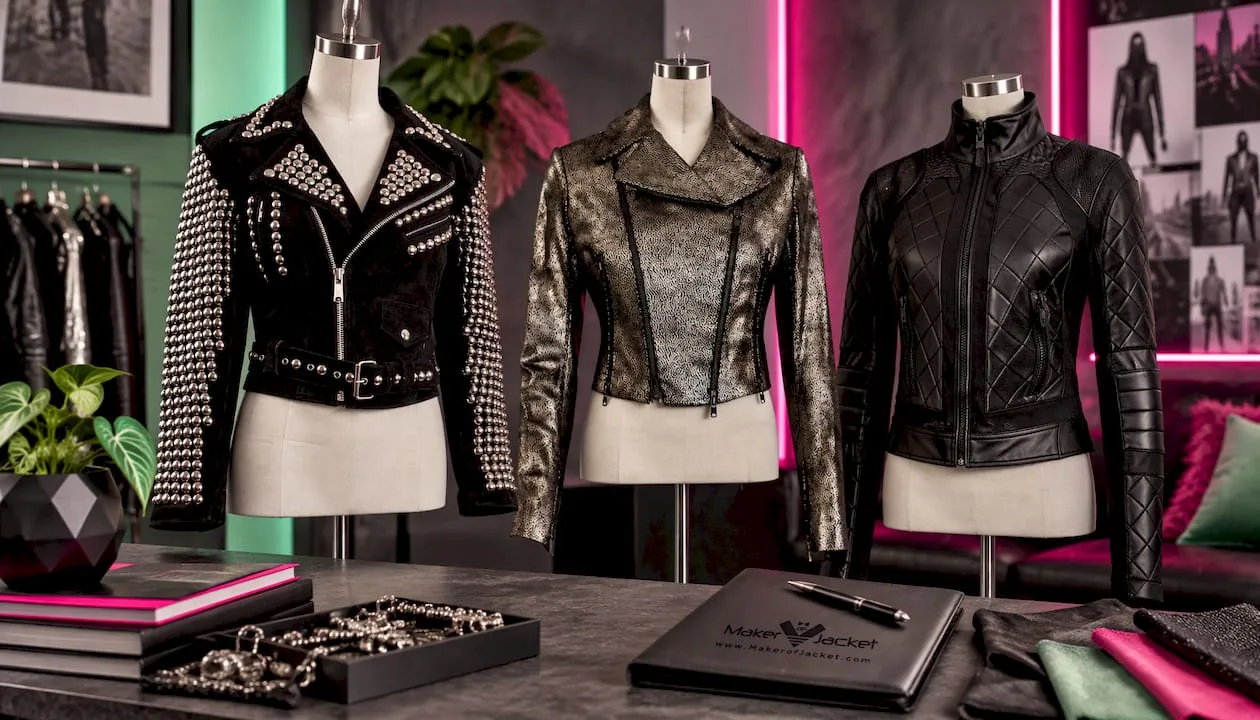
Ready to start? Open the custom order page and pick the style you want.
FAQ
What’s the difference between suede and regular leather?
Smooth leather uses the outer grain side of the hide, giving a firm, polished surface. Suede is buffed to a soft, napped finish and is generally made from split leather. Suede feels softer and looks matte, while smooth leather is tougher and easier to clean.
Is a suede jacket good for winter?
Only in dry, cold weather, and with layers underneath. Moisture can stain or stiffen suede, so it is a poor match for snow or sleet. For wet winters, a lined smooth leather jacket is the safer choice, and shearling is the warmest option.
Is suede more durable than leather?
No. Smooth leather is generally more durable because the grain surface is tougher, and full-grain is the strongest cut. Suede can still last for years with a protector spray, regular brushing and some care about when you wear it.
Which is better for a motorcycle jacket?
For most riders, smooth leather, because it handles wind, spray and abrasion better. Whichever material you pick, choose a jacket made for riding, with a close fit and armor, rather than a fashion piece.
Can I clean a suede or leather jacket at home?
You can brush suede, spot-treat it and wipe leather with a damp cloth. Do not put either in a washing machine. For heavy stains or water marks, take the jacket to a professional leather cleaner.
Sources
- A Guide to Leather: The Truth Behind Grains, Grades, and More (Popular Mechanics)
- Suede leather (CAMEO, Museum of Fine Arts, Boston)
- A Rookie’s Guide to Doing Laundry (Consumer Reports)
- Motorcycle Protective Gear Guide (Allstate)


