

Packing Light for Travel: Effortless and Stylish Tips


Did you know that over 60 percent of travelers admit to overpacking and carrying items they never use? Packing light can feel impossible, yet a streamlined suitcase makes travel far less stressful and more enjoyable. When you choose gear and clothing with intention, you save space, time, and energy every step of the way. Learn how small adjustments in your packing habits can make your next trip smoother and more efficient.
Table of Contents
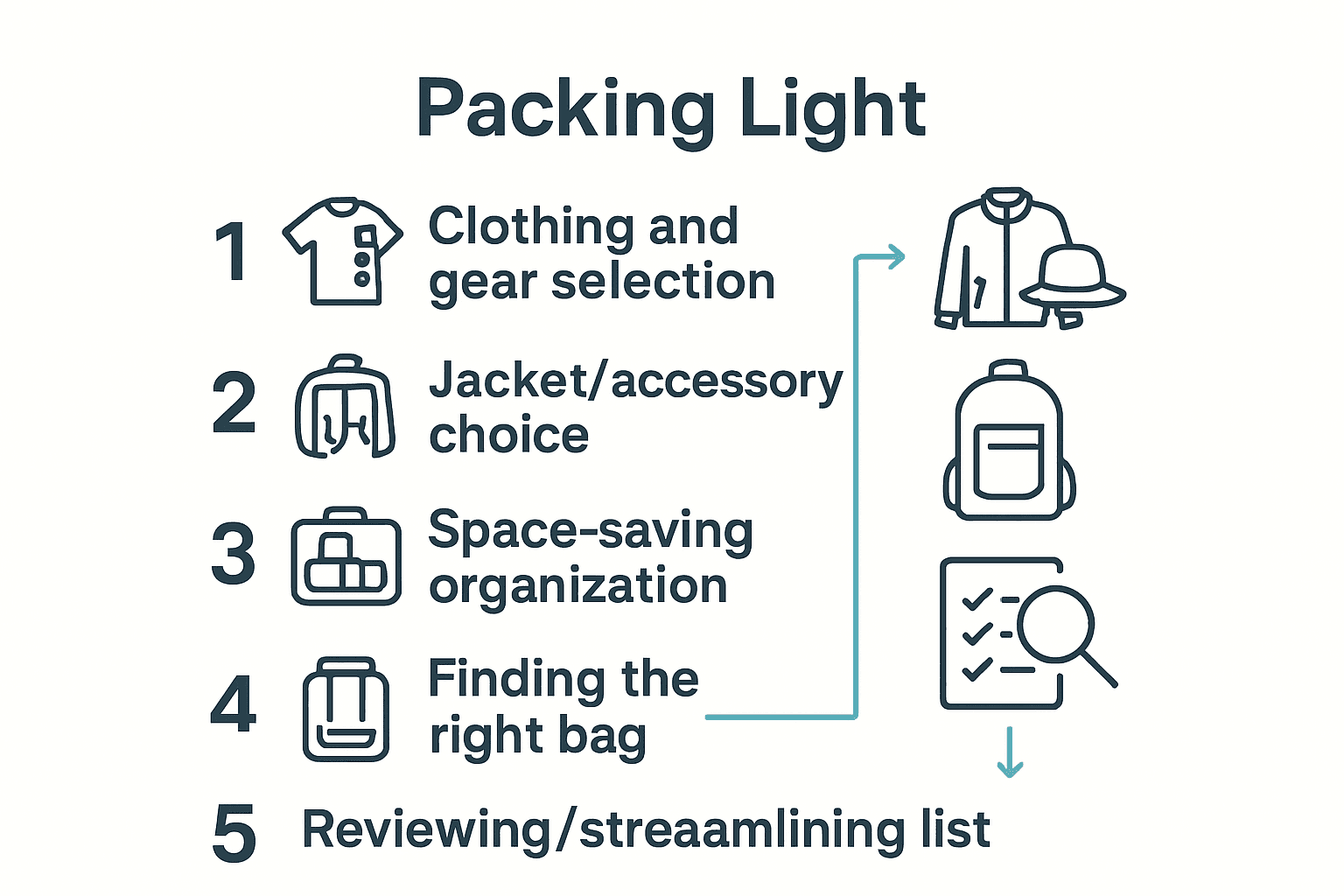
- Step 1: Identify Essential Clothing And Gear
- Step 2: Select Versatile Jackets And Accessories
- Step 3: Organize Items Using Space-Saving Techniques
- Step 4: Choose The Perfect Travel Bag
- Step 5: Review And Refine Your Packing List
Quick Summary
| Key Point | Explanation |
|---|---|
| 1. Prioritize lightweight, multipurpose clothing | Choose versatile items that can be easily combined, focusing on neutral colors and quick-drying fabrics to reduce weight and space. |
| 2. Select a versatile travel jacket | Opt for a lightweight jacket that serves multiple functions like warmth, rain protection, and works well in various settings. |
| 3. Use packing tools for organization | Invest in packing cubes and compression bags to group items efficiently, making your luggage more organized and space-saving. |
| 4. Choose the right travel bag | Select a lightweight, functional bag with compartments and comfort features that meet your travel needs and preferences. |
| 5. Review and refine your packing list | Critically assess each packed item for necessity and versatility to avoid overpacking and ensure you have essentials for your trip. |
 |
|
Step 1: Identify essential clothing and gear
Successful light packing starts with strategic clothing selection that balances versatility and practicality. According to the National Park Service, smart travelers understand the importance of choosing items that serve multiple functions and cover essential needs across different environments.
Begin by conducting a comprehensive clothing inventory that prioritizes lightweight and multipurpose items. Focus on pieces that can be mixed and matched to create multiple outfit combinations. Look for neutral colors like black, gray, and navy that easily coordinate and minimize visible wear. Select fabrics that are quick drying, wrinkle resistant, and breathable such as merino wool or performance synthetic blends. The goal is creating a compact wardrobe that can adapt to various temperatures and activities.
For outdoor adventures or travel with potential climate variations, the National Park Service recommends including essential gear categories like insulation layers, sun protection, and emergency supplies. Pack a lightweight waterproof jacket that can serve as both rain protection and an additional warm layer. Include versatile items like convertible pants with zip off legs that transform from full length to shorts. Prioritize comfort and functionality over fashion while still maintaining a stylish travel aesthetic.
Pro tip: Roll your clothing instead of folding to maximize suitcase space and minimize wrinkles. This technique not only saves room but also helps you see all your clothing options at a glance.
Step 2: Select versatile jackets and accessories
Choosing the right jacket and accessories can dramatically transform your travel wardrobe. According to AARP, a strategic selection of a comfortable and stylish travel jacket can help you maximize outfit possibilities while maintaining practicality.
Start by selecting a versatile stylish jacket that adapts to multiple environments and occasions. Look for lightweight layers in neutral colors that can be easily combined with different outfits. A well chosen jacket might serve as a windbreaker, light rain protection, and evening warmth layer. Consider materials like lightweight merino wool or technical synthetic blends that offer temperature regulation and packability.
The Royal Geographical Society recommends selecting accessories that complement your clothing and serve practical purposes. Pack a versatile hat for sun protection, a lightweight scarf that can double as a wrap or neck warmer, and compact accessories that add style without taking significant luggage space. Your goal is creating a travel wardrobe that looks intentional and performs across different settings.
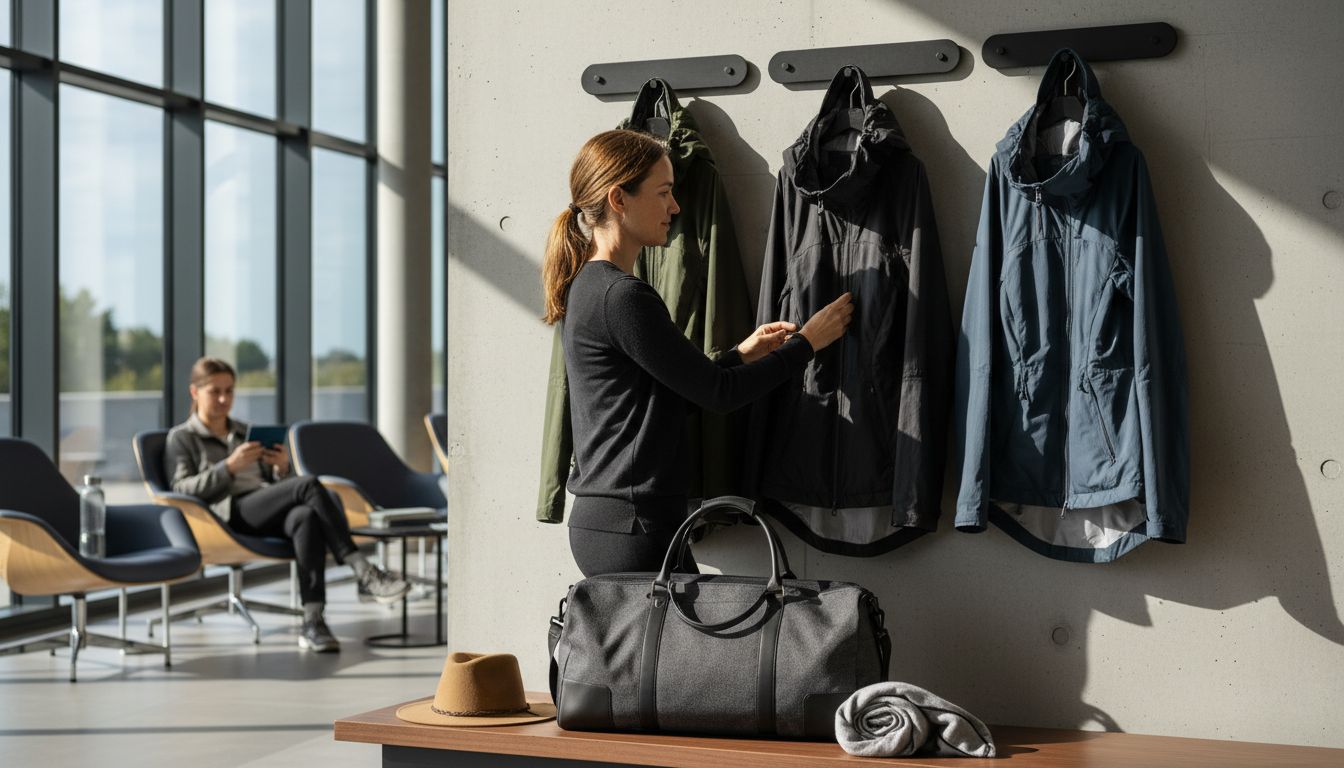
Pro tip: Always pack a compact packable jacket that can compress into its own pocket minimizing space while ensuring you are prepared for unexpected temperature changes.
Step 3: Organize items using space-saving techniques
Mastering space-saving packing techniques can transform your travel experience from chaotic to streamlined. According to AARP, strategically organizing your clothing can help you maximize luggage space while keeping your items wrinkle free and easily accessible.
Start by investing in style versatility packing tools like compression bags and packing cubes. The Royal Geographical Society recommends using these organizational tools to compartmentalize your clothing and minimize wasted space. Group similar items together such as underwear in one cube, shirts in another, and accessories in a separate compartment. This approach not only saves space but also makes unpacking and finding items significantly easier during your travels.
Adopt the rolling technique for most of your clothing items. Unlike traditional folding which creates bulk and sharp creases, rolling compresses fabric and creates more available space in your luggage. Lightweight fabrics like performance wear and thin cotton shirts work especially well with this method. Place rolled items vertically in your packing cubes to maximize visibility and accessibility.
Pro tip: Always leave a small amount of empty space in your luggage for souvenirs or unexpected purchases during your trip.
Step 4: Choose the perfect travel bag
Selecting the right travel bag can make or break your entire travel experience. According to AARP, your carry-on bag should be a strategic choice that balances airline regulations with your personal travel needs and style.
When exploring bag options, prioritize lightweight and versatile designs that offer maximum functionality. The Royal Geographical Society recommends considering factors like size, durability, and comfort as key criteria in your selection. Look for bags with multiple compartments, water resistant materials, and ergonomic designs that distribute weight evenly. A packing tips expert would suggest choosing a bag that can transition seamlessly between different travel scenarios from airport navigation to urban exploration.
Consider the specific features that matter most for your travel style. For frequent travelers, a bag with padded laptop compartments, built in charging ports, and secure zippered sections can be game changing. Convertible bags that transform from backpack to messenger style offer additional flexibility. Pay attention to weight lightweight materials like ballistic nylon or ripstop fabrics can significantly reduce overall luggage weight.
Pro tip: Always do a test pack before your trip to ensure your chosen bag truly meets your storage and mobility requirements.
Step 5: Review and refine your packing list
The final step in perfecting your travel preparation is carefully reviewing and streamlining your packing strategy. According to University of Illinois, a thoughtful packing list review can help you avoid unnecessary items while ensuring you have all essential gear for your journey.
Begin your refinement process by laying out everything you plan to pack and critically examining each item through a lens of necessity and versatility. The Royal Geographical Society recommends considering the specific requirements of your destination and planned activities. Use a packing checklist to systematically evaluate each piece of clothing and gear. Ask yourself key questions like Would I use this at least three times during my trip? Can this item serve multiple purposes? Can I purchase or borrow this if absolutely needed?
Focus on creating a lean yet functional wardrobe that offers maximum flexibility. Eliminate duplicate items, overly specialized clothing, and anything that does not contribute directly to your travel comfort or style. Prioritize items that can be mixed and matched easily and are appropriate for your destination climate and cultural context.
Pro tip: Take a photo of your packed items before zipping up your bag. This visual inventory helps you remember what you packed and can serve as a quick reference during your travels.
Travel Light With Style and Confidence
Packing light means making every piece count. You want a versatile wardrobe that fits your trip, adapts to changing weather, and keeps you comfortable without weighing you down. The challenge is finding stylish jackets and accessories that combine functionality with fashion so you can switch seamlessly between outdoor adventure and urban exploring.
At Maker of Jacket, we understand the importance of a lightweight travel wardrobe built around smart essentials. Our collection offers customizable, high-quality jackets designed for versatility, from sleek bomber jackets to durable leather pieces that pack easily without sacrificing style or comfort. Whether you need a lightweight waterproof jacket for unexpected rain or a fashionable layer that transitions from day to night, we have options tailored to your travel needs.
Don’t let bulky outerwear slow you down or crowd your suitcase. Explore our range of travel-ready jackets and discover how personalized design and superior craftsmanship give you the freedom to pack smart and look great. Visit Maker of Jacket today to start building your perfect travel wardrobe that meets your style and functionality goals. The journey to effortless, stylish packing begins now.
Frequently Asked Questions
How can I effectively choose clothing for packing light?
Start by selecting lightweight, multipurpose clothing that can be mixed and matched. Focus on neutral colors and breathable fabrics to create a versatile wardrobe with minimal pieces; aim for around 5-7 items that can cover various activities and climates.
What are the best techniques for organizing my packed items?
Utilize packing cubes or compression bags to compartmentalize and organize your clothing. Group similar items together, such as shirts in one cube and accessories in another, to maximize space and make it easier to find what you need.
How should I select the right jacket for travel?
Choose a lightweight, versatile jacket that serves multiple functions, such as a windbreaker or light rain protection. Look for options in neutral colors and breathable materials that can complement different outfits and adjust to varying weather conditions.
What should I consider when choosing my travel bag?
Prioritize lightweight designs with multiple compartments for easy access to your belongings. Test pack different bags to ensure they meet your storage needs; look for one that balances durability and comfort to enhance your travel experience.
How can I identify unnecessary items before packing?
Review your packing list by laying out all items and questioning their necessity and versatility. Ask yourself if you will use an item at least three times during your trip; remove anything that does not have a clear purpose to streamline your packing process.
What packing technique helps reduce wrinkles and save space?
Roll your clothing instead of folding to avoid bulk and minimize wrinkles. This method compresses fabric and creates additional space in your luggage, allowing you to fit more items using the same suitcase size.
Recommended
- Stylish Clothing for Women Over 50 – MaraFormigone
- How to Choose Running Gear for Travel: Step-by-Step Guide | Enthst.com


