

Leather Jacket Cleaning Process for Lasting Results

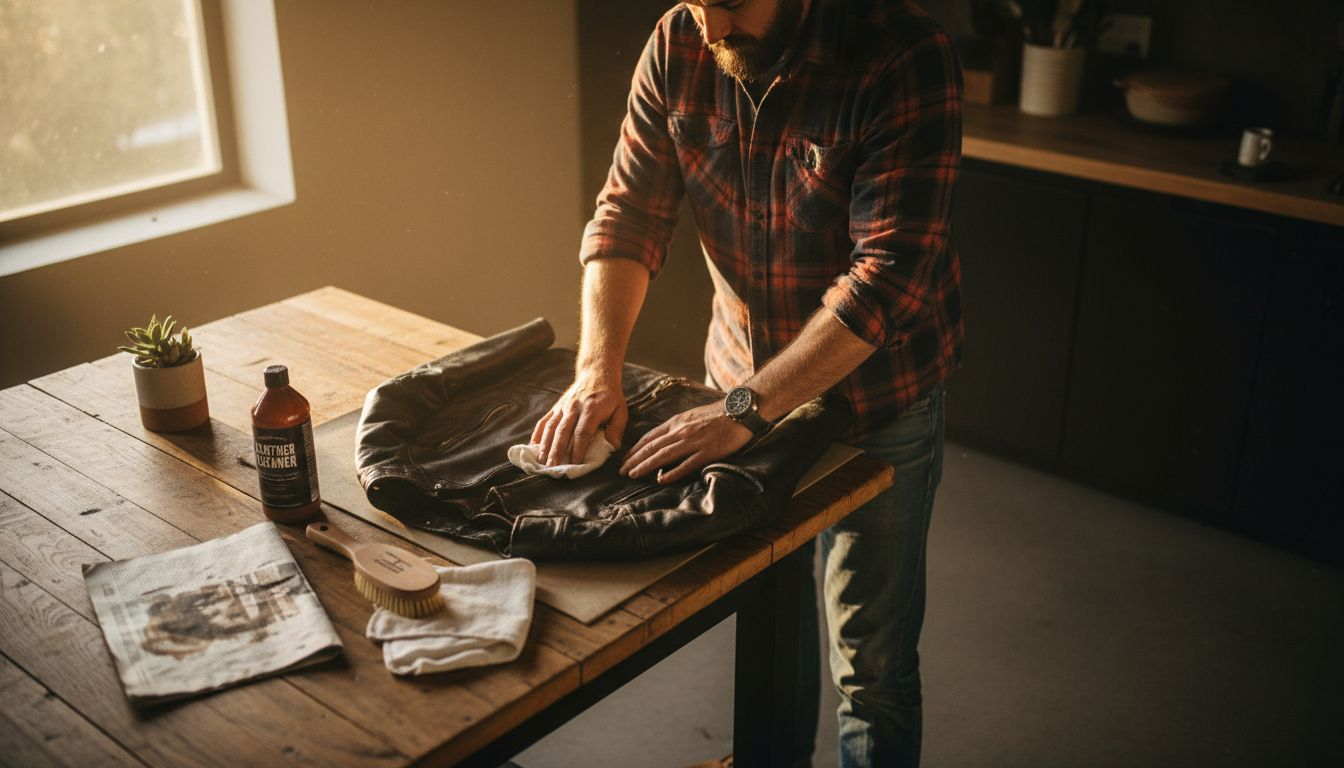
Caring for your prized leather motorcycle jacket can feel like navigating a maze of products and techniques. Every rider in the United States knows the value of keeping their gear looking sharp and ready for the next trip, yet the wrong supplies or methods can lead to cracks, color loss, or premature wear. This guide highlights the expert-recommended cleaning tools and approaches for preserving your jacket’s moisture and flexibility, ensuring it stays strong, stylish, and comfortable through every ride.
Table of Contents
- Step 1: Gather Recommended Cleaning Supplies
- Step 2: Prepare The Leather Jacket For Cleaning
- Step 3: Apply Gentle Cleaning Techniques
- Step 4: Condition And Protect The Cleaned Leather
- Step 5: Inspect And Store The Jacket Properly
Quick Summary
| Key Point | Explanation |
|---|---|
| 1. Gather specific cleaning supplies | Use tools specifically designed for leather, such as microfiber cloths and specialized cleaners, to protect your jacket. |
| 2. Inspect your jacket before cleaning | Check for damages and identify the leather type to ensure you use the correct cleaning techniques. |
| 3. Clean using gentle methods | Apply cleaner sparingly and use soft, circular motions to avoid damaging the leather’s surface. |
| 4. Condition to restore suppleness | After cleaning, apply leather conditioner evenly, allowing it to absorb to maintain the jacket’s quality. |
| 5. Store properly for longevity | Use padded hangers and breathable garment bags to protect the jacket from damage during storage. |
Step 1: Gather recommended cleaning supplies
Preparing the right cleaning supplies is crucial for maintaining your leather jacket’s quality and appearance. Knowing exactly what tools you need will help you protect your investment and keep your jacket looking sharp for years to come.
To get started, you’ll want to collect a few essential items that leather care experts recommend. Here’s what you’ll need:
- A clean, soft microfiber cloth for gentle surface cleaning
- A soft-bristled leather brush for removing loose dirt and debris
- A specialized leather cleaner designed for motorcycle and fashion jackets
- A high-quality leather conditioner containing natural ingredients like beeswax or neatsfoot oil
- Soft cotton towels for drying and buffing
- Protective gloves to keep your hands clean during the process
The right combination of cleaning tools will make a significant difference in how effectively you can maintain your leather jacket. Industry standards from leather research organizations emphasize the importance of using products specifically formulated for leather materials.
Choose cleaning supplies that are designed specifically for leather to prevent potential damage and maintain your jacket’s integrity.
Pro tip: Always test any new leather cleaning product on a small, inconspicuous area of your jacket before applying it to the entire surface to ensure compatibility and prevent unexpected discoloration.
Step 2: Prepare the leather jacket for cleaning
Before diving into the leather jacket cleaning process, you need to carefully prepare your jacket to ensure you don’t accidentally damage its delicate surface. Leather care experts recommend a systematic approach to preparation that protects your jacket’s quality and appearance.
Start by thoroughly examining your leather jacket and performing these critical pre-cleaning steps:
- Check for visible damages such as tears, loose threads, or worn areas
- Remove loose debris using a soft-bristled brush or clean microfiber cloth
- Inspect the jacket’s leather type (pigmented, aniline, nubuck, or suede)
- Clear your cleaning workspace with a clean, flat surface and good lighting
Leather maintenance guidelines emphasize the importance of gentle handling during preparation. Different leather types require unique care approaches, so understanding your jacket’s specific material is crucial.
Here’s a quick comparison of common leather jacket types and their unique care considerations:
| Leather Type | Typical Finish | Special Care Requirement |
|---|---|---|
| Aniline | Natural look | Avoid watery cleaners |
| Pigmented | Coated, smooth | Tolerates gentle products |
| Nubuck | Velvety finish | Use brushes, no liquids |
| Suede | Soft, fuzzy | Dry clean only, no moisture |
Identifying your leather type before cleaning will help you choose the most appropriate cleaning method and prevent potential damage.
Before applying any cleaning solution, ensure your jacket is at room temperature and completely dry. Moisture can interfere with cleaning products and potentially harm the leather’s finish.
Pro tip: Always test any cleaning product on a small, hidden area of the jacket to check for color fastness and potential adverse reactions.
Step 3: Apply gentle cleaning techniques
Now that your leather jacket is prepped, it’s time to carefully clean its surface without causing any damage. Leather cleaning experts recommend a methodical approach that preserves the jacket’s integrity and appearance.
Follow these crucial cleaning steps for the best results:
- Apply leather cleaner sparingly using a soft, lint-free cloth
- Work in gentle, circular motions to lift dirt without scrubbing aggressively
- Clean small sections at a time to ensure thorough and even treatment
- Use minimal moisture to prevent potential water damage
- Wipe away cleaning solution with a clean, dry microfiber cloth
Leather maintenance guidelines emphasize the importance of using specialized products designed for your specific leather type. Suede and nubuck jackets require different techniques compared to smooth leather surfaces.
Gentle, controlled cleaning movements are key to maintaining your leather jacket’s original quality and preventing unnecessary wear.
Pay close attention to how the leather responds to cleaning. Different leather types absorb and react to cleaners differently, so patience and a light touch are essential throughout the process.
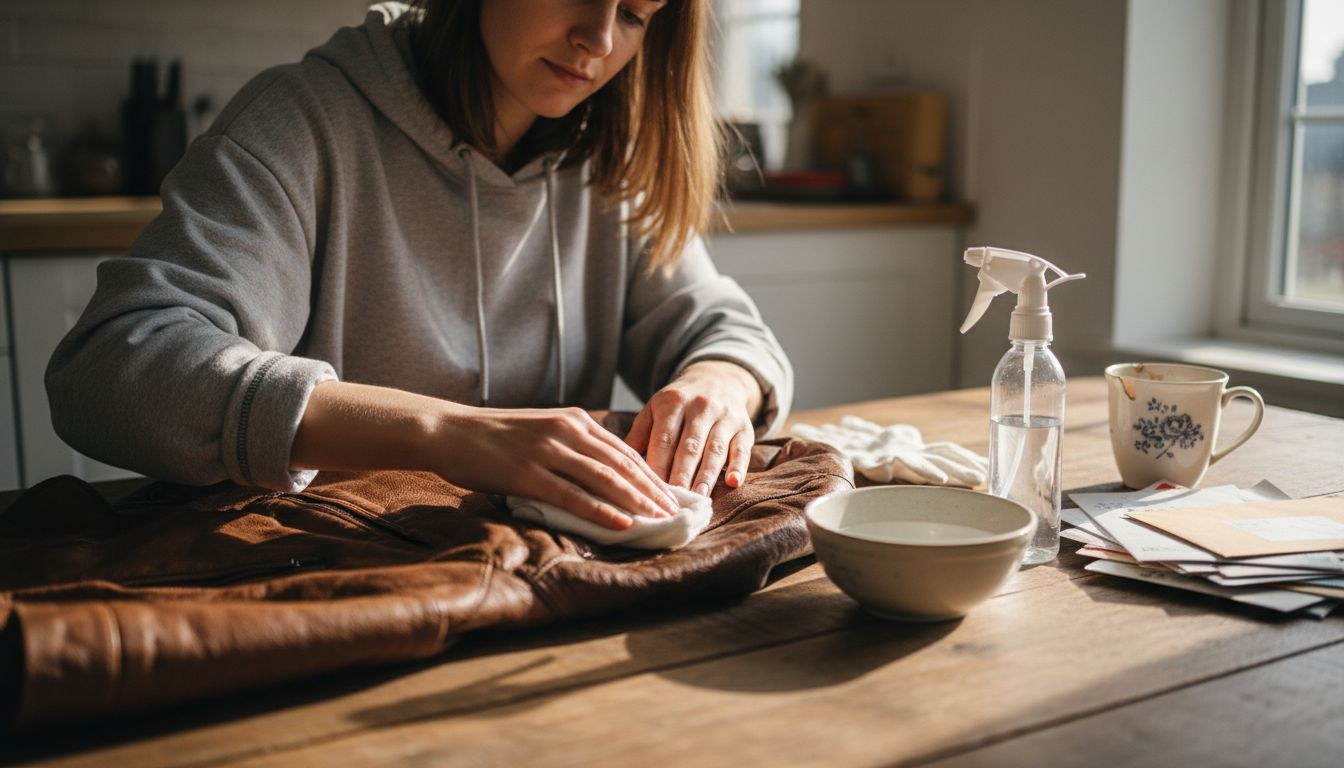
Pro tip: Work in a well-ventilated area and wear clean cotton gloves to prevent transferring oils or dirt from your hands onto the freshly cleaned leather surface.
Step 4: Condition and protect the cleaned leather
After thoroughly cleaning your leather jacket, the next crucial step is conditioning to restore its natural suppleness and create a protective barrier. Leather conditioning experts recommend using specialized products that penetrate and nourish the leather fibers.
Follow these essential conditioning steps for optimal leather protection:
- Select a conditioner appropriate for your specific leather type
- Apply conditioner sparingly using a clean, soft cloth
- Work the product in circular motions to ensure even coverage
- Allow the conditioner to absorb completely for 10-15 minutes
- Buff excess product with a clean microfiber cloth
Leather maintenance professionals suggest using natural ingredients like beeswax or neatsfoot oil to replenish lost moisture and create a protective layer against environmental damage.
Proper conditioning not only maintains your jacket’s appearance but also extends its overall lifespan by preventing drying and cracking.
Pay attention to how your specific leather type responds to conditioning. Some leathers absorb product more quickly than others, so patience and a light touch are key to achieving the best results.
Pro tip: Test the conditioner on a small, hidden area first to ensure it doesn’t alter the leather’s color or texture.
Step 5: Inspect and store the jacket properly
After cleaning and conditioning your leather jacket, the final step is careful inspection and proper storage to preserve its quality and extend its lifespan. Leather preservation experts recommend a systematic approach to maintaining your jacket’s appearance and structural integrity.
Perform these critical inspection and storage steps:
- Check for any remaining stains or damage after cleaning
- Examine seams, zippers, and leather surface for potential wear
- Use a wide, padded hanger to maintain jacket shape
- Store in a cool, dry area away from direct sunlight
- Choose a breathable garment bag for long-term storage
Leather maintenance guidelines emphasize the importance of consistent climate control and periodic inspection to prevent deterioration. Avoid storing your jacket in plastic covers that can trap moisture and promote mold growth.
Proper storage is not just about preserving appearance, but protecting your investment against environmental damage and premature aging.
Check your jacket periodically during storage, especially if it will be unworn for extended periods. Temperature fluctuations and humidity can impact leather’s condition, so a proactive approach is crucial.
This summary outlines key actions and tips for each jacket care stage:
| Stage | Essential Action | Most Important Tip |
|---|---|---|
| GATHER | Prepare supplies | Use leather-specific products |
| PREPARE | Inspect for damage | Identify leather type first |
| CLEAN | Use gentle motions | Clean small areas at a time |
| CONDITION | Apply sparingly | Allow time for absorption |
| STORE | Use proper hanger | Avoid plastic garment covers |
Pro tip: Insert acid-free tissue paper inside the jacket when storing to help maintain its shape and absorb any potential moisture.
Keep Your Leather Jacket Looking Its Best With Expert Care and Style
Maintaining the quality and appearance of your leather jacket is a challenge every owner faces. Whether you are dealing with stains, drying, or general wear, understanding the gentle cleaning and conditioning process is essential. This article highlights the importance of using leather-specific products and proper techniques to preserve your jacket’s suppleness and style over time.
Maker of Jacket offers an extensive range of premium customizable leather jackets that meet high standards of craftsmanship and durability. Explore our Mustang jacket collection Archives – Maker of Jacket for styles that combine rugged design with top-notch leather quality. For those who want variety, browse through the full Maker of Jacket’s collection Archives – Maker of Jacket to find the perfect jacket personalized to your liking.

Don’t just clean your leather jacket—invest in pieces designed for lasting wear and effortless care. Visit https://makerofjacket.com today to discover how our premium leather jackets can complement your care routine and elevate your fashion. Act now to upgrade your wardrobe with jackets that are as enduring as they are stylish.
Frequently Asked Questions
What cleaning supplies do I need for my leather jacket?
You will need a clean, soft microfiber cloth, a soft-bristled leather brush, a specialized leather cleaner, a high-quality leather conditioner, soft cotton towels, and protective gloves. Gather these supplies to ensure a safe and effective cleaning process.
How do I prepare my leather jacket before cleaning it?
Inspect your leather jacket for visible damages, remove loose debris with a brush, and check the leather type. Clear your workspace with good lighting and a flat surface to ensure a careful cleaning process.
What are the best techniques for cleaning a leather jacket?
Apply leather cleaner sparingly using a soft cloth and work in gentle, circular motions to lift dirt. Clean small sections at a time and avoid using too much moisture to prevent potential water damage.
How can I condition my leather jacket after cleaning?
Select a conditioner appropriate for your leather type and apply it sparingly with a clean cloth in circular motions. Allow the conditioner to absorb completely for 10–15 minutes before buffing away any excess product.
How should I store my leather jacket after cleaning and conditioning?
Use a wide, padded hanger to maintain the jacket’s shape and store it in a cool, dry area away from direct sunlight. Consider using a breathable garment bag to prevent moisture buildup during long-term storage.
What should I regularly check on my leather jacket to ensure its longevity?
Periodically inspect your leather jacket for any stains, damages, or wear, especially on seams and zippers. By checking these areas regularly, you can address issues early and extend the jacket’s lifespan.


