

Complete Guide to Jackets for All Seasons

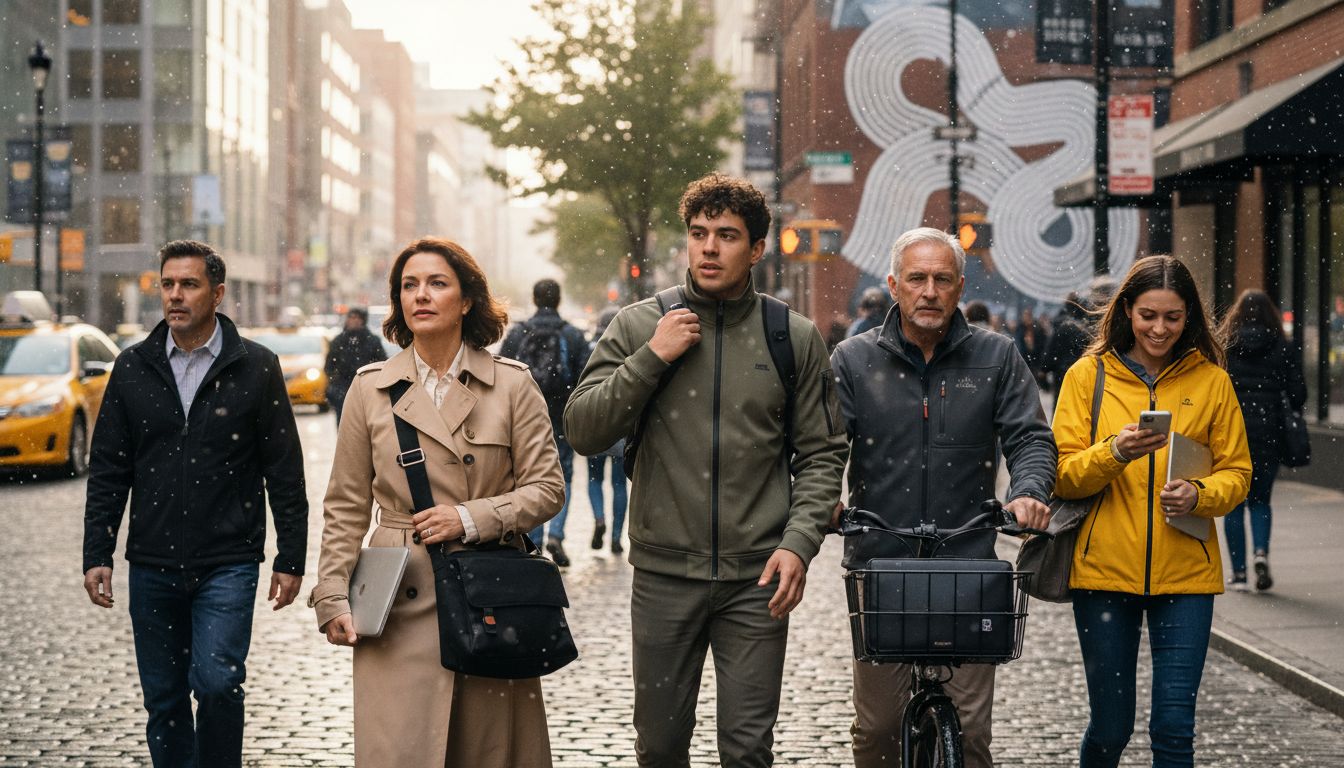
Over 60 percent of people admit their jackets fail to keep them comfortable year-round. Swings in weather can leave you shivering one minute and sweating the next, while searching for the right outerwear often feels like chasing a moving target. Multi-season jackets change the game, offering advanced designs and materials that balance style, comfort, and protection in any climate. Discover how the right jacket can simplify your wardrobe and keep you ready for whatever the forecast brings.
Table of Contents
- What Are Jackets for All Seasons?
- Essential Types of All-Season Jackets
- Key Materials and Weather Adaptability
- Customizable Styles and Personalization Options
- How to Select and Layer Jackets Year-Round
- Common Mistakes When Choosing All-Season Jackets
Key Takeaways
| Point | Details |
|---|---|
| Versatility in Design | All-season jackets are crafted with advanced materials for comfort and protection across varied weather, making them suitable for multiple environments and activities. |
| Key Characteristics | Essential features include weatherproof construction, breathable fabrics, lightweight design, and stylish versatility to meet diverse user needs. |
| Layering Strategy | Effective layering involves using moisture-wicking base layers, insulating mid-layers, and protective outer shells for optimal comfort and adaptability throughout the seasons. |
| Common Selection Mistakes | Avoid errors such as neglecting proper layering, ignoring material functionality, and failing to maintain water-repellent treatments to ensure enhanced performance and longevity of jackets. |
What Are Jackets for All Seasons?
Jackets for all seasons are versatile outerwear garments engineered to provide protection, comfort, and style across varying weather conditions and temperatures. Unlike traditional jackets limited to specific climates, these adaptable pieces are designed with advanced materials and construction techniques that allow wearers to transition seamlessly between different environmental challenges.
According to Durango, strategic layering with appropriate jackets like hardshell and softshell types enables adaptability to changing weather conditions, ensuring year-round comfort and protection. These jackets typically feature key characteristics that make them exceptional multi-purpose garments:
- Weatherproof Construction: Resistant to wind, rain, and temperature fluctuations
- Breathable Fabrics: Allows moisture management and temperature regulation
- Lightweight Design: Easy to pack and wear across different settings
- Versatile Styling: Suitable for casual, professional, and outdoor environments
As AMCSEM highlights, technologies like GORE-TEX represent pinnacle examples of all-season jacket engineering, offering lightweight, waterproof, and breathable protection that adapts to diverse conditions. These jackets are not just clothing items but sophisticated performance gear designed to meet the dynamic needs of modern lifestyles.
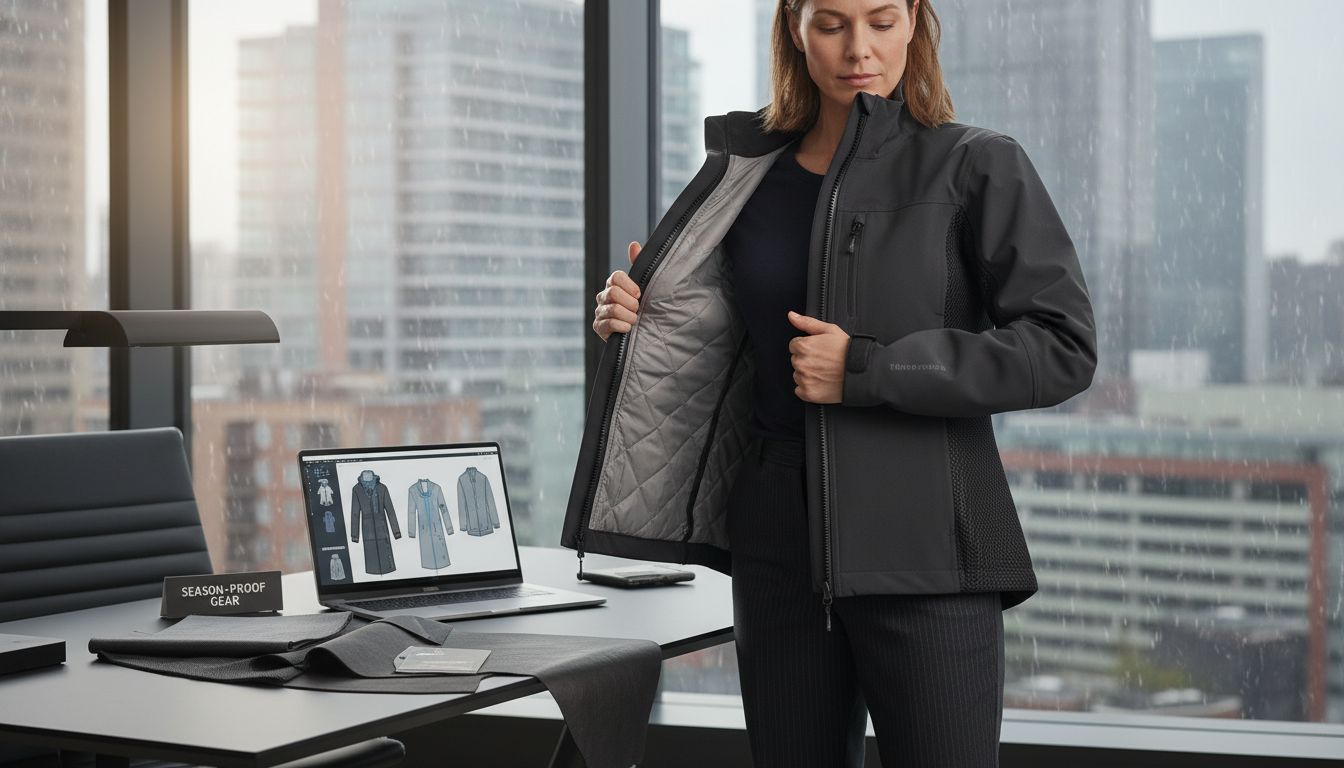
When selecting a jacket for all seasons, consider materials like synthetic blends, treated leathers, and advanced membrane technologies that provide thermal regulation, water resistance, and durability. Motorcycle Jacket Archives showcase how specialized designs can offer both functional protection and stylish versatility across different environments and activities.
Essential Types of All-Season Jackets
All-season jackets represent a dynamic collection of versatile outerwear designed to meet diverse style and functionality requirements across different environments and weather conditions. Understanding the range of available options allows individuals to select the most appropriate jacket for their specific needs and personal preferences.
According to Knowway, common all-season jackets encompass an impressive variety of styles, including blazers, leather jackets, denim jackets, trench coats, bomber jackets, field jackets, windbreakers, parkas, pea coats, and motorcycle jackets. Each of these styles offers unique adaptability and protection across changing weather scenarios.
Specialty jackets provide additional versatility for specific environments. Workwear highlights that chore coats and military-style jackets are particularly durable options suitable for demanding conditions. These jackets blend functionality with adaptable design, making them excellent choices for professionals and outdoor enthusiasts.
When exploring all-season jacket options, consider the following key characteristics for each type:
- Leather Jackets: Timeless style, excellent wind resistance
- Bomber Jackets: Lightweight, versatile for layering
- Windbreakers: Compact, water-resistant performance
- Trench Coats: Formal appearance with excellent rain protection
- Field Jackets: Rugged design with multiple storage options
For those seeking ultimate versatility, leather jacket Archives provide excellent insights into selecting jackets that seamlessly transition between different settings and weather conditions. The right all-season jacket is not just a piece of clothing, but a strategic investment in comfort, style, and practicality.
Key Materials and Weather Adaptability
The performance of all-season jackets fundamentally depends on the strategic selection of materials that provide exceptional protection, comfort, and versatility across diverse environmental conditions. Understanding the scientific principles behind fabric technologies enables consumers to make informed decisions about their outerwear investments.
Durango emphasizes the importance of a comprehensive layering approach, highlighting that effective weather adaptability stems from utilizing fabrics that wick moisture away from the body, combined with insulating mid-layers and protective outer shells. This multi-layer strategy ensures optimal temperature regulation and comfort in fluctuating weather scenarios.
Advanced fabric technologies have revolutionized jacket performance. According to AMCSEM, GORE-TEX represents a pinnacle of fabric engineering, offering waterproof and breathable properties that make it ideal for all-weather jackets. These innovative materials adapt to changing conditions by providing:
- Moisture Wicking: Pulls sweat away from the body
- Thermal Regulation: Maintains consistent body temperature
- Water Resistance: Protects against rain and external moisture
- Breathability: Allows air circulation to prevent overheating
Key materials for all-season jackets include:
- Synthetic Blends: Lightweight, quick-drying performance
- Treated Leathers: Wind-resistant with natural durability
- Membrane Technologies: Advanced protection against elements
- Wool Composites: Natural insulation with temperature regulation
Essential Features of Windbreaker Jackets provide additional insights into how material science continues to push the boundaries of jacket performance, ensuring that modern outerwear can truly adapt to any environmental challenge.
Customizable Styles and Personalization Options
Personalization represents the ultimate expression of individual style and functionality in all-season jackets, transforming standard outerwear into unique statements that reflect personal aesthetics, professional needs, and lifestyle preferences. Modern jacket design has evolved far beyond one-size-fits-all approaches, offering unprecedented levels of customization that cater to diverse individual requirements.
Knowway highlights the extensive range of jacket styles available for personalization, including blazers, leather jackets, denim jackets, trench coats, bomber jackets, field jackets, windbreakers, parkas, pea coats, and motorcycle jackets. Each style provides a unique canvas for personal expression and functional adaptation.
Workwear emphasizes that customization extends beyond aesthetic choices, particularly with chore coats and military-style jackets that can be tailored for both functional and aesthetic purposes. Personalization options typically encompass:
- Color Modifications: Select from extensive color palettes
- Material Upgrades: Choose premium leather or specialized fabrics
- Embellishment Options: Add patches, embroidery, or custom artwork
- Functional Additions: Incorporate extra pockets, removable liners
- Fit Adjustments: Customize sleeve length, body width, collar style
Customization strategies include:
- Personal Branding: Add monograms or personal insignias
- Professional Adaptation: Modify jackets for specific work environments
- Cultural Expression: Incorporate design elements reflecting personal heritage
- Performance Enhancement: Add technical features for specific activities
Customizable Options demonstrate how modern jacket design has become a deeply personal experience, allowing individuals to create outerwear that is not just a protective layer, but a true extension of personal identity and style.
How to Select and Layer Jackets Year-Round
Effective jacket selection and layering transcend simple clothing choices, representing a strategic approach to personal comfort, style, and protection across constantly changing environmental conditions. Understanding the principles of intelligent layering allows individuals to maintain optimal temperature regulation and adaptability throughout the year.
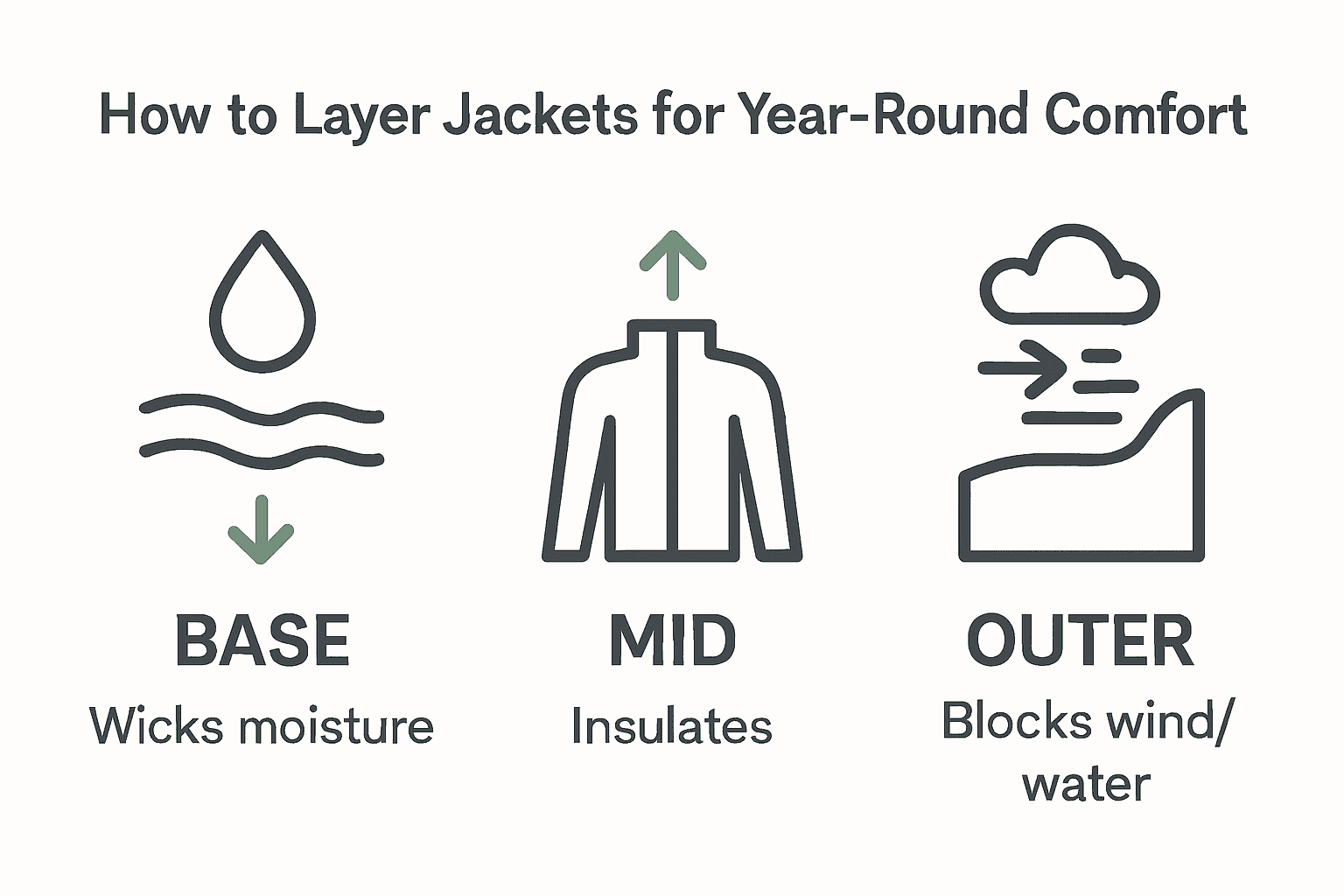
Durango emphasizes the critical importance of a comprehensive layering strategy, recommending a three-tier approach that includes moisture-wicking base layers, insulating mid-layers, and protective outer shells. This systematic method ensures consistent comfort by managing body temperature and protecting against diverse weather challenges.
According to AMCSEM, advanced technologies like GORE-TEX provide exceptional versatility, offering waterproof and breathable protection suitable for complex layering scenarios. Effective layering involves understanding each garment’s specific function:
- Base Layer: Moisture-wicking materials that keep skin dry
- Mid Layer: Insulating fabrics like fleece or lightweight down
- Outer Layer: Protective shells blocking wind and precipitation
Seasonal layering strategies include:
- Spring: Lightweight, easily removable layers
- Summer: Breathable, minimal layers with sun protection
- Autumn: Adaptable layers with mix-and-match potential
- Winter: Multiple insulating layers with windproof outer shells
Master How to Layer Jackets for Style and Comfort provides comprehensive insights into creating versatile, stylish outerwear combinations that adapt seamlessly to changing environmental conditions while maintaining personal aesthetic preferences.
Common Mistakes When Choosing All-Season Jackets
Selecting the perfect all-season jacket requires more than just aesthetic appreciation. Many individuals unknowingly compromise their comfort and protection by making critical errors during the selection and maintenance process, which can significantly impact their wearing experience and jacket longevity.
Durango emphasizes a critical mistake that many jacket wearers make: neglecting proper layering techniques. Omitting moisture-wicking base layers or insulating mid-layers can lead to substantial discomfort and inadequate protection across varying weather conditions. This oversight transforms potentially versatile outerwear into ineffective clothing.
According to AMCSEM, another common error is failing to maintain the jacket’s Durable Water Repellent (DWR) treatment, which can dramatically reduce waterproof capabilities and overall performance. The most prevalent mistakes when choosing all-season jackets include:
- Ignoring Material Functionality: Selecting jackets without considering fabric performance
- Overlooking Layering Principles: Choosing single-layer jackets for complex weather
- Neglecting Maintenance: Failing to preserve water-resistant treatments
- Size Miscalculation: Purchasing jackets that don’t allow proper layering
- Disregarding Activity-Specific Needs: Using generalist jackets for specialized environments
Key mistakes to avoid:
- One-Size-Fits-All Mentality: Assuming a single jacket works everywhere
- Prioritizing Style Over Function: Choosing looks over performance
- Skipping Fit Adjustments: Not considering room for layering
- Ignoring Climate Specifics: Using inappropriate jacket types for your environment
Cold Weather Archives provides additional insights into selecting jackets that truly deliver protection and comfort across diverse environmental conditions.
Find Your Perfect All-Season Jacket with Maker of Jacket
Struggling to find a jacket that blends style, comfort, and weather adaptability all year round The challenge is real when you want a versatile piece that handles every climate without compromising on fit or personalization. The Complete Guide to Jackets for All Seasons highlights how crucial materials, layering, and customization are for maintaining comfort and protection through all temperatures.
Discover the solution at Maker of Jacket’s collection Archives – Maker of Jacket where you can explore a wide range of high-quality jackets designed for every season and style preference.
Ready to experience unmatched versatility and craftsmanship Choose from collections like the Mustang jacket collection Archives – Maker of Jacket or create your own customized jacket tailored specifically to your needs. With worldwide free shipping and an easy ordering system, there is no better time to upgrade your outerwear. Visit Maker of Jacket now and step into comfort and style all year long.
Frequently Asked Questions
What features should I look for in an all-season jacket?
Look for weatherproof construction, breathable fabrics, lightweight design, and versatile styling to ensure comfort and adaptability across different weather conditions.
How can I effectively layer jackets for year-round use?
Utilize a three-tier layering system: a moisture-wicking base layer, an insulating mid-layer, and a protective outer shell. This approach maintains optimal comfort and temperature regulation.
What materials are best for all-season jackets?
Key materials include synthetic blends for lightweight performance, treated leathers for wind resistance, and advanced membrane technologies like GORE-TEX for waterproofing and breathability.
What are common mistakes to avoid when choosing an all-season jacket?
Common mistakes include ignoring material functionality, overlooking layering principles, neglecting maintenance of water-resistant treatments, and purchasing jackets that do not allow for proper layering.


