

How to Break in a Jacket: Achieve Comfort and Style

That brand new jacket might look sharp, but wearing it can feel like suiting up in cardboard. Most jackets need weeks of wear before they finally soften and fit right. Yet, most people do not realize you can speed up the breaking in process from weeks to just a few purposeful steps.
With the right approach, even the stiffest leather or toughest denim can quickly become your favorite, most comfortable piece in the closet.
Table of Contents
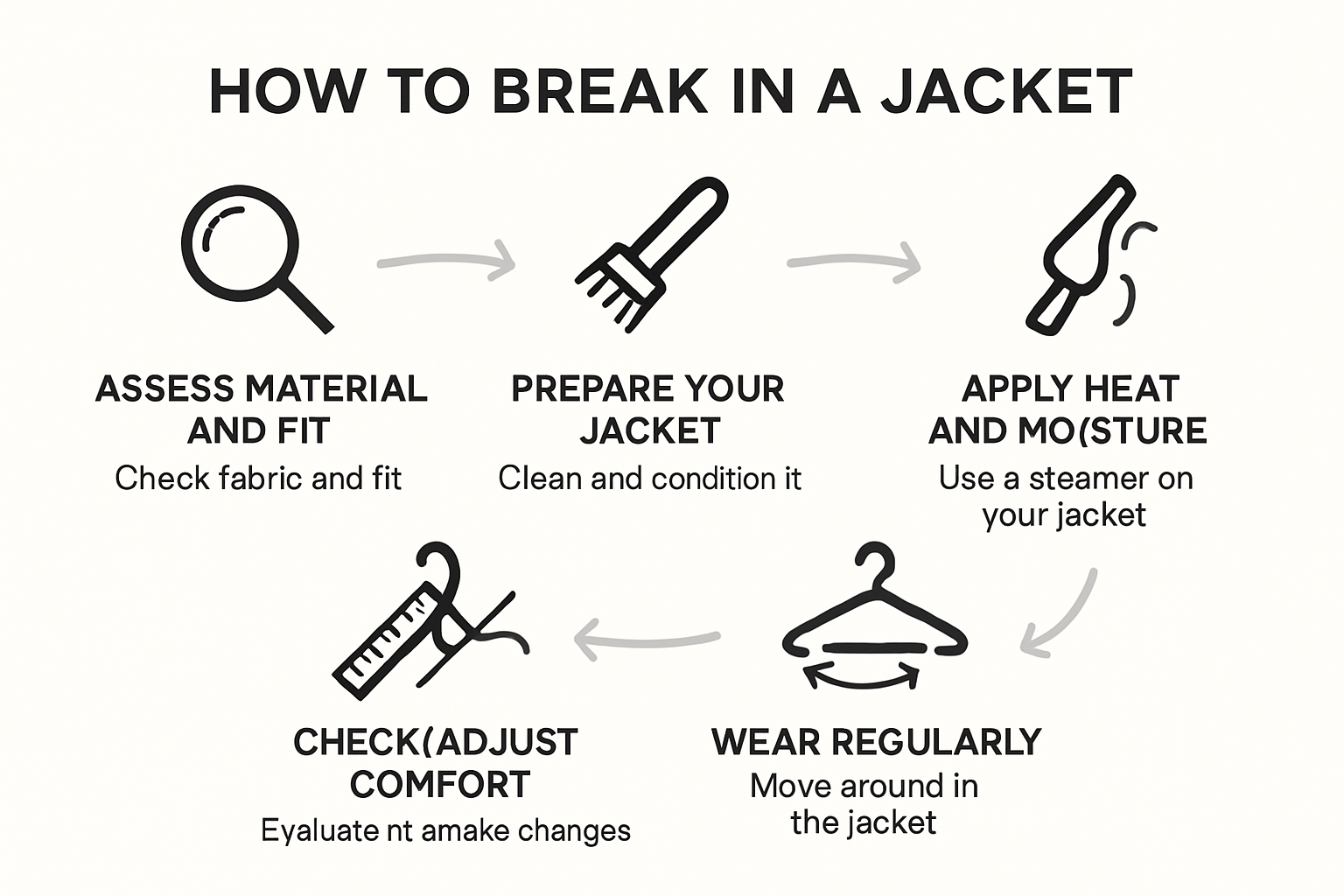
- Step 1: Assess Your Jacket’s Material And Fit
- Step 2: Prepare Your Jacket For The Breaking-In Process
- Step 3: Apply Heat And Moisture To Soften The Fabric
- Step 4: Wear The Jacket Regularly In Various Settings
- Step 5: Check For Comfort And Adjust As Needed
Quick Summary
| Key Point | Explanation |
|---|---|
| 1. Assess Material and Fit First | Evaluate your jacket’s fabric type and fit before attempting to break it in. Proper assessment ensures effective breaking-in strategies tailored to your jacket’s unique characteristics. |
| 2. Thoroughly Prepare Your Jacket | Clean and inspect your jacket for damage to establish a solid foundation for breaking it in. This helps to prevent complications during the process, ensuring optimal results. |
| 3. Use Heat and Moisture Carefully | Apply controlled heat and moisture to soften the jacket’s fabric. This technique helps make the material more flexible, enhancing comfort without causing damage. |
| 4. Wear the Jacket Frequently | Regularly wearing your jacket in diverse settings allows it to adapt to your body’s movements naturally. This method helps the fabric become more comfortable with time. |
| 5. Check and Adjust for Comfort | Perform a comfort assessment after breaking in to identify any fit issues. Make targeted adjustments as needed for optimal comfort, including considering professional tailoring. |
Step 1: Assess Your Jacket’s Material and Fit
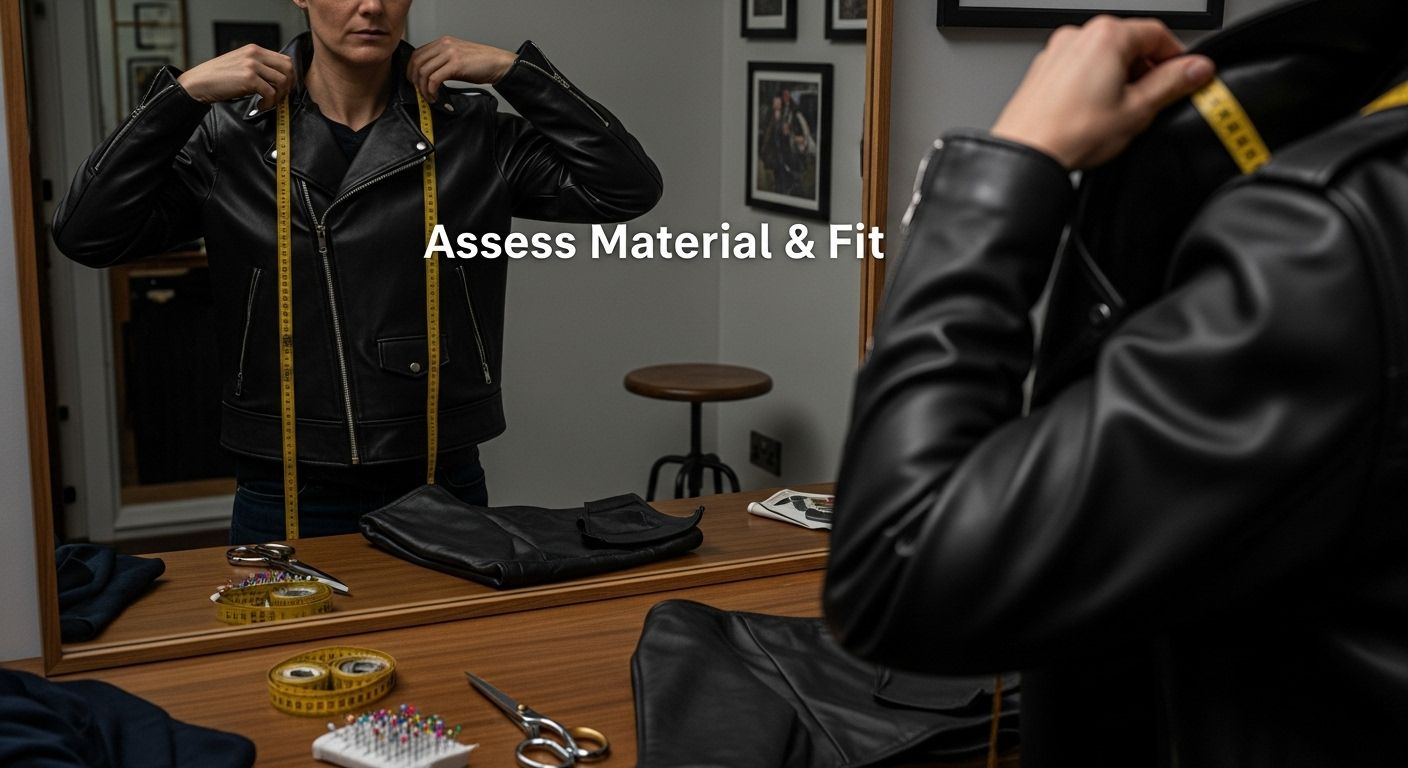
Breaking in a jacket is an art that begins with understanding your specific garment’s unique characteristics. The first critical step involves carefully evaluating your jacket’s material composition and overall fit, which directly impacts how successfully you can transform a stiff new piece into a comfortable, personalized wardrobe staple.
Every jacket demands a nuanced approach based on its fabric type. Leather jackets require different breaking in techniques compared to cotton or synthetic materials. When you first examine your jacket, pay close attention to its texture, weight, and initial stiffness. Thick leather motorcycle jackets, for instance, will need more deliberate breaking in methods compared to lightweight denim or canvas jackets.
Here is a helpful table summarizing the proper techniques to break in different jacket materials as mentioned in the article. This allows you to quickly compare recommended methods for leather, denim, and cotton jackets.
| Jacket Material | Recommended Breaking-In Method | Precautions to Note |
|---|---|---|
| Leather | Light moisture (mist), gentle heat, conditioner | Never soak; avoid excess heat/moisture |
| Denim | Regular wear, washing, gentle stretching | Avoid high heat drying |
| Canvas/Cotton | Spot cleaning, wear, careful movement | Use mild detergent, avoid hot washes |
| Synthetic Fiber | Regular wear, light steaming | Check care label for heat tolerance |
Fit is equally crucial in this process. A well fitted jacket provides the foundation for comfortable wear and easier breaking in. Check your jacket’s shoulder alignment, sleeve length, and overall body contour. The jacket should allow comfortable movement without excessive bunching or tightness. If the shoulders feel restrictive or the sleeves are too long or short, you might need professional tailoring before beginning the breaking in process.
According to New Mexico State University’s textile guidelines, proper jacket fitting involves examining not just the overall silhouette but also understanding how different fabric interfaces interact with body movement. This means observing how the jacket moves when you stretch, bend, or perform everyday activities.
For those interested in exploring more specialized jacket styles, check out our motorcycle jacket collection for additional insights into material and fit considerations specific to different jacket types.
Successful jacket breaking requires patience and a strategic approach. Signs of a good fit include:
- Comfortable shoulder placement without pulling
- Sleeves that allow natural arm movement
- Fabric that feels slightly snug but not restrictive
- No significant gaping or bunching when arms are extended
Taking time to thoroughly assess your jacket’s material and fit sets the stage for a successful breaking in process, ensuring you’ll transform a stiff garment into a personalized, comfortable piece that feels like a second skin.
Step 2: Prepare Your Jacket for the Breaking-In Process
Preparing your jacket for breaking in is a critical phase that sets the foundation for transforming a stiff garment into a comfortable, personalized piece. This step involves strategic cleaning, inspection, and initial conditioning that will help soften the fabric and create a more adaptable fit.
Initial preparation begins with a thorough yet gentle cleaning process. Depending on your jacket’s material, you will need different approaches. For leather jackets, use a soft, dry cloth to remove surface dust and dirt. Avoid water based cleaning methods that could damage the material. Fabric jackets might require a more hands on approach with mild detergent and careful spot cleaning. Pay special attention to areas that experience most movement: armpits, elbows, and shoulders.
Inspection is equally crucial before beginning the breaking in process. Check all seams, zippers, and hardware for any potential weak points or existing damage. Small tears or loose threads can become significant problems during the breaking in process, so addressing them early prevents future complications. For leather jackets, look for any dry or cracked areas that might need specific conditioning.
According to the National Wildfire Coordinating Group, proper jacket preparation involves careful examination of all functional components. This means testing zippers, checking strap integrity, and ensuring no hidden damage could compromise the jacket’s performance or comfort.
Explore our leather jacket care guide for more detailed insights into material specific maintenance techniques.
Before proceeding to breaking in your jacket, gather essential preparation tools:
- Soft microfiber cloths
- Mild fabric cleaner appropriate to your jacket material
- Soft bristle brush
- Leather conditioner (for leather jackets)
- Clean workspace with good lighting
Successful preparation means your jacket is clean, structurally sound, and ready for the breaking in process. You should feel confident that you have removed surface dirt, checked for potential issues, and created an optimal starting point for transforming your jacket into a comfortable, personalized garment.
To streamline the preparation process, use this checklist table to ensure your jacket is ready to be broken in. It summarizes the key preparation actions highlighted in the article.
| Preparation Task | Description | Why It’s Important |
|---|---|---|
| Clean jacket surface | Use methods suitable for material to remove dirt | Prevents damage and buildup |
| Inspect seams and hardware | Check for loose threads, tears, or faulty zippers | Early fixes prevent worse issues |
| Condition (if leather) | Apply leather conditioner where needed | Maintains suppleness, prevents cracks |
| Gather appropriate cleaning tools | Prepare cloth, brush, cleaners for your material type | Ensures safe and effective prep |
| Prepare workspace | Set up well-lit, clean area for inspection | Reduces mistakes and missed spots |
Step 3: Apply Heat and Moisture to Soften the Fabric
Applying heat and moisture is a transformative technique that helps break in your jacket, making the fabric more pliable and comfortable. This crucial step requires precision and care to ensure you enhance the jacket’s flexibility without causing damage to its structure or material integrity.
The method varies significantly depending on your jacket’s specific material. For leather jackets, moisture is your most delicate tool. Instead of soaking the entire garment, focus on specific areas that need softening. Use a spray bottle with a light mist of water, targeting elbows, shoulders, and other high movement zones. Be cautious not to oversaturate the leather, as excessive moisture can cause permanent damage or warping.
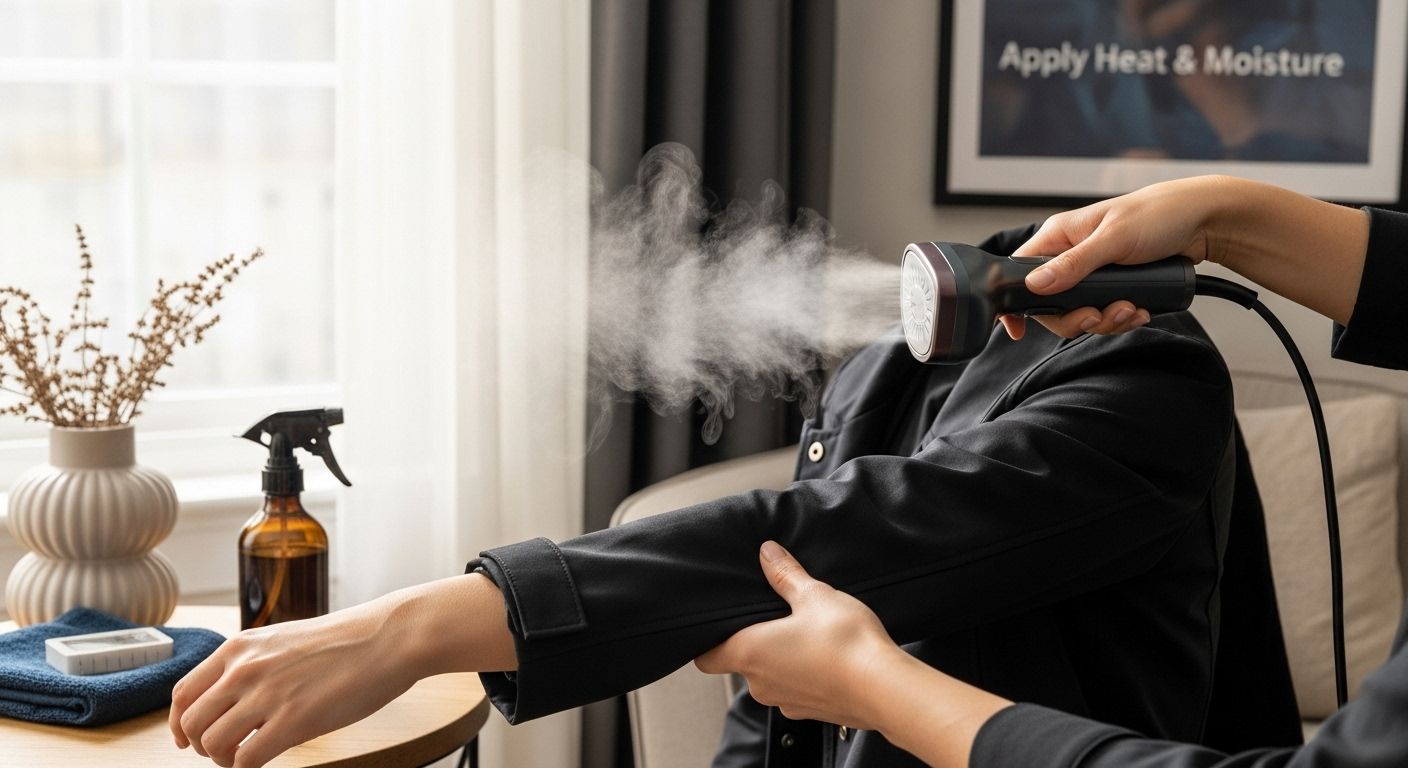
Heat application requires an equally strategic approach. For most jackets, a handheld steamer works wonderfully. Hold the steamer approximately six inches from the fabric, moving continuously to distribute heat evenly. This technique helps relax fibers and reduce initial stiffness. Leather jackets benefit from gentle warmth, but synthetic materials might require different heat management techniques.
According to a technical research publication on fabric properties, controlled heat and moisture application can significantly alter fabric mechanical properties, making garments more comfortable and adaptable. This scientific approach underscores the importance of methodical breaking in techniques.
Explore our leather conditioning techniques for more advanced fabric softening methods.
Some essential precautions to remember during this process include:
- Always test a small, inconspicuous area first
- Use minimal moisture for leather jackets
- Move heat sources continuously to prevent fabric damage
- Allow jacket to air dry naturally after treatment
Successful heat and moisture application results in a noticeably more flexible jacket. You should feel the fabric becoming softer and more responsive to movement. The jacket will start to mold more naturally to your body, indicating that the breaking in process is progressing effectively. Remember, patience is key – rushing this step can lead to irreversible damage to your favorite garment.
Step 4: Wear the Jacket Regularly in Various Settings
Wearing your jacket frequently and strategically is the most natural and effective method of breaking it in. This step transforms theoretical softening techniques into practical, everyday comfort by allowing the jacket to adapt to your body’s unique movements and shape.
Consistent wear is key to successful jacket breaking. Start by incorporating the jacket into your daily routine, choosing environments that will naturally help soften the material. Casual outings, walks, and routine activities provide perfect opportunities to gently work the fabric. Movement is the secret weapon in breaking in your jacket. Reach, stretch, and move naturally while wearing the jacket to help it conform to your body’s contours.
Diversity in wearing environments accelerates the breaking in process. Moving between indoor and outdoor settings exposes the jacket to different temperatures and movements, which helps the fabric become more flexible. A morning coffee run, an afternoon walk, or an evening dinner can each contribute to softening your jacket in unique ways. Pay attention to how the jacket feels during different activities, noting areas that seem stiff or require more breaking in.
According to guidelines from the Texas A&M AgriLife Extension Service, wearing well fitted clothing is crucial for comfort and performance. This principle applies directly to jacket breaking techniques.
Check out our guide on jacket styling for different occasions to maximize your breaking in strategy.
Consider these strategic wearing tips:
- Wear the jacket during activities that involve natural arm movements
- Layer the jacket over different clothing to understand its flexibility
- Alternate between sitting and standing to help the fabric adapt
- Avoid prolonged periods of jacket immobility
Successful breaking in is evident when the jacket begins to feel like a second skin. You will notice increased comfort, reduced stiffness, and a more natural drape that moves seamlessly with your body. The jacket should start feeling personalized, molding to your specific shape and movement patterns, transforming from a rigid garment to a comfortable, stylish piece that feels uniquely yours.
Step 5: Check for Comfort and Adjust as Needed
The final stage of breaking in a jacket involves a comprehensive comfort assessment and strategic adjustments. This critical step ensures that your jacket not only looks great but feels like a natural extension of your personal style and movement.
Systematic comfort evaluation begins with a series of deliberate movement tests. Stand in front of a mirror and perform a range of motions that mimic your daily activities. Raise your arms, reach forward, twist your torso, and sit down to identify any areas of potential restriction or discomfort. Pay special attention to key mobility zones like shoulders, elbows, and underarms, where stiffness can significantly impact your comfort level.
If you discover areas of persistent stiffness, targeted interventions become necessary. For leather jackets, targeted conditioning with specialized leather softeners can help address specific rigid sections. Fabric jackets might benefit from additional gentle stretching or strategic wearing in problematic areas. The goal is creating a jacket that moves with you, not against you.
According to OSHA guidelines on protective clothing, proper clothing fit is crucial for comfort and functionality. This principle applies directly to jacket breaking techniques, emphasizing the importance of personalized adjustments.
Consider these critical comfort assessment points:
- Check for unrestricted arm movement
- Ensure no pinching or pulling across shoulders
- Verify comfortable length in sleeves and body
- Listen to your body’s signals during extended wear
Professional tailoring can provide a final, refined touch if breaking in techniques do not completely resolve fit issues. A skilled tailor can make minor adjustments that transform a good jacket into a perfect one, ensuring optimal comfort and style. Some jackets might require slight alterations in sleeve length, shoulder width, or overall contour to achieve that ideal, personalized fit.
Successful jacket breaking is evident when the garment feels like a second skin. You should experience complete freedom of movement, with the jacket supporting rather than restricting your natural motions. The material will feel soft, pliable, and molded to your body, creating a sense of seamless comfort that makes the breaking in process entirely worthwhile.
Transform Jacket Challenges into Ultimate Comfort with Maker of Jacket
Struggling to achieve the perfect blend of comfort and signature style in your jacket? Many readers face the frustration of stiff fabrics, awkward fits, and countless attempts to break in new outerwear. The process can feel overwhelming without the right materials or the ideal fit from the start. With a focus on tailored solutions, Maker of Jacket offers a collection designed to solve these common pain points, so you spend less time adjusting and more time enjoying your look. Discover a curated selection handcrafted for easy breaking-in and lasting wear at our Maker of Jacket’s Collection.
Ready for all-day comfort straight from your first wear? Shop exclusive, high-quality jackets or request custom fits that enhance mobility and style. Explore Maker of Jacket for seamless ordering and special offers. Your perfect jacket is waiting—unlock comfort and style today.
Frequently Asked Questions
How long does it take to break in a jacket?
Breaking in a jacket varies by material and wear frequency, but it typically takes a few weeks of regular use to achieve optimal comfort and flexibility.
What are the best methods to soften a leather jacket?
To soften a leather jacket, apply minimal moisture to high-movement areas, use a handheld steamer for gentle heat, and consider leather conditioning products to maintain suppleness.
Can I wear my jacket while doing physical activities to help break it in?
Yes, wearing your jacket during various activities like walking or casual chores allows it to adapt to your movements, accelerating the breaking-in process.
How do I know if my jacket is fitting properly after breaking it in?
After breaking in, assess movement freedom by raising your arms, twisting your torso, and sitting down. If there’s no restriction and the fabric feels comfortable, your jacket is fitting correctly.


