

Understanding Color Psychology in Fashion Choices

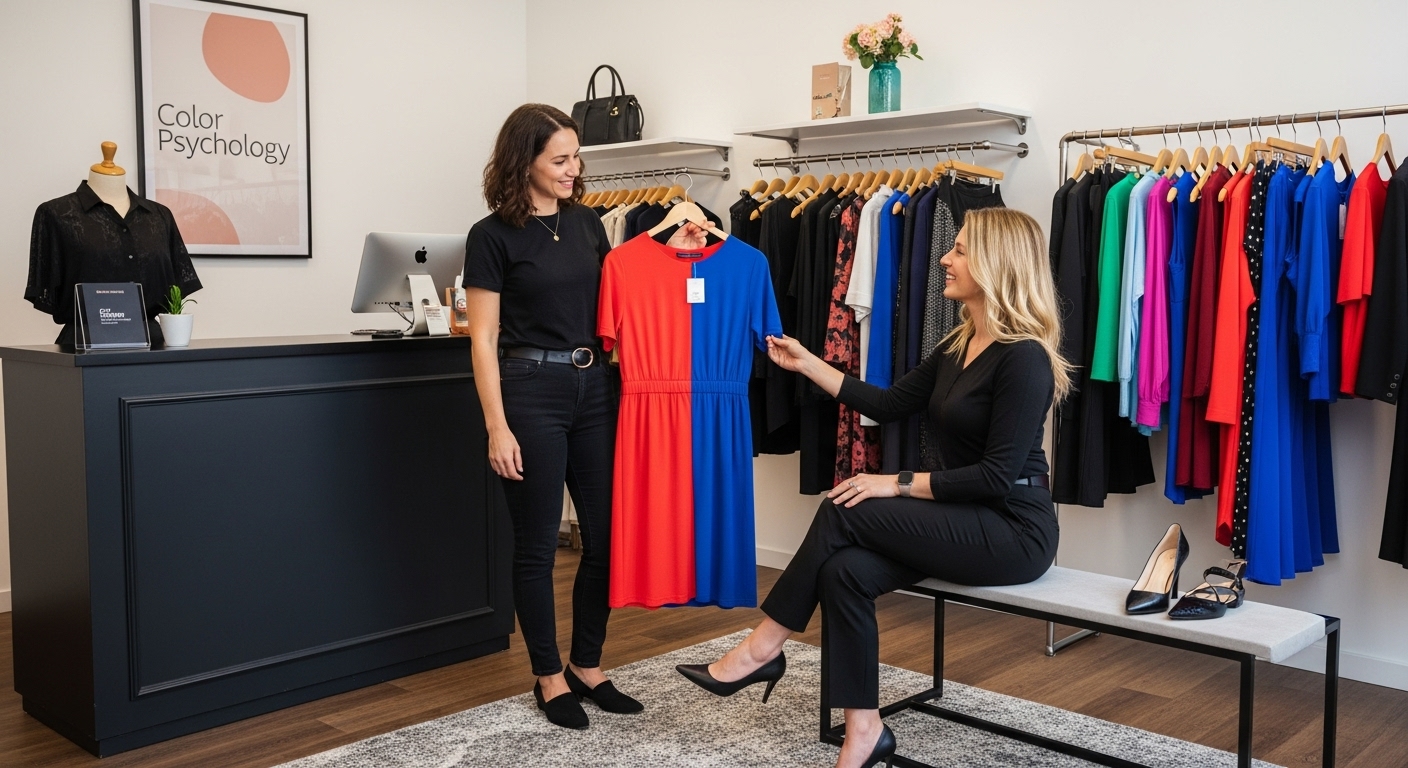
Color psychology shapes how we react before we even speak, especially when it comes to what we wear. It might sound wild, but studies show that color information is processed in our brains within milliseconds, long before logic enters the conversation. Most people think color is just about style or matching shoes to shirts but it actually sends powerful emotional signals that change how others see you and how you feel about yourself.
Table of Contents
- What Is Color Psychology And Its Significance In Fashion?
- How Colors Influence Emotions And Perceptions In Clothing
- The Role Of Color In Branding And Fashion Trends
- Real-World Applications Of Color Psychology In Fashion Design
Quick Summary
| Takeaway | Explanation |
|---|---|
| Color affects emotional responses. | Colors evoke specific feelings and memories within individuals. Understanding this can enhance self-expression in fashion choices. |
| Cultural meanings of colors matter. | Different cultures interpret colors uniquely, influencing emotional and social perceptions tied to fashion choices. |
| Color selection impacts brand identity. | Fashion brands use colors to convey personality and connect emotionally with consumers, influencing their brand image. |
| Colors can communicate complex identities. | Thoughtful color choices reflect personal emotions, social aspirations, and cultural narratives, deepening the meaning of fashion. |
| Neurological responses to color are immediate. | Color perception triggers rapid brain activity, affecting how people are emotionally perceived by others in social contexts. |
What is Color Psychology and Its Significance in Fashion?
Color psychology represents a fascinating intersection between visual perception and emotional response, particularly within the realm of fashion design and personal style. At its core, color psychology explores how different colors impact human emotions, behaviors, and perceptions through their inherent visual and psychological properties.
The Fundamental Mechanisms of Color Perception
Understanding color psychology requires recognizing that colors are not merely visual stimuli but powerful communicative tools. According to research published in PubMed, colors significantly influence human cognitive processes and emotional states. When individuals encounter specific colors in fashion, their brains immediately process complex neurological and emotional responses that extend beyond simple aesthetic appreciation.
Key aspects of color perception include:
- Emotional Triggering: Colors can instantly evoke specific feelings and memories
- Cultural Symbolism: Different cultures assign unique meanings to various color tones
- Psychological Associations: Specific colors connect with particular personality traits and emotional states
Psychological Impact of Color Choices in Fashion
In fashion, color psychology becomes a strategic tool for self expression and communication. When selecting clothing, individuals unconsciously leverage colors to communicate personal identity, mood, and social positioning. A deep blue might signal professionalism and confidence, while vibrant red could represent passion and energy.
Fashion designers and psychological researchers recognize that color choices are never random but deeply intentional. The selected color palette communicates volumes about an individual’s inner emotional landscape, social aspirations, and personal narrative.
By understanding these subtle psychological mechanisms, fashion enthusiasts can make more intentional wardrobe selections that authentically represent their personal brand and emotional state.
Ultimately, color psychology transforms fashion from mere fabric and design into a nuanced language of personal expression, where every color choice tells a unique story about the wearer’s inner world.
How Colors Influence Emotions and Perceptions in Clothing
Color transcends mere visual aesthetics, functioning as a powerful psychological communication tool that profoundly impacts human emotional experiences and social interactions. Within fashion, colors operate as silent messengers, communicating complex emotional narratives and influencing interpersonal perceptions instantaneously.
The Neurological Response to Color
Neurological research demonstrates that color perception triggers immediate and complex brain responses. According to research from Arcadia University, clothing colors can dramatically alter how individuals are perceived by others, creating instantaneous emotional and social impressions.
The neurological mechanisms of color perception involve:
- Rapid Processing: Color information is processed within milliseconds
- Emotional Circuits: Different colors activate specific brain regions associated with emotional responses
- Memory Integration: Colors trigger immediate associations with past experiences
Emotional Mapping of Color Experiences
Each color carries distinct emotional signatures that influence psychological states. Blue typically evokes feelings of calmness and professionalism, while red stimulates excitement and passion. Green represents natural harmony and balance, creating sensations of tranquility and renewal.
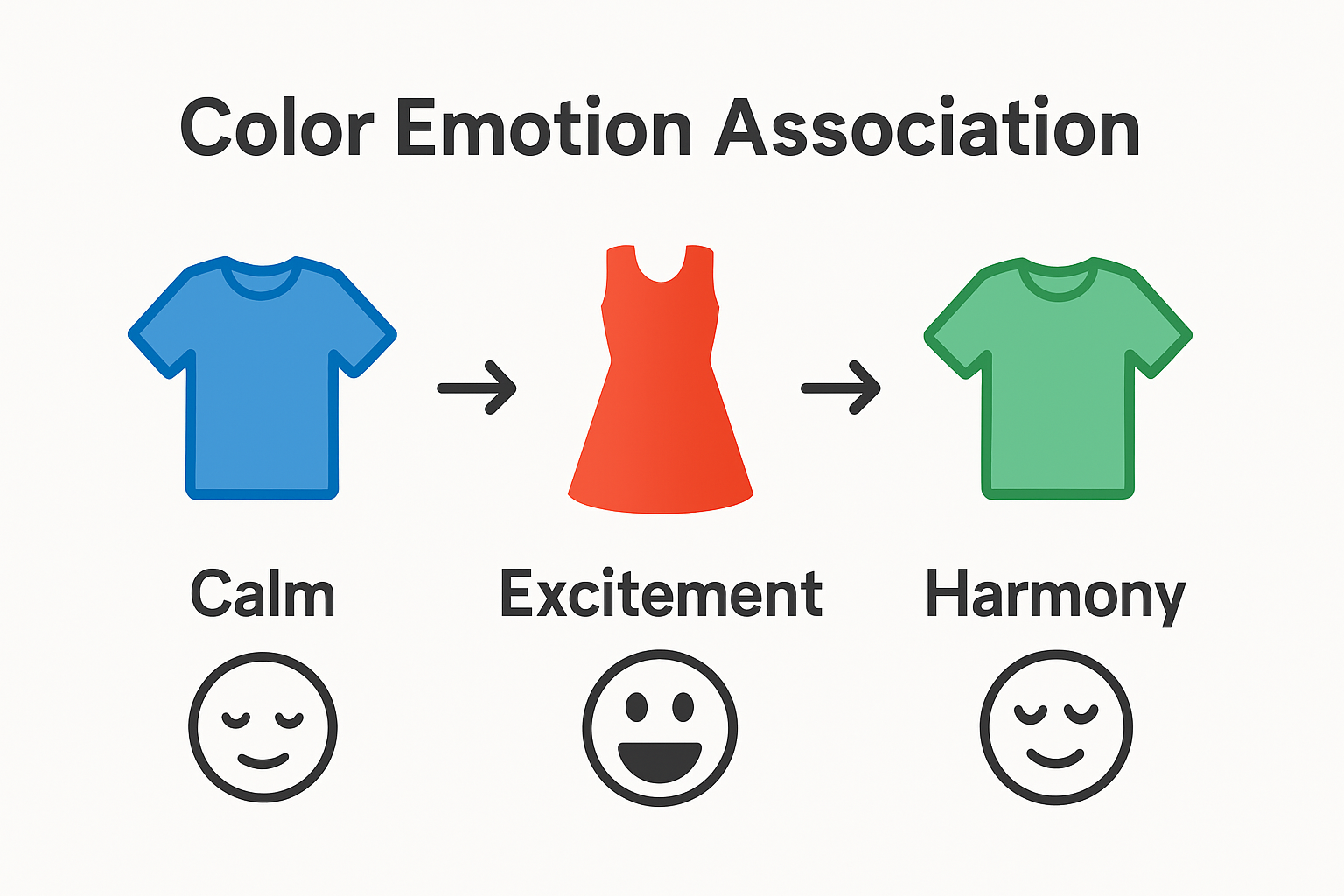
These color associations are not arbitrary but deeply rooted in evolutionary and cultural experiences. A bright yellow might spark feelings of optimism and energy, whereas deep purple could communicate luxury and introspection. By understanding these nuanced emotional mappings, individuals can strategically use clothing colors to communicate specific psychological states and social intentions.
Fashion becomes more than fabric transformation when colors are recognized as emotional languages, enabling wearers to communicate complex inner experiences without uttering a single word.
To help readers quickly understand the psychological effects linked to common clothing colors, the following table summarizes key emotional associations discussed in the article.
| Color | Common Emotional Associations | Example Fashion Use |
|---|---|---|
| Blue | Calmness, professionalism | Business suits, uniforms |
| Red | Passion, excitement, energy | Party dresses, statement pieces |
| Green | Harmony, renewal, tranquility | Eco-fashion, spring attire |
| Yellow | Optimism, energy, happiness | Summer wear, casual outfits |
| Purple | Luxury, introspection, creativity | Evening gowns, accessories |
| Burgundy | Sophistication, luxury | High-end fashion, formalwear |
| Neutral tones | Sophistication, restraint | Minimalist brands, basics |
The Role of Color in Branding and Fashion Trends
Color serves as a critical strategic element in fashion branding, functioning far beyond aesthetic appeal to become a powerful communication tool that shapes consumer perceptions, emotional connections, and brand identity. The deliberate selection of color transforms fashion from visual design into a sophisticated language of psychological marketing.
Strategic Color Communication in Fashion
According to research from California State University, color plays a pivotal role in establishing brand recognition and consumer awareness. Fashion brands strategically leverage color psychology to create instant emotional connections, with specific color choices communicating brand personality, values, and positioning.
Key strategic color considerations include:
- Brand Personality: Colors communicate specific brand characteristics
- Consumer Emotional Trigger: Specific colors evoke targeted emotional responses
- Visual Differentiation: Colors help brands stand out in competitive markets
Psychological Impact of Color Selection
The psychological dimensions of color selection extend far beyond simple visual preference.
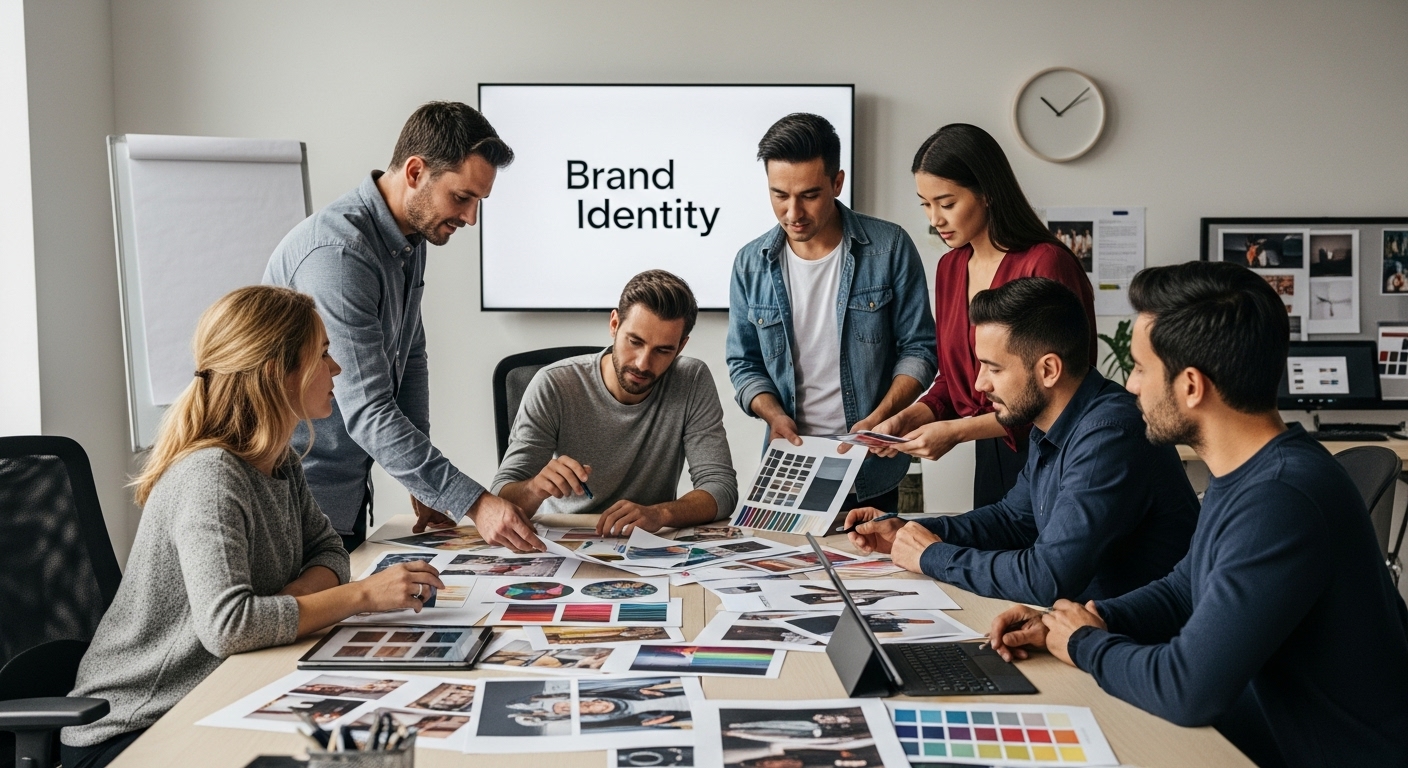 Colors function as non verbal communication tools that instantaneously convey complex brand narratives. A luxury fashion brand might select deep, rich colors like burgundy or navy to signal sophistication, while a youth oriented brand could utilize bright, energetic colors to communicate dynamism and creativity.
Fashion trends emerge through this intricate interplay between color psychology and cultural zeitgeist. Designers and brands continuously explore how color can communicate contemporary social movements, emotional landscapes, and collective experiences. By understanding these nuanced color dynamics, fashion professionals transform clothing from mere fabric into powerful statements of cultural identity and personal expression.
Real-World Applications of Color Psychology in Fashion Design
Color psychology transforms theoretical understanding into tangible design strategies, providing fashion professionals with powerful tools to communicate complex emotional and cultural narratives through carefully curated color selections. This practical application bridges psychological research with creative design approaches, enabling more intentional and impactful fashion experiences.
Strategic Color Selection in Design Processes
According to Rose M. Rider’s research, color variations can dramatically influence design effectiveness and consumer perception. Fashion designers leverage this understanding by meticulously selecting color palettes that communicate specific brand messages, emotional states, and cultural contexts.
Key strategic considerations in color application include:
- Emotional Resonance: Choosing colors that evoke specific psychological responses
- Cultural Context: Understanding color symbolism across different cultural landscapes
- Brand Identity: Developing consistent color narratives that reinforce brand personality
Practical Implementation in Fashion Design
Professional fashion designers utilize color psychology as a sophisticated communication tool. A minimalist brand might employ neutral tones to signal sophistication and restraint, while an avant-garde designer could use bold, unexpected color combinations to challenge traditional aesthetic norms. The color selection process becomes a nuanced dialogue between designer intent, cultural trends, and psychological impact.
By understanding color’s profound psychological mechanisms, designers transform clothing from mere fabric into complex emotional experiences. Each color choice becomes a deliberate statement about identity, mood, and social positioning, enabling fashion to function as a dynamic form of non verbal communication that transcends traditional aesthetic boundaries.
The following table outlines key strategic considerations for color selection in fashion design, as explained throughout the article, to assist readers in understanding how designers and brands approach color choices.
| Consideration | Description | Example From Fashion |
|---|---|---|
| Emotional Resonance | Colors evoke specific psychological responses | Deep blue for confidence |
| Cultural Context | Meanings vary across cultures | Red for luck in some cultures |
| Brand Identity | Consistent palettes reinforce brand personality | Minimalist neutrals for restraint |
| Target Consumer | Colors chosen to appeal to customer demographics | Bright red for youth-oriented brands |
| Design Effectiveness | Color variations influence product perception | Pastels for soft, delicate image |
Transform Your Fashion Story With the Perfect Jacket Color
Understanding color psychology is not just about knowing what each shade means. The real challenge comes when you want to express your true identity and emotions through every clothing choice you make. If you ever struggle to find jackets that genuinely match your unique sense of style and mood, you are not alone. Many people settle for off-the-rack options that fail to capture the powerful psychological impact that color can bring to your fashion. But with Maker of Jacket’s collection, you can handpick from a wide range of colors and designs to finish every look with confidence and intention.
Act now to elevate your style and communicate your personality with every outfit. Browse the full Maker of Jacket experience for inspiration or explore the leather pants collection for a complete color-coordinated look. Choose colors that feel like you, and let every piece tell your story. Your wardrobe transformation starts here.
Frequently Asked Questions
What is color psychology in fashion?
Color psychology in fashion studies how different colors affect emotions, behaviors, and perceptions related to clothing choices. It recognizes that colors are not just visual stimuli but powerful tools for communication and self-expression.
How do colors influence emotional responses in clothing?
Colors can evoke specific emotions and feelings. For example, blue often promotes calmness and professionalism, while red can signify passion and energy. Understanding these associations helps individuals choose clothing that aligns with their mood or message.
Why is color selection important in fashion design?
Color selection is crucial in fashion design because it communicates brand identity, emotional triggers, and cultural meanings. Designers use specific color palettes to create effective branding and connect with consumers on a deeper emotional level.
Can cultural differences affect color perception in fashion?
Yes, different cultures assign unique meanings to colors, which can influence how clothing is perceived. Understanding these cultural contexts is essential for designers and consumers to effectively communicate through color choices.


