

What is Nubuck Leather? Understanding Its Unique Qualities

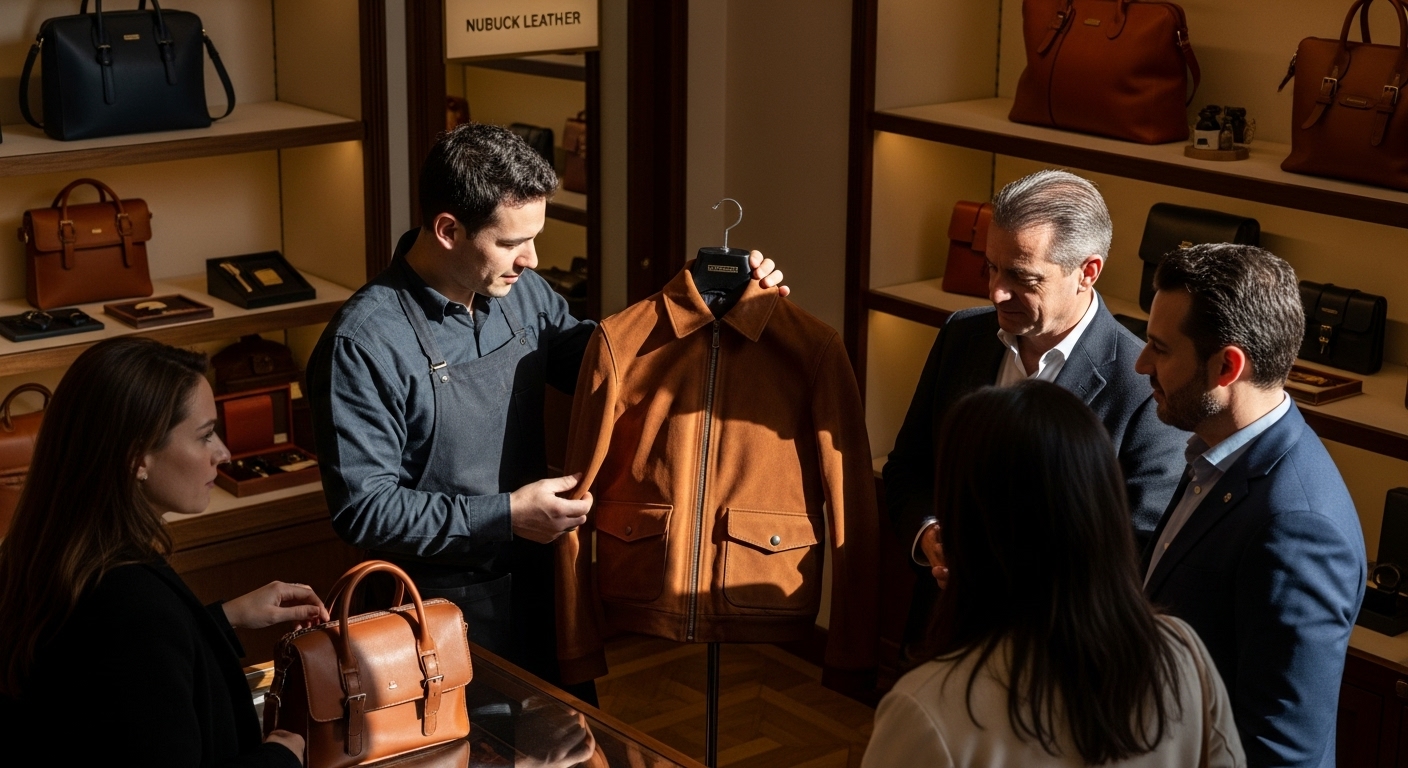
Nubuck leather stands out for its smooth, velvety surface that feels almost unreal to the touch. Most people think nubuck is just suede in disguise or a delicate material meant only for special occasions. That is far from the truth because nubuck is made from the toughest part of the hide and is actually much stronger than suede, making it perfect for both high fashion and everyday essentials.
Table of Contents
- Defining Nubuck Leather: Characteristics And Sources
- The Importance Of Nubuck Leather In Fashion And Function
- How Nubuck Leather Is Made And Treated
- Nubuck Leather Vs. Other Leathers: Key Differences
- Caring For Nubuck Leather: Maintenance Essentials
Quick Summary
| Takeaway | Explanation |
|---|---|
| Nubuck leather is unique and refined. | It features a velvety texture that differentiates it from traditional leather finishes, enhancing its aesthetic appeal. |
| Durability is a key benefit of nubuck. | Sourced from high-quality top-grain hides, nubuck offers greater strength compared to suede, making it long-lasting. |
| Proper care is essential for nubuck leather. | Gentle cleaning and specialized protective treatments are necessary to preserve its luxurious appearance and structural integrity. |
| Nubuck is versatile for fashion applications. | Its rich texture and elegant matte finish make it a preferred choice for high-end clothing and accessories. |
| Distinct from other leather types. | Unlike smooth leather or suede, nubuck’s surface treatment provides a unique combination of style and functionality. |
Defining Nubuck Leather: Characteristics and Sources
Nubuck leather represents a sophisticated and refined leather type characterized by its unique surface treatment and exceptional quality. Crafted through a meticulous process of sanding or buffing top-grain leather, nubuck offers a distinctive velvety texture that sets it apart from traditional leather finishes.
Origin and Material Selection
Nubuck leather begins with carefully selected high-quality animal hides, predominantly sourced from calfskin. Unlike suede, which uses the inner layer of the hide, nubuck is created from the outer layer or top grain. This strategic selection provides nubuck with inherent strength and durability. Learn more about leather types in our comprehensive guide.
The production process involves carefully sanding the grain side of the leather, which removes surface imperfections and creates a soft, fine nap. This technique transforms the leather’s appearance, giving it a luxurious velvet-like finish while maintaining the hide’s structural integrity.
Distinctive Characteristics
Nubuck leather distinguishes itself through several remarkable qualities:
- Texture: Soft and smooth with a subtle velvet-like surface
- Durability: More robust compared to suede due to its top-grain origin
- Appearance: Refined and elegant with a sophisticated matte finish
According to experts in leather manufacturing, nubuck represents a premium leather variant prized for its aesthetic appeal and functional qualities. Its unique surface treatment allows for rich color absorption and a luxurious feel, making it a preferred material for high-end fashion accessories, jackets, and footwear.
The Importance of Nubuck Leather in Fashion and Function
Nubuck leather transcends traditional material boundaries, establishing itself as a versatile and premium textile that bridges aesthetic elegance with remarkable functional performance. Its unique properties make it an exceptional choice for designers, consumers, and industries seeking materials that combine style and practicality.
Fashion and Aesthetic Applications
In the world of fashion, nubuck leather represents sophistication and luxury. Designers gravitate towards this material for its soft, velvety texture and ability to absorb rich colors with remarkable depth. From high-end jackets to sophisticated accessories, nubuck provides a refined visual and tactile experience that elevates clothing and accessories. Explore our fashion accessories collection to see how nubuck transforms design concepts.
The material’s matte finish and subtle grain create a subtle visual complexity that distinguishes it from traditional smooth leather, allowing fashion creators to craft pieces with understated elegance and contemporary appeal.
Performance and Functional Characteristics
Beyond its aesthetic qualities, nubuck leather offers impressive functional benefits that make it valuable across multiple domains:
- Durability: Maintains structural integrity through extensive use
- Breathability: Allows natural air circulation, enhancing comfort
- Adaptability: Suitable for various environmental conditions
According to leather manufacturing experts, nubuck’s inherent properties make it an exceptional material for applications requiring both performance and style. Its water-resistant qualities and ability to withstand moderate wear ensure that products maintain their aesthetic appeal while delivering reliable functionality.
How Nubuck Leather is Made and Treated
The creation of nubuck leather represents a sophisticated manufacturing process that transforms raw animal hides into a luxurious, soft material with distinctive aesthetic and functional properties. This intricate journey from hide to finished product involves multiple precise steps that require exceptional craftsmanship and technical expertise.
Initial Processing and Hide Selection
The production of nubuck leather begins with meticulous hide selection, typically focusing on high-quality cattle hides with minimal surface imperfections. Manufacturers carefully inspect each hide, ensuring only premium top-grain leather meets the stringent requirements for nubuck production. Explore our leather processing techniques to understand the complexities of this craft.
Initial processing involves cleaning, preserving, and preparing the hide through tanning processes that stabilize the leather’s molecular structure. These initial treatments are crucial in determining the leather’s ultimate durability, flexibility, and aesthetic potential.
Surface Treatment and Finishing
The defining characteristic of nubuck leather emerges during its unique surface treatment phase. Skilled artisans carefully sand or buff the exterior grain side of the leather, creating a subtle, velvety texture. This precise abrasion process removes surface imperfections while generating a soft, uniform nap that distinguishes nubuck from other leather types.
Key steps in surface treatment include:
- Controlled Sanding: Removing outer layer imperfections
- Consistent Buffing: Creating uniform velvet-like texture
- Color Application: Enhancing aesthetic appeal through specialized dyeing techniques
According to leather research experts, the sanding process requires exceptional precision to maintain the leather’s structural integrity while achieving the desired soft, luxurious finish. Specialized machinery and skilled technicians work in concert to transform raw hides into premium nubuck leather with remarkable consistency and quality.
The table below summarizes the essential steps involved in creating nubuck leather, outlining each stage and its purpose.
| Production Stage | Description | Purpose |
|---|---|---|
| Hide Selection | Choosing high-quality, top-grain hides | Ensures strength, minimal imperfections |
| Cleaning & Preservation | Washing and treating hides | Removes debris, prevents deterioration |
| Tanning | Chemically treating hides | Stabilizes structure, increases durability |
| Surface Sanding/Buffing | Abrading the outer grain side | Creates the velvety nap and soft texture |
| Dyeing/Color Application | Applying rich dyes and finishes | Enhances color and visual appeal |
| Final Inspection & Quality Control | Reviewing finished leather for uniform nap and defect removal | Ensures premium, consistent end products |
Nubuck Leather vs. Other Leathers: Key Differences
Understanding the nuanced distinctions between nubuck leather and other leather types reveals the unique characteristics that set this material apart in the world of premium textiles. Each leather variant possesses distinct qualities that make it suitable for specific applications, with nubuck representing a sophisticated option for discerning consumers and designers.
Structural and Production Differences
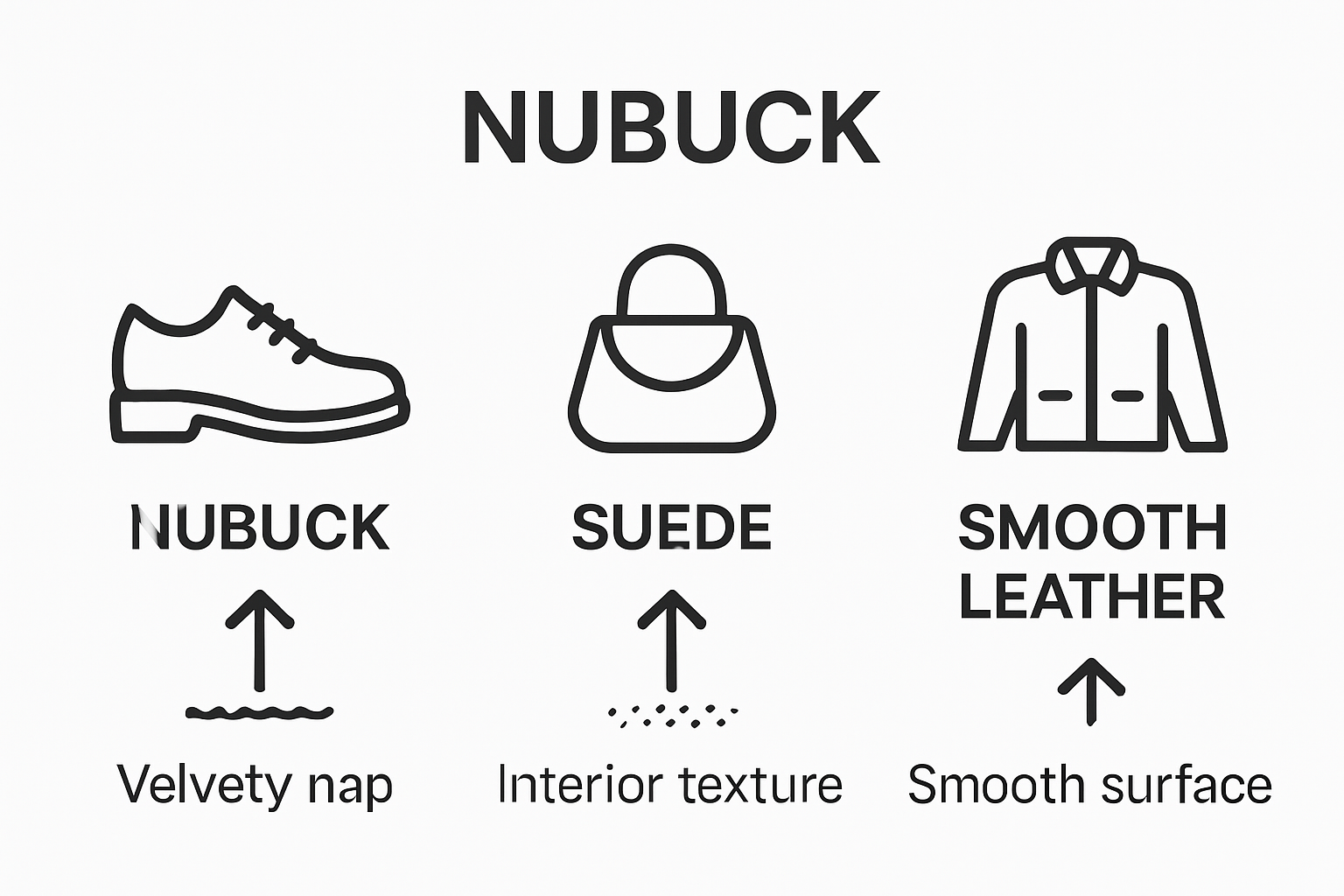
Nubuck leather fundamentally differs from other leather types through its production method and surface treatment. While traditional smooth leather maintains its original grain surface, nubuck undergoes a specialized sanding process that transforms its exterior. Explore our comprehensive leather comparison guide to understand these intricate variations.
The key difference lies in the leather’s origin and processing. Top-grain leather remains intact, whereas suede and nubuck involve intentional surface modification. Nubuck specifically uses the outer hide layer, providing superior strength compared to split leather or traditional suede.
Performance and Aesthetic Characteristics
Nubuck distinguishes itself through several critical performance attributes that separate it from alternative leather types:
- Texture: Softer and more velvety compared to traditional smooth leather
- Durability: More robust than suede due to top-grain origin
- Visual Complexity: Unique matte finish with subtle grain variations
According to leather research experts, nubuck offers a delicate balance between aesthetic sophistication and functional performance. Its surface treatment provides a luxurious feel while maintaining structural integrity, making it an exceptional choice for high-end fashion and functional accessories where both style and durability are paramount.
To help readers distinguish between nubuck, suede, and other leather types, the table below compares their origins, texture, durability, and typical uses.
| Leather Type | Origin (Hide Layer) | Surface Texture | Durability Compared to Others | Common Uses |
|---|---|---|---|---|
| Nubuck | Top-grain (outer layer) | Soft, velvety, matte | More robust than suede | Jackets, accessories, footwear |
| Suede | Split (inner layer) | Soft, fuzzy, less uniform | Less durable than nubuck | Shoes, jackets, gloves |
| Smooth Leather | Top-grain (not sanded) | Smooth, shiny or matte | Very durable | Shoes, bags, furniture |
| Full-grain Leather | Entire grain layer | Natural texture, may patina | Most durable | High-end goods, saddlery |
Caring for Nubuck Leather: Maintenance Essentials
Nubuck leather’s delicate surface requires specialized care to maintain its luxurious appearance and structural integrity. Understanding the nuanced maintenance requirements ensures that nubuck leather products retain their sophisticated aesthetic and functional qualities over extended periods of use.
Cleaning and Surface Preservation
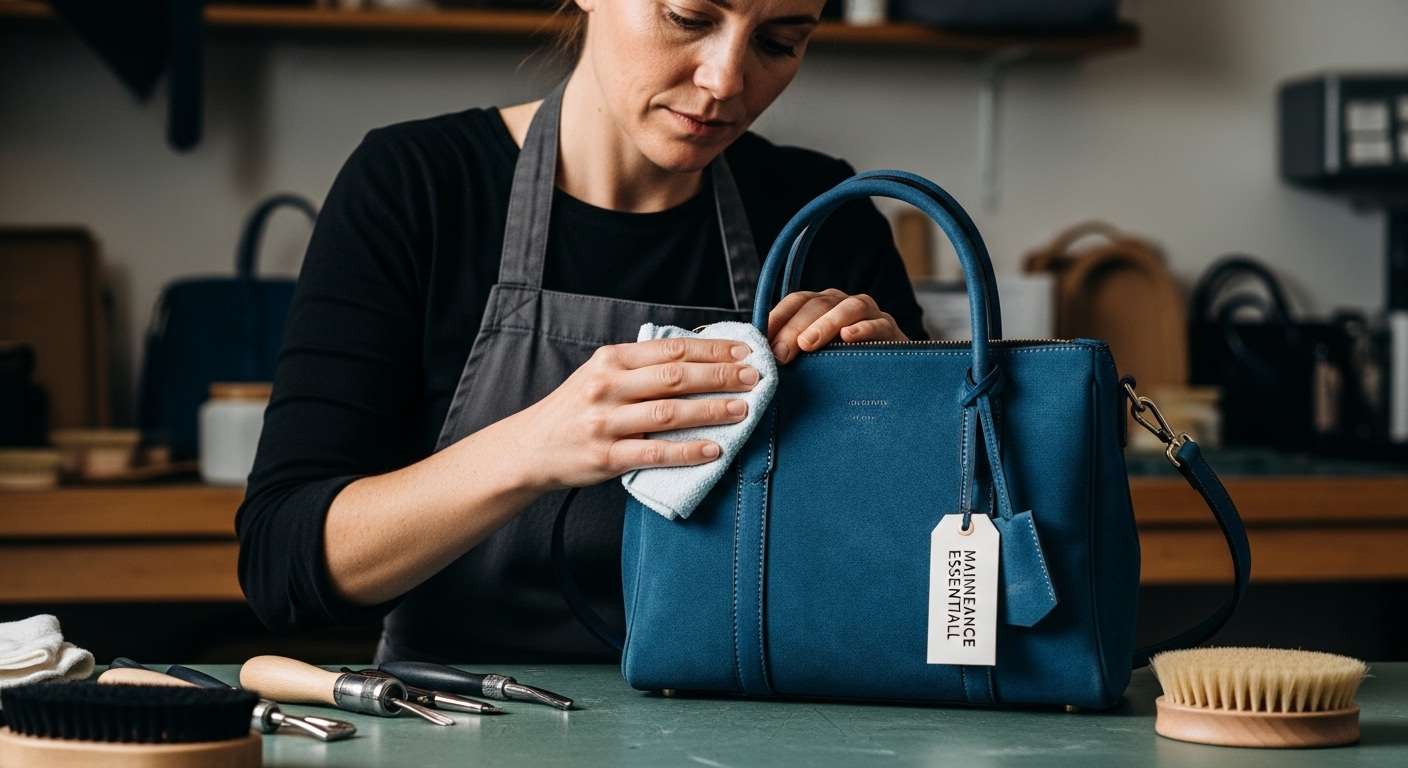
Regular maintenance begins with gentle, targeted cleaning techniques designed specifically for nubuck’s unique texture. Owners must avoid traditional leather cleaning methods that could damage the material’s sensitive surface. Learn more about leather care techniques to protect your investment and preserve its original quality.
Critical cleaning considerations include using specialized soft-bristled brushes to remove surface dirt and applying dedicated nubuck cleaning solutions that do not compromise the leather’s delicate nap. Aggressive scrubbing or standard leather cleaning products can permanently alter the material’s distinctive texture.
Protection and Conditioning Strategies
Nubuck leather demands proactive protection against environmental challenges like moisture, stains, and UV exposure. Protective treatments create an invisible barrier that shields the leather’s surface while maintaining its breathable, soft characteristics.
Key protection methods include:
- Waterproofing: Applying specialized nubuck protective sprays
- Stain Resistance: Using targeted nubuck sealants
- Color Preservation: Implementing UV-protective treatments
According to leather research experts, consistent maintenance involves periodic application of protective treatments and careful storage away from direct sunlight and extreme temperatures. These practices help maintain the leather’s structural integrity and prevent premature aging, ensuring that nubuck leather products continue to look sophisticated and perform excellently throughout their lifecycle.
Experience True Nubuck Luxury with Customized Perfection
Do you love the refined feel and unique character of nubuck leather, but worry about how to choose apparel that matches its superior quality? After learning about nubuck’s soft velvet finish, durability, and the care it requires, it can be hard to find fashion-forward jackets that really deliver these benefits—especially if you want something personalized. That’s where Maker of Jacket steps in, bringing your interest in genuine nubuck to life with custom jacket options you will not find anywhere else.
See how our extensive product galleries let you browse eye-catching fashion accessories and premium leather jackets that highlight everything you admire about nubuck’s look and feel. Want that exclusive finish with a style tailored for you? Request a custom order and wear the texture and elegance you just read about. Visit https://www.makerofjacket.com now to claim your one-of-a-kind nubuck piece and start your journey toward elevated style today.
Frequently Asked Questions
What is nubuck leather?
Nubuck leather is a type of leather that is created by sanding or buffing the outer layer of top-grain leather, resulting in a soft, velvety texture. It is known for its luxury feel and durability.
How is nubuck leather made?
Nubuck leather is made from high-quality animal hides, typically calfskin. The hide undergoes a rigorous selection process, followed by cleaning, tanning, and a unique surface treatment where artisans sand the grain side to create its characteristic nap.
What are the advantages of nubuck leather compared to suede?
Nubuck leather is generally more durable than suede because it is made from the outer layer of the hide, which retains its strength. Additionally, nubuck has a softer, velvety texture and a sophisticated matte finish, making it desirable for high-end fashion items.
How should I care for nubuck leather products?
To maintain nubuck leather, regularly clean it with a soft-bristled brush designed specifically for this material. Apply specialized nubuck protective sprays for moisture and stain resistance, and store items away from direct sunlight to prevent fading and deterioration.


