

7 Essential Winter Jackets for Bikers

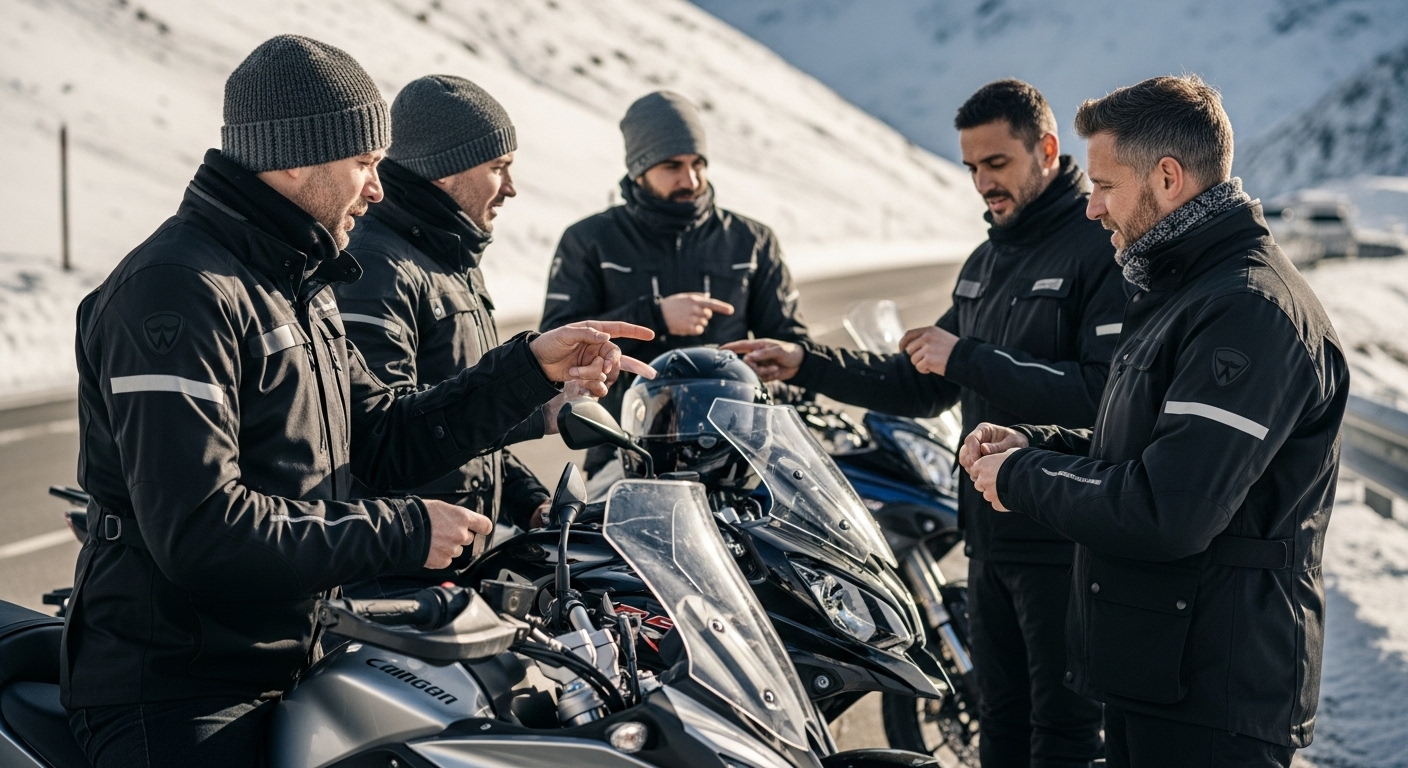
Winter biking is not just about braving the cold it is about survival and comfort at every mile. Most riders do not realize that hypothermia can set in with just a small drop in body temperature, slashing reaction times and putting safety at risk. The true secret to winter riding is not just staying warm it is layer-by-layer strategy and high-tech design that go far beyond old school leather.
Table of Contents
- Understand The Importance Of Insulation
- Look For Waterproof Materials
- Ensure Visibility With Reflective Elements
- Choose The Right Fit For Comfort
- Consider Layering Options For Flexibility
- Pay Attention To Safety Features
- Explore Stylish Designs For Biking And Beyond
Quick Summary
| Takeaway | Explanation |
|---|---|
| Choose jackets with strategic insulation | Insulation should efficiently retain heat while managing moisture and blocking wind to ensure rider safety and comfort. |
| Prioritize waterproof materials for protection | Select jackets with breathable, durable waterproof fabrics to stay dry during unpredictable winter weather. |
| Look for reflective elements to enhance visibility | Reflective features on jackets increase visibility to other road users, significantly improving safety in low-light conditions. |
| Ensure a comfortable, fit for safety | A properly fitted jacket allows mobility and keeps protective features in the right position during rides. |
| Utilize layering options for adaptability | Opt for jackets that accommodate base, mid, and outer layers to manage comfort and body temperature effectively. |
1: Understand the Importance of Insulation
When it comes to winter jackets for bikers, understanding insulation is not just a comfort issue it’s a critical safety concern. Your body generates heat during motorcycle rides, but the wind chill and low temperatures can quickly drain that warmth, putting you at risk of hypothermia and reduced reaction times.
Research from the National Park Service highlights the significance of proper clothing layers for winter protection. For motorcycle riders, this means selecting winter jackets with strategic insulation that balances heat retention and moisture management.
Key considerations for winter jacket insulation include:
- Thermal efficiency: Choose materials that trap body heat without adding excessive bulk
- Moisture wicking: Prevent sweat accumulation that can lead to rapid heat loss
- Wind resistance: Block cold air penetration to maintain core body temperature
Synthetic and down insulation materials offer different advantages for winter jackets. Synthetic insulation performs better when wet and dries quickly, making it ideal for unpredictable winter riding conditions. Down insulation provides exceptional warmth for its weight but loses effectiveness if exposed to moisture.
Professional motorcycle riders recommend focusing on jackets with multi layer construction that includes:
- Moisture-wicking base layer
- Thermal mid layer
- Waterproof and windproof outer shell
This strategic approach ensures you remain warm, dry, and protected during winter riding adventures. Understanding insulation helps you make informed decisions about winter jackets that will keep you safe and comfortable on the road.
2: Look for Waterproof Materials
When selecting winter jackets for bikers, waterproof materials are not just a luxury they are a necessity. Motorcycle riders face constant exposure to rain, snow, and moisture, which can quickly compromise comfort and safety if the jacket fails to provide adequate protection.
Research examining protective motorcycle clothing demonstrates the critical role of high-performance materials in rider safety and comfort. Modern waterproof jackets utilize advanced fabric technologies that go beyond simple water resistance.
Critical characteristics of effective waterproof materials include:
- Breathability: Allows moisture vapor to escape, preventing internal condensation
- Durability: Withstands repeated exposure to harsh weather conditions
- Lightweight design: Maintains mobility without adding unnecessary bulk
Synthetic membranes like Gore Tex and similar proprietary technologies offer superior water protection. These materials create microscopic barriers that block water droplets while allowing water vapor to pass through, ensuring riders remain dry and comfortable.
Key waterproofing technologies to consider:
- Sealed or taped seams to prevent water infiltration
- Hydrophobic outer layers that repel water
- Multi layer construction with integrated waterproof membranes
Waterproofing ratings provide crucial information about a jacket’s performance. Ratings typically range from 1000mm to 20000mm, with higher numbers indicating greater water resistance. A rating of 5000mm or higher is recommended for serious winter riding conditions.
Bikers should prioritize jackets that combine waterproofing with other essential features like thermal insulation, abrasion resistance, and impact protection. The right waterproof material can mean the difference between a comfortable ride and a miserable, potentially dangerous experience.
3: Ensure Visibility with Reflective Elements
Visibility is a critical safety factor for motorcycle riders, especially during winter months when daylight hours are shorter and weather conditions can be challenging. Reflective elements transform your winter jacket from a simple clothing item into a powerful safety tool.
Research from the National Highway Traffic Safety Administration underscores the importance of high visibility clothing for motorcyclists. Winter jackets with strategic reflective design can significantly reduce the risk of accidents by making riders more noticeable to other drivers.
Key considerations for reflective elements include:
- Strategic placement: Reflective strips on shoulders, arms, and back
- Material quality: Durable reflective materials that maintain visibility
- Color contrast: Bright colors combined with reflective details
Modern reflective technologies go beyond traditional silver strips. Advanced jackets now incorporate:
- 360-degree reflective patterns
- Micro prismatic reflective materials
- Integrated LED lighting elements
Reflective performance depends on multiple factors. During nighttime riding, reflective elements can make you visible from up to 500 feet away, giving drivers crucial extra seconds to react. This increased visibility is particularly important in low light conditions like rain, fog, or snow.
When selecting a winter jacket, look for certifications indicating high visibility standards. Materials that reflect light from multiple angles provide superior protection compared to single-directional reflective designs. Remember that effective visibility is about strategic placement, not just quantity of reflective material.
Choosing a winter jacket with robust reflective elements is an investment in your personal safety. It transforms your riding gear from a basic protective layer into a dynamic safety system that communicates your presence to other road users.
4: Choose the Right Fit for Comfort
Selecting the right fit for a winter motorcycle jacket is more than a matter of style it’s about safety, mobility, and protection. A poorly fitted jacket can compromise your riding experience and potentially increase risk during unexpected situations.
Research from the University of Illinois Chicago recommends leaving extra room in winter jackets to accommodate layering, ensuring both comfort and flexibility. For motorcycle riders, this principle becomes even more critical.
Key fit considerations for winter jackets include:
- Shoulder mobility: Allows unrestricted arm movement
- Sleeve length: Covers wrists completely when arms are extended
- Torso room: Provides space for thermal layers without restricting movement
Motorcycle riders should pay special attention to jacket fit in specific areas:
- Armor placement matching body contours
- Snug but not restrictive chest and back areas
- Adjustable waist and cuff closures
Layering compatibility is crucial for winter riding. Your jacket must accommodate thermal base layers and mid layers without creating uncomfortable bunching or restricting movement. Check for features like expandable panels, articulated arms, and stretch fabric inserts that enhance mobility.
Professional riders recommend trying jackets with dynamic fit testing, which means moving around and simulating riding positions to ensure complete comfort. For more insights into finding the perfect jacket fit, check out our comfort fit guide.
Remember that a perfect fit varies for each rider. Factors like body type, riding style, and personal preferences play significant roles in selecting the right winter jacket. Prioritize jackets that offer adjustability and flexibility, ensuring you remain comfortable and protected during your winter riding adventures.
5: Consider Layering Options for Flexibility
Layering is a strategic approach that transforms winter motorcycle jackets from simple outerwear into adaptable protection systems. Proper layering allows riders to manage body temperature, moisture, and comfort across varying winter riding conditions.
Research from the National Park Service recommends a comprehensive three-layer approach to cold weather clothing, a principle particularly crucial for motorcycle riders who face dynamic environmental challenges.
Key layering principles for winter motorcycle jackets include:
- Base layer: Moisture-wicking materials that keep skin dry
- Mid layer: Thermal insulation to retain body heat
- Outer layer: Wind and water resistant protection
Effective layering strategies for motorcycle riders involve selecting materials that work synergistically:
- Lightweight synthetic base layers
- Fleece or merino wool mid layers
- Breathable yet waterproof outer shells
Temperature regulation is critical for winter riding. Removable liners and ventilation zippers provide flexibility to adjust your jacket’s thermal properties on the fly. This adaptability allows you to transition smoothly between cold morning rides and warmer afternoon temperatures.
Professional riders understand that layering is not just about warmth, but about maintaining optimal body temperature and moisture management. Avoid cotton materials, which retain moisture and can lead to rapid heat loss. Instead, prioritize technical fabrics designed for high-performance outdoor activities.
Consider jackets with modular design features that allow easy addition or removal of thermal layers. These innovative designs provide maximum versatility, ensuring you remain comfortable and protected throughout your winter riding adventures.
6: Pay Attention to Safety Features
Safety is paramount for motorcycle riders, and winter jackets are more than just clothing they are critical protective equipment. Beyond keeping you warm, a well-designed jacket can significantly reduce injury risks during potential accidents.
Research from the National Highway Traffic Safety Administration highlights the crucial role of protective gear in motorcycle safety. Modern winter jackets integrate advanced safety technologies that go far beyond traditional design.
Critical safety features to consider include:
- Impact protection: Reinforced padding at shoulders and elbows
- Abrasion resistant materials: High tensile strength fabrics
- Armor integration: CE certified protective inserts
Professional riders understand that comprehensive safety involves multiple protective elements:
- Removable internal armor
- Reinforced seams and stress points
- Additional padding in high-impact zones
Materials matter significantly. Leather and advanced synthetic materials like Kevlar provide superior protection against road abrasion. Look for jackets that combine multiple safety technologies, offering comprehensive protection without compromising mobility.
Winter conditions demand additional safety considerations. Reflective elements, thermal protection, and wind resistance contribute to overall rider safety. Jackets with integrated visibility features reduce accident risks during low light and challenging weather conditions.
Remember that proper fit amplifies safety. A well-fitted jacket ensures that protective elements remain in the correct position during potential impacts. Adjustable closures, stretch panels, and ergonomic design contribute to both comfort and protection.
7: Explore Stylish Designs for Biking and Beyond
Today’s winter motorcycle jackets have transcended pure functionality, becoming versatile fashion statements that seamlessly transition from riding gear to urban streetwear. Modern design philosophy blends protection, performance, and aesthetic appeal in ways that challenge traditional motorcycle apparel expectations.
Research from the Fashion Institute of Technology highlights how motorcycle jacket designs have historically influenced broader fashion trends, demonstrating their cultural significance beyond pure utility.
Key style considerations for contemporary winter jackets include:
- Minimalist color palettes: Black, charcoal, deep navy
- Tailored silhouettes: Slim fit with strategic paneling
- Versatile design elements: Removable liners and adjustable features
Style-conscious riders appreciate jackets that offer multiple wearing options:
- Urban casual styling
- Technical motorcycle protection
- Layerable winter performance
Crossover design has become a hallmark of modern motorcycle jackets. Designers now create pieces that look equally at home in a professional meeting, a weekend cafe gathering, or during an intense winter ride. Explore our motorcycle jacket style collection for inspiration on blending function and fashion.
Materials play a crucial role in contemporary jacket design. Leather remains a classic choice, but advanced synthetic materials now offer comparable protection with enhanced flexibility and style. Performance textiles like ballistic nylon and Kevlar blends provide durability while maintaining a sleek, contemporary aesthetic.
Remember that true style in motorcycle jackets is about balanced design that never compromises safety. The best winter jackets tell a story of protection, performance, and personal expression, making a statement both on and off the motorcycle.
Below is a comprehensive table summarizing the key factors, features, and benefits of choosing the right winter jacket for bikers, as discussed throughout the article.
| Key Factor | Main Details and Benefits |
|---|---|
| Insulation | Strategic thermal efficiency, moisture wicking, and wind resistance protect against cold and hypothermia. |
| Waterproof Materials | Advanced, breathable, and durable fabrics prevent water intrusion and ensure comfort in wet conditions. |
| Reflective Elements | Visibility features, such as reflective strips and patterns, enhance rider safety in low light. |
| Proper Fit | Attention to mobility, sleeve length, layering space, and adjustable closures provides comfort and safety. |
| Layering Options | Modular, three-layer system (base, mid, outer) enables adaptability to varying winter conditions. |
| Safety Features | Integrated armor, abrasion resistance, and reinforced seams reduce injury risk during accidents. |
| Stylish Designs | Contemporary designs blend technical protection with urban style, making jackets suitable on and off the bike. |
Discover Winter Biker Jackets That Work As Hard As You Do
When winter rides bring chilling winds, wet roads, and low light, finding the right jacket becomes more than just shopping—it means investing in your safety, comfort, and style. You deserve a jacket designed to keep you warm through layered insulation, dry in any weather, and unmistakably visible with modern reflective tech. If you are searching for jackets that master thermal efficiency, waterproof protection, and urban-inspired design, look no further than our Maker of Jacket’s collection. Here, every piece is selected to solve the exact pain points discussed in the article, helping you ride longer and stay safe no matter the season.

Stop letting discomfort or unsafe gear spoil your winter rides. Visit https://www.makerofjacket.com to browse an extensive range of premium, fully customizable biker jackets. Choose your ideal fit, materials, and features, then place your order with confidence. Take control of your winter riding—secure a jacket built for the road ahead, today.
Frequently Asked Questions
What should I look for in insulation when choosing a winter jacket for biking?
When selecting a winter jacket, focus on thermal efficiency, moisture-wicking properties, and wind resistance. Choose materials that trap heat without excessive bulk and prevent sweat accumulation for optimal comfort.
How important are waterproof materials in winter motorcycle jackets?
Waterproof materials are essential in winter motorcycle jackets as they protect against rain, snow, and moisture, which can compromise comfort and safety. Look for advanced fabrics with breathability, durability, and lightweight design to ensure mobility.
Why are reflective elements necessary in winter jackets for bikers?
Reflective elements enhance visibility during low light conditions, significantly reducing the risk of accidents. Jackets with strategically placed reflective strips can improve your visibility to other drivers, especially in challenging weather or at night.
How can I ensure the right fit for my winter motorcycle jacket?
To ensure a proper fit, leave extra room for layering without restricting movement, pay attention to shoulder mobility, sleeve length, and torso room. Consider trying jackets while simulating riding positions to ensure comfort and protection.


