

Jacket Maintenance 2026: 50% Longer Life & Style

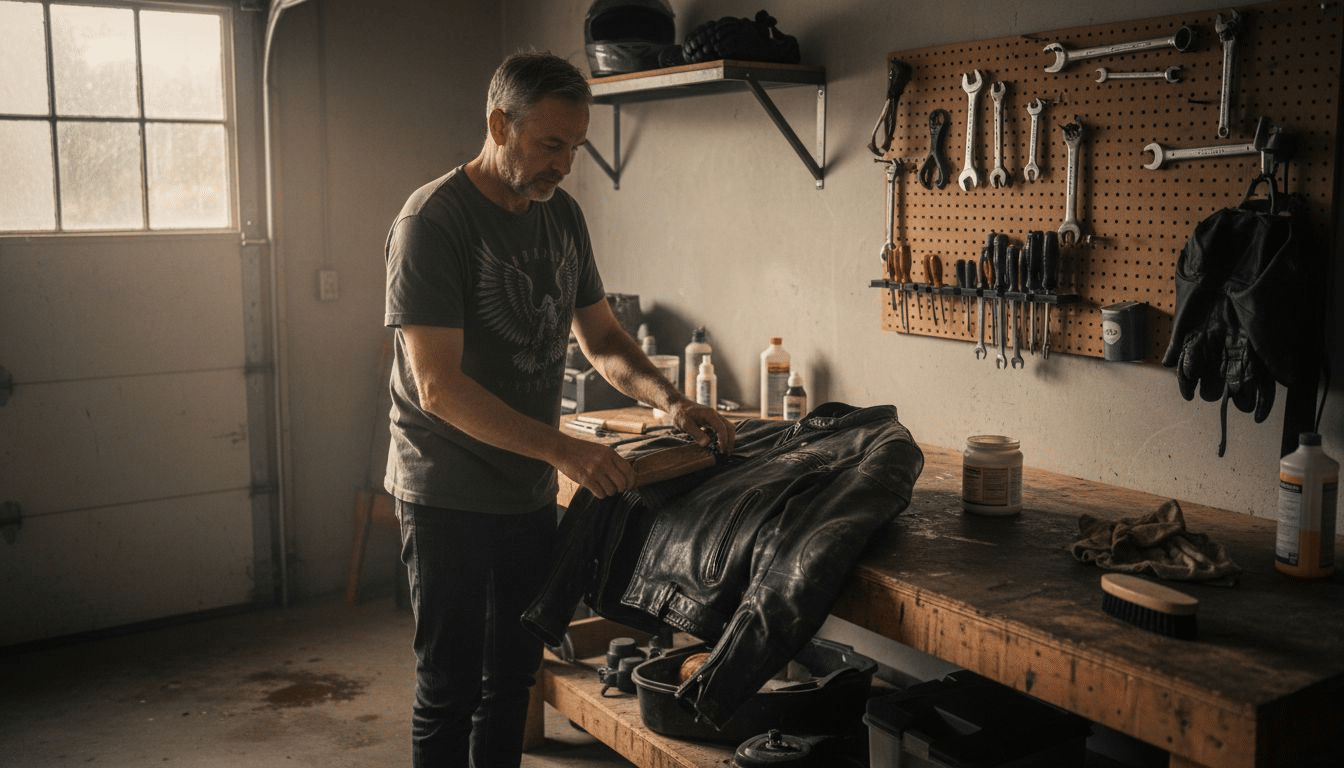
High-quality leather motorcycle jackets represent significant investments combining style, safety, and personalization. Yet many enthusiasts unknowingly accelerate wear through improper care. Regular leather jacket maintenance can double or even triple its lifespan, preserving both protective qualities and aesthetic appeal. This guide reveals proven techniques to maximize your jacket’s durability while maintaining its distinctive look through strategic cleaning, conditioning, and storage practices tailored for customized leather.
Table of Contents
- Why Jacket Maintenance Matters For Motorcycle Enthusiasts
- How Maintenance Protects Durability, Style, And Safety
- Avoiding Common Leather Jacket Maintenance Mistakes
- Choosing The Right Products For Your Custom Leather Jacket
- Crafting A Maintenance Schedule And Routine For Your Jacket
- Managing Environmental Factors In Your Leather Jacket Care
- Explore Custom Leather Jackets And Care Solutions
- Frequently Asked Questions
Key Takeaways
| Point | Details |
|---|---|
| Lifespan Extension | Proper maintenance extends leather jacket lifespan by 50% or more through consistent care routines. |
| Conditioner Selection | Water-based conditioners preserve breathability and softness 15% better than oil-based alternatives. |
| Safety Preservation | Neglecting maintenance reduces abrasion resistance by up to 40%, compromising rider protection. |
| Custom Protection | Specialized cleaners protect custom artwork from fading and peeling during maintenance. |
| Maintenance Schedule | Monthly cleaning and quarterly conditioning deliver optimal results for longevity and appearance. |
Why Jacket Maintenance Matters for Motorcycle Enthusiasts
Leather motorcycle jackets serve dual purposes: they protect riders during crashes while making powerful style statements. Fashion-conscious enthusiasts often invest hundreds or thousands in customized pieces featuring unique colors, artwork, and personal touches. However, leather is organic material requiring consistent care to maintain its properties.
Neglect leads to accelerated wear and loss of protective qualities in jackets, transforming premium gear into liability. Dried leather cracks under stress, reducing abrasion resistance that shields skin during slides. Fading and stiffness diminish the aesthetic appeal that justifies substantial investment. Proper maintenance addresses these threats systematically.
Consider these consequences of poor jacket care:
- Dried leather loses flexibility, creating uncomfortable wear and reducing protective coverage
- Surface cracks allow moisture penetration, accelerating internal deterioration and mold growth
- Color fading dulls custom artwork and branded details that define your unique style
- Stiffened material restricts movement, compromising riding comfort and safety responses
- Weakened abrasion resistance increases injury severity in accidents
Following a step-by-step leather cleaning guide prevents these issues while preserving your investment. Understanding maintenance fundamentals empowers you to protect both safety equipment and fashion statement simultaneously.
How Maintenance Protects Durability, Style, and Safety
Proper leather care operates on simple principles: clean away contaminants, restore moisture balance, and protect against environmental damage. Proper conditioning maintains abrasion resistance and prevents injury risk by keeping fibers supple and resilient. These practices create measurable improvements in jacket performance and longevity.
Regular maintenance delivers quantifiable benefits across three critical dimensions:
| Maintenance Aspect | Impact | Improvement |
|---|---|---|
| Cleaning Frequency | Removes oils and dirt | Prevents 35% of premature cracking |
| Conditioning Schedule | Restores moisture balance | Extends lifespan 50-200% |
| UV Protection | Shields from sunlight | Reduces fading by 60% |
| Abrasion Resistance | Maintains fiber strength | Preserves protective qualities |
Drying and cracking represent the primary threats to leather durability. Untreated jackets lose natural oils through wear and environmental exposure, causing fibers to stiffen and separate. This deterioration compounds over time, creating visible damage and structural weakness. Conditioning replenishes lost moisture, maintaining the supple texture that defines quality leather.
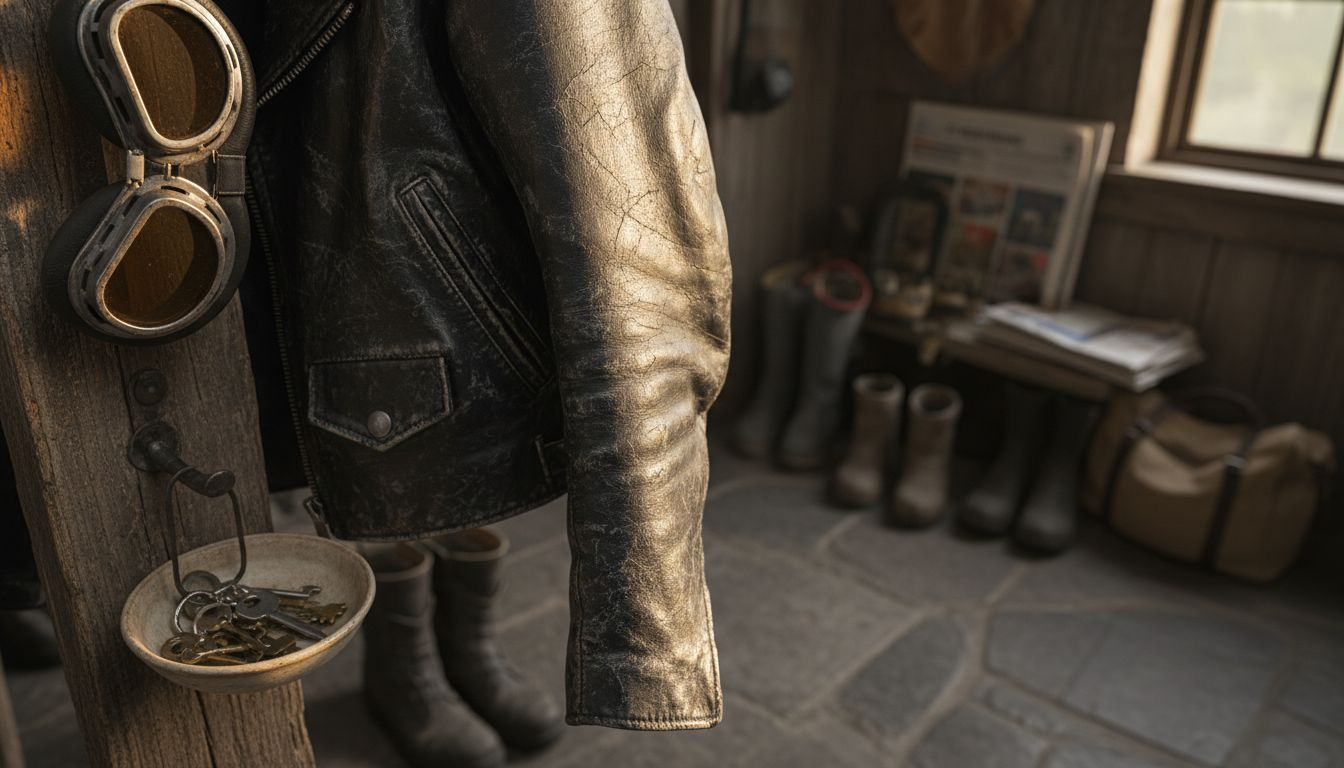
Style preservation requires equally diligent attention. Custom paint, embroidery, and specialty finishes face unique challenges during cleaning. Standard products may strip artwork or alter color vibrancy, negating the personalization that makes your jacket distinctive. Efficient leather cleaning techniques tailored for customized pieces protect these investments.
Safety considerations extend beyond basic protection. Compromised leather performs unpredictably during crashes, potentially exposing skin to road rash despite wearing protective gear. Maintaining abrasion resistance through proper conditioning ensures your jacket delivers promised protection when needed most.
Pro Tip: Test all cleaning and conditioning products on hidden areas like inside pockets before applying to visible surfaces, especially on custom-painted or printed jackets.
Avoiding Common Leather Jacket Maintenance Mistakes
Many enthusiasts damage their jackets through well-intentioned but misguided care practices. Misconceptions about leather waterproofing and conditioners lead to increased damage, creating expensive problems that proper education prevents. Understanding these myths helps you avoid costly errors.
The most damaging misconceptions include:
- Believing leather is naturally waterproof when it actually absorbs moisture readily, causing fiber swelling and deterioration
- Using generic household cleaners that strip protective oils and alter pH balance
- Applying heavy oil-based conditioners that darken leather and reduce breathability
- Storing jackets in plastic bags that trap moisture and promote mold growth
- Assuming all conditioners work equally on customized versus plain leather
Water exposure represents particular risk. While quality leather resists light rain, prolonged wetness penetrates fibers and disrupts their structure. Proper waterproofing treatments create protective barriers without suffocating the material or altering appearance. These specialized products differ significantly from generic sprays that may damage custom artwork.
Customized jackets demand extra caution during maintenance. Paint and prints bond differently than leather dyes, requiring cleaners formulated to preserve artwork integrity. Standard conditioners may soften painted areas, causing peeling or color transfer. Specialized products balance leather care with artwork protection, maintaining both structural and aesthetic qualities.
Over-conditioning creates problems as serious as neglect. Excessive product application leaves residue that attracts dirt, darkens leather, and creates sticky surfaces. Following comprehensive leather care guidelines ensures balanced treatment that nourishes without overwhelming the material.
Pro Tip: Schedule maintenance after rides rather than before storage to remove accumulated oils, dirt, and road grime while they’re fresh and easier to clean.
Choosing the Right Products for Your Custom Leather Jacket
Product selection dramatically impacts maintenance outcomes. Water-based conditioners preserve breathability and softness better than oil-based products by 15%, making them superior choices for riding gear requiring flexibility and comfort. Understanding formulation differences helps you match products to your jacket’s specific needs.
| Product Type | Benefits | Drawbacks | Best For |
|---|---|---|---|
| Water-Based Conditioners | Maintains breathability, preserves color, quick absorption | Requires more frequent application | Custom jackets, colored leather |
| Oil-Based Conditioners | Deep penetration, long-lasting protection | Can darken leather, reduce flexibility | Plain black jackets, vintage restoration |
| Specialized Custom Cleaners | Protects artwork, gentle formulation | Higher cost, limited availability | Painted or printed jackets |
| Standard Leather Soap | Effective cleaning, widely available | May strip some oils | Monthly cleaning routine |
Water-based formulations excel for fashion-forward jackets where color preservation matters. These conditioners penetrate without leaving heavy residue, maintaining the supple feel and vibrant appearance that define premium leather. They absorb quickly, allowing faster application between rides.
Oil-based products suit specific applications despite limitations. Heavily worn vintage jackets benefit from deep conditioning that oil formulations provide. However, the darkening effect and reduced breathability make them poor choices for custom-painted pieces or lighter colored leather.
Specialized cleaners designed for customized jackets justify their premium pricing through artwork protection. These formulations avoid harsh solvents that damage paint while effectively removing dirt and oils. Using appropriate products from the ultimate leather conditioner guide prevents expensive artwork restoration.
Selection criteria should include:
- Compatibility with your jacket’s color and finish
- Protection for any custom paint, embroidery, or prints
- Breathability maintenance for riding comfort
- Absorption rate matching your maintenance schedule
- pH balance appropriate for leather fibers
Reading product labels carefully reveals formulation details that impact performance. Avoid cleaners containing alcohol or ammonia, which dry leather aggressively. Similarly, conditioners listing petroleum distillates may create the darkening effect unsuitable for lighter jackets. Following leather jacket cleaning steps with appropriate products delivers consistent results.
Crafting a Maintenance Schedule and Routine for Your Jacket
Consistent care routines prevent most leather damage while requiring minimal time investment. Stepwise cleaning with dry brushing, mild soap, and conditioning reduces leather microcracks by 35%, demonstrating how systematic approaches outperform sporadic intensive treatments. Building sustainable habits ensures your jacket receives necessary attention without becoming burdensome.
Optimal maintenance follows this proven schedule:
- Weekly inspection for visible dirt, moisture, or damage requiring immediate attention
- Monthly cleaning using soft brush, mild leather soap, and damp cloth to remove surface contaminants
- Quarterly conditioning with appropriate water-based product to restore moisture balance
- Biannual deep conditioning and protective treatment application before seasonal storage
- Annual professional inspection for hidden wear, stitching issues, or zipper problems
Monthly cleaning prevents dirt accumulation that embeds in leather grain. Start by dry brushing with soft bristles to remove loose particles. Mix mild leather soap with water, dampen a cloth, and gently wipe all surfaces. Pay extra attention to high-contact areas like collars, cuffs, and pocket edges where oils concentrate. Wipe away soap residue with clean water, then air dry away from direct heat.
Quarterly conditioning replenishes moisture lost through wear and environmental exposure. Apply thin, even coats of water-based conditioner using soft cloth in circular motions. Allow 20 minutes absorption, then buff away excess with clean towel. This process maintains suppleness without creating heavy buildup.
Proper storage between rides significantly impacts jacket longevity:
- Hang on wide, padded hangers that maintain shoulder shape
- Store in cool, dry locations with stable temperatures
- Use breathable garment bags rather than plastic covers
- Avoid direct sunlight, heating vents, and damp basements
- Maintain air circulation to prevent moisture accumulation
Waterproofing treatments deserve consideration for riders facing frequent wet conditions. Modern sprays create protective barriers without suffocating leather or affecting breathability. Apply these products after conditioning, following manufacturer instructions carefully. Reapply every 3-6 months depending on exposure levels.
Following the detailed leather cleaning guide and implementing these leather jacket care tips creates manageable routines that preserve your investment with minimal effort.
Managing Environmental Factors in Your Leather Jacket Care
Environmental conditions accelerate or slow leather deterioration depending on exposure and protective measures. Sunlight and heat accelerate leather cracking and fading; humidity causes mold and quality loss, making storage location and seasonal adjustments critical for longevity. Understanding these threats enables proactive protection.
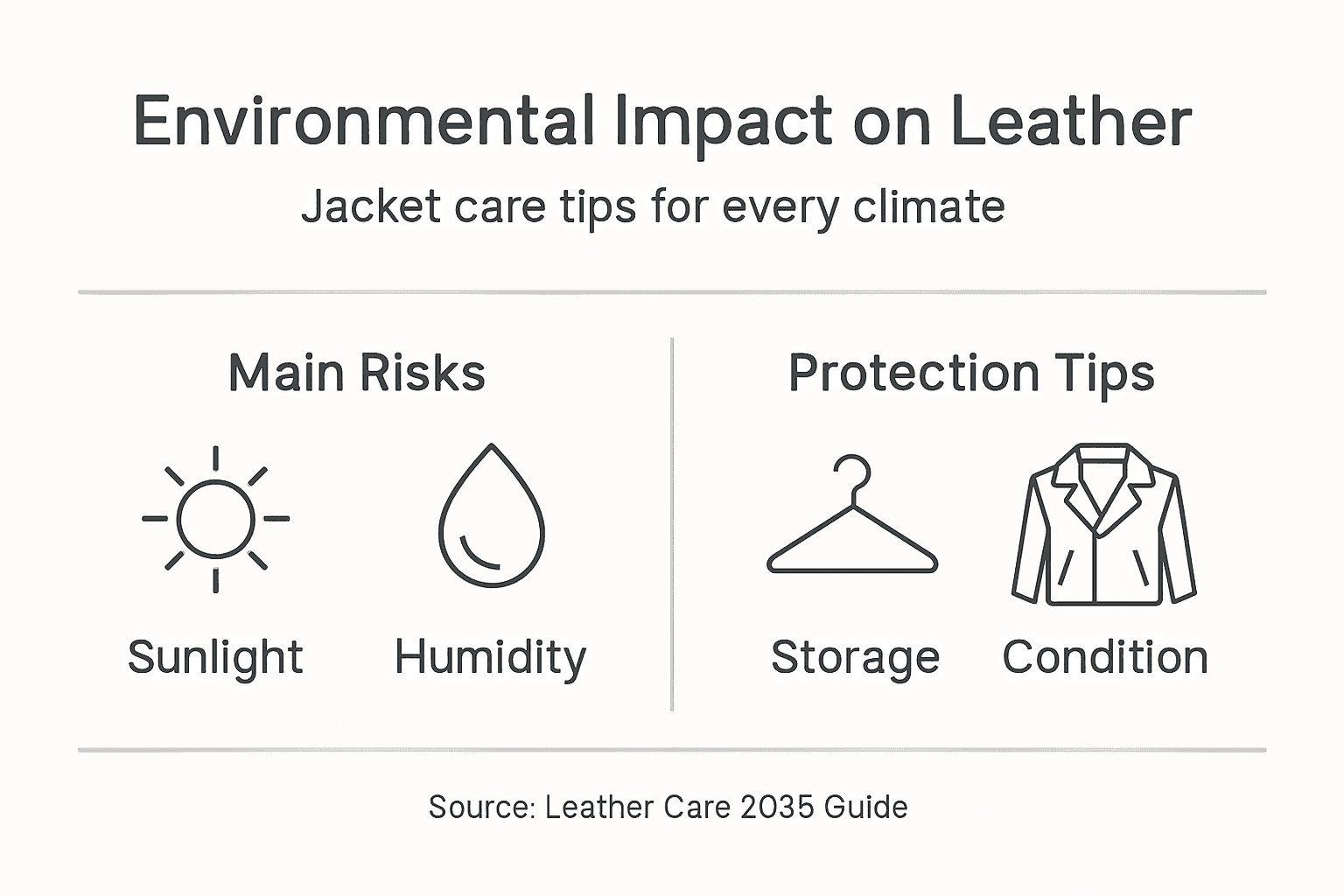
Ultraviolet radiation breaks down leather fibers at molecular level, causing surface degradation visible as fading and cracking. Extended sunlight exposure creates permanent damage that conditioning cannot reverse. Similarly, high temperatures dry leather aggressively, removing moisture faster than normal environmental conditions.
Humidity presents equally serious but different challenges. Excess moisture promotes mold growth, particularly in dark storage areas with poor ventilation. Mold damages leather irreversibly while creating health hazards and unpleasant odors. Conversely, extremely dry conditions accelerate moisture loss, requiring more frequent conditioning.
Protective strategies address these environmental threats:
- Store jackets away from windows and heat sources to minimize UV and temperature exposure
- Maintain storage areas at 60-70°F with 40-50% relative humidity for optimal preservation
- Apply UV protective treatments specifically formulated for leather before seasonal storage
- Use dehumidifiers in damp climates and humidifiers in arid regions to stabilize conditions
- Rotate jacket position periodically to ensure even air exposure and prevent localized deterioration
Seasonal adjustments optimize maintenance effectiveness. Winter storage requires thorough cleaning and conditioning before extended dormancy, while summer protection emphasizes UV shielding and ventilation. Active riding seasons demand more frequent cleaning to address road grime, rain exposure, and body oils accumulated during wear.
Implementing environmental care tips tailored to your climate and usage patterns prevents most weather-related damage while extending the intervals between intensive treatments.
Explore Custom Leather Jackets and Care Solutions
Your commitment to proper maintenance deserves equally impressive gear. Maker of Jacket creates custom motorcycle jackets combining premium materials with personalized designs that reflect your unique style. Every jacket ships with detailed care instructions ensuring your investment delivers years of protection and fashion-forward appeal.
Our leather care guide provides comprehensive maintenance instructions tailored for customized pieces, protecting your artwork while preserving leather quality. The customization process ensures your vision becomes reality through expert craftsmanship and attention to detail. Join thousands of riders worldwide who trust Maker of Jacket for premium leather gear backed by maintenance expertise that maximizes every jacket’s lifespan and style retention.
Frequently Asked Questions
How often should I clean and condition my leather motorcycle jacket?
Clean monthly using mild leather soap and soft brush to remove surface dirt and oils. Condition quarterly with water-based products to maintain moisture balance and flexibility. Increase frequency if riding frequently in wet conditions or dusty environments. Following this step-by-step cleaning guide ensures consistent results without over-treating the leather.
What’s the best way to store my leather jacket when not in use?
Store in cool, dry locations with stable temperatures between 60-70°F and 40-50% humidity. Use breathable garment bags on padded hangers rather than plastic covers that trap moisture. Avoid direct sunlight, heating vents, and damp basements to prevent fading, cracking, and mold growth. Proper storage significantly extends jacket lifespan as detailed in these leather jacket storage tips.
Can I use any leather conditioner on jackets with custom paint or prints?
No, use specially formulated cleaners and conditioners designed to protect custom artwork. Standard products may damage paint, causing fading, peeling, or color transfer that ruins personalization. Test all products on hidden areas first, and choose water-based formulations that preserve both leather and artwork integrity. The leather conditioner guide explains which products work best for customized pieces.
How do I remove water stains from my leather jacket?
Blot wet areas immediately with absorbent cloth, avoiding rubbing that spreads moisture. Allow natural air drying away from heat sources, then apply leather conditioner once completely dry to restore moisture balance. For set-in stains, dampen the entire panel evenly and dry uniformly to prevent watermarks. Severe staining may require professional restoration to avoid permanent discoloration.
Recommended
- Leather Jacket Care Tips: Keep Your Style Fresh in 2025 – Maker of Jacket
- How Are Jackets Made? 2025 Fashion & Function Guide – Maker of Jacket
- Styling Jackets for Men: 2025 Guide for Fashion and Riders – Maker of Jacket
- Jacket Linings: Enhancing Comfort and Style – Maker of Jacket
- 7 bästa tips för batterihantering för längre livslängd


