

How to Pack Jackets for Travel: A Complete Guide

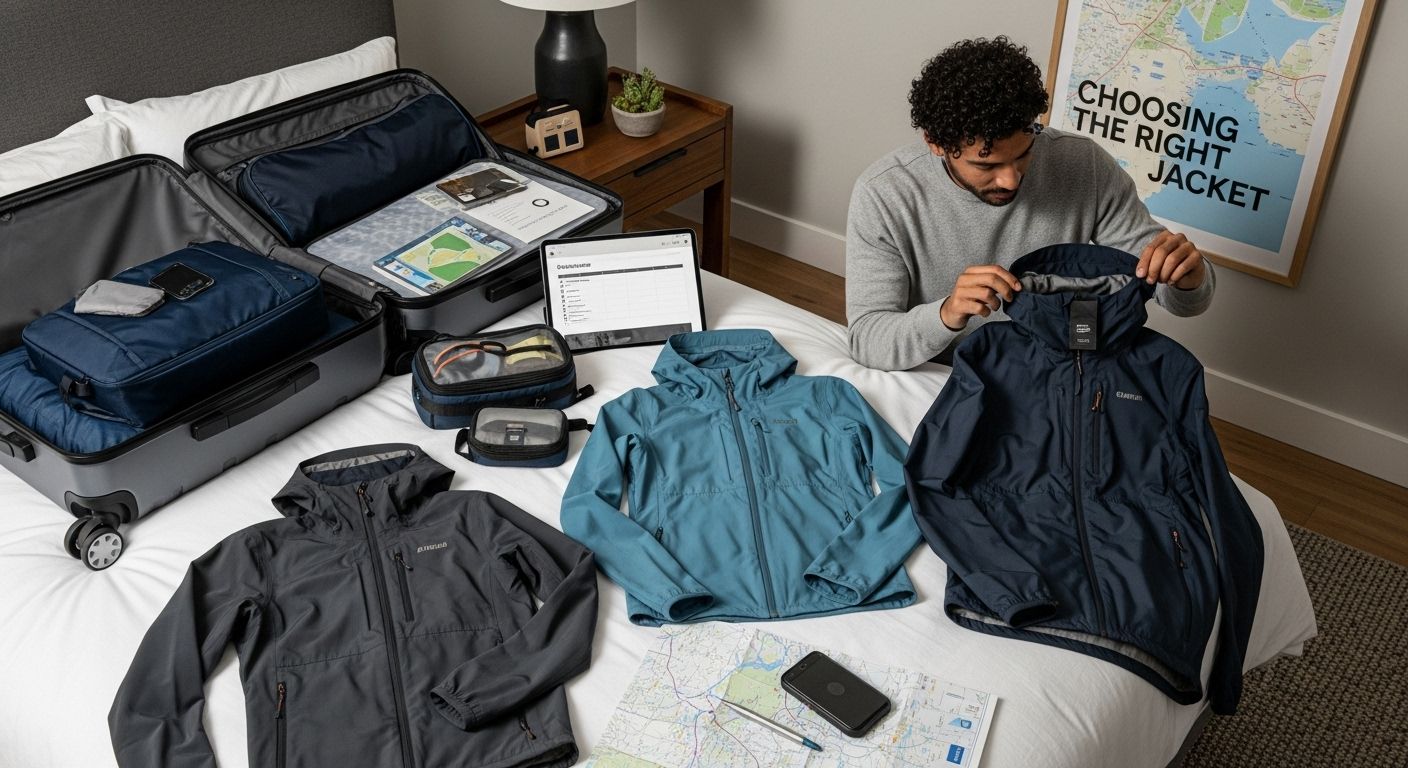
Packing a jacket for travel can feel like solving a puzzle. You want something that handles shifting climates, crammed suitcases, and long days on the road. What many travelers overlook is that the right jacket can make or break your entire travel experience. Most people just stuff their jacket in last minute and hope for the best. That single decision could be the difference between breezing through the airport in style or pulling out a wrinkled, crushed mess at your destination.
Table of Contents
- Step 1: Choose The Right Jacket For Your Trip
- Step 2: Prepare Your Jacket For Packing
- Step 3: Fold Or Roll Your Jacket Efficiently
- Step 4: Utilize Packing Aids For Protection
- Step 5: Securely Close Your Luggage And Verify Fit
Quick Summary
| Key Point | Explanation |
|---|---|
| 1. Choose a versatile travel jacket | Select jackets that can adapt to different climates and activities, offering flexibility and functionality. |
| 2. Focus on lightweight, packable materials | Look for synthetic fabrics like nylon or polyester that are moisture-wicking and quick-drying. |
| 3. Use effective packing techniques | Employ folding or rolling methods suited to your jacket type to minimize wrinkles and save space. |
| 4. Utilize packing aids for protection | Use garment bags or packing cubes to prevent damage and maintain your jacket’s shape during travel. |
| 5. Securely pack and verify jacket fit | Carefully position your jacket in luggage and ensure secure closure to protect it from movement and wrinkles. |
Step 1: Choose the Right Jacket for Your Trip
Selecting the perfect jacket for your travel adventure is more than just grabbing something from your closet. Your jacket needs to be a strategic companion that adapts to changing environments, temperature shifts, and unexpected travel challenges. The right jacket can make or break your entire travel experience.
Start by considering your destination’s climate and specific travel activities. A tropical beach trip requires a dramatically different jacket strategy compared to a mountain hiking expedition or a business conference in a chilly city. Temperature range, potential precipitation, and planned activities should drive your jacket selection.
Understanding Your Travel Jacket Needs
Consider your jacket as a versatile travel tool. Look for pieces that offer multiple functionalities: weather protection, compact packability, and adaptability to different settings. A lightweight, water-resistant jacket with removable layers provides maximum flexibility. For instance, a travel jacket with zip-off sleeves can transform from a full jacket to a vest, giving you temperature regulation options without carrying multiple garments.
Fabric selection plays a critical role in travel jacket performance. Synthetic materials like nylon or polyester blends offer excellent moisture-wicking properties and quick-drying capabilities. These fabrics are lightweight, resist wrinkles, and can be compressed into small spaces in your luggage. Explore our guide on selecting versatile travel jackets for more detailed insights into fabric choices and travel-friendly features.
Practical travelers understand that a jacket isn’t just about warmth—it’s about smart design. Look for jackets with multiple secure pockets, which can replace the need for a separate bag. Interior zippered compartments can safely store passports, currency, and small electronics, adding an extra layer of security during your travels. Neutral colors like black, navy, or gray maximize versatility, allowing your jacket to transition seamlessly between casual and slightly more formal environments.
Before finalizing your jacket selection, perform a critical mobility test. Move around, simulate walking with a backpack, and ensure the jacket allows comfortable range of motion. A travel jacket should feel like a second skin—present when you need protection but never restrictive or cumbersome. Your goal is finding that perfect balance between protection, comfort, and style that will support you through diverse travel scenarios.
Step 2: Prepare Your Jacket for Packing
Preparing your jacket for travel is an art form that balances protection, space optimization, and wrinkle prevention. Before your jacket even touches your luggage, a strategic preparation process can save you significant hassle during your journey. Proper preparation transforms your jacket from a potential packing nightmare into a travel-friendly companion.
Begin by thoroughly cleaning your jacket according to its specific care instructions. Remove any dirt, stains, or debris that could set during travel. For leather or specialized jackets, use manufacturer-recommended cleaning products. Ensure your jacket is completely dry before packing to prevent mildew or unwanted odors. If your jacket has any removable liners or accessories, detach them and pack separately to reduce bulk and potential damage.
Jacket Packing Techniques
Mastering the art of jacket folding or rolling depends on your jacket’s material and your luggage type. Soft, flexible materials like lightweight nylon or polyester jackets can be tightly rolled to minimize space. For structured jackets like leather or blazers, careful folding is crucial. Turn the jacket inside out, fold the shoulders inward, then fold in half vertically. This method helps preserve the jacket’s shape and reduces potential creasing. Check out our comprehensive packing tips for additional space-saving strategies.
Protection is paramount during travel. Consider using garment bags or dry cleaning bags as a lightweight barrier against dirt and moisture. For delicate jackets, stuff the shoulders with tissue paper to maintain their structure. If you’re traveling with multiple jackets, place lighter jackets on top of heavier ones to prevent unnecessary crushing. Compression bags can be a game-changer for bulky jackets, reducing their volume and protecting them from external elements.
A critical yet often overlooked aspect of jacket preparation is strategic placement within your luggage. Position your jacket near the top of your suitcase or in an easily accessible compartment. This placement allows for quick removal during security checks or unexpected temperature changes. If you’re wearing the jacket during travel, consider a simple hanger trick: fold the jacket inside out and drape it over your arm or hang it immediately upon arrival to let any travel-induced wrinkles naturally fall out. Your goal is arriving at your destination with a jacket that looks as good as when you carefully prepared it.
Step 3: Fold or Roll Your Jacket Efficiently
Mastering the art of jacket packing goes beyond simply cramming your outerwear into a suitcase. Efficient folding or rolling can save valuable luggage space, prevent wrinkles, and ensure your jacket arrives in pristine condition. Your chosen method depends entirely on your jacket’s material, structure, and your specific travel requirements.
For structured jackets like blazers or leather pieces, precise folding becomes crucial. Start by buttoning or zipping the jacket completely to maintain its shape. Turn the jacket inside out to protect the exterior fabric. Fold the shoulders inward, creating a smooth, compact triangle. Ensure all edges are aligned carefully, smoothing out potential wrinkle points with your hands. The goal is creating a flat, uniform package that minimizes creasing and preserves the jacket’s original silhouette.
Rolling vs. Folding Strategies
Rolling works brilliantly for softer, more flexible jackets made from materials like lightweight nylon, polyester, or soft cotton blends. Begin by laying the jacket completely flat on a clean surface. Fold the sleeves inward towards the center, creating a long, narrow shape. Starting from the bottom hem, tightly roll the jacket upward, pressing out any air pockets as you go. This technique not only saves significant space but also helps minimize wrinkles. Learn more about preventing jacket wrinkles during travel to keep your outerwear looking sharp.
Travel professionals understand that different jacket types require nuanced approaches. Leather jackets, for instance, demand extra care. Never fold leather sharply, as this can create permanent creases that damage the material’s integrity. Instead, loosely roll leather jackets or drape them carefully in your luggage. For delicate or expensive jackets, consider using a garment folder or packing cube that provides additional structure and protection.
Before finalizing your packing, perform a quick wrinkle and fit check. Gently unfold or unroll your jacket to ensure no significant creases have formed. If traveling with multiple jackets, place the most structured or delicate pieces on top to prevent unnecessary crushing. Remember that your packing method should prioritize both space efficiency and jacket preservation.
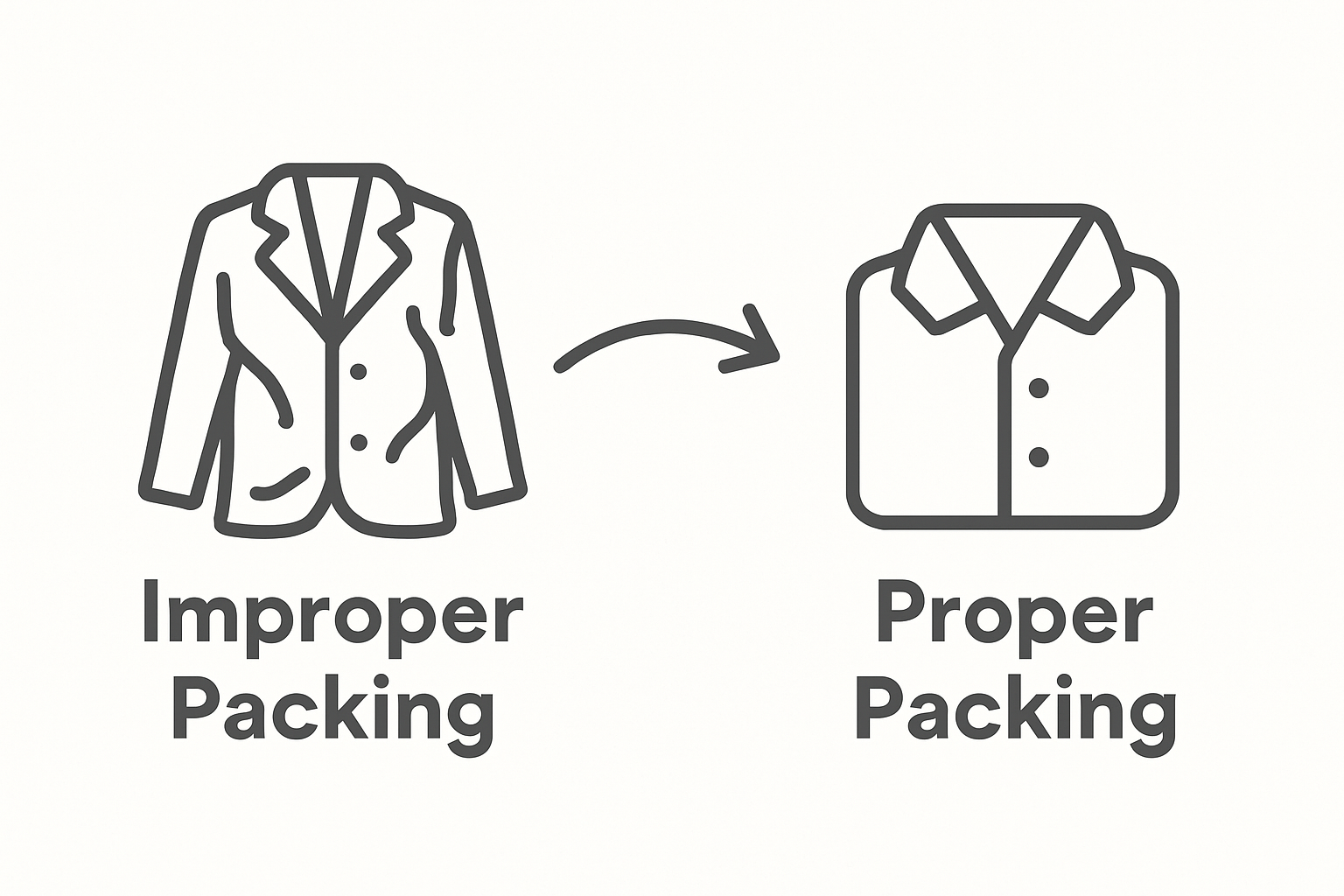
With practice, you’ll develop an intuitive sense of how to transform your jacket from a potential packing challenge into a travel-friendly companion that looks impeccable upon arrival.
Below is a comparison of folding versus rolling techniques for packing jackets, summarizing their benefits, ideal use cases, and suitable jacket types.
| Method | Best For | Key Benefits | Suitable Jacket Types |
|---|---|---|---|
| Folding | Structured jackets | Preserves shape, reduces creasing | Blazers, leather, suit jackets |
| Rolling | Soft, flexible jackets | Saves space, minimizes wrinkles | Lightweight nylon, polyester, cotton blends |
| Loose Roll | Delicate materials | Avoids sharp creases, easy fit | Leather, silk jackets |
| Garment Folder | High-value, delicate items | Provides structure, protection | Expensive blazers, special fabrics |
Step 4: Utilize Packing Aids for Protection
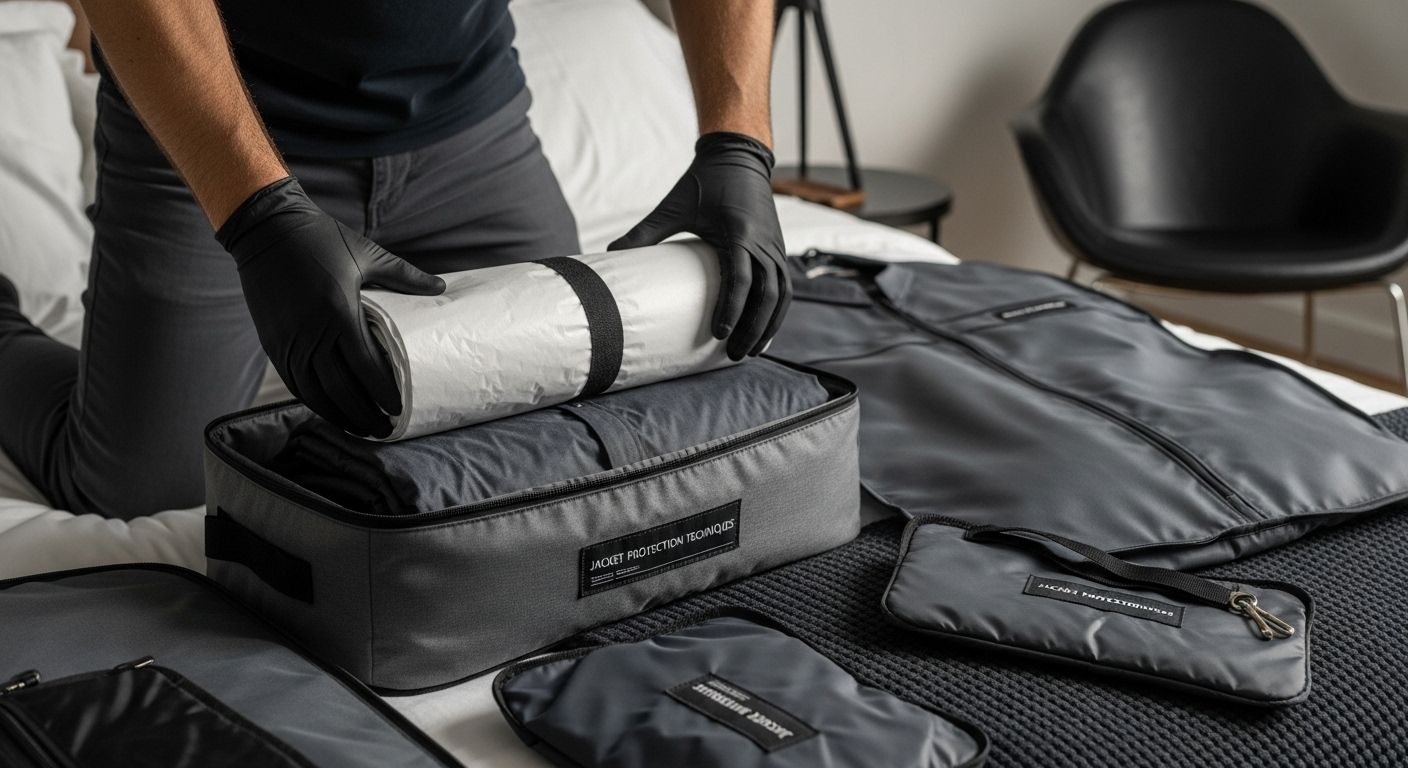
Protecting your jacket during travel requires more than careful folding—it demands strategic use of packing aids that shield your garment from potential damage, moisture, and unexpected travel challenges. Intelligent protection transforms your jacket from a vulnerable piece of clothing into a resilient travel companion. The right packing accessories can mean the difference between arriving with a pristine jacket and dealing with unnecessary wear and tear.
Start by selecting protective materials that complement your jacket’s specific fabric and construction. Garment bags offer an excellent first line of defense, especially for structured or delicate jackets. Look for lightweight, breathable bags made from materials that prevent moisture buildup while providing a barrier against dirt and potential snags. Transparent bags offer the added benefit of allowing you to quickly identify your jacket without unnecessary unpacking.
Strategic Jacket Protection Techniques
Packing cubes represent a game-changing solution for travelers seeking organized and protected storage. These versatile containers not only compress your jacket but create a protective microenvironment within your luggage. Choose compression cubes with soft interior linings to prevent friction against delicate jacket fabrics. By creating a dedicated space for your jacket, you minimize the risk of crushing or unnecessary movement during transit. Explore our comprehensive packing tips for advanced travel organization strategies.
For jackets made from sensitive materials like leather or silk, consider additional protective layers. Acid-free tissue paper can be strategically placed to maintain the jacket’s shape and prevent unwanted creasing. When dealing with leather jackets, a thin cotton cloth can provide an extra protective barrier against potential moisture or color transfer. Pay special attention to vulnerable areas like shoulders, collar, and sleeve ends—these are typically the first regions to show travel-induced wear.
Before sealing your luggage, perform a final protection check. Ensure your jacket is loosely positioned to allow minimal movement, avoiding tight compressions that could distort its shape. If traveling with multiple jackets, create protective barriers between them using soft clothing items or additional packing aids. Your goal is creating a portable micro-environment that preserves your jacket’s integrity from departure to arrival. With careful preparation and the right protective tools, your jacket will emerge from travel looking as impeccable as when you carefully packed it.
Step 5: Securely Close Your Luggage and Verify Fit
The final stage of jacket packing is crucial—securing your luggage in a way that protects your carefully prepared garment while ensuring easy access and preventing potential damage. Proper luggage closure is the last line of defense between your jacket and the unpredictable world of travel. This step transforms your meticulous packing efforts into a reliable travel solution.
Begin by strategically positioning your jacket within the luggage. Place heavier items at the bottom near the wheels to create a stable base, then carefully layer your jacket to minimize movement. Compression straps are your secret weapon in preventing shifting and potential wrinkles. Tighten these straps systematically, applying gentle but firm pressure that holds your jacket in place without causing unnecessary compression.
Final Packing Verification
Carefully zip and close your luggage, paying special attention to the jacket’s positioning. Run your hands along the bag’s exterior to feel for any unusual bulges or potential stress points. If you’re using a hardshell suitcase, ensure the jacket isn’t creating pressure against the case’s interior that might cause damage. For soft-sided luggage, the jacket should sit comfortably without creating uneven surfaces that could stress the bag’s seams. Check out our comprehensive packing tips for additional luggage organization strategies.
The final verification process is critical. Open and close your luggage multiple times, checking that the jacket remains securely positioned. Gently lift and rotate the bag to simulate travel conditions. Listen for any unusual sounds that might indicate shifting contents. If you’re traveling with carry-on luggage, test fitting the bag in overhead compartment spaces or under airplane seats. Your goal is creating a packing arrangement that withstands the rigors of travel while keeping your jacket in pristine condition.
Consider the environmental challenges your luggage might encounter. If traveling to humid or extreme temperature destinations, add a small silica gel packet to absorb moisture and protect your jacket. For added security, use TSA-approved locks that allow for potential inspection while keeping your belongings safe. Remember that successful jacket packing is an art form—a delicate balance of protection, accessibility, and strategic placement that transforms your travel experience from stressful to seamless.
Take the Stress Out of Packing – Discover Jackets That Are Made for Travel
Packing jackets for travel can be a real challenge, especially when you want durability, flexibility, and style with no room for compromise. The article addresses the pain of selecting the right jacket, keeping it wrinkle-free, and making sure it fits perfectly in your luggage while surviving unexpected weather and tight schedules. At Maker of Jacket, we understand how frustrating it is when your jacket fails you on the go. That is why our Maker of Jacket’s collection focuses on versatile designs, smart features like secure pockets, and packable premium materials that match the techniques you just learned.

Ready to transform your next trip? Explore Maker of Jacket’s collection for travel-friendly options or design your own for the ultimate packing solution. Shop directly on Maker of Jacket now to make packing the easiest part of your adventure.
Frequently Asked Questions
What type of jacket is best for travel?
A versatile travel jacket should be weather-resistant, lightweight, and have removable layers for flexibility. Look for jackets with multiple secure pockets and neutral colors to maximize adaptability.
How can I prevent my jacket from wrinkling during travel?
To minimize wrinkles, properly fold or roll your jacket depending on its material. Use packing aids like garment bags or packing cubes to protect it during transit. Make sure to avoid tight compressions and pack it near the top of your luggage for easy access.
What materials should I consider for a travel jacket?
Synthetic materials such as nylon or polyester are excellent choices due to their moisture-wicking properties, quick-drying capabilities, and wrinkle resistance. These fabrics are lightweight, making them ideal for packing.
How can I ensure my jacket’s shape is maintained while packing?
When packing, turn structured jackets inside out and fold the shoulders inward to create a compact triangle. For soft jackets, roll them tightly to avoid creasing. Consider using tissue paper or packing cubes to maintain the jacket’s shape and protect it from damage.


