

Biker Fashion: Expression, Identity, and Modern Trends


Most American motorcycle enthusiasts are searching for more than simple gear. Biker fashion now blends rugged heritage with high style, turning jackets into powerful statements of personal identity. The rise of custom detailing and technical fabrics has redefined what it means to ride in style across United States cities. In this new era, embracing unique American design can help you stand out while staying protected on every journey.
Table of Contents
- What Biker Fashion Means Today
- Origins and Evolution of Biker Style
- Core Elements of Biker Fashion Apparel
- Customization and Personal Expression Trends
- Safety, Function, and Modern Innovations
- Avoiding Stereotypes and Common Pitfalls
Key Takeaways
| Point | Details |
|---|---|
| Evolution of Biker Fashion | Biker fashion has transitioned from practical riding gear to a sophisticated style statement that merges functionality with high fashion. |
| Customization Trends | Modern bikers now seek personalized apparel that reflects their identity and cultural narratives, driven by technology and artisanal craftsmanship. |
| Modern Safety Innovations | Advanced materials and smart textiles have redefined motorcycle gear, prioritizing rider safety without compromising on style and comfort. |
| Cultural Understanding | Engaging with biker fashion requires recognizing its rich cultural roots rather than relying on superficial stereotypes propagated by media. |
What Biker Fashion Means Today
Biker fashion has dramatically transformed from its rebellious motorcycle club origins into a sophisticated, multifaceted style statement. Modern bikercore now represents far more than functional riding gear—it’s a nuanced aesthetic blending motorsport heritage with high fashion sensibilities. Today’s biker fashion transcends traditional leather jackets, incorporating complex layering, intricate details, and a rebellious spirit that resonates across urban fashion landscapes.
The contemporary biker fashion scene celebrates versatility and personal expression. Designers have reimagined classic motorcycle-inspired elements, integrating racing aesthetics with streetwear trends. Key components now include distressed denim, studded leather accessories, vintage band t-shirts, and statement boots that communicate both rugged functionality and avant-garde style. This evolution reflects a broader cultural shift where motorcycle culture intersects with fashion, allowing enthusiasts to craft identities that are simultaneously authentic and progressive.
What distinguishes modern biker fashion is its ability to merge performance with aesthetic sophistication. Technical materials like reinforced leather, strategic padding, and adaptive fabrics now coexist with runway-inspired design elements. The style speaks to individuals who value both protection and self-expression—urban riders who understand that clothing can be simultaneously practical and a powerful form of personal storytelling. From Y2K-inspired handbags to meticulously crafted leather jackets featuring intricate embellishments, today’s biker fashion is a dynamic, ever-evolving conversation between tradition and innovation.
Pro tip: When building your biker fashion wardrobe, invest in versatile pieces that can transition seamlessly between riding gear and urban streetwear, maximizing both style and functionality.
Origins and Evolution of Biker Style
Biker style emerged from pure necessity, rooted in the practical requirements of early motorcycle riders who needed protection from harsh road conditions and potential accidents. Post-World War II veterans significantly shaped the foundational biker aesthetic, transforming functional riding gear into a powerful cultural statement. The iconic leather jacket, originally designed as a protective garment, quickly became a symbol of rebellion and individual freedom.
The transformation of biker style was dramatically influenced by specific cultural moments and visual icons. The Schott Perfecto leather jacket, adapted from World War II bomber pilot gear, became a pivotal piece in motorcycle fashion. Marlon Brando’s portrayal in ‘The Wild One’ crystallized the rebellious image of motorcycle culture, turning utilitarian clothing into a powerful representation of counterculture identity. Motorcycle clubs like the Hell’s Angels further solidified this aesthetic, emphasizing brotherhood, individualism, and a defiance of mainstream societal norms.
As decades passed, biker style transcended its original subculture roots, evolving from a niche identity marker to a globally recognized fashion statement. The 1960s and 1970s counterculture movement played a crucial role in mainstreaming biker aesthetics, integrating elements of motorcycle fashion into broader style conversations. What began as protective gear for riders became a complex language of self-expression, incorporating leather jackets, studded accessories, rugged boots, and an attitude that communicated both vulnerability and strength. This evolution demonstrates how fashion can transform from purely functional origins to a nuanced form of personal and cultural communication.
Pro tip: When exploring biker style, focus on understanding the historical context and emotional significance behind each clothing piece, rather than just viewing it as a fashion trend.
Core Elements of Biker Fashion Apparel
At the heart of biker fashion lies a carefully curated selection of apparel that balances functionality with raw aesthetic power. Core biker fashion elements are defined by their dual purpose of protection and personal expression, with each piece telling a story of practicality and rebellion. The leather jacket stands as the quintessential centerpiece—typically featuring an asymmetrical zipper design that has become an iconic symbol of motorcycle culture, representing both safety and attitude.
Biker fashion thrives on strategic texture mixing and material contrast, blending rugged protective gear with more nuanced style elements. Beyond the legendary leather jacket, the ensemble includes specialized components like armored gloves, sturdy ankle-protective boots with non-slip soles, and denim pieces that offer both flexibility and durability. Motorcycle vests adorned with patches serve as personal canvases, communicating individual club affiliations, personal achievements, and unspoken cultural narratives that extend far beyond mere clothing.
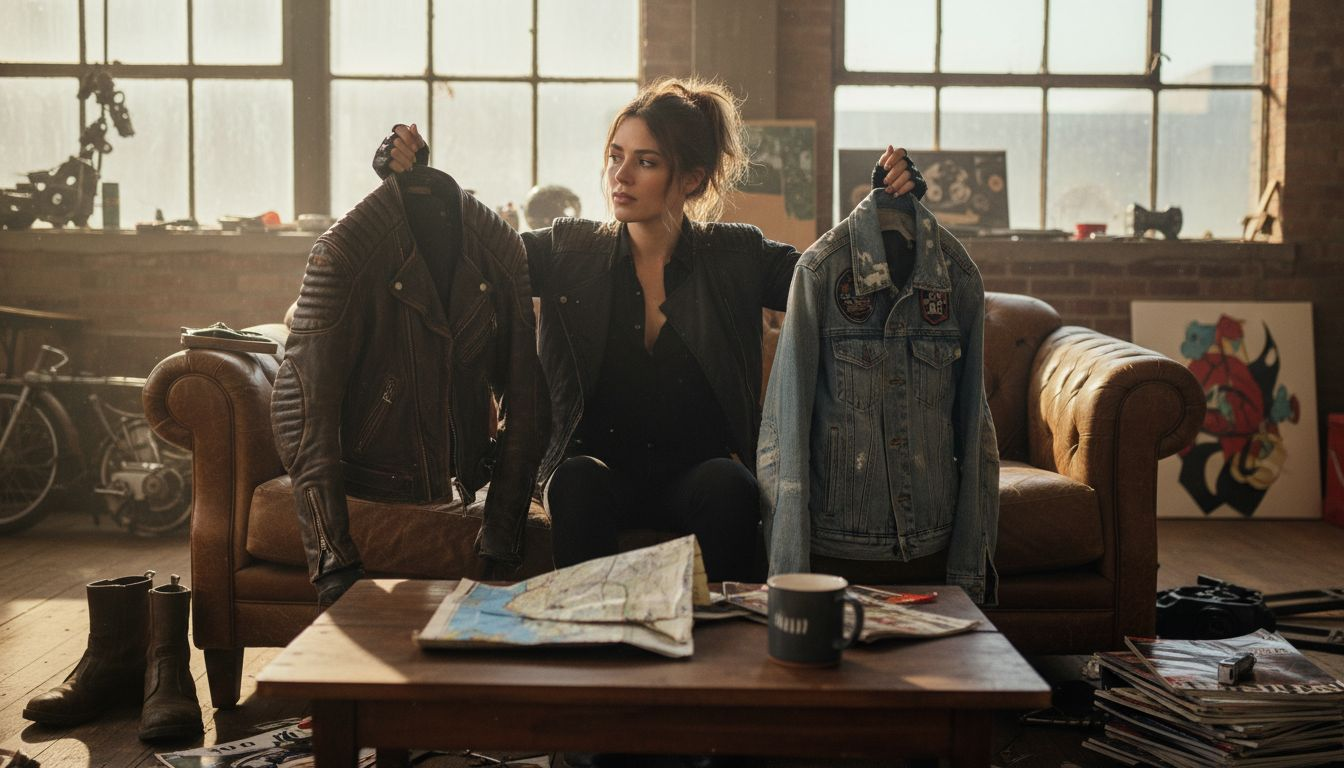
The modern biker fashion aesthetic has evolved to encompass a broader range of stylistic expressions while maintaining its core functional roots. Graphic t-shirts, studded accessories, and fringe details now integrate seamlessly with traditional protective gear, creating a layered look that speaks to both heritage and contemporary fashion sensibilities. Full-face helmets, once purely utilitarian, have transformed into statement pieces that blend safety technology with personal style, reflecting the ongoing dialogue between practical necessity and individual identity in biker culture.
Here’s a summary of how core biker fashion elements balance practicality with expressive style:
| Apparel Element | Practical Function | Expressive Quality | Modern Innovation |
|---|---|---|---|
| Leather Jacket | Road protection | Symbol of rebellion | Embellished, adaptive designs |
| Armored Gloves | Impact resistance | Texture and graphic detail | Smart materials |
| Boots | Ankle support, grip | Statement silhouette | Modular, custom soles |
| Denim Pieces | Durability, flexibility | Vintage streetwear twist | Reinforced, stretch fabrics |
| Full-face Helmet | Safety, impact absorption | Customized finishes, graphics | Ventilated, smart sensors |
Pro tip: When building your biker fashion wardrobe, prioritize pieces that offer both authentic protection and personal style, ensuring each item tells a part of your unique story.
Customization and Personal Expression Trends
Customization has become the defining language of contemporary biker fashion, transforming apparel from mass-produced gear into deeply personal statements of identity. Modern riders seek more than just clothing—they want wearable narratives that reflect their individual spirit, cultural background, and personal journey. This shift represents a profound evolution from uniform motorcycle gear to intricate, personalized fashion expressions that communicate complex individual stories.
Technology and social media have dramatically accelerated customization trends, enabling riders to collaborate directly with artisans and designers in unprecedented ways. Motorcycle customization now blends traditional craftsmanship with cutting-edge technological innovations, allowing for hyper-personalized gear that goes beyond aesthetic preferences. Custom motorcycle boots featuring unique color combinations, specialized material selections, and precision fit measurements exemplify this trend—each piece becomes a canvas for personal storytelling, combining functional performance with artistic self-expression.
Regional variations add another layer of complexity to biker fashion customization. In the United States, customization trends often merge classic chopper aesthetics with contemporary performance upgrades, creating a dynamic dialogue between heritage and innovation. Riders are increasingly viewing their gear as an extension of their personality—patches, embroidery, unique leather treatments, and personalized color schemes become powerful tools for communicating individual narratives. This approach transforms clothing from mere protective gear into a nuanced form of personal branding, where every stitch and detail tells a story of individual identity.
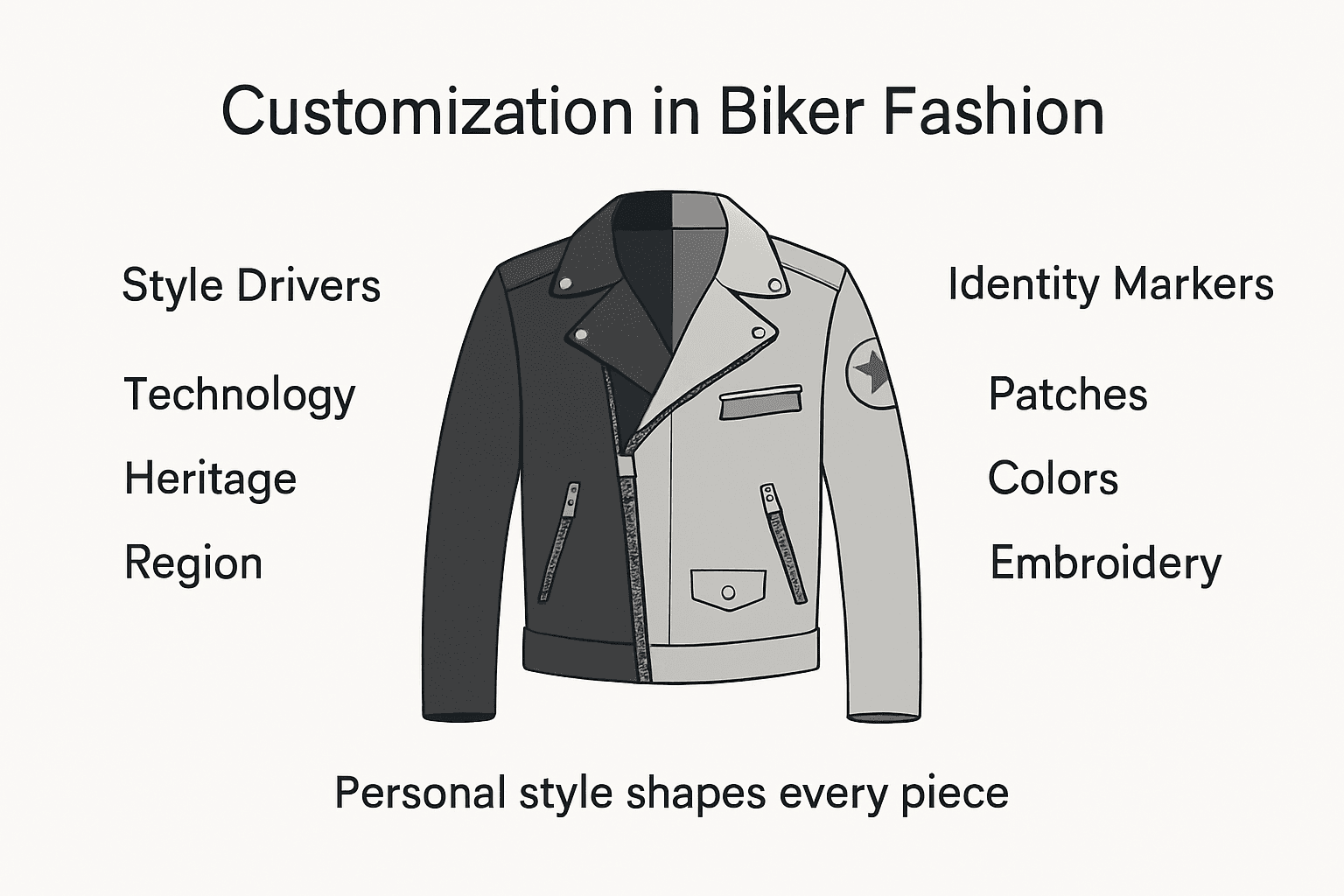
To help understand customization’s role in biker fashion, here’s a comparison of influences and outcomes:
| Customization Driver | Impact on Gear Style | Personal Identity Shown |
|---|---|---|
| Artisans & Designers | Unique materials, finishes | Cultural background, values |
| Technology | Precision fit, smart features | Innovation, digital trends |
| Regional Aesthetics | Blending local & classic styles | Heritage, club affiliation |
| Social Media | Wider trend adoption | Public persona, storytelling |
Pro tip: When pursuing biker fashion customization, focus on pieces that authentically represent your personal journey while maintaining high-quality functional standards.
Safety, Function, and Modern Innovations
Advanced technological innovations are revolutionizing motorcycle apparel safety, transforming traditional protective gear into sophisticated systems that prioritize rider protection without compromising style or comfort. Modern motorcycle clothing has evolved far beyond simple leather jackets, integrating smart textiles, impact-absorbing materials, and ergonomic designs that provide unprecedented levels of protection. These technological advancements represent a quantum leap in rider safety, combining cutting-edge material science with practical performance requirements.
Smart textiles and advanced protective technologies now define the new frontier of motorcycle apparel. Materials like Kevlar and D3O have replaced traditional bulky armor, offering lightweight yet incredibly strong impact protection. The motorcycle apparel market is experiencing significant growth driven by innovative safety features, with integrated airbag systems now providing critical crash protection. Temperature-regulating fabrics, moisture-wicking technologies, and strategic ventilation zones ensure riders remain comfortable and protected across diverse environmental conditions, demonstrating how modern gear successfully balances protection with performance.
The future of motorcycle apparel is increasingly characterized by adaptive, intelligent design that responds dynamically to rider needs. Innovations now include embedded sensors that can detect potential impact scenarios, weather-adaptive materials that adjust to temperature changes, and modular designs allowing riders to customize protection levels. These technological developments represent more than incremental improvements—they signify a fundamental reimagining of motorcycle gear as an active safety system rather than passive protection, reflecting a holistic approach to rider security that considers biomechanics, environmental challenges, and individual riding styles.
Pro tip: Invest in motorcycle gear that combines certified safety standards with advanced technological features, prioritizing comprehensive protection over purely aesthetic considerations.
Avoiding Stereotypes and Common Pitfalls
Biker fashion has long been misunderstood through oversimplified media representations, often reduced to narrow, sensationalized narratives that ignore its rich cultural complexity. These stereotypes typically portray biker style as exclusively associated with dangerous, rebellious subcultures, overlooking the nuanced reality of diverse rider identities and the profound functional origins of motorcycle apparel. Understanding biker fashion requires moving beyond these reductive characterizations and recognizing the multifaceted nature of this dynamic style ecosystem.
The commodification of biker imagery has further complicated perceptions, transforming an authentic cultural expression into a marketable aesthetic often disconnected from its roots. Media and commercial interests have systematically flattened the complex social landscape of motorcycle culture, creating simplified narratives that prioritize dramatic visual tropes over genuine understanding. This approach not only misrepresents the community but also strips away the meaningful personal and historical contexts that give biker fashion its profound significance, reducing a rich cultural practice to a superficial fashion statement.
Navigating biker style authentically requires a thoughtful, respectful approach that acknowledges its diverse origins and contemporary manifestations. Riders and fashion enthusiasts should focus on understanding the functional heritage of motorcycle gear, appreciating the technical innovations, cultural symbolism, and personal narratives embedded in each piece. This means moving beyond visual stereotypes and recognizing biker fashion as a sophisticated form of self-expression that encompasses safety, performance, individual identity, and a deep respect for the riding community’s traditions and ongoing evolution.
Pro tip: Approach biker fashion with curiosity and respect, seeking to understand its cultural nuances rather than relying on superficial media stereotypes.
Elevate Your Biker Style with Custom Leather Apparel from Maker of Jacket
Biker fashion is all about expressing identity through functional, stylish gear that protects while making a statement. If you are inspired by the modern trends of combining rugged protection with personal storytelling, our Mustang jacket collection offers expertly crafted leather jackets built for both safety and standout style. Whether you seek the classic rebellious spirit or a fully customized piece reflecting your unique journey, Maker of Jacket has solutions designed to fit every rider’s authentic expression.

Explore our diverse Maker of Jacket’s collection where innovation meets heritage, and discover premium biker jackets that bring your vision to life. Act now and benefit from free worldwide shipping by visiting https://makerofjacket.com. Your perfect custom leather jacket is just a few clicks away—embrace biker fashion that truly tells your story.
Frequently Asked Questions
What defines modern biker fashion?
Modern biker fashion is characterized by a blend of functionality and sophisticated aesthetics, incorporating elements like distressed denim, studded leather, vintage band t-shirts, and statement boots.
How has biker fashion evolved from its origins?
Biker fashion has transformed from practical riding gear into a complex style statement that reflects personal expression and cultural identity, influenced by historical figures and movements.
What are the core elements of biker apparel?
Core elements include leather jackets, armored gloves, sturdy boots, denim pieces, and full-face helmets, each serving a dual purpose of protection and personal expression.
How is customization affecting biker fashion today?
Customization has become a significant trend, allowing riders to create personalized apparel that reflects their individual identity, cultural background, and unique riding experiences.


