

Upcycling Leather Jackets: Creative Ideas for Unique Style

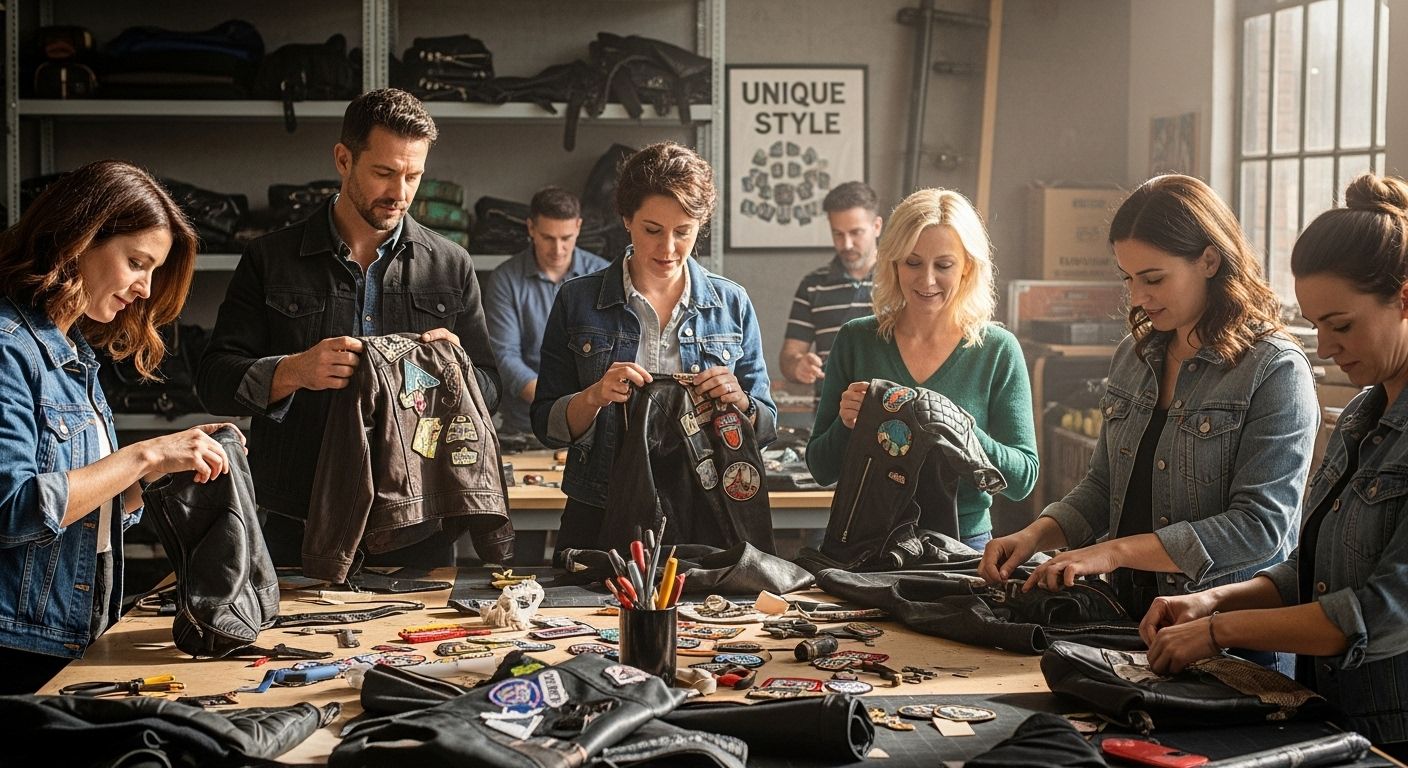
Upcycling leather jackets is catching on fast, and not just among eco-conscious fashion fans. It’s easy to see why, since leather production can use up 15,000 liters of water for a single jacket. Most people think of leather as a luxury that’s tough to reinvent, but turning an old jacket into something totally fresh is actually the best way to make your style pop and cut waste at the same time.
Table of Contents
- Why Upcycling Leather Jackets Matters
- Popular Diy Projects For Leather Jackets
- Personalizing Leather For Unique Fashion
- Tips For Lasting Quality And Care
Quick Summary
| Takeaway | Explanation |
|---|---|
| Upcycling reduces environmental impact | Transforming leather jackets minimizes demand for new leather production and decreases waste and carbon footprint. |
| DIY projects enhance creativity and savings | Upcycling allows for cost-effective personalization of jackets, fostering unique fashion statements without high designer prices. |
| Personalized jackets tell unique stories | Each modification reflects individual style and history, making the jacket a meaningful expression of personal identity. |
| Proper maintenance extends jacket lifespan | Using specialized cleaning products and storing correctly helps preserve leather’s quality and appearance over time. |
| Community fosters creativity in upcycling | Engaging in workshops and social media groups enhances skills and knowledge while connecting with other upcycling enthusiasts. |
Why Upcycling Leather Jackets Matters
Upcycling leather jackets represents far more than a trendy fashion statement. It’s a powerful approach to sustainable fashion that addresses critical environmental challenges while unleashing remarkable creative potential. The fashion industry remains one of the most significant contributors to global waste and environmental degradation, making individual choices like upcycling leather jackets increasingly important.
Environmental Impact of Leather Production
Traditional leather production carries a substantial ecological footprint. The United States Department of Agriculture highlights the significant environmental consequences of leather manufacturing. The process involves extensive water consumption, chemical treatments, and considerable carbon emissions. By choosing to upcycle existing leather jackets, individuals can directly reduce the demand for new leather production, thereby minimizing these environmental pressures.
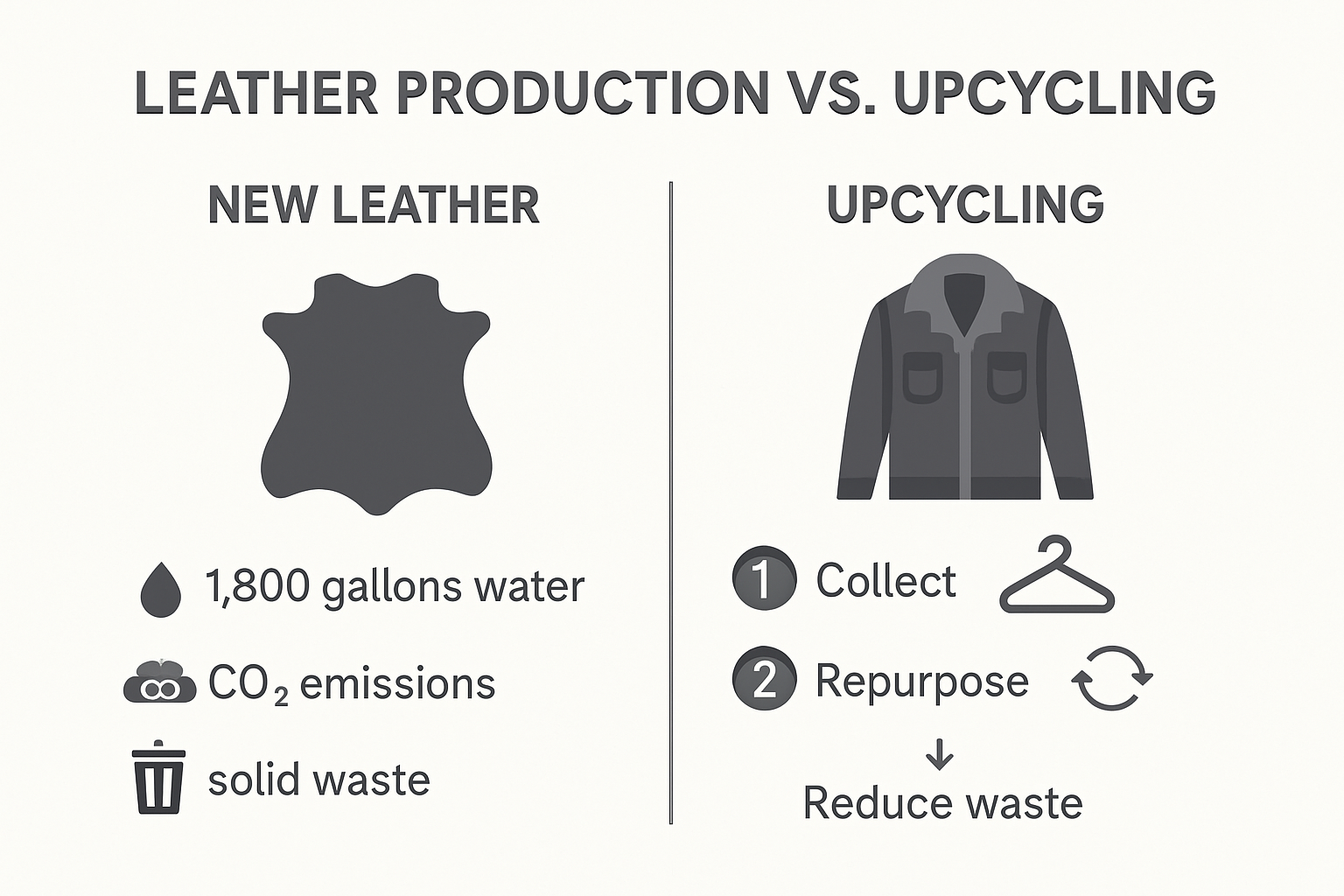
Our guide on leather jacket transformations offers comprehensive insights into sustainable fashion practices. Upcycling represents a direct intervention in the traditional linear fashion model of produce-consume-discard. Instead, it promotes a circular economy where existing materials are reimagined, repurposed, and given new life.
Economic and Creative Benefits
Beyond environmental considerations, upcycling leather jackets offers significant economic advantages. Transforming an existing jacket is often more cost-effective than purchasing a new designer piece. This approach allows fashion enthusiasts to create unique, personalized garments without the hefty price tag associated with custom leather wear.
Research from the Environmental Protection Agency emphasizes the importance of design strategies that extend product lifecycles. Upcycling perfectly embodies this principle. By applying creative techniques like patchwork, embroidery, or structural modifications, individuals can breathe new life into old leather jackets, transforming them from potentially discarded items into statement pieces.
Moreover, upcycling cultivates a deeper connection with clothing. When people invest time and creativity into modifying a jacket, they develop a more meaningful relationship with their garments. This shift challenges the fast fashion model, encouraging mindful consumption and appreciation for craftsmanship.
Personal and Social Significance
Upcycling leather jackets transcends mere environmental or economic considerations. It represents a form of personal expression and resistance against mass-produced fashion. Each upcycled jacket tells a unique story, reflecting the individual’s creativity, values, and personal style. By reimagining and reconstructing leather jackets, people create wearable art that cannot be replicated in a factory.
The practice also builds community. Online platforms, workshops, and social media groups dedicated to clothing upcycling have flourished, creating spaces where enthusiasts share techniques, inspire each other, and challenge traditional fashion norms. This collective creativity demonstrates that sustainable fashion can be both impactful and deeply enjoyable.
In essence, upcycling leather jackets is more than a technique. It’s a statement about individual creativity, environmental responsibility, and a reimagining of fashion’s potential to create meaningful, sustainable change.
Popular DIY Projects for Leather Jackets
Transforming a leather jacket through DIY projects offers an exciting opportunity to breathe new life into vintage or worn pieces. These creative endeavors not only personalize your wardrobe but also demonstrate a commitment to sustainable fashion practices. From intricate embellishments to structural modifications, leather jacket upcycling provides endless possibilities for personal expression.
Embellishment and Decorative Techniques
Decorative modifications represent one of the most accessible entry points for leather jacket upcycling. Our guide to leather jacket customization reveals multiple approaches to adding unique character to existing pieces. Embroidery stands out as a particularly versatile technique. Skilled crafters can introduce intricate designs using contrasting thread colors, creating personalized artwork directly on the leather surface.
Patch work offers another dynamic method of transformation. Vintage fabric patches, vintage concert memorabilia, or hand-crafted designs can be carefully sewn or professionally attached to create a narrative within the jacket’s design. According to Maryland Institute College of Art’s Upcycle Outerwear project, strategic patch placement can completely reinvent a jacket’s aesthetic while maintaining its original structural integrity.
Stenciling and fabric paint provide additional opportunities for creative expression. Carefully applied designs can transform a plain leather jacket into a wearable art piece. Metallic paints, intricate mandala patterns, or abstract geometric shapes can elevate a simple jacket into a statement piece.
Structural Modifications and Reconstruction
More advanced upcycling techniques involve fundamental structural changes to the jacket. Cropping the length, adding or removing sleeves, or integrating panels from other garments can dramatically alter a jacket’s silhouette. DIY leather jacket distressing techniques offer sophisticated methods for creating intentional wear patterns, giving jackets a lived-in, vintage appearance.
Adding unexpected elements like removable hoods, contrast fabric panels, or innovative closures can transform a standard leather jacket into a unique garment. Crafters might incorporate vintage scarves as internal linings, attach decorative chains, or redesign pocket configurations to create a truly one-of-a-kind piece.
Technical Skills and Preparation
Successful leather jacket upcycling requires careful preparation and fundamental technical skills. Wisconsin 4-H’s Leathercraft Project emphasizes the importance of understanding leather’s unique properties. Specialized leather needles, appropriate adhesives, and precise cutting techniques are crucial for maintaining the jacket’s structural integrity during modifications.
Before beginning any project, crafters should thoroughly clean the jacket, assess its condition, and plan modifications carefully. Practicing techniques on scrap leather or less valuable pieces can help develop the necessary skills and confidence. Professional leather craft workshops or online tutorials can provide valuable guidance for those new to leather modification.
Ultimately, DIY leather jacket projects represent more than simple clothing alterations. They are acts of creative rebellion against mass-produced fashion, allowing individuals to express their unique style while extending the life of cherished garments. Each modification tells a story, transforming a basic jacket into a personal artifact of creativity and sustainability.
Below is a table summarizing popular DIY upcycling techniques for leather jackets, including descriptions and examples from the article. This will help readers quickly compare the main approaches and decide which aligns with their skills and style preferences.
| Technique | Description | Example/Detail |
|---|---|---|
| Embroidery | Stitching designs onto leather with contrasting threads | Intricate artwork, personal mantras, symbols |
| Patch Work | Sewing or attaching fabric patches or memorabilia | Vintage concert patches, custom hand-crafted patches |
| Stenciling and Fabric Paint | Applying painted designs and patterns | Metallic paints, mandalas, geometric shapes |
| Cropping and Structural Modifications | Altering jacket’s length, sleeves, or adding panels | Cropped length, removable hoods, new closures |
| Distressing | Creating intentional wear patterns for vintage look | DIY distressing techniques for worn appearance |
| Adding Accessories | Incorporating chains, linings, or decorative elements | Vintage scarves as linings, decorative chains |
Personalizing Leather for Unique Fashion
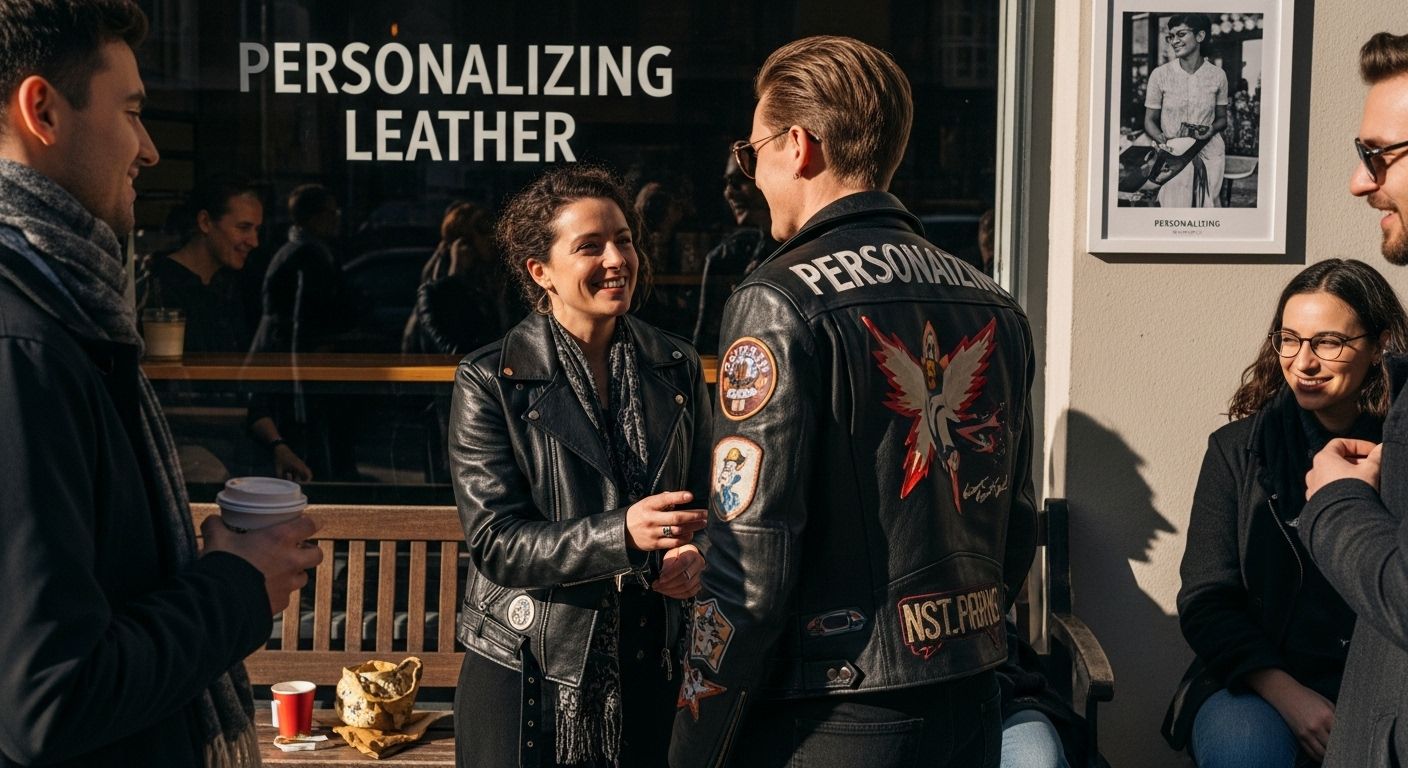
Personalizing leather jackets transcends mere fashion modification. It represents a powerful form of self-expression, transforming classic garments into intimate narratives that reflect individual creativity, personal experiences, and unique style perspectives. The art of personalization allows individuals to reclaim their wardrobe, turning standard leather jackets into wearable canvases that tell distinctive stories.
Artistic Personalization Techniques
Customization methods offer endless possibilities for transforming leather jackets into one-of-a-kind pieces. Our guide to leather engraving reveals sophisticated techniques for adding permanent, personalized elements. Hand-tooling designs, laser etching, and intricate carving can introduce textural details that elevate a standard leather jacket into an artistic statement.
Embroidery provides another nuanced approach to personalization. Modern crafters can integrate meaningful symbols, personal mantras, or intricate designs that represent individual journeys. Metallic threads, contrasting colors, and strategic placement can transform simple embellishments into complex visual narratives. Each stitch becomes a deliberate expression of personal identity, turning the leather jacket into a wearable memoir.
Color modification techniques offer additional personalization opportunities. Leather dyes, specialized painting techniques, and strategic color blocking can dramatically alter a jacket’s aesthetic. Crafters might introduce ombré effects, create gradient transitions, or apply hand-painted designs that reflect personal artistic visions.
Meaningful Customization Strategies
Personalization extends beyond purely aesthetic modifications. Leather labeling techniques demonstrate how strategic branding and identification can transform a jacket’s narrative. Adding custom patches, integrating personal monograms, or incorporating heritage-inspired design elements can create deeper connections between the wearer and the garment.
Memory mapping represents an innovative personalization strategy. Individuals might incorporate fabric patches from significant life moments, attach pins commemorating personal achievements, or integrate textile fragments with emotional significance. These modifications transform leather jackets from mere clothing items into personal archives, capturing individual histories and experiences.
Technical personalization also plays a crucial role. Custom fit alterations, strategic tailoring, and structural modifications can ensure that a leather jacket becomes a true extension of the wearer’s body and style. Adjusting sleeve lengths, redesigning closure mechanisms, or adding functional elements like hidden interior pockets can enhance both aesthetic appeal and practical utility.
Cultural and Personal Storytelling
At its core, personalizing leather jackets represents a profound act of cultural and individual storytelling. Each modification becomes a deliberate statement about personal identity, aesthetic preferences, and creative vision. Traditional techniques borrowed from global craft traditions can be seamlessly integrated, allowing wearers to honor cultural heritage while creating contemporary fashion statements.
The process of personalization also challenges mass-produced fashion paradigms. By investing time, creativity, and personal narrative into a leather jacket, individuals resist homogenized style trends. Each customized piece becomes a rebellion against conformity, celebrating individual expression through carefully curated design choices.
Ultimately, a personalized leather jacket transcends clothing. It becomes a wearable art piece, a personal artifact that communicates complex narratives about identity, creativity, and individual journey. Through thoughtful, intentional modifications, leather jackets transform from simple garments into powerful mediums of self-expression.
Tips for Lasting Quality and Care
Maintaining the quality and longevity of an upcycled leather jacket requires strategic care and thoughtful maintenance. Unlike standard clothing items, leather demands specialized attention to preserve its unique texture, structural integrity, and aesthetic appeal. Proper care not only extends the jacket’s lifespan but also ensures that the personal modifications and creative investments remain vibrant and functional.
Cleaning and Maintenance Fundamentals
According to Iowa State University Extension and Outreach, leather care begins with understanding the material’s specific characteristics. Regular cleaning is crucial, but it must be performed with extreme precision. Specialized leather cleaners designed for the specific type of leather are essential. Avoid using standard household cleaning products, which can strip natural oils and cause irreparable damage.
Different leather types require unique cleaning approaches. Smooth leather surfaces can be gently wiped with a soft, slightly damp cloth, while suede and nubuck demand specialized brushes and cleaning techniques. For upcycled jackets with multiple fabric integrations, spot testing cleaning methods on a small, inconspicuous area is critical to prevent unexpected color bleeding or material degradation.
Conditioning represents another vital maintenance strategy. Leather naturally loses moisture over time, which can lead to cracking and structural weakening. High-quality leather conditioners help replenish essential oils, maintaining the material’s suppleness and preventing premature aging. Apply conditioner sparingly, using soft cloths and following manufacturer recommendations specific to the leather type.
Storage and Environmental Considerations
Sustainable Lifestyle Hub’s comprehensive guide emphasizes the critical role of proper storage in preserving leather jacket quality. Direct sunlight, extreme temperatures, and high humidity can cause significant damage. Ideal storage involves using padded hangers that maintain the jacket’s shape, storing in cool, dry environments with moderate humidity levels.
For jackets with intricate customizations like embroidery, patches, or painted designs, additional protective measures become necessary. Using breathable garment bags, avoiding plastic covers that trap moisture, and ensuring adequate air circulation can prevent mold growth and material degradation. When not in use, stuff sleeves and body with acid-free tissue paper to maintain structural integrity.
Repair and Professional Maintenance
Upcycled leather jackets, with their complex modifications, often require specialized repair techniques. Minor repairs like loose threads, small tears, or detaching embellishments should be addressed promptly to prevent further damage. While some repairs can be managed through DIY techniques, complex modifications might necessitate professional leather restoration services.
Professional leather craftspeople can assess the jacket’s unique construction, recommending targeted repair strategies that preserve the original upcycling work. They possess specialized tools and techniques for reattaching patches, restoring embroidered elements, and addressing structural modifications without compromising the jacket’s artistic integrity.
Periodic professional assessments can help identify potential issues before they become significant problems. Annual inspections can reveal early signs of wear, potential structural weaknesses, or areas requiring preventative maintenance. This proactive approach ensures that the personalized leather jacket remains a lasting, cherished garment.
To help maintain your upcycled leather jacket, here is a summary table of essential cleaning, conditioning, and storage steps, along with key precautions highlighted in the article.
| Maintenance Step | Action/Recommendation | Precautions & Notes |
|---|---|---|
| Cleaning | Use specialized leather cleaners for type of leather | Avoid household products; spot test first |
| Conditioning | Apply high-quality leather conditioners as needed | Use sparingly; follow manufacturer instructions |
| Storage | Store on padded hangers in a cool, dry area | Avoid sunlight/humidity; use breathable bags |
| Protecting Customization | Extra care for embroidered/painted sections | Use acid-free tissue; avoid plastic covers |
| Repair | Address minor issues promptly or seek professional help | Annual assessments recommended |
Ultimately, caring for an upcycled leather jacket is an ongoing commitment to preserving a unique piece of wearable art. By investing time, using appropriate products, and approaching maintenance with patience and knowledge, individuals can ensure their creatively transformed leather jackets continue to tell their distinctive stories for years to come.
Frequently Asked Questions
What is upcycling leather jackets?
Upcycling leather jackets involves creatively transforming old or unused leather jackets into new, stylish pieces through DIY projects. This process not only enhances the jacket’s aesthetic but also promotes sustainable fashion by reducing waste.
What are some popular DIY projects for upcycling leather jackets?
Popular DIY projects include adding embroidery, creating patchwork designs, stenciling, cropping the jacket, and making structural modifications such as adding hoods or new closures. These techniques allow for personalized alterations that reflect individual style.
How can I maintain my upcycled leather jacket?
To maintain your upcycled leather jacket, regularly clean it with specialized leather cleaners, condition it to preserve moisture, and store it in a cool, dry area on padded hangers. Protect intricate customizations by using breathable garment bags and avoiding direct sunlight.
What are the environmental benefits of upcycling leather jackets?
Upcycling leather jackets helps reduce the demand for new leather production, which is resource-intensive. This practice minimizes waste, lowers carbon footprints, and promotes a circular economy in fashion, where existing materials are repurposed rather than discarded.
Ready to Bring Your Upcycling Vision to Life?
Personalizing a leather jacket can feel challenging, especially when you want a truly one-of-a-kind look without losing quality or comfort. This article revealed just how powerful creative upcycling can be, but sourcing the perfect base jacket and customization options remains a major roadblock for many DIY and fashion lovers.
Take the stress out of starting your next project. Discover the Maker of Jacket’s collection where you’ll find premium leather jackets ready for your creative touch. Browse an extensive gallery of styles, colors, and themes designed for upcyclers and fashion fans who crave originality and lasting craftsmanship.
Your dream jacket begins with quality you can trust. Visit Maker of Jacket right now to choose a base style, explore personalization options, and enjoy worldwide free shipping. Turn your upcycling ideas into wearable art today.


