

Understanding Trench Coat vs Parka: Key Differences Explained

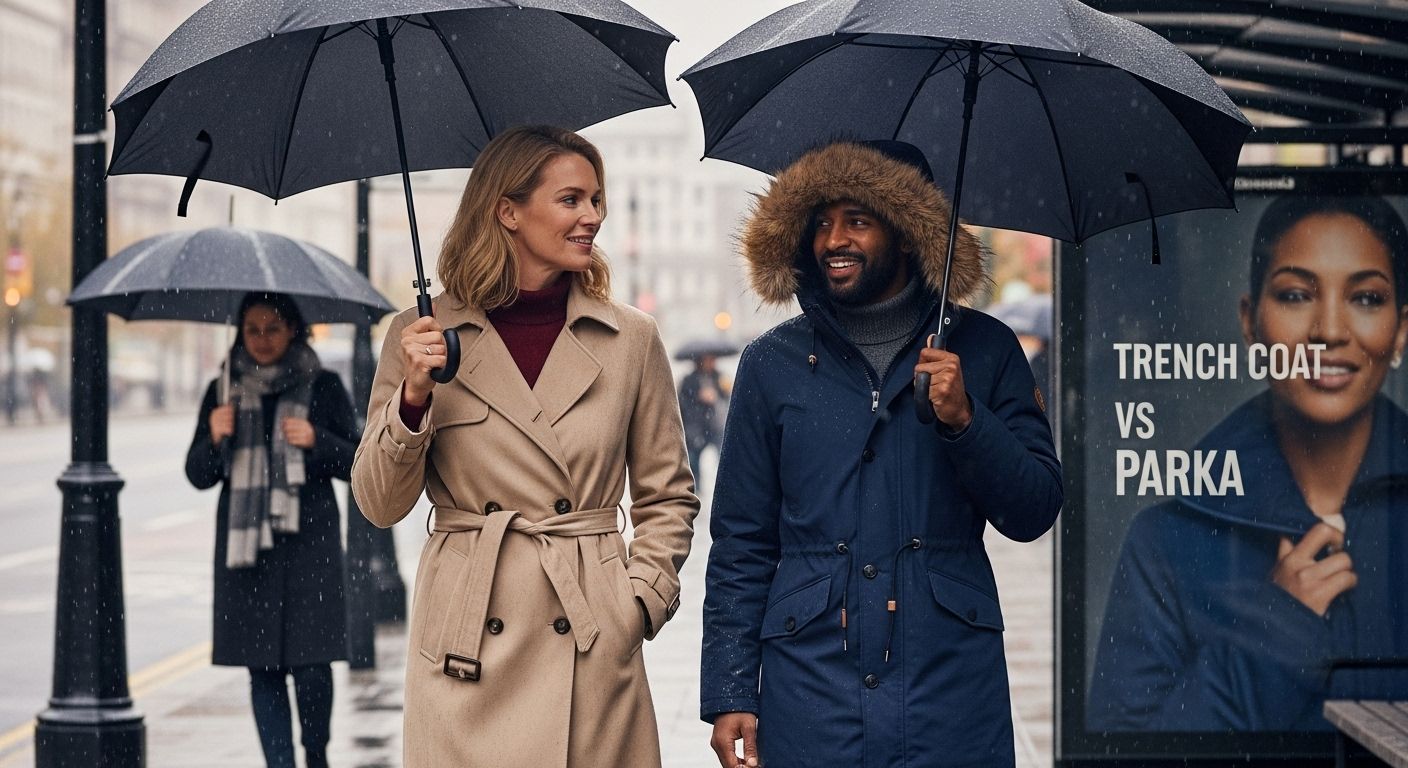
Trench coats and parkas might seem like just more jackets in your closet, but their stories reach far beyond the runway. Think about this: the classic trench coat was first created for British soldiers in World War I, and the parka’s roots go back to Arctic indigenous survival gear. Most people assume these coats are all about looks or keeping you dry, but the true difference hides in their purpose, technology, and what they say about your style.
Table of Contents
- What Is A Trench Coat And How Does It Differ?
- Understanding The Parka: Features And Purpose
- Why Choose A Trench Coat Or Parka: Practical Applications
- The Fashion Impact: Styling Trench Coats And Parkas
- Real-World Context: Weather, Materials, And Trends
Quick Summary
| Takeaway | Explanation |
|---|---|
| Trench coats offer versatile style for any occasion | Their sleek design allows them to transition from office wear to casual outings effortlessly. |
| Parkas provide superior protection in extreme cold | Engineered for warmth and durability, they excel in sub-zero temperatures, making them ideal for harsh climates. |
| Modern fabric technology enhances outerwear performance | Innovations like Gore-Tex ensure trench coats and parkas are water-resistant, breathable, and durable. |
| Trench coats and parkas reflect cultural heritage | Each garment carries its own historical significance, from military roots to indigenous survival techniques. |
| Selection depends on personal style and needs | Choose based on environmental conditions and personal preferences to achieve the best blend of function and fashion. |
What is a Trench Coat and How Does It Differ?
The trench coat represents a timeless fashion piece with deep historical roots, offering both functional utility and sophisticated style. Originally designed for military personnel during World War I, this iconic garment has evolved from a practical outerwear solution to a staple in contemporary fashion wardrobes.
Origins and Military Heritage
Tracing its lineage back to British military design, the trench coat was specifically developed as a lightweight alternative to heavy military greatcoats. Britannica reveals that these coats were crafted to provide soldiers with exceptional weather protection while maintaining mobility during combat conditions. The double-breasted design, wide lapels, and belted waist were not merely aesthetic choices but strategic features enabling soldiers to move efficiently in challenging environments.
Distinctive Design Elements
Trench coats distinguish themselves through several key characteristics that set them apart from other outerwear styles:
- Fabric Composition: Typically made from water-resistant gabardine, a tightly woven cotton fabric
- Length: Traditionally falls between mid-thigh and knee, providing comprehensive coverage
- Structural Details: Features like storm flaps, wide collars, and adjustable cuffs enhance functionality
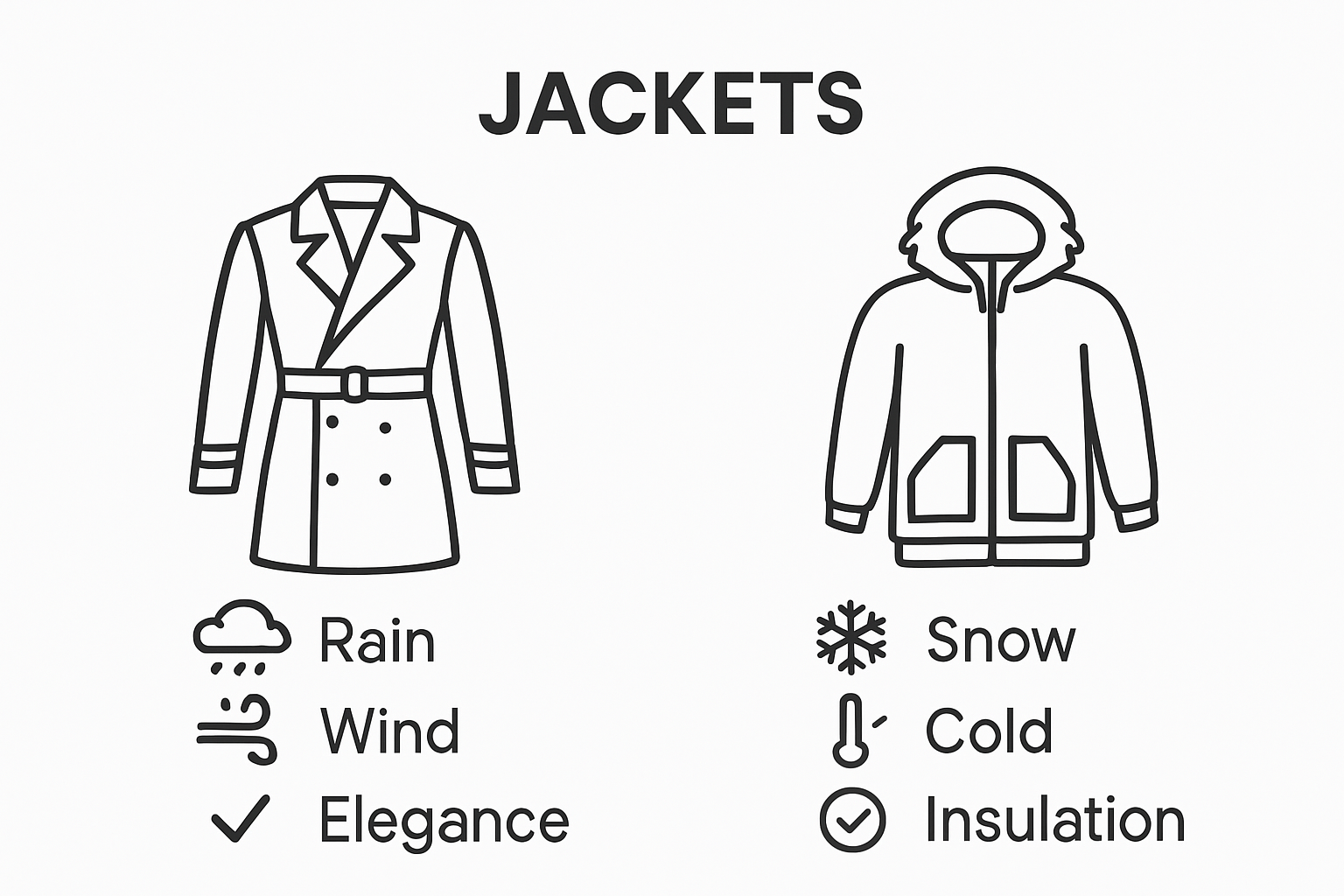
Unlike parkas, which prioritize extreme cold weather insulation, trench coats focus on wind and rain protection while maintaining a tailored, elegant silhouette. The garment seamlessly transitions between professional and casual settings, making it a versatile wardrobe essential for fashion-conscious individuals.
To clarify the main differences between trench coats and parkas, the following table compares their core features, design elements, and primary uses.
| Feature | Trench Coat | Parka |
|---|---|---|
| Historical Origin | British military, World War I | Indigenous Arctic communities |
| Primary Climate Purpose | Rain and wind protection, mild/cool weather | Extreme cold and wind, sub-zero temperatures |
| Fabric/Material | Water-resistant gabardine (tightly woven cotton) | Thick, multilayered insulation materials, synthetics |
| Key Design Elements | Double-breasted, belted waist, storm flaps, collar | Insulated, hooded (often fur-lined), longer length |
| Typical Style Context | Office, urban professional, casual wear | Outdoor, winter sports, casual streetwear |
| Main Function | Versatile style and weather protection | Maximum warmth and protection in harsh climates |
| Modern Adaptations | Trendy colors, materials, various lengths | Synthetic fills, adjustable features, lightweight options |
Modern Interpretation and Style
Today, trench coats have transcended their military origins to become a global fashion statement. Designers continually reinterpret the classic design, experimenting with materials, lengths, and color palettes while preserving the fundamental structural integrity that has made this coat an enduring style icon. Whether worn over a business suit or paired with casual weekend attire, the trench coat remains a symbol of refined, practical elegance.
Understanding the Parka: Features and Purpose
The parka represents a quintessential cold weather garment with profound cultural and functional significance, designed to provide exceptional protection against extreme environmental conditions. Originating from indigenous Arctic communities, this versatile outerwear has transformed from a survival necessity to a global fashion staple.
Historical Origins and Cultural Significance
The term “parka” derives from the Nenets language of Northwest Siberia, reflecting its deep roots in indigenous Arctic cultures. Arctic Museum Research reveals that these garments were meticulously crafted by indigenous communities to survive in harsh, freezing environments. Traditionally constructed from animal skins and furs, parkas represented more than just clothing they were sophisticated survival technologies that enabled human adaptation to extreme cold.
Distinctive Design and Functional Elements
Parkas distinguish themselves through several critical design features that prioritize warmth and protection:
- Insulation Technology: Designed with thick, multilayered materials that trap body heat
- Hood Construction: Typically featuring a protective, often fur-lined hood to shield against wind and snow
- Length Considerations: Usually extending below the waist to provide comprehensive body coverage
Unlike trench coats that focus on rain protection, parkas are engineered specifically for thermal regulation in sub-zero temperatures. Explore our guide on cold weather jackets to understand more about advanced insulation technologies.
Modern Adaptation and Style Evolution
Contemporary parkas have transcended their utilitarian origins, becoming a sophisticated fashion statement while maintaining core functional principles. Modern designers integrate advanced synthetic materials, lightweight insulation technologies, and stylish aesthetic elements that appeal to urban consumers and outdoor enthusiasts alike. Whether navigating city streets or exploring wilderness terrains, the parka remains an indispensable garment that beautifully balances form, function, and cultural heritage.
Why Choose a Trench Coat or Parka: Practical Applications
Choosing between a trench coat and a parka involves understanding their unique capabilities and matching them to specific environmental and lifestyle requirements. Each garment offers distinct advantages that make them invaluable in different scenarios, transforming from mere clothing items to strategic weather protection solutions.
Professional and Urban Environments
Traditionally, trench coats have been the preferred choice for professionals seeking a polished, versatile outerwear option. Their sleek silhouette and lightweight construction make them ideal for urban commuters and business environments. Practical Fashion Guide suggests that trench coats seamlessly transition between office settings and evening social events, providing both weather protection and sophisticated style.
Performance in Extreme Weather Conditions
Parkas emerge as the superior choice when confronting harsh, cold environments. These garments are engineered for maximum thermal protection, featuring critical design elements that set them apart:
- Thermal Insulation: Designed to maintain body temperature in sub-zero conditions
- Wind Resistance: Engineered with tightly woven fabrics that block cold air penetration
- Moisture Management: Advanced materials that wick away internal moisture while preventing external water absorption
According to University of Georgia research, parkas represent the pinnacle of cold weather protection, making them essential for outdoor professionals, winter sports enthusiasts, and individuals living in extreme northern climates.
Here is a breakdown of the functional elements that help both trench coats and parkas perform in different weather conditions.
| Functional Element | Trench Coat | Parka |
|---|---|---|
| Insulation | Minimal, designed for mild/cool climates | High, designed for sub-zero environments |
| Water Resistance | Yes, typically water-resistant | Often water-resistant, excellent against snow |
| Wind Protection | Yes, with storm flaps and tight weave | Superior, due to insulated, heavy-duty fabric |
| Breathability | Generally breathable due to cotton fabric | Varies, often uses modern moisture-wicking tech |
| Hood | Rare (optional/removable if present) | Standard, usually insulated and fur-lined |
| Coverage Length | Mid-thigh to knee | Below waist, often mid-thigh or longer |
| Adaptability (Layering) | Highly adaptable, easy layering | Supports layering but focused on retaining heat |
Lifestyle and Personal Preference Considerations
Ultimately, the selection between a trench coat and a parka transcends mere functionality. It reflects personal style, professional requirements, and individual comfort preferences. While trench coats offer elegance and versatility, parkas provide uncompromising warmth and durability. The ideal choice depends on balancing aesthetic desires with practical needs, ensuring that your outerwear not only protects you from the elements but also makes a personal style statement.

The Fashion Impact: Styling Trench Coats and Parkas
Fashion is more than clothing it represents a dynamic language of personal expression, with trench coats and parkas serving as sophisticated vocabulary in an individual’s style narrative. These garments transcend mere temperature regulation, emerging as powerful statements of aesthetic sensibility and cultural awareness.
Contemporary Urban Styling
Fashion Forward Style Guide reveals that modern styling transforms these outerwear pieces from functional necessities to critical fashion statements. Trench coats particularly excel in creating layered, nuanced looks that bridge professional and casual domains. For urban professionals, pairing a classic beige trench with tailored slim-fit trousers and leather loafers creates an ensemble that communicates refined sophistication.
Versatile Styling Approaches
Both trench coats and parkas offer remarkable styling flexibility, adapting to diverse fashion contexts:
- Trench Coat Combinations: Perfect with business attire, weekend casual wear, and evening outfits
- Parka Styling: Ideal for creating relaxed, adventurous looks with contemporary streetwear
- Layering Potential: Both garments support multiple clothing combinations across seasons
According to AARP Style Insights, the true art of styling these pieces lies in understanding their inherent versatility and personal adaptability.
Cultural and Personal Expression
Beyond aesthetic considerations, trench coats and parkas represent profound cultural narratives. The trench coat whispers tales of military heritage and European elegance, while parkas echo indigenous Arctic survival traditions. Modern fashion enthusiasts leverage these garments not just as clothing but as statements of personal identity, cultural appreciation, and individual storytelling. Whether navigating urban landscapes or exploring outdoor terrains, these jackets transform personal style into a rich, multilayered conversation.
Real-World Context: Weather, Materials, and Trends
The selection of outerwear represents a complex interplay between technological innovation, environmental demands, and evolving fashion sensibilities. Trench coats and parkas exemplify this intricate relationship, each emerging as a sophisticated solution to specific meteorological and lifestyle challenges.
Material Science and Performance
Modern fabric technologies have revolutionized how trench coats and parkas perform in diverse environmental conditions. Synthetic materials like Gore-Tex and advanced polyester blends now provide unprecedented levels of weather protection, breathability, and durability. Materials Performance Guide demonstrates that contemporary outerwear transcends traditional fabric limitations, offering adaptive protection that responds dynamically to changing weather patterns.
Climate-Specific Design Considerations
Each garment type addresses distinct environmental challenges through specialized design features:
- Trench Coat Attributes: Lightweight water resistance, wind blocking capabilities
- Parka Performance: Extreme cold insulation, moisture wicking technology
- Adaptive Features: Removable linings, adjustable ventilation systems
According to University of Georgia research, modern parkas incorporate sophisticated design elements like zip-out liners and adjustable hoods that provide comprehensive protection against harsh winter conditions.
Emerging Trends and Future Innovations
The future of outerwear lies at the intersection of sustainability, technology, and personalized functionality. Designers are increasingly focusing on creating garments that not only protect against environmental elements but also minimize ecological impact. Recycled materials, modular design concepts, and smart fabric technologies are transforming trench coats and parkas from simple protective layers into intelligent, adaptive personal equipment that responds to individual user needs and environmental contexts.
Find Your Perfect Outerwear: Style and Protection, Custom Fit
Struggling to choose between the functional warmth of a parka and the timeless sophistication of a trench coat? The search for high-quality, versatile outerwear often comes down to how well your jacket matches real life demands—whether you are facing rain-filled city streets or icy winter mornings, you want style, comfort, and durability that fit your life perfectly. At Maker of Jacket, you do not have to settle for off-the-rack compromises anymore. Discover customizable jackets built for your weather, style, and unique personality. Take your look further by exploring our trench coat collection to build a complete, head-turning outfit for any season.

Ready for a real upgrade? Shop our full range of jackets now. Tap into worldwide free shipping and effortless customization. Do not wait for the next cold front or sudden rain to find your perfect fit—experience expert style, proven protection, and made-for-you comfort today.
Frequently Asked Questions
What is the main difference between a trench coat and a parka?
A trench coat is designed for rain and mild weather, focusing on wind protection, while a parka is engineered for extreme cold, featuring insulation technologies to keep you warm in sub-zero temperatures.
Can a trench coat be worn in winter?
While trench coats can provide some protection against wind and light rain, they are not ideal for extreme winter conditions. If you live in a colder climate, consider wearing a parka for better thermal insulation.
What type of fabric is typically used for trench coats and parkas?
Trench coats are commonly made from water-resistant gabardine, while parkas utilize thick, multilayered materials designed for warmth, often including synthetics for insulation and moisture management.
How should I style a trench coat or parka for urban environments?
Trench coats can be styled with business attire or casual wear, creating a polished look. Parkas are great for relaxed outfits and streetwear. Both can be layered for added warmth and style.


