

Types of Leather Coats – Choosing Style and Quality

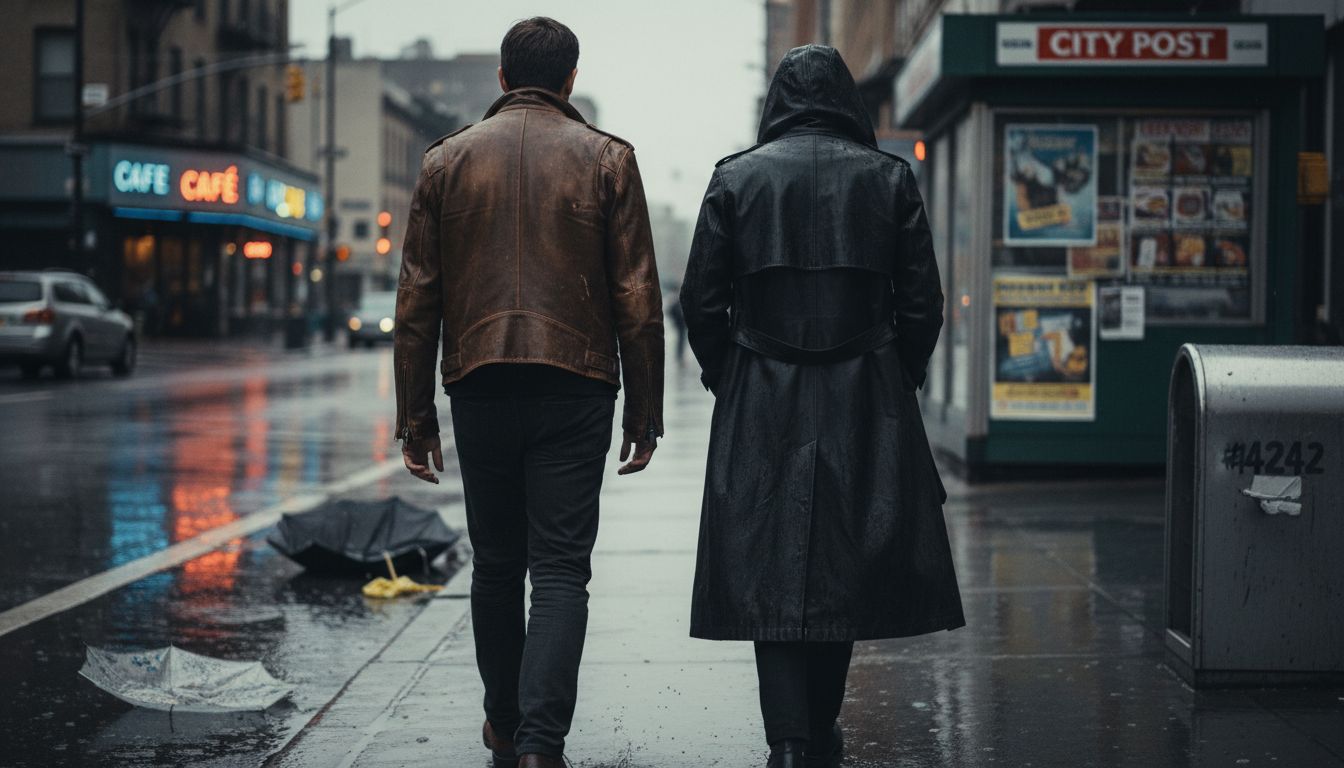
Most American wardrobes feature at least one leather coat, yet almost half of shoppers cannot distinguish real leather from imitation. Leather coats have earned iconic status thanks to their blend of style, protection, and durability. Whether you favor vintage shapes or sleek modern fits, understanding the myths and unique qualities behind genuine leather can transform how you shop for this enduring American fashion staple.
Table of Contents
- Defining Leather Coats And Common Misconceptions
- Popular Styles Of Leather Coats Explained
- Material Qualities And Distinctive Features
- When To Wear Each Leather Coat Style
- Pitfalls To Avoid When Shopping Leather Coats
Key Takeaways
| Point | Details |
|---|---|
| Understanding Leather Coats | Leather coats are durable garments made from processed animal hides, providing both style and protection. Quality varies significantly based on the type of leather and construction techniques used. |
| Popular Styles | Key leather coat styles include Biker, Bomber, Trench, Racer, and Aviator jackets, each offering unique aesthetics and practical applications. |
| Material Quality | Full-Grain Leather is the highest quality and ages beautifully, while cheaper alternatives can compromise durability and aesthetics. |
| Shopping Pitfalls | Avoid mistakes like overlooking leather quality and fit, choosing trendy styles over timeless ones, and neglecting maintenance requirements to make a wise purchase. |
Defining Leather Coats and Common Misconceptions
Leather coats represent more than just clothing—they are intricate garments crafted from carefully processed animal hides with remarkable durability and aesthetic appeal. Unlike basic fabric jackets, these pieces combine functional protection with sophisticated style, transforming an ordinary outfit into something extraordinary.
At its core, leather is a complex material created through meticulous tanning processes that convert raw animal hide into a flexible, long-lasting fabric. Most leather coats originate from cattle hide, though exotic leathers like goat, sheep, and even more unusual sources can produce unique textures and qualities. The transformation from raw hide to a refined leather coat involves multiple sophisticated steps: cleaning, treating, conditioning, and ultimately crafting the material into a wearable garment.
Several persistent misconceptions surround leather coats that deserve clarity. Many people incorrectly assume all leather is identical, when in reality, significant variations exist in quality, thickness, and durability. Leather grades range from top-grain premium selections to lower-quality split leather, each offering different characteristics. Some buyers mistakenly believe leather coats are purely decorative, overlooking their exceptional protective properties against wind, cold, and moderate environmental challenges.
Key factors distinguishing high-quality leather coats include:
- Precise stitching and construction techniques
- Uniform leather grain and texture
- Supple yet robust material that maintains shape
- Natural imperfections that demonstrate authentic leather
- Thoughtful design accommodating movement and comfort
Understanding these nuances helps consumers make informed decisions when selecting a real leather trench coat, ensuring they invest in a garment that combines style, functionality, and lasting value.
Popular Styles of Leather Coats Explained
Leather coats represent an iconic fashion statement that transcends trends, offering versatility and timeless appeal across multiple style categories. From rugged biker aesthetics to sophisticated urban designs, these garments provide individuals with numerous options to express personal style while maintaining practical functionality.
The Biker Leather Jacket stands as a quintessential design that emerged from motorcycle culture. Characterized by asymmetrical zippers, wide lapels, and a fitted silhouette, these jackets communicate rebellious energy and urban sophistication. Typically constructed from sturdy cowhide or lambskin, biker jackets offer exceptional durability and wind resistance, making them perfect for both fashion enthusiasts and motorcycle riders.
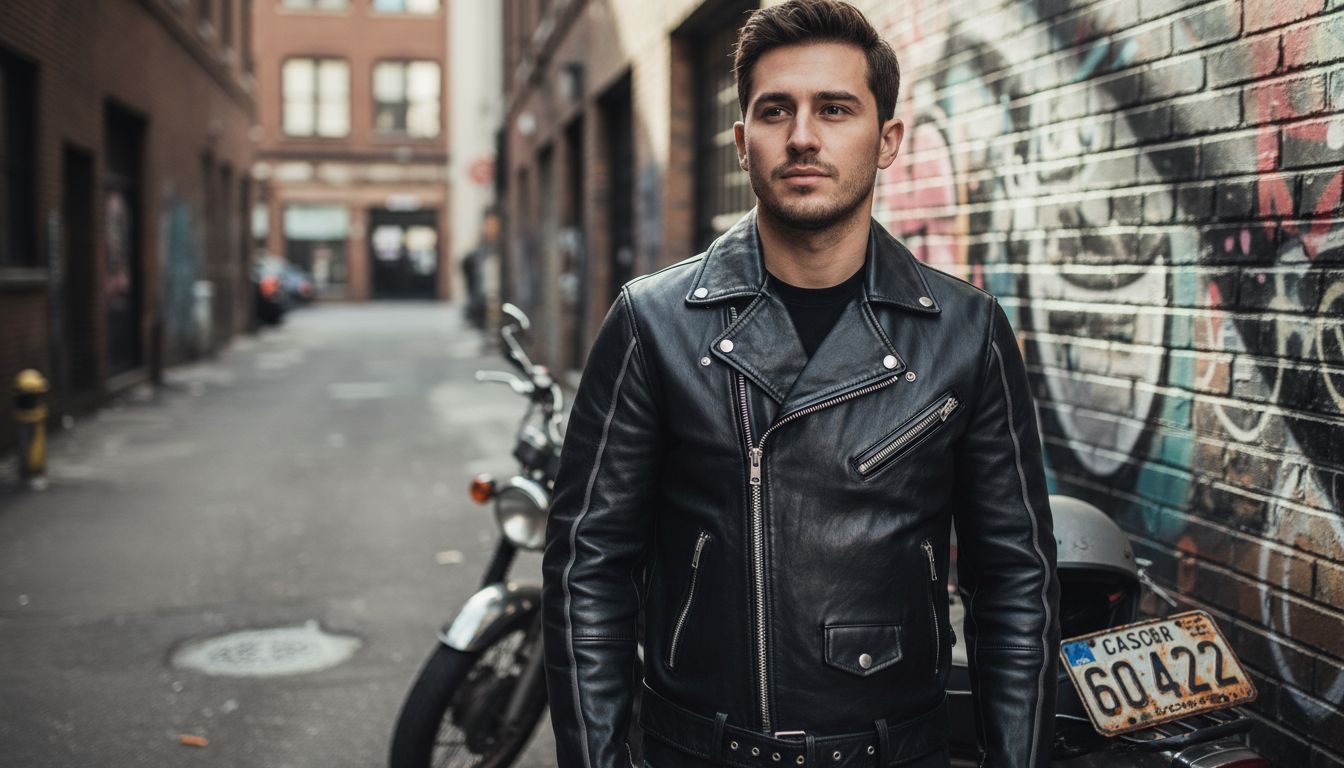
Another prominent style is the Bomber Leather Jacket, which originated from military aviation design. These jackets feature a more relaxed fit, ribbed waistband, and often include practical elements like multiple pockets and a straighter cut. Originally designed for pilots to provide warmth at high altitudes, bomber jackets have seamlessly transitioned into mainstream fashion, appealing to those seeking a classic yet contemporary look.
Key leather coat styles include:
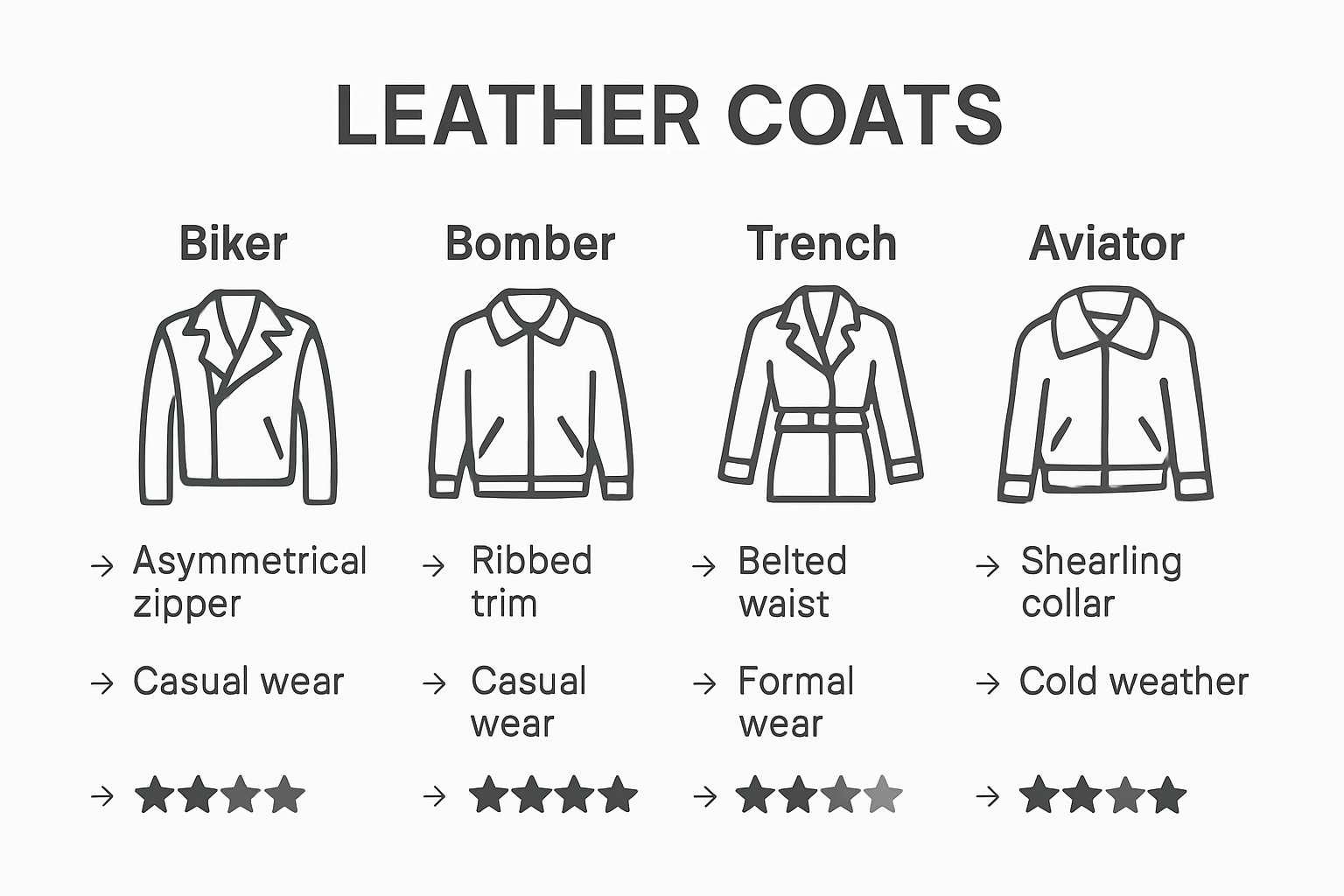
- Biker Jacket: Asymmetrical design, fitted silhouette
- Bomber Jacket: Relaxed fit, military-inspired
- Trench Coat: Longer length, sophisticated layering
- Racer Jacket: Minimalist design, sleek profile
- Aviator Jacket: Thick insulation, shearling lining
Each style offers unique characteristics that cater to different personal preferences, body types, and fashion sensibilities. Whether you’re seeking edgy urban style or classic elegance, leather coats provide a versatile wardrobe option that combines protection, comfort, and unmistakable visual appeal.
Material Qualities and Distinctive Features
Leather quality represents the fundamental cornerstone of an exceptional leather coat, determining its durability, aesthetic appeal, and long-term performance. Understanding the nuanced characteristics of different leather types empowers consumers to make informed purchasing decisions that align with their style, budget, and functional requirements.
The hierarchy of leather grades begins with Full-Grain Leather, the highest quality material available. This premium leather preserves the entire natural grain of the hide, showcasing unique markings and developing a rich patina over time. Leather crafting involves intricate processes that maintain the hide’s original texture, resulting in exceptionally strong and breathable garments that age gracefully and tell a unique story with each wear.
Another critical consideration is the tanning process, which dramatically impacts leather’s final characteristics. Top-Grain Leather represents the second-highest quality, where the surface is slightly modified to remove imperfections while retaining significant strength. Alternative options like Corrected-Grain and Split Leather offer more affordable alternatives, though they compromise on durability and natural aesthetic qualities.
Key material characteristics to evaluate include:
- Thickness and weight of the leather
- Natural grain and surface texture
- Flexibility and comfort
- Resistance to wear and environmental conditions
- Color consistency and potential for aging
Consumers should also consider specialized leather treatments that enhance performance. Real leather trench coats often incorporate water-resistant coatings, breathable membranes, and reinforced stitching to improve functionality without compromising the material’s inherent beauty and character.
When to Wear Each Leather Coat Style
Leather coat selection involves understanding the contextual nuances of different styles, ensuring you make a fashion statement that seamlessly blends functionality with personal expression. Each leather jacket style communicates a unique aesthetic and serves distinct practical purposes across various social and professional environments.
The Biker Jacket emerges as the quintessential choice for urban casual settings, perfect for weekend outings, motorcycle rides, and evening social gatherings. Characterized by its edgy silhouette and rebellious undertones, these jackets work exceptionally well with slim jeans, boots, and minimalist accessories. They transition effortlessly from daytime street style to nighttime entertainment venues, offering versatility and an instant attitude boost.
In contrast, the Bomber Leather Jacket represents a more refined, adaptable option suitable for professional-casual environments. Its classic military-inspired design makes it appropriate for creative workplace settings, casual business meetings, and weekend brunches. The relaxed fit and clean lines allow for layering over button-down shirts, creating a polished yet approachable aesthetic that bridges formal and informal dress codes.
Context-specific leather coat recommendations include:
- Biker Jacket: Ideal for
- Motorcycle riding
- Concerts and music events
- Casual street style
- Bomber Jacket: Perfect for
- Creative professional environments
- Outdoor social gatherings
- Weekend leisure activities
- Trench Coat: Best for
- Formal evening events
- Business professional settings
- Rainy or cooler weather conditions
Understanding these stylistic nuances allows you to select a leather coat that not only complements your wardrobe but also communicates your personal brand across different social and professional contexts.
Pitfalls to Avoid When Shopping Leather Coats
Leather coat shopping requires careful navigation through a complex landscape of quality, style, and potential purchasing mistakes. Consumers often fall into predictable traps that can lead to expensive regrets, making informed decision-making crucial for securing a worthwhile investment in leather outerwear.
One of the most significant pitfalls involves misjudging leather quality and construction. Shoppers frequently mistake synthetic leather or low-grade materials for premium leather, overlooking critical details like grain texture, thickness, and natural imperfections. Selecting the best leather demands a discerning eye that can distinguish between authentic full-grain leather and cheaper, less durable alternatives that may deteriorate rapidly.
Another common error is neglecting proper fit and personal body proportions. Leather coats are substantial investments that should complement individual silhouettes, yet many buyers choose styles based on trending aesthetics rather than personal physique. A well-fitted leather jacket should provide comfortable mobility, sit correctly on the shoulders, and allow for layering without feeling restrictive or overly loose.
Critical mistakes to avoid include:
- Overlooking leather grade and quality
- Ignoring personal body proportions
- Prioritizing price over craftsmanship
- Neglecting maintenance requirements
- Choosing trendy styles over timeless designs
Ultimately, successful leather coat shopping requires balancing aesthetic preferences with practical considerations, ensuring your investment delivers both style and long-term wearability.
Discover Your Perfect Leather Coat with Maker of Jacket
Choosing the right type of leather coat can feel overwhelming with so many styles and quality levels to consider. This article highlights key challenges like understanding leather grades, picking the best fit, and matching coat styles to your lifestyle and personality. Whether you desire the rugged durability of a biker jacket or the timeless elegance of a trench coat, knowing these details helps you avoid costly mistakes and ensures your leather coat delivers lasting comfort and style.
At Maker of Jacket, we specialize in helping customers overcome these very challenges. Explore our Maker of Jackets’ coat collection, where you can customize premium biker, bomber, and trench leather coats crafted from high-quality materials. With detailed size guides and visual previews, you can confidently find or create a jacket that perfectly suits your body and taste. Enjoy worldwide free shipping and expert craftsmanship that brings your style vision to life.

Step up your fashion game now and experience the unmatched quality and tailored fit of our leather coats. Visit Maker of Jacket today to find your ideal leather apparel and avoid common pitfalls in selecting leather outerwear.
Frequently Asked Questions
What are the main types of leather coats?
The main types of leather coats include the biker jacket, bomber jacket, trench coat, racer jacket, and aviator jacket. Each style offers unique characteristics suitable for different occasions and personal preferences.
How can I identify high-quality leather?
High-quality leather is characterized by its full grain, natural imperfections, and durability. Look for precise stitching, a uniform texture, and a supple feel. Premium options like full-grain leather age beautifully and develop a rich patina over time.
When is it appropriate to wear a leather coat?
Leather coats can be worn in various settings: biker jackets for casual outings, bomber jackets for professional-casual environments, and trench coats for formal events or cooler weather. Select a style that fits the occasion to enhance your overall look.
How should I maintain my leather coat?
To maintain your leather coat, clean it with a damp cloth, avoid exposure to excessive moisture, and apply leather conditioner periodically. Proper storage and avoiding direct sunlight will also help preserve its quality and appearance.


