

How to Waterproof a Leather Jacket: Expert Tips and Tricks

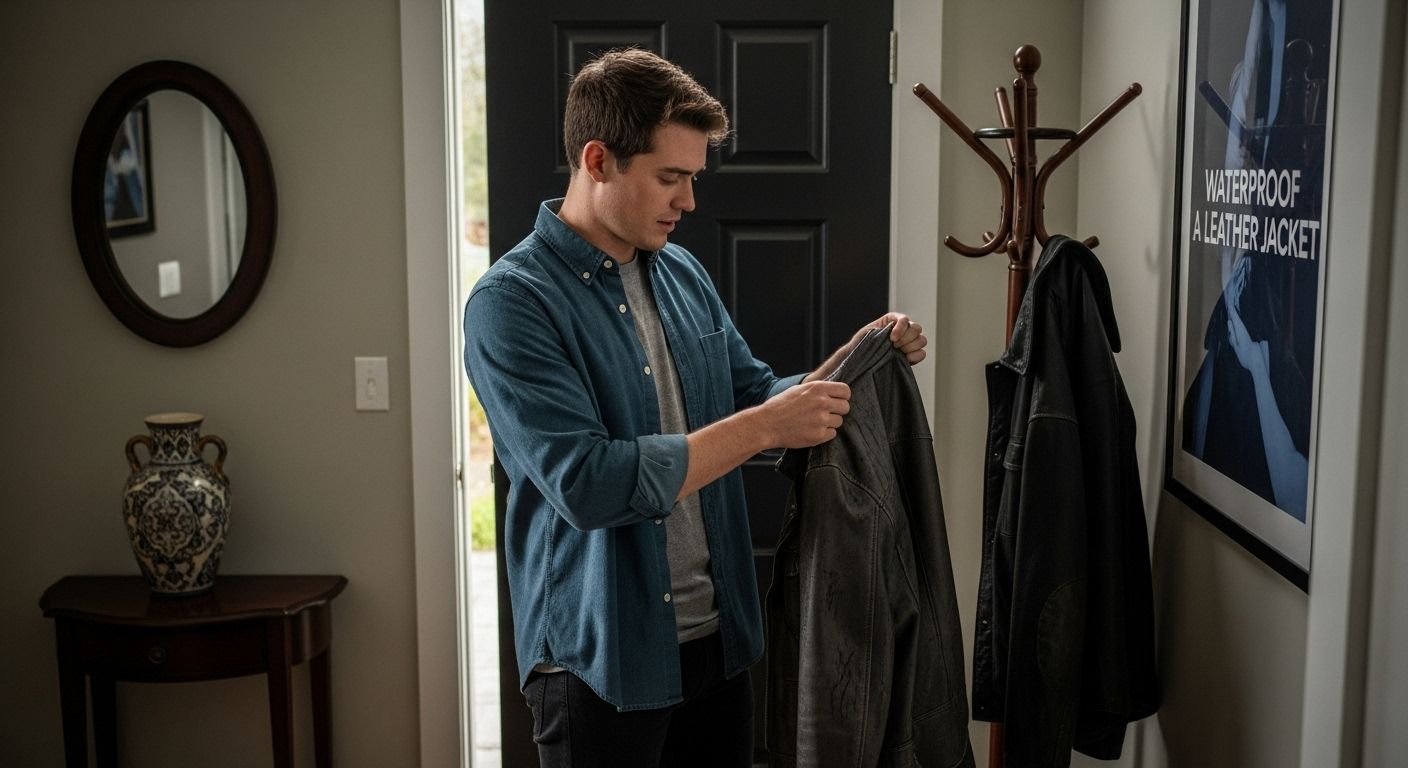
Water can destroy a leather jacket faster than most people think. Moisture does not just cause surface spots. It actually penetrates and can break down the jacket’s structure from within. A single rainstorm can lead to hidden damage, and untreated leather absorbs water up to 15 percent of its own weight. Most believe a thick coat of wax or spray will solve everything, but careless waterproofing can actually weaken and stain the leather if you use the wrong method. The truth is real protection takes more than a quick treatment spray it depends on careful prep, the right product, and smart ongoing care that most never think about.
Table of Contents
- Understanding Why Leather Needs Waterproofing
- Best Waterproofing Products for Leather Jackets
- Step-By-Step Guide to Waterproof Your Jacket
- Tips for Maintaining Your Jacket After Waterproofing
Quick Summary
| Takeaway | Explanation |
|---|---|
| Waterproofing is essential for leather jackets | Leather’s porous nature allows moisture absorption, leading to damage unless protected. |
| Choose the right waterproofing product | Selecting the appropriate spray, wax, or professional system prevents potential damage to the leather. |
| Follow step-by-step waterproofing procedures | Proper cleaning, conditioning, and application techniques ensure effective waterproofing and maintain leather quality. |
| Inspect and maintain regularly | Conduct monthly inspections to identify and address any wear or degradation in waterproofing to prolong garment life. |
| Store correctly to protect your jacket | Use breathable garment bags and avoid direct sunlight to maintain the leather’s integrity and appearance. |
Understanding Why Leather Needs Waterproofing
Leather is a natural material with remarkable properties, but it comes with inherent vulnerabilities that make waterproofing not just a recommendation, but a necessity. Understanding the science behind leather’s interaction with moisture reveals why protective treatments are crucial for maintaining your jacket’s longevity and appearance.
The Porous Nature of Leather
Leather is fundamentally a porous material composed of intricate protein fibers that can absorb and retain moisture. Research from the Leather Research Laboratory demonstrates that untreated leather acts like a sponge, allowing water to penetrate its fibers. When water enters these microscopic spaces, it can cause significant damage beyond what’s visible to the naked eye. The absorption process triggers multiple destructive mechanisms:
- Fiber Degradation: Moisture breaks down leather’s protein structure
- Color Distortion: Water can cause uneven staining and color bleeding
- Structural Weakness: Repeated water exposure compromises leather’s natural strength
Chemical Vulnerabilities of Leather Materials
According to materials science experts at the International Leather Technology Center, leather’s chemical composition makes it particularly susceptible to water damage. The natural oils and tannins that give leather its characteristic texture and durability can be stripped away by water, leading to premature aging and cracking. Water introduces several critical risks:
- Accelerated protein fiber breakdown
- Disruption of protective natural oils
- Potential mold and mildew growth in damp conditions
When leather becomes saturated, its molecular structure fundamentally changes. The water molecules displace the natural lubricating oils, causing the fibers to become brittle and lose their flexibility. This process transforms a supple, resilient material into a stiff, prone-to-cracking surface that rapidly deteriorates.
Long Term Preservation and Performance
Waterproofing isn’t merely about preventing immediate water damage. It’s a strategic approach to extending your leather jacket’s lifecycle. By creating a protective barrier, waterproofing treatments prevent moisture penetration while maintaining the leather’s breathability and natural characteristics. Professional leather conservationists recommend proactive protection as the most cost-effective method of preserving high-quality leather garments.
Most leather jackets represent a significant investment. Whether you’re a motorcycle enthusiast, a fashion-conscious individual, or someone who values functional outerwear, understanding leather’s moisture vulnerabilities helps you make informed maintenance decisions. Check out our guide on leather maintenance to explore comprehensive care strategies that go beyond basic waterproofing.
The key takeaway is simple: water and untreated leather are fundamentally incompatible. Proactive waterproofing isn’t just a protective measure it’s an essential strategy for preserving your leather jacket’s appearance, structural integrity, and long-term performance.
Best Waterproofing Products for Leather Jackets
Selecting the right waterproofing product for your leather jacket requires understanding the unique characteristics of different treatments and their specific applications. Not all waterproofing solutions are created equal, and choosing the wrong product can potentially damage your valuable leather garment.
To help you compare the main types of waterproofing products available for leather jackets, here’s a table summarizing their features, recommended products, pros, and application notes:
| Product Type | Example Products | Key Features | Application Tips |
|---|---|---|---|
| Spray-Based Solutions | Nikwax Fabric & Leather Proof, 303 Fabric Guard, Scotchgard Leather Protector | Quick, convenient, invisible finish | Test on small area, spray 6-8″ away |
| Wax-Based Treatments | Sno-Seal Original Beeswax, Dubbin, Beaver Wax | Deep penetration, traditional, durable finish | Warm wax, apply in circles, cover evenly |
| Professional Grade Systems | Polyacrylate & Silicone Systems | Advanced, long-lasting, for specific leather types | Follow manufacturer instructions, allow drying |
Spray Based Waterproofing Solutions
According to leather treatment experts at the International Leather Center, spray-based waterproofing solutions offer convenient and quick protection for leather jackets. These products typically create an invisible protective layer that repels water without significantly altering the leather’s natural texture. Recommended spray options include:
- Nikwax Fabric and Leather Proof: A water-based treatment that restores water repellency without harmful fluorocarbons, making it environmentally friendly
- 303 Fabric Guard: Professional grade protection suitable for various leather types
- Scotchgard Leather Protector: Offers robust water and stain resistance
When applying spray products, professionals recommend testing on a small, inconspicuous area first to ensure color and texture compatibility. Proper application involves holding the spray 6-8 inches from the surface and applying thin, even coats.
Wax Based Waterproofing Treatments
Wax-based waterproofing treatments provide a more traditional approach to leather protection. These products penetrate deeper into the leather fibers, offering enhanced durability and a classic protective finish. Research from the Leather Technology Center indicates that high-quality wax treatments can provide superior water resistance while maintaining leather’s natural breathability.
Top wax-based waterproofing products include:
- Sno-Seal Original Beeswax Leather Protectant
- Dubbin Traditional Leather Waterproofing Wax
- Beaver Wax Heavy Duty Leather Protector
These treatments require more manual application technique compared to sprays. Users must warm the wax slightly and work it thoroughly into the leather using circular motions, ensuring complete and even coverage.
Professional Grade Waterproofing Systems
For serious leather jacket owners seeking comprehensive protection, professional-grade two-component waterproofing systems offer advanced technology. Innovative research demonstrates that these systems combine polyacrylate and silicone treatments to create a durable, breathable water-resistant barrier.
Professional systems like our comprehensive leather care guide recommend selecting products based on:
- Leather type (smooth, suede, nubuck)
- Intended usage environment
- Frequency of exposure to moisture
- Desired level of water resistance
While professional treatments might seem more expensive initially, they provide long-term protection that can significantly extend your leather jacket’s lifespan. Investing in quality waterproofing is ultimately more cost-effective than replacing a water-damaged leather garment.
Remember that proper application technique matters as much as product selection. Always follow manufacturer instructions carefully and allow sufficient drying time between treatment layers to achieve optimal water resistance.
Step-by-Step Guide to Waterproof Your Jacket
Waterproofing a leather jacket requires precision, patience, and the right techniques. This comprehensive guide will walk you through the essential steps to protect your valuable garment effectively, ensuring long-lasting water resistance and maintaining the leather’s natural quality.
Below is a table outlining the key steps in the step-by-step waterproofing process for leather jackets, so you can quickly review the essential actions and their purpose at each stage:
| Step | Actions | Purpose |
|---|---|---|
| Preparation & Cleaning | Wipe with damp cloth, use mild cleaner, air dry | Remove dirt/previous treatments for better absorption |
| Conditioning | Apply leather conditioner in circular motions, let absorb | Keeps leather supple and receptive to treatment |
| Waterproofing Application | Spray or work in wax evenly, focus on seams, layer as needed | Create protective water-resistant barrier |
| Drying | Let each layer dry completely before next step | Proper bonding and effectiveness |
| Post-Treatment Maintenance | Reapply in 3-6 months, store correctly, air dry if wet | Maintain protection and jacket quality |
Preparation and Initial Cleaning
According to leather care experts, the first critical step is thorough preparation. Begin by cleaning your leather jacket meticulously to remove dirt, dust, and any previous treatments that might interfere with the waterproofing process. Use these professional techniques:
- Use a soft, slightly damp cloth to remove surface dust
- Apply a mild leather cleaner specifically designed for your jacket’s leather type
- Gently wipe the entire surface, avoiding excessive moisture
- Allow the jacket to air dry completely at room temperature
Research from leather technology specialists emphasizes the importance of a clean surface for optimal waterproofing absorption. Residual dirt or oils can create barriers that prevent the waterproofing treatment from bonding effectively with the leather.
Conditioning and Waterproofing Application
Before applying the waterproofing treatment, conditioning the leather is crucial. This step ensures the leather remains supple and receptive to the protective layer. Professional leather conservationists recommend:
- Select a high-quality leather conditioner compatible with your jacket’s material
- Apply a small amount using a soft, clean cloth
- Work the conditioner into the leather using circular motions
- Allow the conditioner to absorb completely (typically 1-2 hours)
Once conditioned, choose your preferred waterproofing method. Spray-based solutions offer convenience, while wax treatments provide deeper protection. Leather preservation experts recommend the following application techniques:
- Work in a well-ventilated area
- Hold the spray 6-8 inches from the jacket’s surface
- Apply thin, even coats covering the entire jacket
- Pay extra attention to seams and potential water entry points
- Allow each layer to dry completely before applying the next
Post-Waterproofing Care and Maintenance
After waterproofing, proper maintenance ensures the longevity of your treatment and jacket. Check out our comprehensive leather jacket care guide for additional insights into preserving your garment.
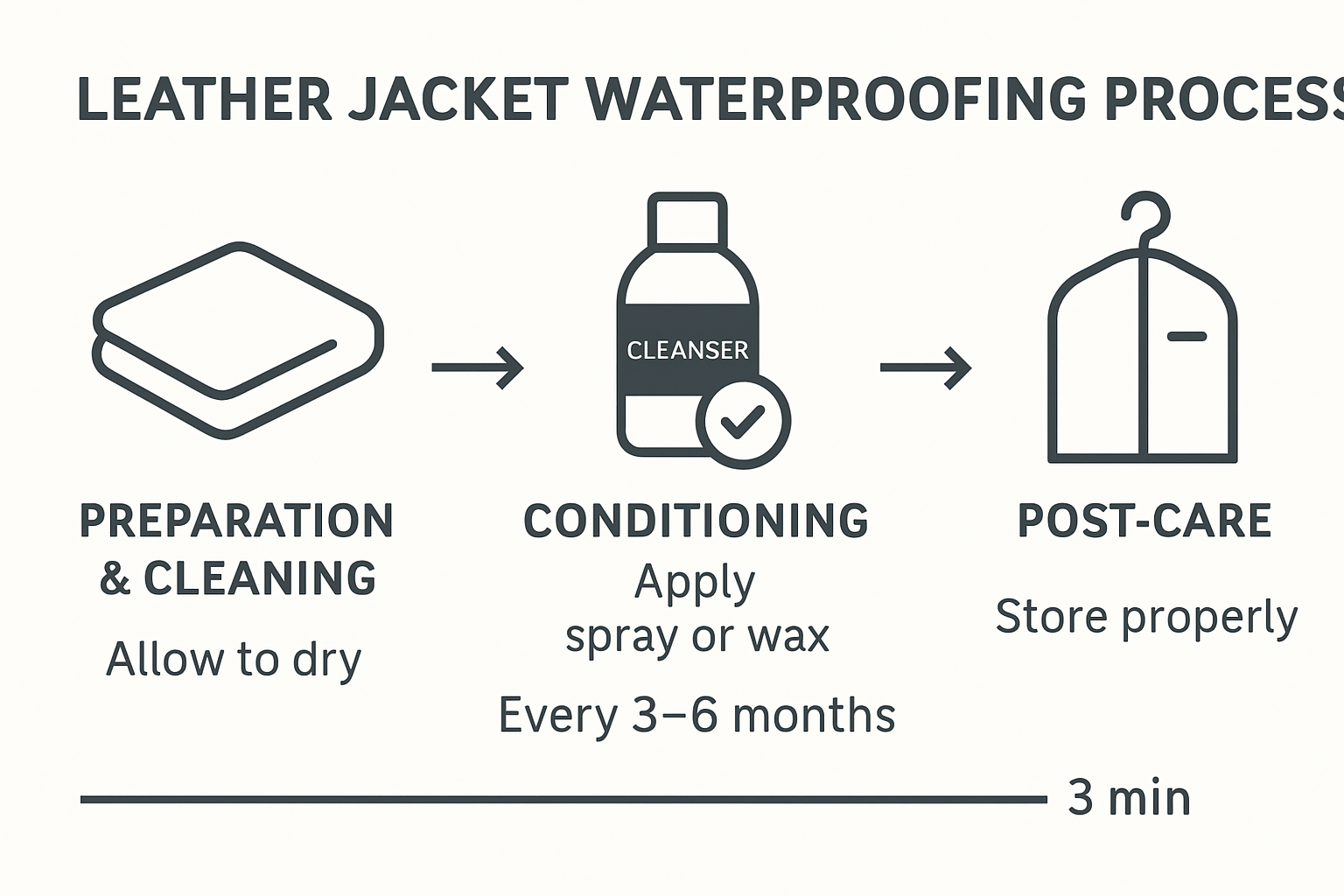
Important post-waterproofing guidelines include:
- Reapply waterproofing treatment every 3-6 months
- Store the jacket in a cool, dry place
- Use breathable garment covers
- Avoid direct sunlight and heat sources
- If the jacket gets wet, allow it to air dry naturally
Professional leather conservationists stress that waterproofing is not a one-time process but an ongoing maintenance strategy. Regular care helps maintain the jacket’s water resistance, aesthetic appeal, and structural integrity.
Remember, each leather jacket is unique. Always test waterproofing products on a small, inconspicuous area first and follow the specific manufacturer’s instructions for your chosen treatment. Patience and careful application are key to achieving optimal protection for your leather jacket.
Tips for Maintaining Your Jacket After Waterproofing
After successfully waterproofing your leather jacket, ongoing maintenance becomes crucial to preserve its protective qualities, appearance, and longevity. Proper care extends beyond the initial waterproofing treatment and requires a strategic approach to protection and preservation.
Regular Inspection and Touch-Up Techniques
Leather preservation experts from the International Leather Research Institute recommend conducting monthly inspections of your waterproofed jacket. Look for signs of wear, potential water damage, or areas where the protective coating might be diminishing. Key inspection points include:
- Checking seams and high-friction areas for coating degradation
- Examining color changes or water absorption spots
- Identifying areas that might require spot treatment
- Assessing overall jacket condition and protective layer integrity
During these inspections, gently test the water repellency by dropping small water beads on the surface. If water no longer forms distinct droplets or quickly absorbs into the leather, it might be time for a maintenance reapplication of your waterproofing treatment.
Storage and Environmental Protection Strategies
According to leather conservation research, proper storage is as critical as the waterproofing process itself. Environmental factors can significantly impact your jacket’s long-term performance and appearance. Professional recommendations include:
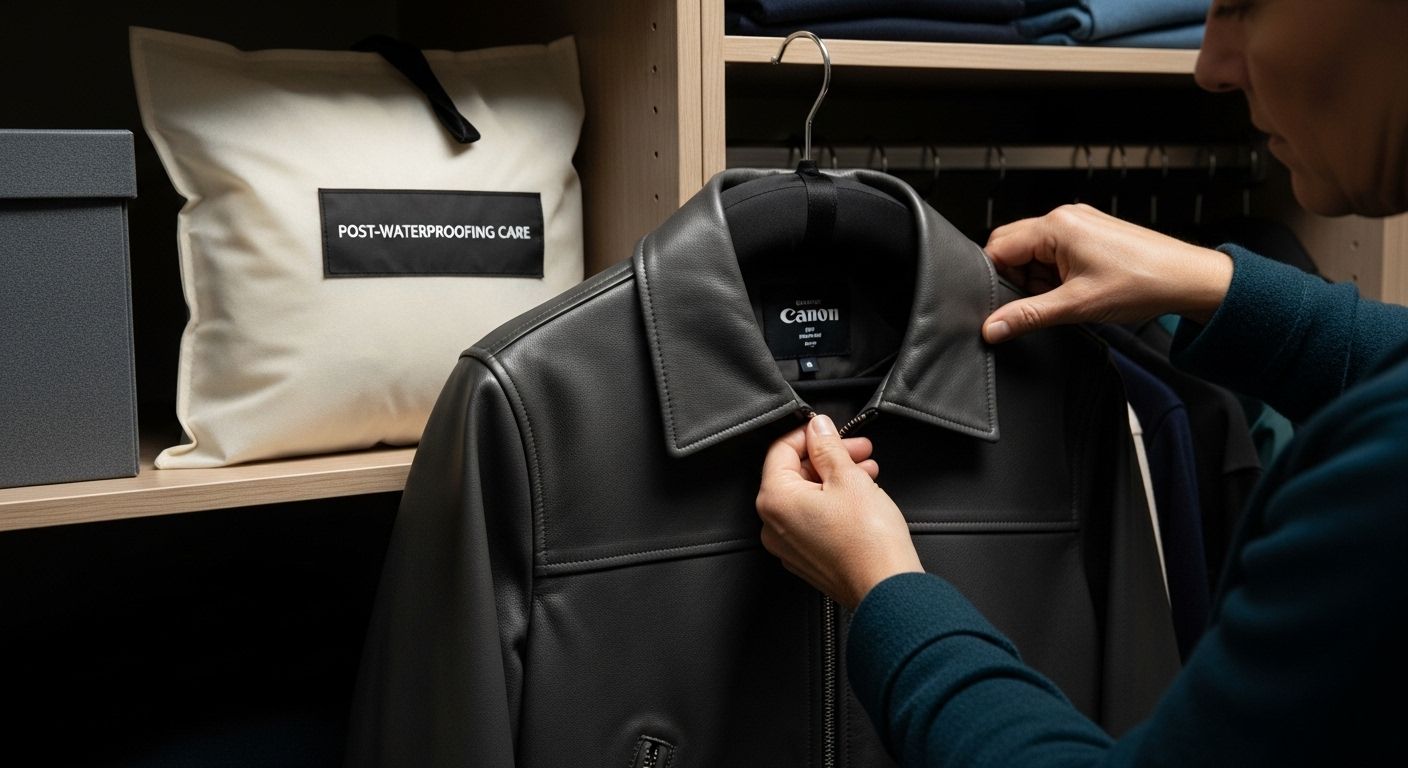
- Store in a cool, dry place with consistent temperature
- Use breathable garment bags to prevent moisture accumulation
- Avoid direct sunlight and heat sources that can degrade leather
- Maintain moderate humidity levels (around 50%) in storage areas
- Use padded hangers to maintain jacket shape
- Keep away from direct contact with other garments
When not in use, stuff the jacket lightly with acid-free tissue paper to help maintain its structure and prevent unwanted creasing. This simple technique helps preserve the jacket’s original form and prevents potential water resistance breakdown in folded areas.
Cleaning and Periodic Maintenance Protocols
Cleaning your waterproofed leather jacket requires a delicate approach. Professional leather conservationists suggest specific cleaning techniques that preserve both the leather and its water-resistant properties:
- Use a soft, dry microfiber cloth for regular dust removal
- For spot cleaning, use a slightly damp cloth with minimal pressure
- Avoid harsh chemicals or standard fabric cleaners
- Opt for specialized leather cleaning solutions
- Gently blot stains instead of rubbing
- Allow the jacket to air dry naturally at room temperature
Check out our comprehensive leather jacket care resource for additional maintenance insights. Remember that reapplying waterproofing treatment every 3-6 months helps maintain optimal water resistance.
Consistent, mindful maintenance transforms waterproofing from a one-time treatment into a long-term preservation strategy. By investing a few minutes monthly in careful inspection and gentle care, you can ensure your leather jacket remains water-resistant, visually appealing, and structurally sound for years to come. Each careful action contributes to protecting your valuable garment against environmental challenges and potential damage.
Frequently Asked Questions
What types of products can I use to waterproof my leather jacket?
You can use three main types of products for waterproofing: spray-based solutions that provide a quick, invisible finish; wax-based treatments that penetrate deeply for added durability; and professional-grade systems that offer advanced long-lasting protection tailored for specific leather types.
How do I prepare my leather jacket before applying a waterproofing treatment?
Begin by cleaning your jacket with a soft, damp cloth to remove dirt and dust. Use a mild leather cleaner if necessary, and allow the jacket to air dry completely before applying any waterproofing product. This ensures optimal absorption and effectiveness.
How often should I reapply waterproofing treatment to my leather jacket?
It is recommended to reapply waterproofing treatment every 3-6 months, depending on usage and exposure to moisture, to maintain optimal water resistance and prolong the life of the leather.
Can I completely waterproof my leather jacket, or will it eventually absorb water?
While waterproofing treatments significantly reduce water absorption, no leather can be made entirely waterproof. Over time, some moisture may still penetrate if the treatment wears off, which is why regular maintenance and reapplication are essential for preserving your jacket’s integrity.
Keep Your Leather Investment Protected – Discover Premium Jackets That Last
Are you frustrated by how vulnerable your favorite leather jacket feels every time it rains? Beyond surface spots and stains, real damage happens inside the leather. Ordinary jackets absorb moisture, losing their strength and aging before their time. You deserve outerwear that stands up to the elements and looks good season after season. At Maker of Jacket’s collection, you will find expertly crafted leather jackets designed with quality materials that hold up when waterproofing really counts.

Shop now for premium leather and motorcycle jackets made for both style and longevity. Our collection features jackets you can trust in any weather, plus simple customization options if you want something truly personal. Protect your next purchase by starting with craftsmanship and choosing the right fit for your lifestyle. Visit Maker of Jacket today to experience jackets made for real life. Your new favorite jacket is waiting for you.


